


Login
Get Instant Pricing On 23,000+ Aircraft

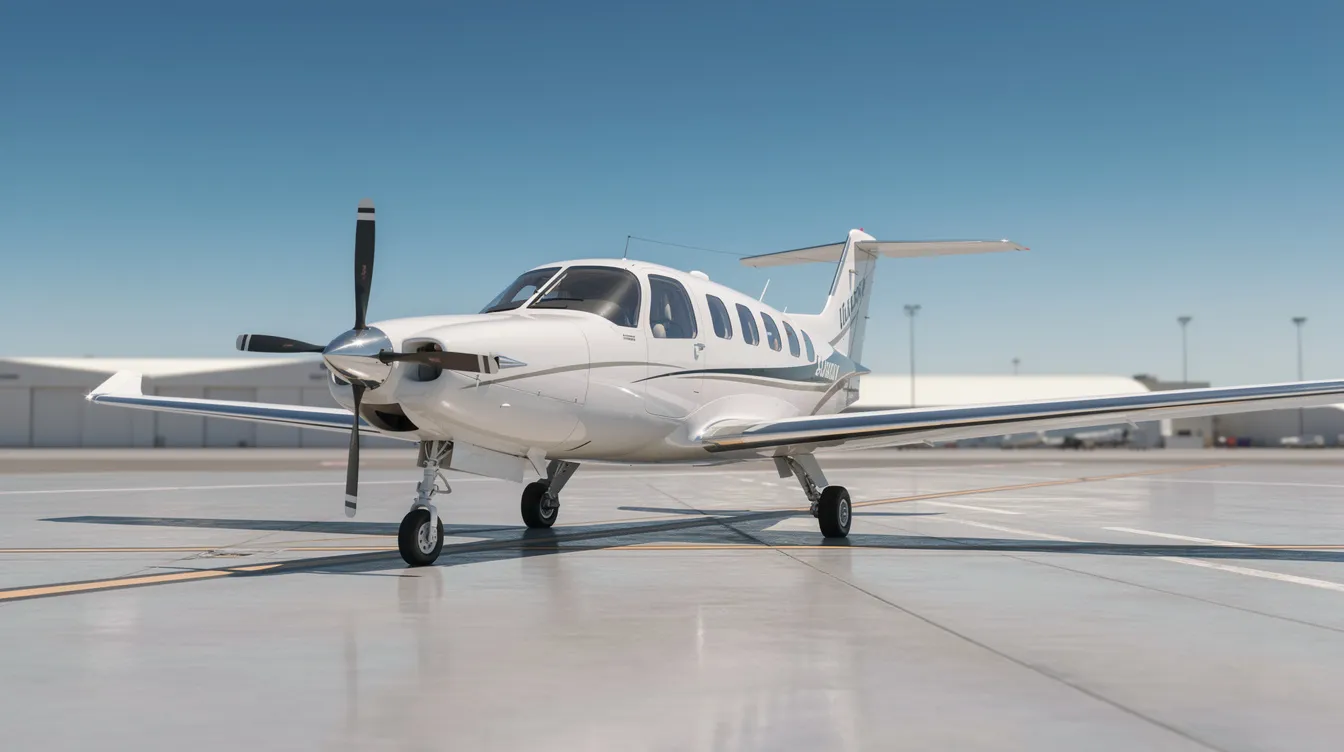
Low-wing Cessna aircraft, known for their speed and efficiency, have significantly influenced private aviation. These models, including the Cessna 400 and Citation jets, prioritize performance and comfort, making them ideal for modern charter services. Their unique design enhances aerodynamic efficiency, providing a sporty flying experience that appeals to both pilots and passengers.
Jay Franco Serevilla
Sep 21, 2026
|
5
min read


View all
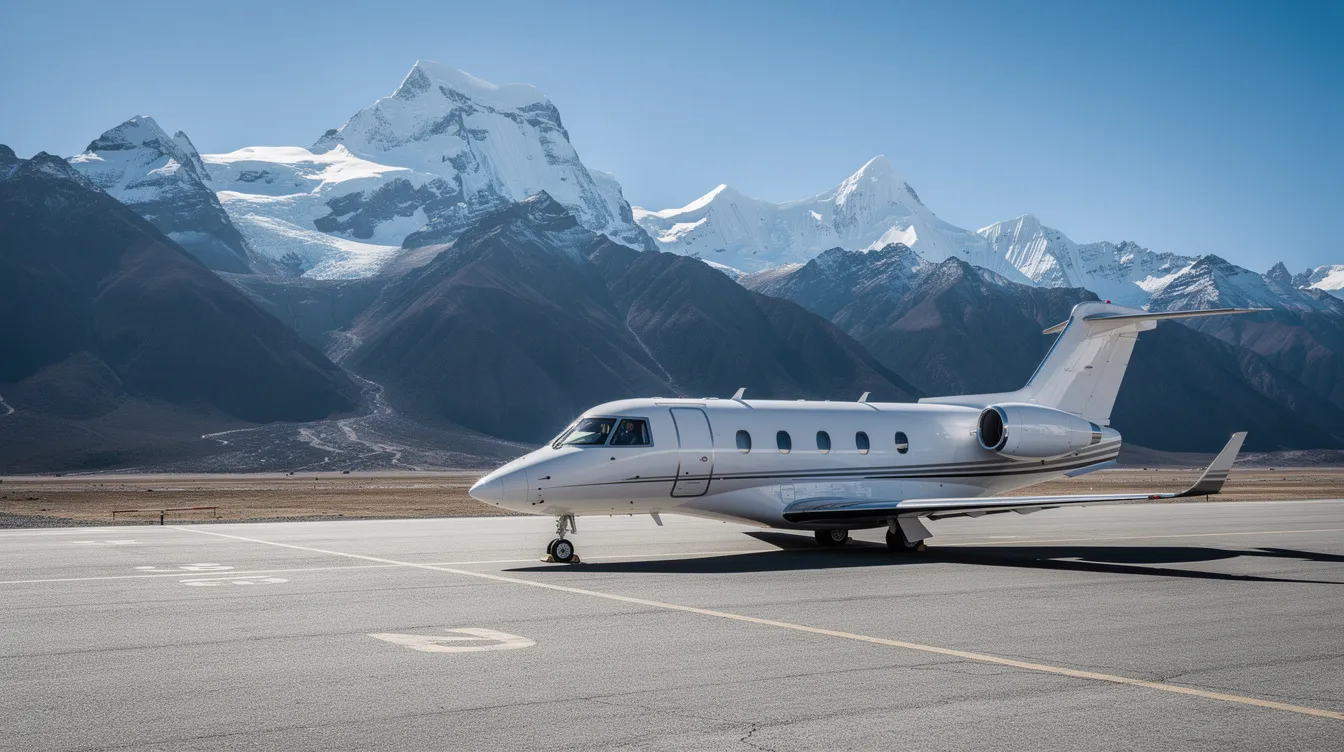
Travelers in South America often face a choice between JetSmart, a low-cost airline, and Jettly, a private jet charter service. While JetSmart offers affordable fares, it comes with strict baggage rules and customer service challenges. Jettly provides a more flexible and reliable alternative, allowing for customized travel experiences without the hidden fees associated with budget airlines.
Jay Franco Serevilla
Jul 13, 2026
|
5
min read

View all
This article compares American Airlines' commercial travel with private jet charter services offered by Jettly. It highlights the strengths and weaknesses of American's extensive network and loyalty program against the flexibility and convenience of private aviation. Travelers can determine when to choose commercial flights or private charters based on their specific needs and circumstances.
Jay Franco Serevilla
Jul 13, 2026
|
5
min read

View all
Chartering a private jet to Morocco offers travelers unparalleled flexibility and convenience, allowing direct access to over 25 airports across the country. With Jettly's platform, users can easily compare aircraft options, pricing, and routes, making it ideal for both business and leisure travel. Enjoy customized in-flight experiences and save costs with empty leg flights, ensuring a seamless journey tailored to individual needs.
Jay Franco Serevilla
Jul 13, 2026
|
5
min read

View all
Chartering a private jet to Hong Kong offers a fast, flexible travel solution for business and leisure. With reduced travel times and access to multiple airports, Jettly simplifies the booking process while providing a range of aircraft options. Experience the luxury and convenience of private aviation, avoiding crowded terminals and long waits.
Jay Franco Serevilla
Jul 13, 2026
|
5
min read

View all
Flying a private plane to Hawaii offers unparalleled convenience and flexibility, allowing travelers to bypass crowded terminals and lengthy layovers. Jettly's digital marketplace simplifies the chartering process, providing access to a wide range of aircraft and transparent pricing. Whether for business or leisure, private jet travel to Hawaii ensures a stress-free journey to paradise.
Jay Franco Serevilla
Jul 13, 2026
|
5
min read

View all
Chartering a private jet to Berlin offers unparalleled convenience and efficiency for both business and leisure travelers. With access to Berlin Brandenburg Airport and a range of aircraft options, Jettly simplifies the booking process while ensuring a luxurious travel experience. This guide covers costs, airport details, and the benefits of flying privately to Germany's vibrant capital.
Jay Franco Serevilla
Jul 13, 2026
|
5
min read
Explore our latest articles and updates.

5
min read
Private Jet Party: How to Plan a Safe, Stylish Birthday Celebration in the Sky
Private jet parties are a rising trend for birthday celebrations, offering a unique experience that combines travel and venue into one. This guide outlines essential planning elements, including aircraft selection, budgeting, and onboard etiquette, ensuring a smooth and stylish event. Jettly, a digital private jet charter marketplace, provides access to over 20,000 aircraft, allowing for flexible scheduling and personalized experiences. Key considerations include safety regulations, guest behavior, and the importance of early planning to secure the desired aircraft and customizations.
Read More
5
min read
Midsize Jet Cost: 2026 Guide to Prices, Hourly Rates, and Charter vs Ownership
Understanding the costs associated with midsize jets is crucial for those considering chartering, fractional ownership, or outright purchase. In 2026, purchase prices for midsize jets range from $5 million to $30 million, while charter rates average between $4,000 and $6,500 per flight hour. Annual operating expenses typically fall between $700,000 and $1.5 million, making chartering more economical for travelers flying under 200-250 hours per year. Jettly's platform offers transparent pricing and access to a wide range of aircraft, helping users make informed decisions about private aviation options.
Read MoreJoin our community and receive the latest blog updates directly in your inbox.
MEMBERSHIPS AND ASSOCIATIONS



Disclaimer: Jettly operates as a charter broker, offering access to a global digital jet charter marketplace. Jettly is not a direct air carrier and does not own or operate aircraft. All advertised flights are conducted by third-party air carriers that are fully licensed and hold the appropriate Part 135 or Part 121 certifications issued by the Federal Aviation Administration (FAA) or equivalent regulatory authorities under U.S. or foreign law. Jettly complies fully with the U.S. Department of Transportation's Part 295 and Part 298 Charter Broker regulations. Jettly does not carry additional liability insurance. Passengers are covered by aircraft operator insurance. TICO: 50023770


