


Login
Get Instant Pricing On 23,000+ Aircraft

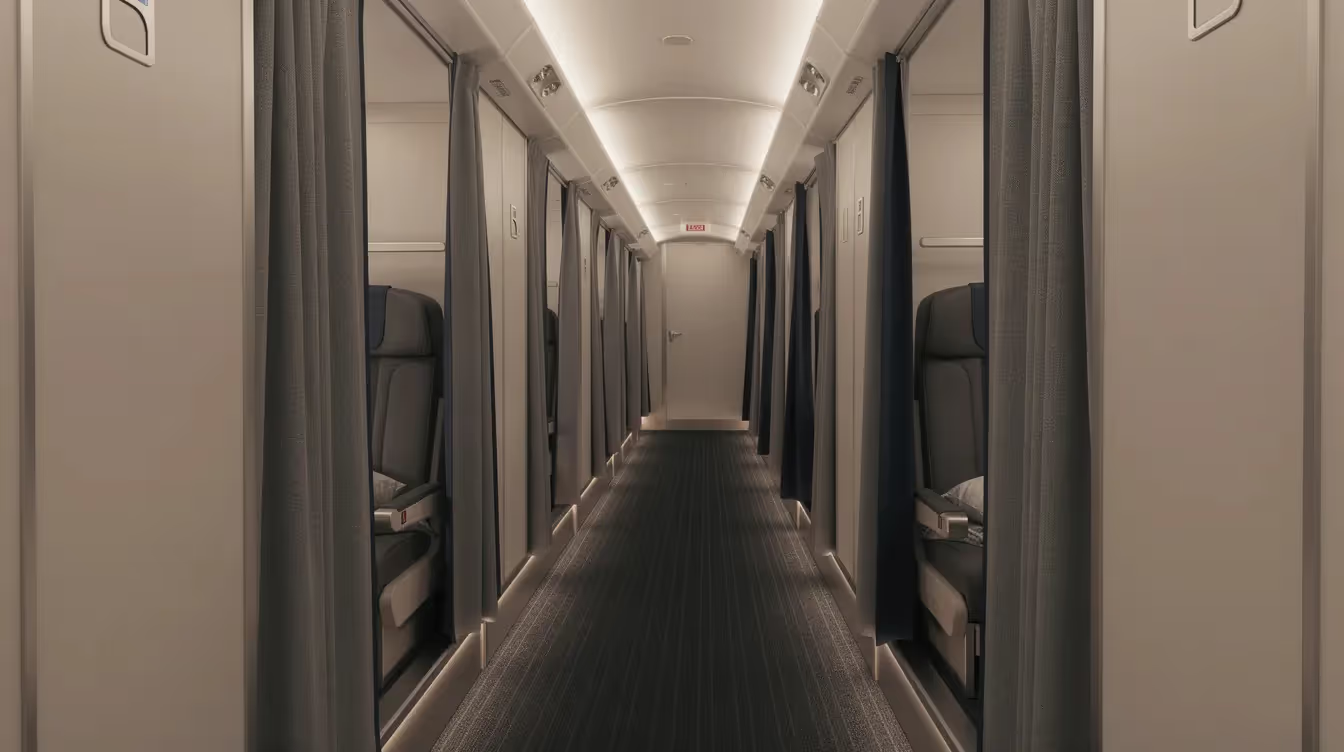
The article explores the various sleeping arrangements available on airplanes, including hidden crew bunks for flight attendants and pilots, as well as luxurious lie-flat beds in premium cabins and private jet staterooms. It highlights the importance of these spaces for safety and comfort during long-haul flights, with regulations mandating crew rest areas on flights exceeding 8-12 hours. Jettly's platform simplifies the process of finding flights with ideal sleeping arrangements, allowing travelers to compare options for both commercial and private aviation. Ultimately, the choice of sleeping accommodations depends on budget, route, and personal preferences.
Jay Franco Serevilla
Apr 18, 2026
|
5
min read


View all
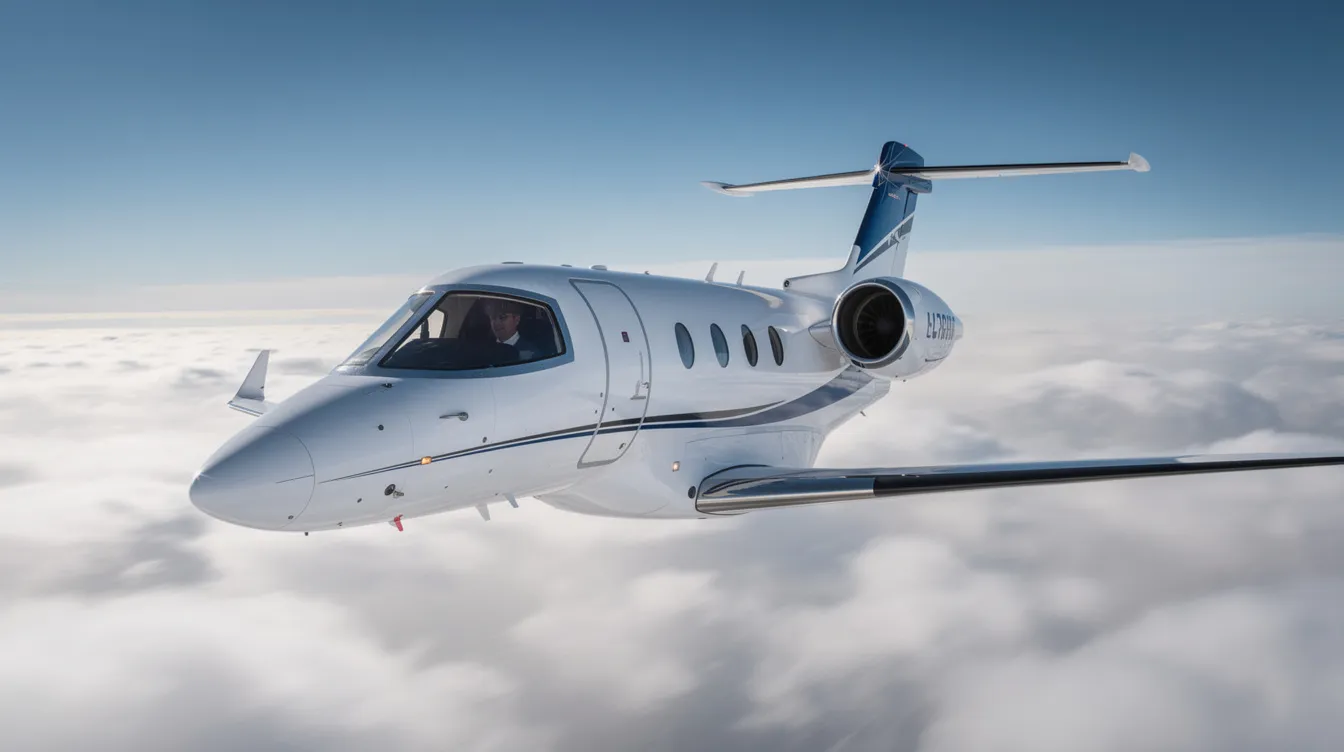
The guide on microjet aircraft highlights their significance in advancing jet-powered flight for private pilots and aviation enthusiasts, emphasizing their role in innovation and efficiency within the aerospace sector. Microjets, which include small jet-powered aircraft and sailplanes, are primarily used for training, research, and recreational purposes rather than commercial travel. While they are not typically available for charter, advancements in microjet technology influence broader aviation trends, including the development of light jets and digital charter platforms like Jettly, which provide access to a wide range of aircraft. Overall, microjets represent a niche yet impactful segment of modern aviation, driving improvements in propulsion, materials, and operational efficiency.
Jay Franco Serevilla
Jun 15, 2026
|
5
min read

View all
Jettly offers a streamlined solution for U.S. travelers seeking private charter flights to Cuba, providing direct access to various destinations on the island while ensuring compliance with legal requirements. The platform connects users to over 20,000 aircraft, allowing for flexible itineraries that can accommodate business, family visits, and leisure trips. Key advantages include time savings, privacy, and the ability to access smaller airports that commercial airlines do not serve. Jettly simplifies the booking process with instant pricing and expert support, making it easier for travelers to navigate the complexities of chartering flights to Cuba.
Jay Franco Serevilla
Jun 15, 2026
|
5
min read
View all
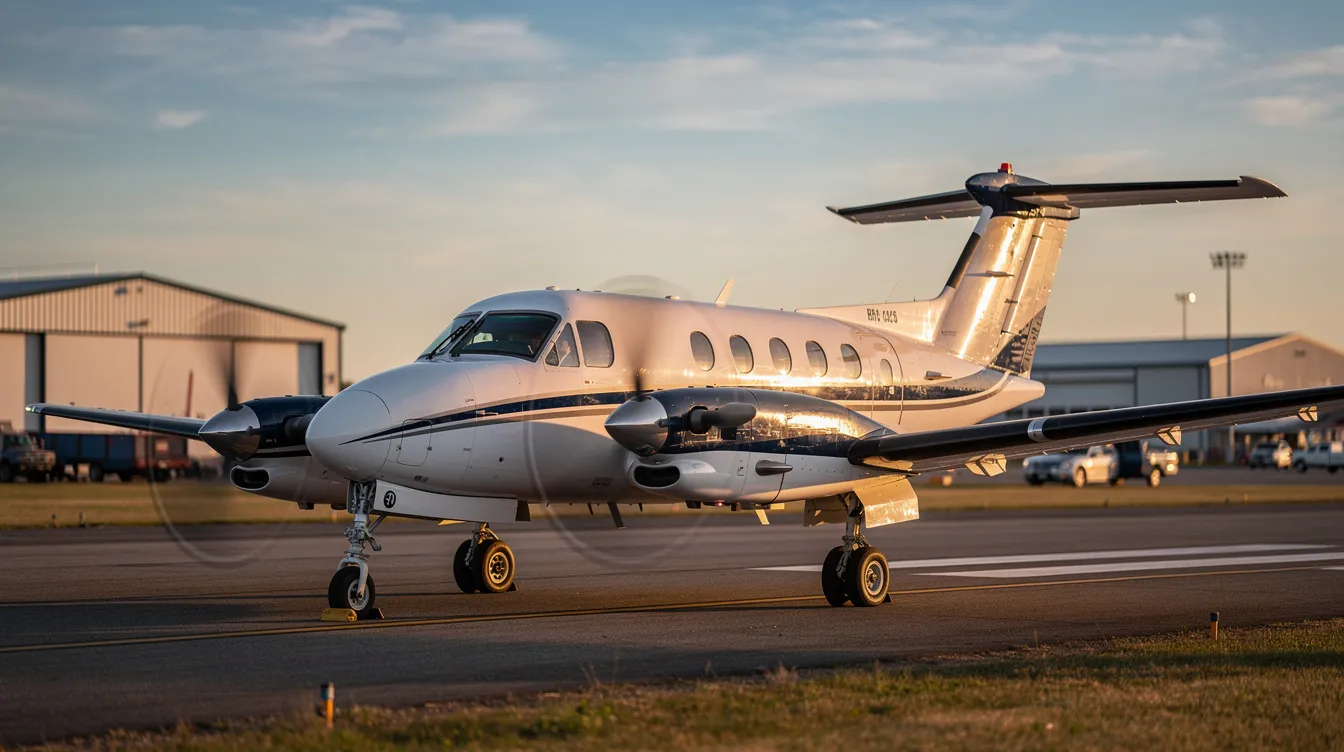
The Beechcraft King Air C90A is a versatile turboprop aircraft ideal for regional charter travel, accommodating four to six passengers with a maximum cruise speed of 223 knots and a range of approximately 840 nautical miles. Known for its twin-engine reliability and pressurized cabin, it can access smaller airports that many jets cannot, making it a practical choice for various missions, including corporate travel and air ambulance services. Chartering a C90A through Jettly is often more cost-effective than ownership, with hourly rates ranging from $1,200 to $1,500. The aircraft's efficiency and ability to operate from shorter runways enhance its appeal for travelers seeking affordable and flexible private aviation options.
Jay Franco Serevilla
Jun 15, 2026
|
5
min read

View all
New Orleans Lakefront Airport (KNEW) offers private jet travelers a convenient and quieter entry point to New Orleans, located just five miles from downtown. The airport features a restored Art Deco terminal, modern FBO services, and reduced congestion compared to Louis Armstrong New Orleans International Airport (MSY), making it ideal for quick access to major events. Jettly provides on-demand private jet charter services to and from Lakefront Airport, allowing travelers to compare aircraft options and pricing easily. With its historical significance and efficient operations, KNEW is a preferred choice for both business and leisure flights into the city.
Jay Franco Serevilla
Jun 15, 2026
|
5
min read

View all
Miami Homestead General Aviation Airport (X51) is a regional airport located 30 miles southwest of downtown Miami, serving as a convenient alternative for private flyers heading to South Florida and the Florida Keys. The airport features no landing fees, a main asphalt runway, and facilities like the Homestead Executive Jet Center, making it cost-effective compared to larger commercial airports. Jettly offers a digital platform for booking private charters at X51, providing instant pricing and a variety of aircraft options. With its diverse aviation operations and proximity to key destinations, X51 is an ideal choice for efficient private travel.
Jay Franco Serevilla
Jun 15, 2026
|
5
min read

View all
Greene County Airport, also known as Greene County Lewis A. Jackson Regional Airport, is a public-use general aviation airport in Xenia, Ohio, catering primarily to private pilots and charter travelers. With a 5,004-foot runway and 24/7 operations, it offers a convenient alternative to larger commercial airports, providing services like fuel, maintenance, and pilot amenities through its primary FBO, MacAir Aviation. The airport's strategic location near major highways facilitates quick access to regional business centers, while Jettly's platform allows for easy booking of on-demand private jet charters. Recent investments, including a $400,000 terminal upgrade, highlight the airport's commitment to modernization and growth in the general aviation sector.
Jay Franco Serevilla
Jun 15, 2026
|
5
min read
Explore our latest articles and updates.

5
min read
Private Plane Flight Times: How Long Your Charter Really Takes
Private plane flight times are significantly shorter than commercial travel, influenced by factors like distance, aircraft type, and weather conditions. Understanding these variables is crucial for efficient scheduling and cost management, especially for corporate travelers and families. Jettly offers tools to provide accurate flight time estimates, enhancing the private flying experience.
Read More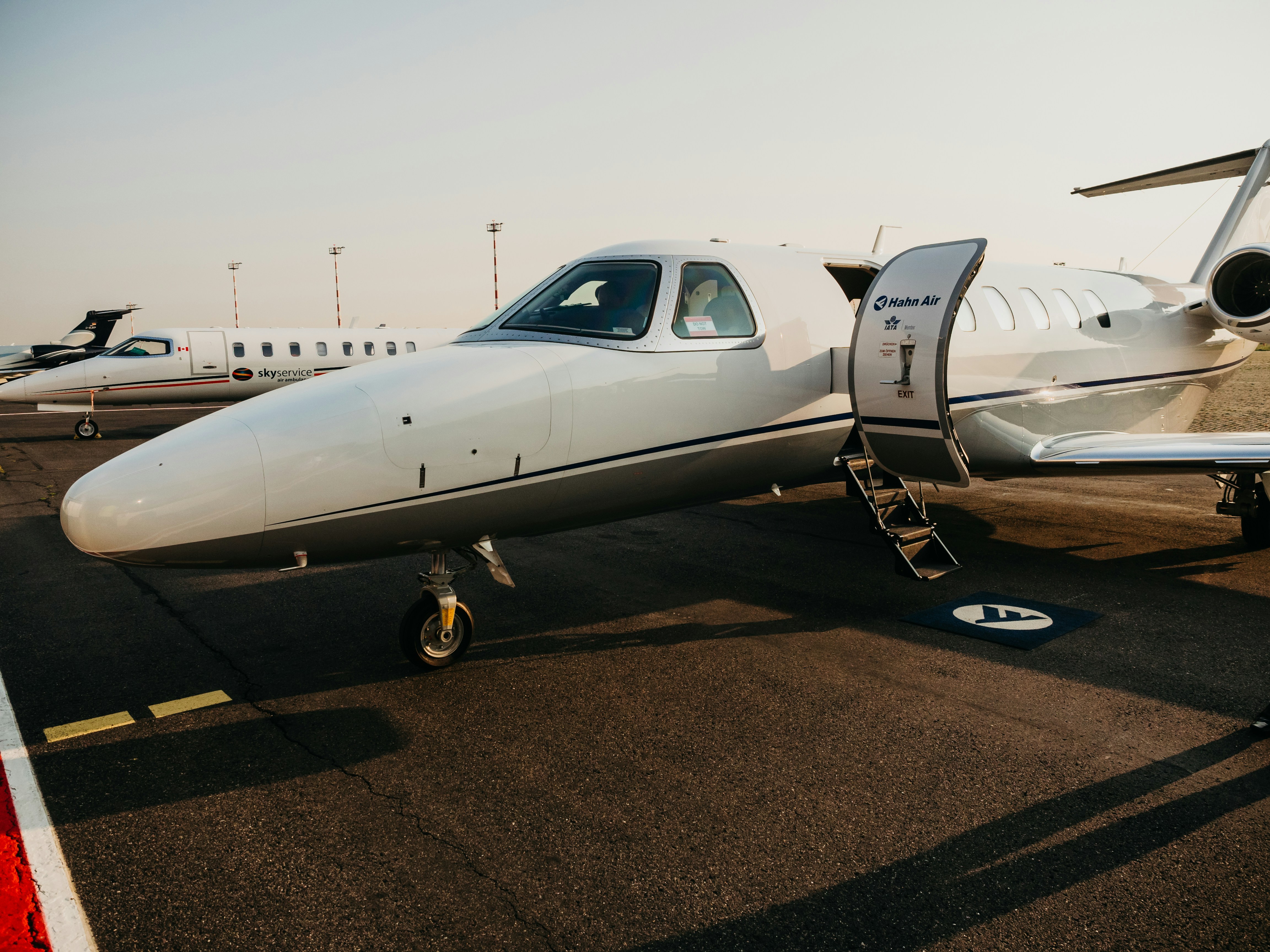
5
min read
Private Jet Cost Comparison: Light Jets vs. Heavy Jets
This article compares the costs of light jets and heavy jets for private travel, highlighting key factors such as hourly rates, passenger capacity, and trip efficiency. Light jets are more cost-effective for shorter domestic flights with smaller groups, while heavy jets excel in long-range travel and larger passenger capacities. Understanding these differences can help travelers make informed decisions based on their specific needs and budgets.
Read MoreJoin our community and receive the latest blog updates directly in your inbox.
MEMBERSHIPS AND ASSOCIATIONS



Disclaimer: Jettly operates as a charter broker, offering access to a global digital jet charter marketplace. Jettly is not a direct air carrier and does not own or operate aircraft. All advertised flights are conducted by third-party air carriers that are fully licensed and hold the appropriate Part 135 or Part 121 certifications issued by the Federal Aviation Administration (FAA) or equivalent regulatory authorities under U.S. or foreign law. Jettly complies fully with the U.S. Department of Transportation's Part 295 and Part 298 Charter Broker regulations. Jettly does not carry additional liability insurance. Passengers are covered by aircraft operator insurance. TICO: 50023770


