


Login
Get Instant Pricing On 23,000+ Aircraft

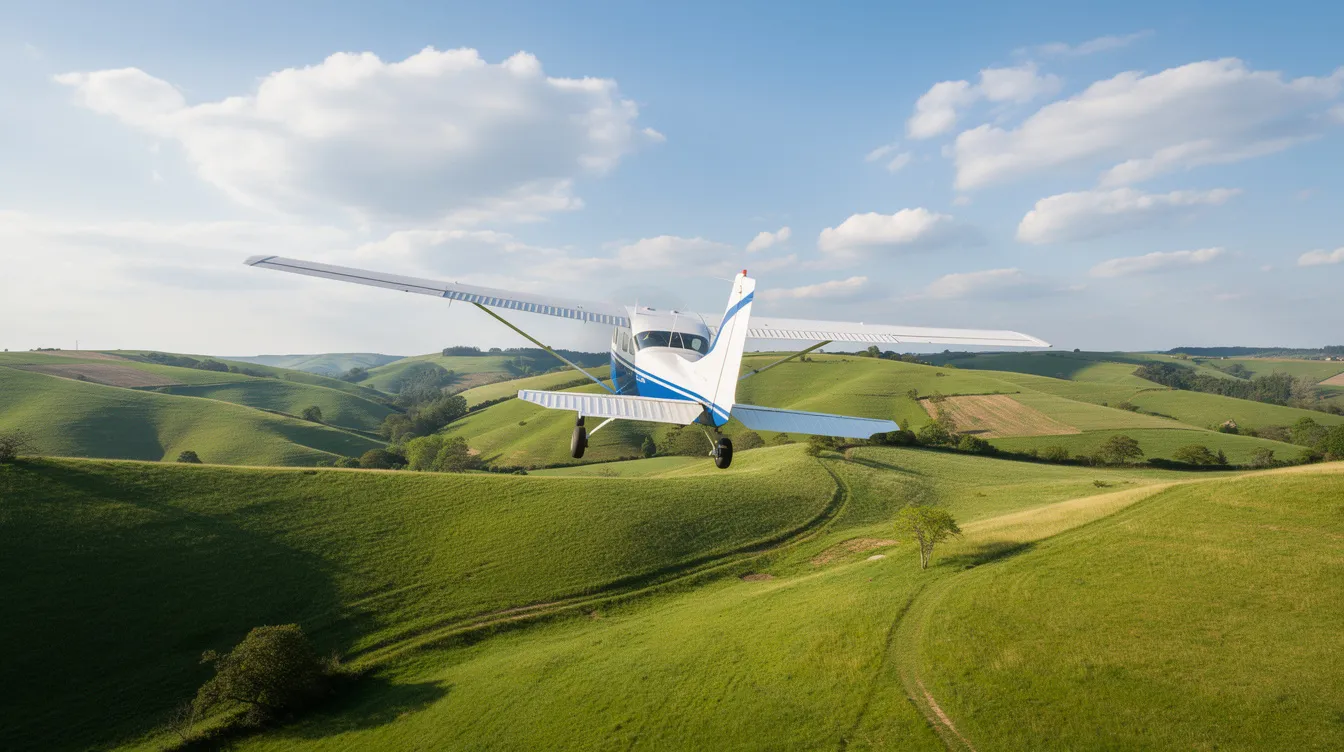
Single-engine planes typically cruise between 110 and 180 knots, with high-performance models exceeding 200 knots. Factors like aircraft type, altitude, and weight significantly influence actual speeds. Understanding cruise speed is crucial for effective trip planning and can often rival commercial airliners in total travel time.
Jay Franco Serevilla
Sep 7, 2026
|
5
min read


View all
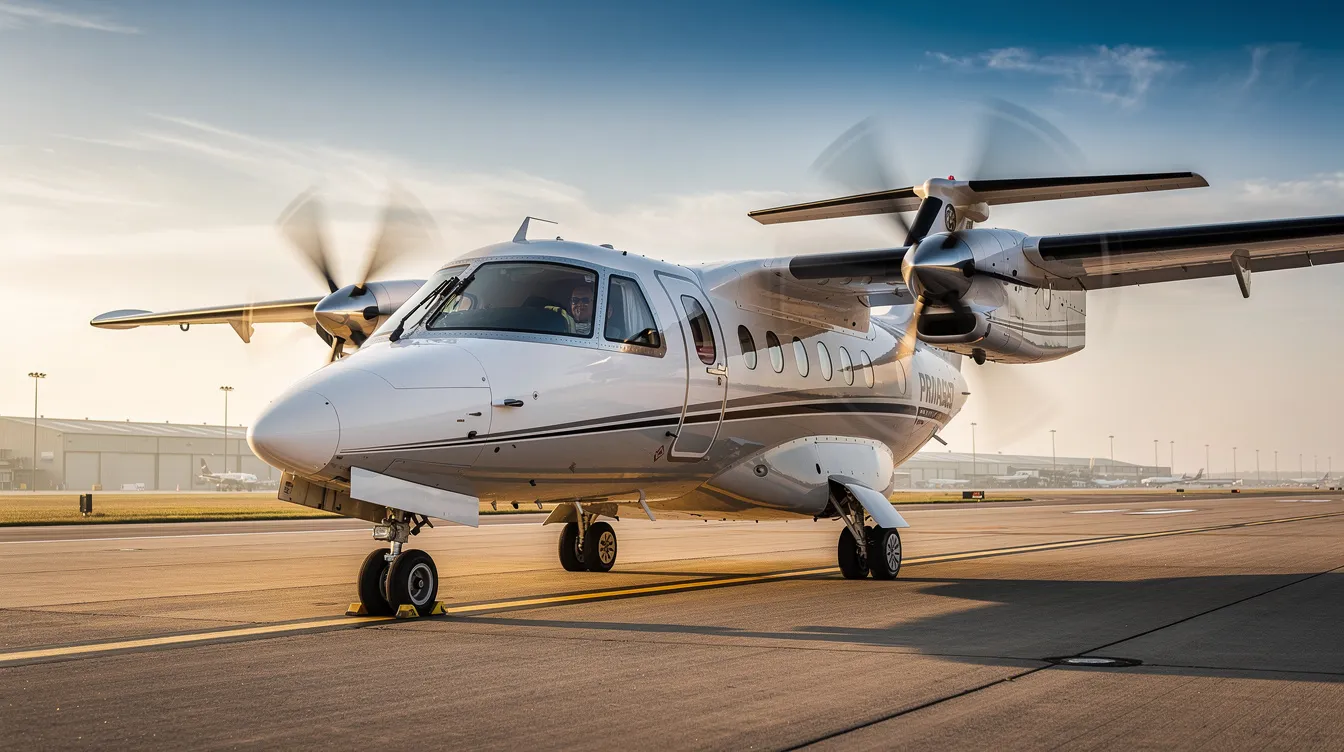
The Piaggio P180 Avanti is a high-speed turboprop aircraft that offers a unique blend of turboprop efficiency and jet-like performance, making it ideal for short to medium-range private travel. Charter pricing typically ranges from $2,000 to $2,500 per flight hour, with the aircraft accommodating 6 to 9 passengers in a spacious and quiet cabin. Its distinctive design allows for reduced drag and improved stability, enabling access to smaller airports and enhancing overall travel convenience. Jettly provides a streamlined platform for booking the Avanti and comparing charter options, ensuring travelers can easily find suitable flights tailored to their needs.
Jay Franco Serevilla
Jun 14, 2026
|
5
min read
View all
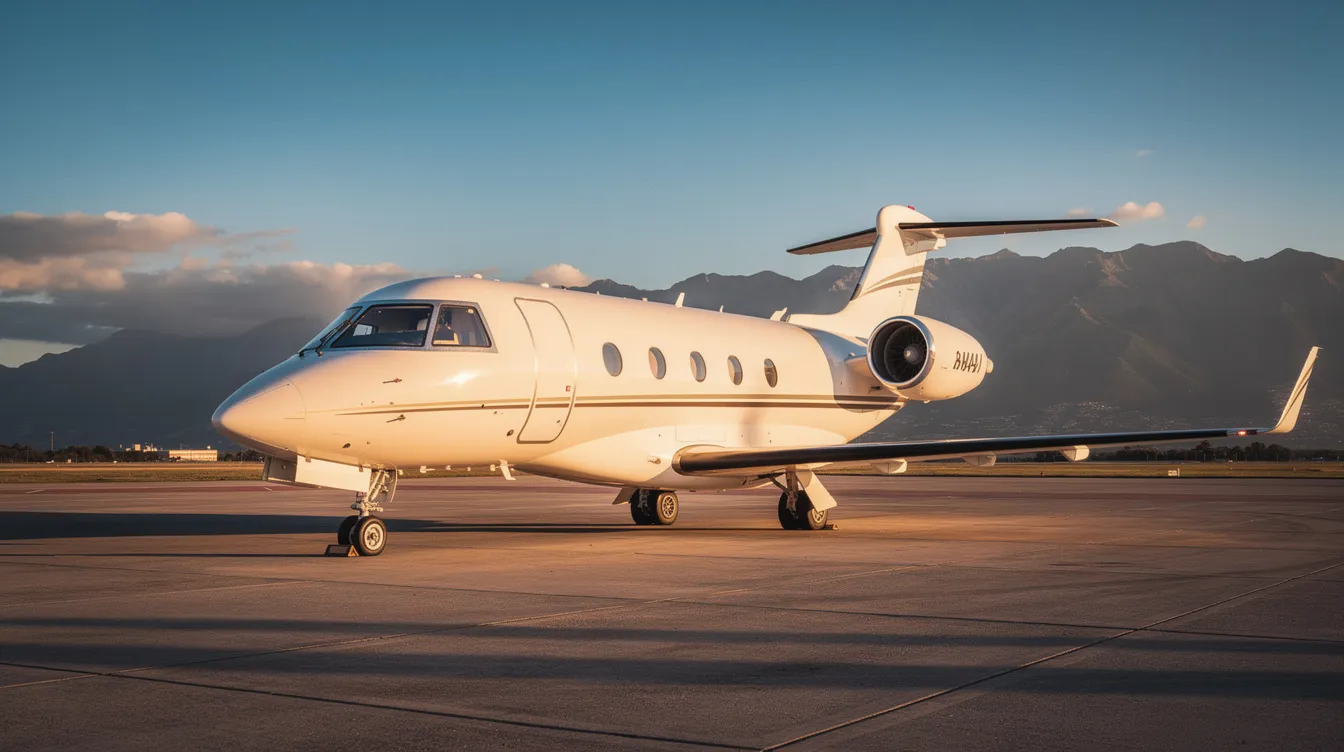
Jettly's charter plane cost calculator provides instant, route-specific estimates for private jet charters based on real market data, allowing users to compare prices across various aircraft categories without needing to call a broker. By inputting details like departure and arrival locations, travel dates, and passenger counts, users receive a price range that factors in flight distance, aircraft type, and applicable taxes. While the estimates are not binding quotes, they serve as a useful tool for assessing the cost-effectiveness of private jet travel compared to commercial options. For complex itineraries or last-minute flights, users are encouraged to consult Jettly's charter experts for personalized quotes and additional cost-saving strategies.
Jay Franco Serevilla
Jun 14, 2026
|
5
min read
View all
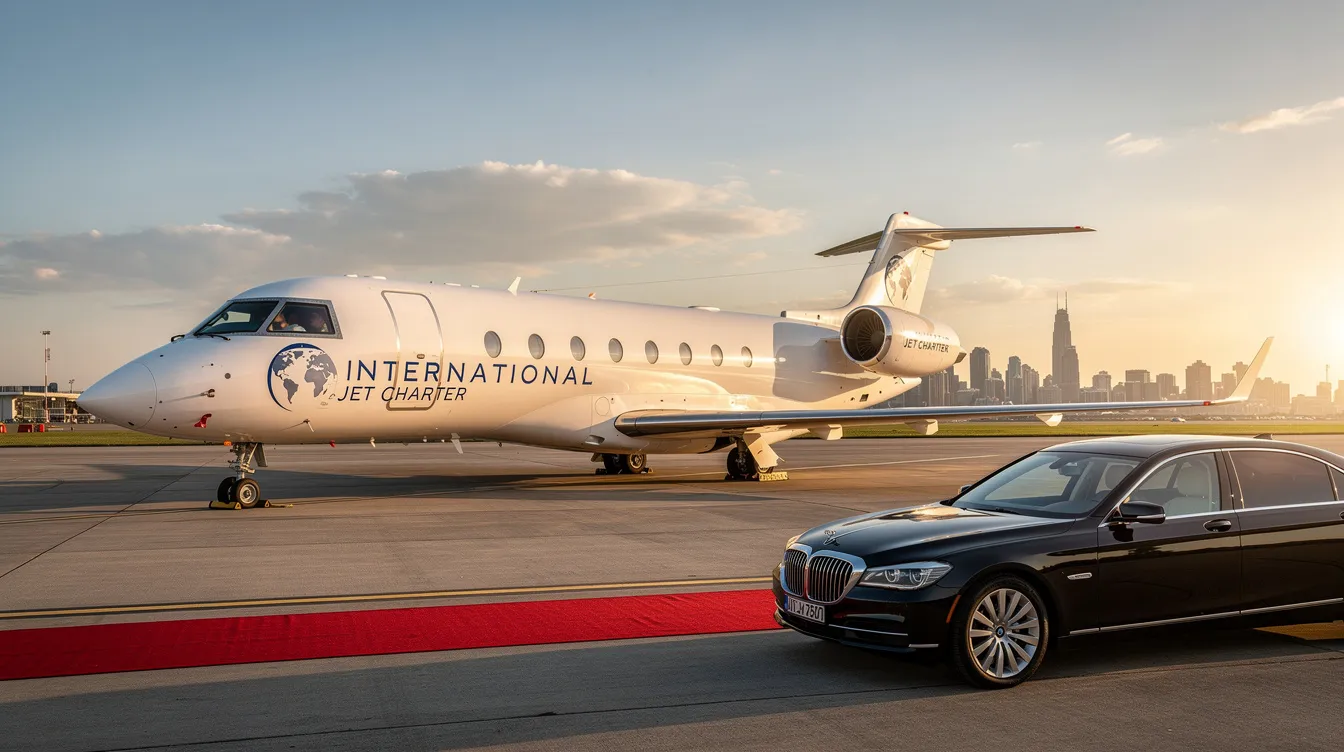
The guide outlines the workings of international jet charters in 2026, emphasizing their benefits for executives and frequent travelers seeking time savings and flexibility. Jettly, a digital marketplace, connects users to over 20,000 aircraft globally, facilitating private flights that require more planning than domestic travel due to customs and regulatory considerations. Key advantages include reduced ground time, direct airport access, and personalized service, making private jets a preferred choice over commercial airlines for cross-border trips. Travelers can easily compare options, pricing, and services through Jettly, ensuring informed decisions for their international travel needs.
Jay Franco Serevilla
Jun 14, 2026
|
5
min read

View all
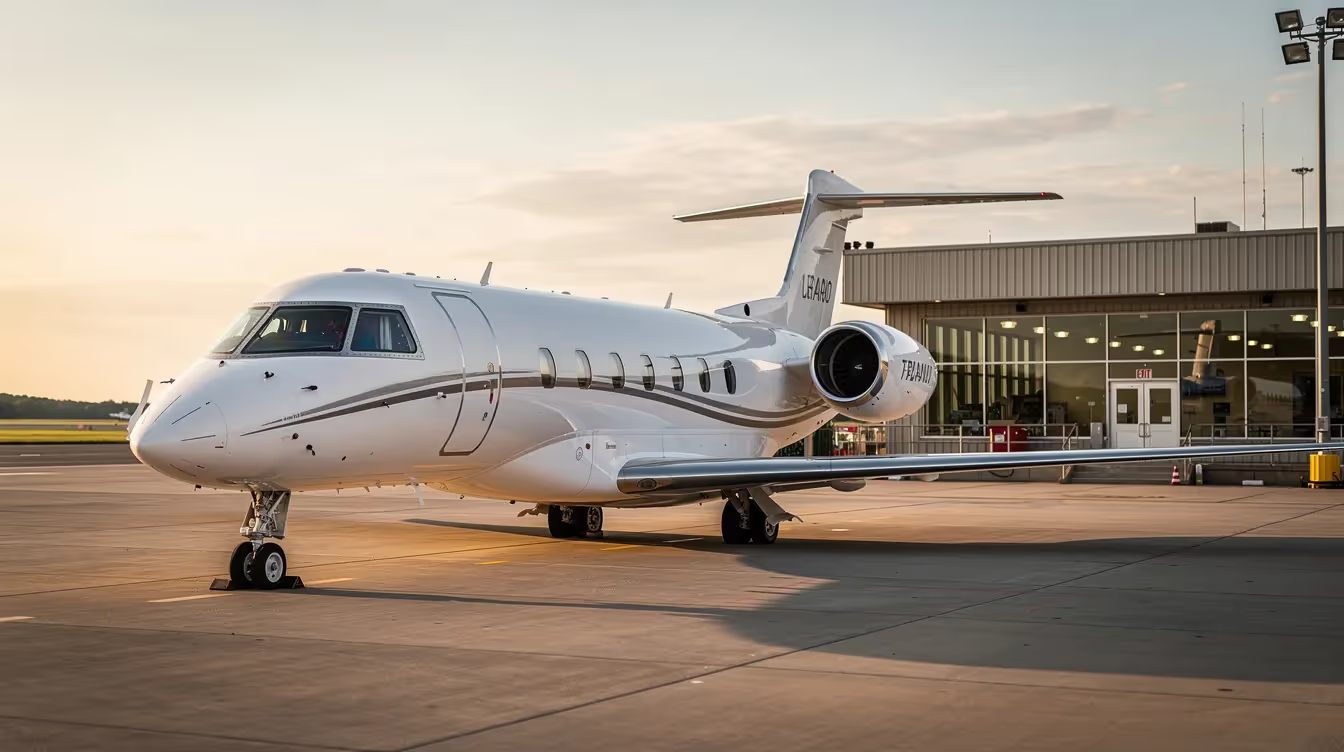
Jettly simplifies private air travel by offering an aircraft charter service that allows travelers to rent entire aircraft for customized trips, providing flexibility and convenience over commercial flights. With access to over 20,000 aircraft globally, Jettly's platform enables users to search, compare, and book flights easily, eliminating the hassles of traditional airport processes. Charter flights save time and enhance comfort, making them ideal for both business and leisure travel, while also allowing access to more airports than commercial airlines. Overall, Jettly offers a transparent and efficient way to experience private aviation tailored to individual needs.
Jay Franco Serevilla
May 31, 2026
|
5
min read

View all
Business jets are essential for modern corporate and private travel, offering flexibility, convenience, and efficiency by providing direct access to numerous airports worldwide. They cater to various travel needs, from short regional flights to long intercontinental journeys, while prioritizing privacy and productivity. Jettly simplifies the process of accessing over 20,000 business aircraft with transparent pricing and instant booking options, making it easier for travelers to choose the right aircraft based on their specific requirements. The business jet market is expected to evolve in the coming years, focusing on sustainability and enhanced connectivity.
Jay Franco Serevilla
May 31, 2026
|
5
min read
Explore our latest articles and updates.

5
min read
Airbus A340: Long-Range Four-Engine Icon for Long Haul Operations
The Airbus A340 is a long-range, four-engine commercial jet designed for intercontinental flights, known for its spacious cabins and reliability. Although largely replaced by more fuel-efficient twin-engine aircraft, it remains popular for charter services, VIP transport, and government missions. This guide explores the A340's variants, performance, and its evolving role in the aviation market.
Read More
5
min read
SkySouth Aviation: Private Charter and FBO Services in Burlington, NC
SkySouth Aviation is a premier private jet charter and full-service FBO located at Burlington Alamance Regional Airport in North Carolina. Since 2003, it has provided exceptional services including charter flights, medical missions, and comprehensive ground support, making it a convenient alternative to larger commercial airports. With a focus on safety, flexibility, and personalized service, SkySouth caters to both business and leisure travelers.
Read MoreJoin our community and receive the latest blog updates directly in your inbox.
MEMBERSHIPS AND ASSOCIATIONS



Disclaimer: Jettly operates as a charter broker, offering access to a global digital jet charter marketplace. Jettly is not a direct air carrier and does not own or operate aircraft. All advertised flights are conducted by third-party air carriers that are fully licensed and hold the appropriate Part 135 or Part 121 certifications issued by the Federal Aviation Administration (FAA) or equivalent regulatory authorities under U.S. or foreign law. Jettly complies fully with the U.S. Department of Transportation's Part 295 and Part 298 Charter Broker regulations. Jettly does not carry additional liability insurance. Passengers are covered by aircraft operator insurance. TICO: 50023770


