


Login
Get Instant Pricing On 23,000+ Aircraft

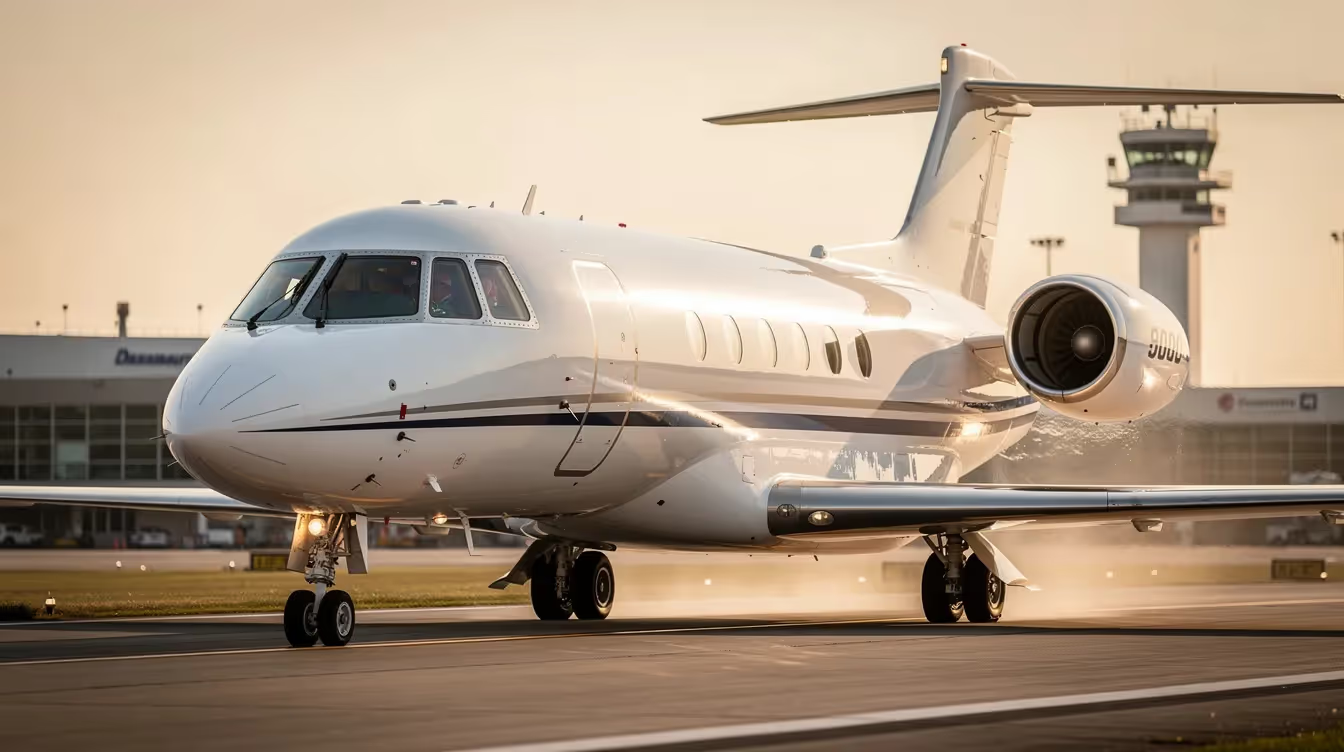
The Dassault Falcon 900C is a long-range, tri-engine business jet known for its spacious cabin and advanced avionics, offering a range of approximately 4,000 nautical miles. Developed as an upgrade to the Falcon 900B, it features enhanced Honeywell Primus 2000 avionics and can accommodate 10-12 passengers comfortably. With excellent short-runway capabilities and cruise speeds of Mach 0.80-0.84, it is well-suited for intercontinental travel. Jettly provides on-demand charter access to the Falcon 900C, allowing for flexible booking without long-term commitments.
Jay Franco Serevilla
Apr 18, 2026
|
5
min read


View all
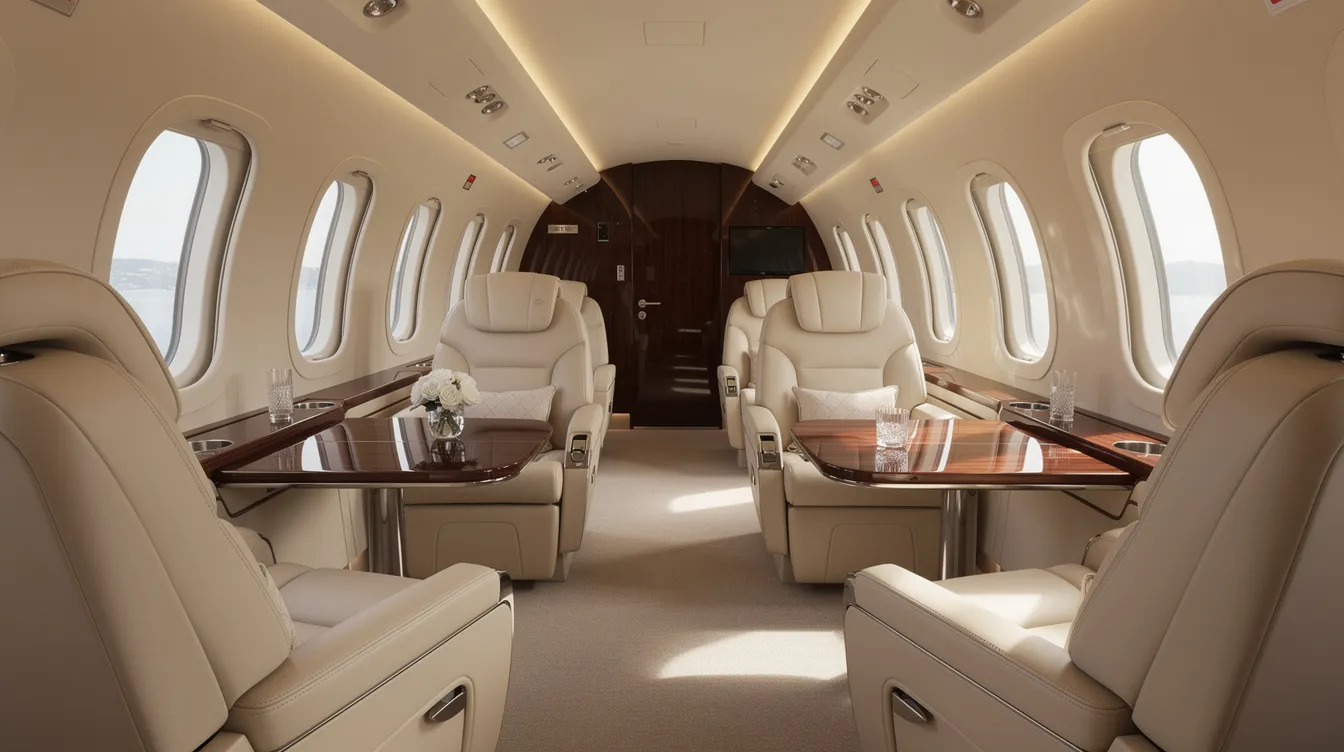
The luxury personal jet market is rapidly evolving, offering travelers access to high-end private aviation without the need for ownership. This comprehensive guide covers various categories of jets, from light jets to VIP airliners, and highlights key features, pricing, and the benefits of chartering through platforms like Jettly. Discover how to select the right aircraft for your mission and explore the future of luxury aviation.
Jay Franco Serevilla
Aug 27, 2026
|
5
min read
View all
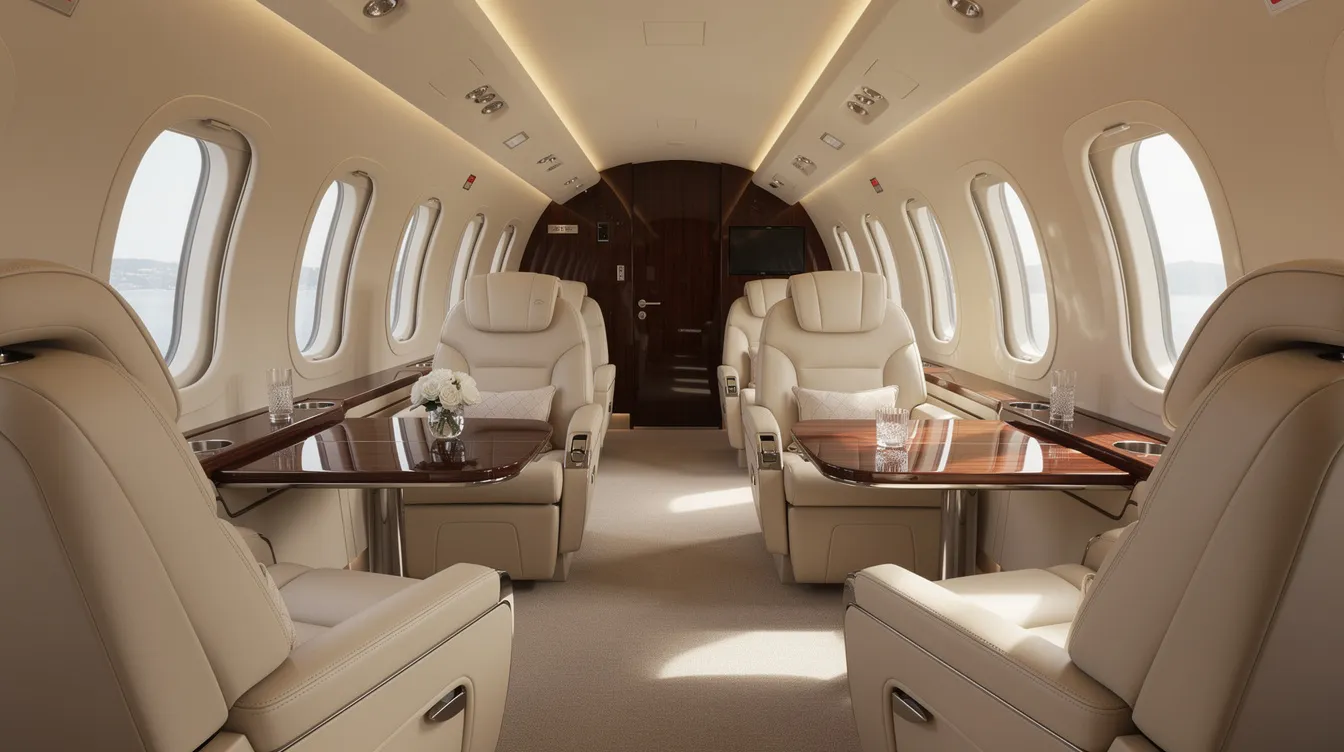
The luxury personal jet market is rapidly evolving, offering travelers access to high-end private aviation without the need for ownership. This comprehensive guide covers various categories of jets, from light jets to VIP airliners, and highlights key features, pricing, and the benefits of chartering through platforms like Jettly. Discover how to select the right aircraft for your mission and explore the future of luxury aviation.
Jay Franco Serevilla
Aug 26, 2026
|
5
min read

View all
Finding the cheapest flights relies on strategic timing rather than luck. This guide outlines optimal booking windows, the best days to fly, and how to leverage private jet options for savings. Understanding seasonal trends and setting price alerts can further enhance your chances of securing the best fares.
Jay Franco Serevilla
Aug 26, 2026
|
5
min read
View all
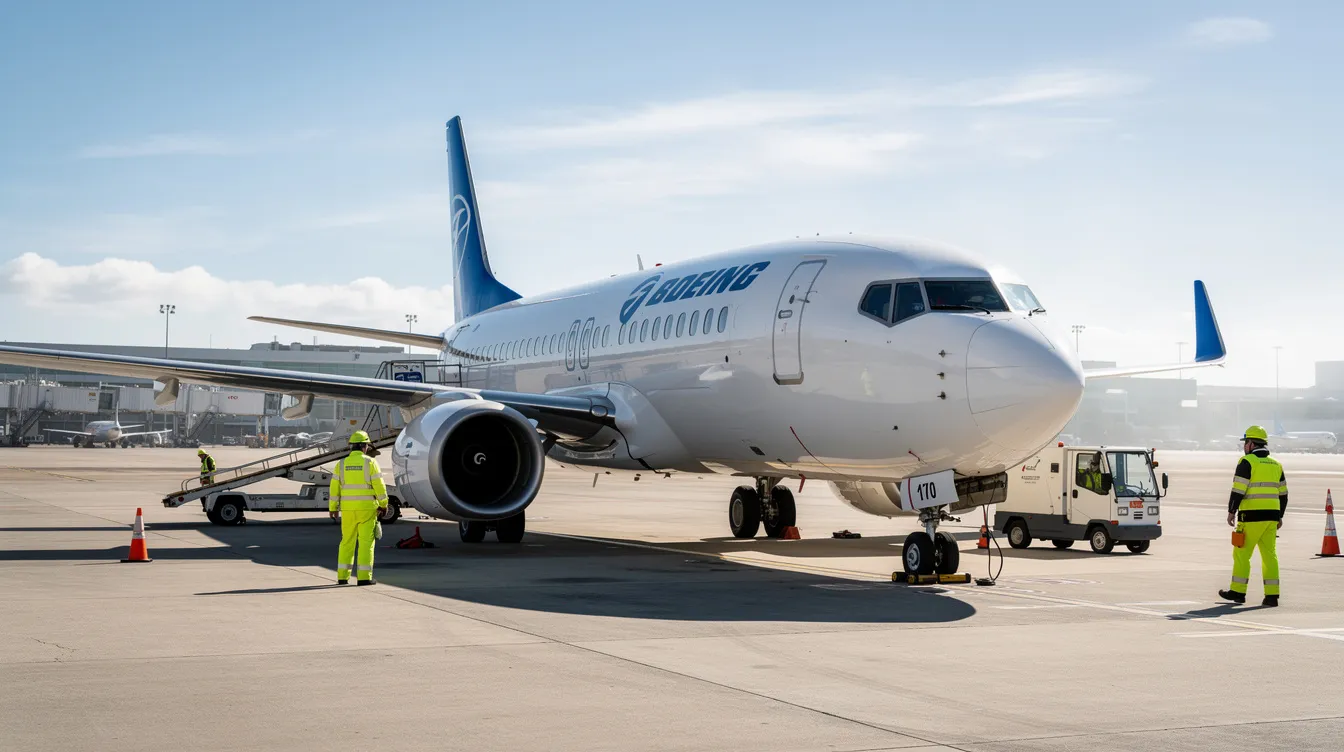
The Boeing 737 is the most-produced commercial jetliner, with a seating capacity ranging from 85 to 230 passengers depending on the variant and configuration. This guide explores the seating capacities of various 737 models, highlighting how cabin layouts and airline choices impact passenger comfort and efficiency. Understanding these factors is crucial for travelers and airline planners alike.
Jay Franco Serevilla
Aug 26, 2026
|
5
min read

View all
Empty leg flights from Phoenix provide an excellent opportunity for travelers to save significantly on private jet charters. These one-way repositioning flights often offer discounts of 25-75%, making them a cost-effective choice for both business and leisure travelers. With multiple airports and a variety of aircraft available, flexible travelers can take advantage of these deals for spontaneous trips.
Jay Franco Serevilla
Aug 26, 2026
|
5
min read

View all
Navigating the market for two-seat ultralights in 2026 can be complex, as many advertised models are actually light sport or experimental aircraft. Prices range from $12,000 for used models to over $150,000 for new ones, making it essential for buyers to understand the classifications and specifications. This guide offers insights into pricing, regulatory requirements, and key considerations for prospective buyers.
Jay Franco Serevilla
Aug 26, 2026
|
5
min read
Explore our latest articles and updates.

5
min read
Private Plane Flight Times: How Long Your Charter Really Takes
Private plane flight times are significantly shorter than commercial travel, influenced by factors like distance, aircraft type, and weather conditions. Understanding these variables is crucial for efficient scheduling and cost management, especially for corporate travelers and families. Jettly offers tools to provide accurate flight time estimates, enhancing the private flying experience.
Read More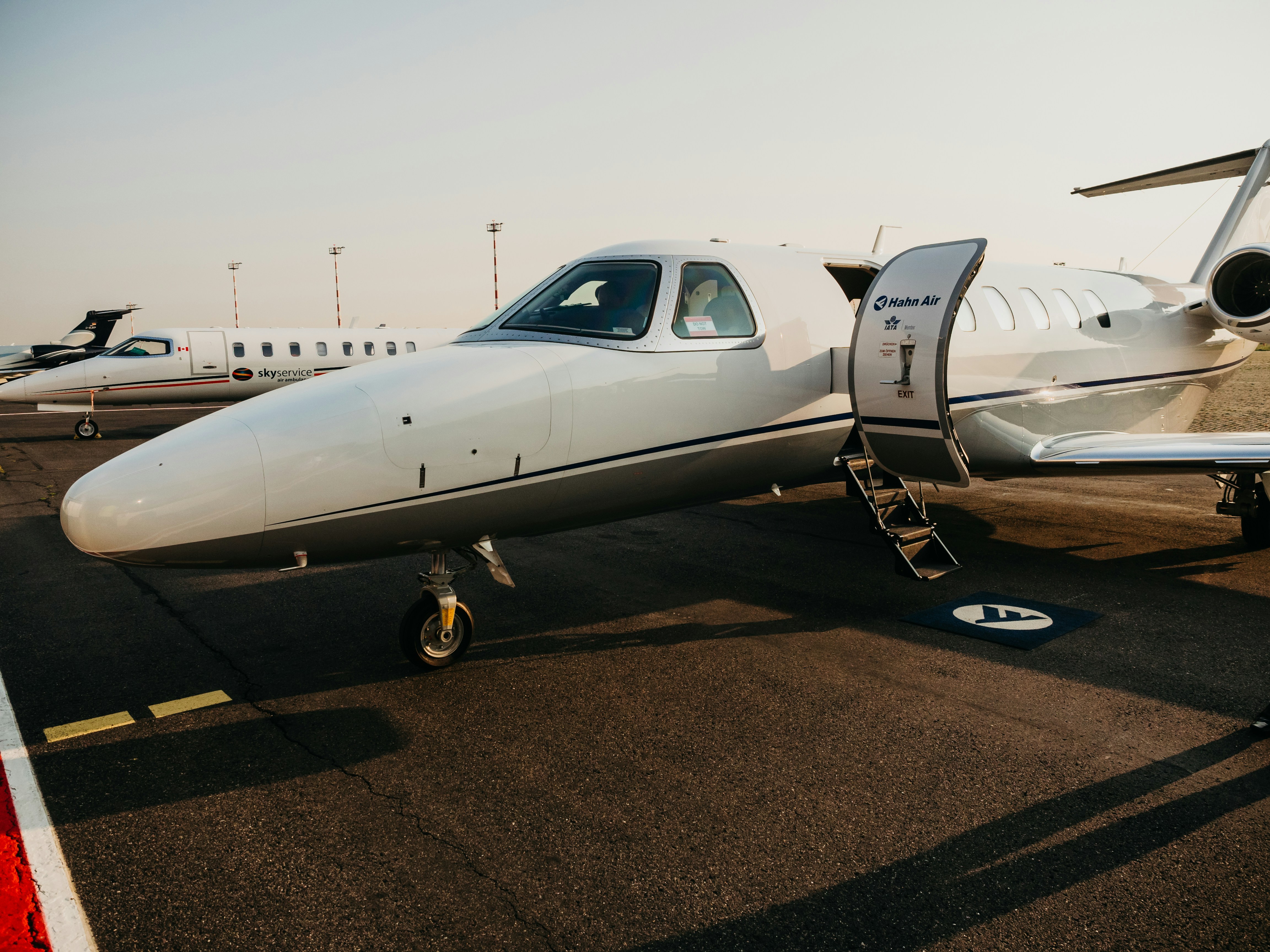
5
min read
Private Jet Cost Comparison: Light Jets vs. Heavy Jets
This article compares the costs of light jets and heavy jets for private travel, highlighting key factors such as hourly rates, passenger capacity, and trip efficiency. Light jets are more cost-effective for shorter domestic flights with smaller groups, while heavy jets excel in long-range travel and larger passenger capacities. Understanding these differences can help travelers make informed decisions based on their specific needs and budgets.
Read MoreJoin our community and receive the latest blog updates directly in your inbox.
MEMBERSHIPS AND ASSOCIATIONS



Disclaimer: Jettly operates as a charter broker, offering access to a global digital jet charter marketplace. Jettly is not a direct air carrier and does not own or operate aircraft. All advertised flights are conducted by third-party air carriers that are fully licensed and hold the appropriate Part 135 or Part 121 certifications issued by the Federal Aviation Administration (FAA) or equivalent regulatory authorities under U.S. or foreign law. Jettly complies fully with the U.S. Department of Transportation's Part 295 and Part 298 Charter Broker regulations. Jettly does not carry additional liability insurance. Passengers are covered by aircraft operator insurance. TICO: 50023770


