


Login
Get Instant Pricing On 23,000+ Aircraft


Private plane flight times are significantly shorter than commercial travel, influenced by factors like distance, aircraft type, and weather conditions. Understanding these variables is crucial for efficient scheduling and cost management, especially for corporate travelers and families. Jettly offers tools to provide accurate flight time estimates, enhancing the private flying experience.
Jeff Ryan Serevilla
Sep 8, 2026
|
5
min read



View all
OPI My Private Jet is a cult-favorite nail polish that embodies luxury travel with its deep charcoal-brown base and holographic shimmer. Perfect for frequent flyers, this shade complements private jet interiors and offers options in both classic lacquer and gel formulas for long-lasting wear. Discover how to achieve a flawless manicure and plan your beauty routine around private jet travel with Jettly.
Jay Franco Serevilla
Aug 16, 2026
|
5
min read
View all
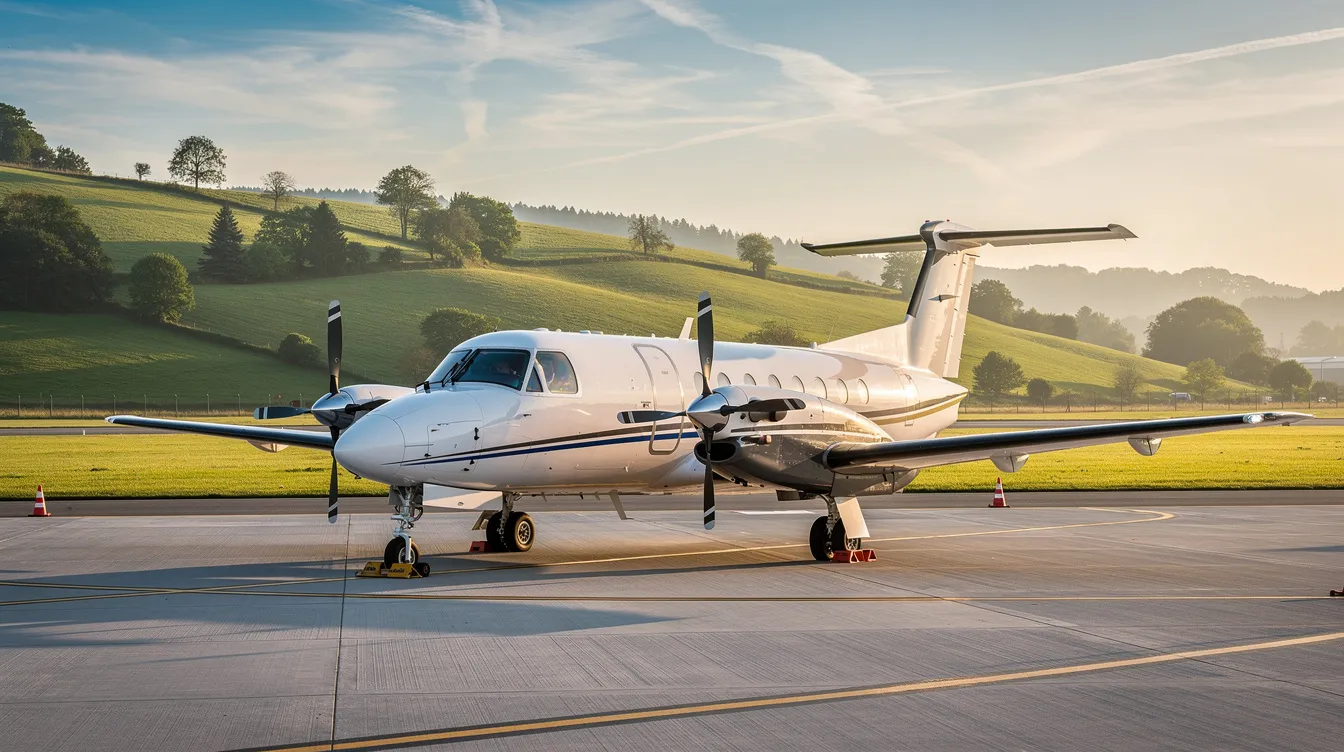
Custer County Airport (CUT / KCUT) is a public airport in South Dakota, serving as a low-congestion gateway to the Black Hills and nearby attractions. With a 5,500-foot runway and 24-hour fuel service, it caters to private flyers and charter travelers, offering a convenient alternative to commercial airports. Jettly simplifies the booking process for private flights, ensuring a seamless travel experience.
Jay Franco Serevilla
Aug 15, 2026
|
5
min read

View all
Quillayute Airport (UIL) is a historic public-use general aviation airport located in Clallam County, Washington, with roots as a WWII naval air station. It serves as a critical access point for the Olympic Peninsula, supporting both general aviation and emergency operations, while offering private charter travelers a convenient alternative to commercial flights.
Jay Franco Serevilla
Aug 15, 2026
|
5
min read

View all
Hastings Municipal Airport (HSI) in Nebraska is a public-use airport primarily serving private general aviation and charter flights. With two concrete runways and modern facilities, it offers a convenient alternative to larger commercial airports for business and leisure travelers. Managed by the City of Hastings, the airport supports a variety of aircraft and provides essential services for pilots and passengers alike.
Jay Franco Serevilla
Aug 15, 2026
|
5
min read

View all
Cottage Grove State Airport (61S), also known as Jim Wright Field, is a public general aviation airport located in Lane County, Oregon. It features a 3,188-foot runway and serves private pilots and charter flights, offering essential services and nearby attractions for travelers. This guide provides insights into the airport's operations, facilities, and local highlights for a seamless flying experience.
Jay Franco Serevilla
Aug 15, 2026
|
5
min read

View all
Rolla National Airport (VIH) is a key general aviation hub in south-central Missouri, offering private flyers a convenient alternative to larger airports. With two 5,500-foot runways and modern facilities, it supports a range of aircraft for business and leisure travel. Jettly's platform allows easy charter access, making it ideal for quick, flexible trips.
Jay Franco Serevilla
Aug 15, 2026
|
5
min read
Explore our latest articles and updates.
5
min read
Best Small Jet Aircraft: Top Light Jets and Very Light Jets for Charter in 2026
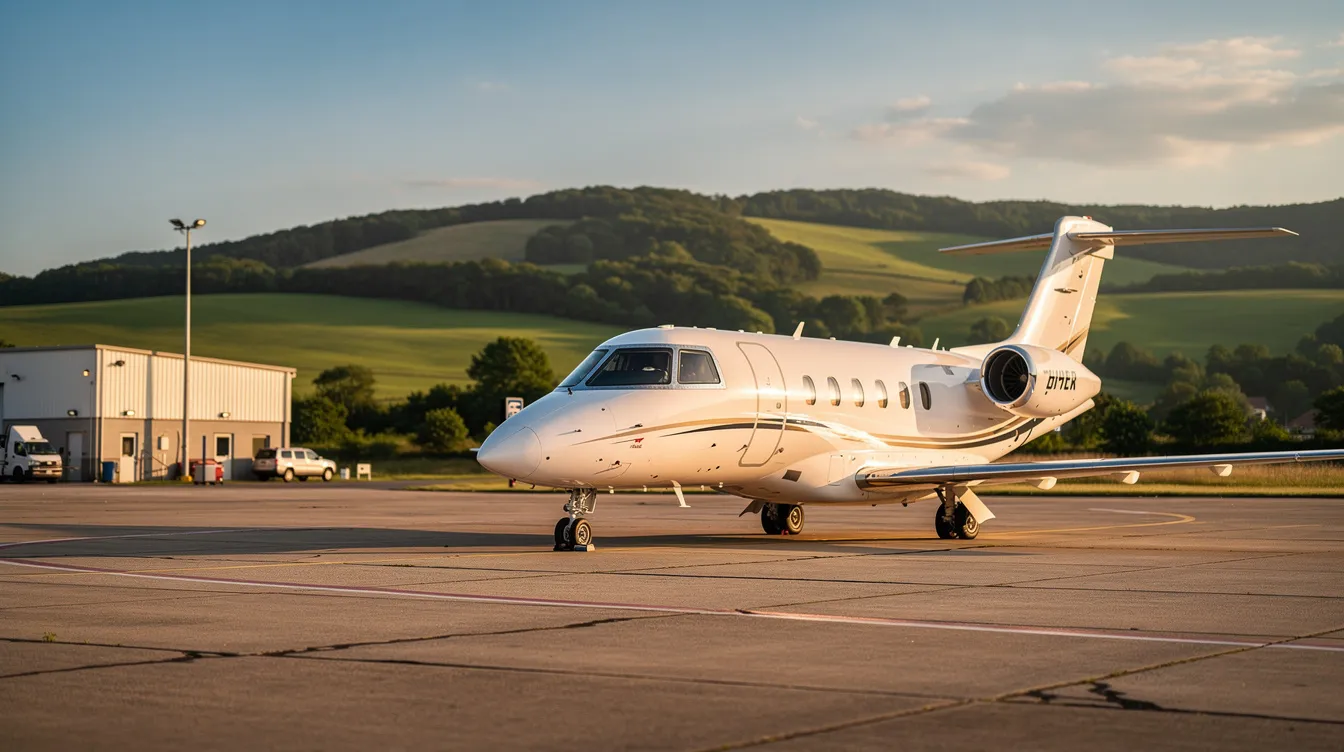
Discover the best small jet aircraft for charter in 2026, including top models like the Cirrus Vision Jet and HondaJet Elite II. This guide highlights their specifications, advantages, and how they cater to various travel needs, making them ideal for both business and leisure trips. With Jettly's digital platform, booking these jets is easier than ever.
Read More
5
min read
Personal Ultralight Aircraft: How They Fit Into a Private Jet Traveler's Life in 2026
Personal ultralight aircraft provide a unique flying experience for aviation enthusiasts, allowing for low-cost, hands-on flight without the regulatory burdens of traditional aircraft. In 2026, these single-seat machines complement private jet travel by offering local recreational flying while chartered jets handle time-sensitive trips. This guide explores the integration of ultralights into modern travel lifestyles, covering regulations, costs, and popular models.
Read MoreJoin our community and receive the latest blog updates directly in your inbox.
MEMBERSHIPS AND ASSOCIATIONS



Disclaimer: Jettly operates as a charter broker, offering access to a global digital jet charter marketplace. Jettly is not a direct air carrier and does not own or operate aircraft. All advertised flights are conducted by third-party air carriers that are fully licensed and hold the appropriate Part 135 or Part 121 certifications issued by the Federal Aviation Administration (FAA) or equivalent regulatory authorities under U.S. or foreign law. Jettly complies fully with the U.S. Department of Transportation's Part 295 and Part 298 Charter Broker regulations. Jettly does not carry additional liability insurance. Passengers are covered by aircraft operator insurance. TICO: 50023770


