


Login
Get Instant Pricing On 23,000+ Aircraft


Late August to early September triggers a surge in private aviation as summer travel ends, corporate travel resumes, and families transport students to major universities. Key hubs like Teterboro Airport (KTEB) and Dallas Love Field (KDAL) experience significant congestion, tight landing slots, and higher rates. To navigate these seasonal bottlenecks, charter operators must plan logistics and crew schedules in advance to accommodate flyer demand and ensure seamless travel.
Roz C
Sep 3, 2026
|
5
min read


View all
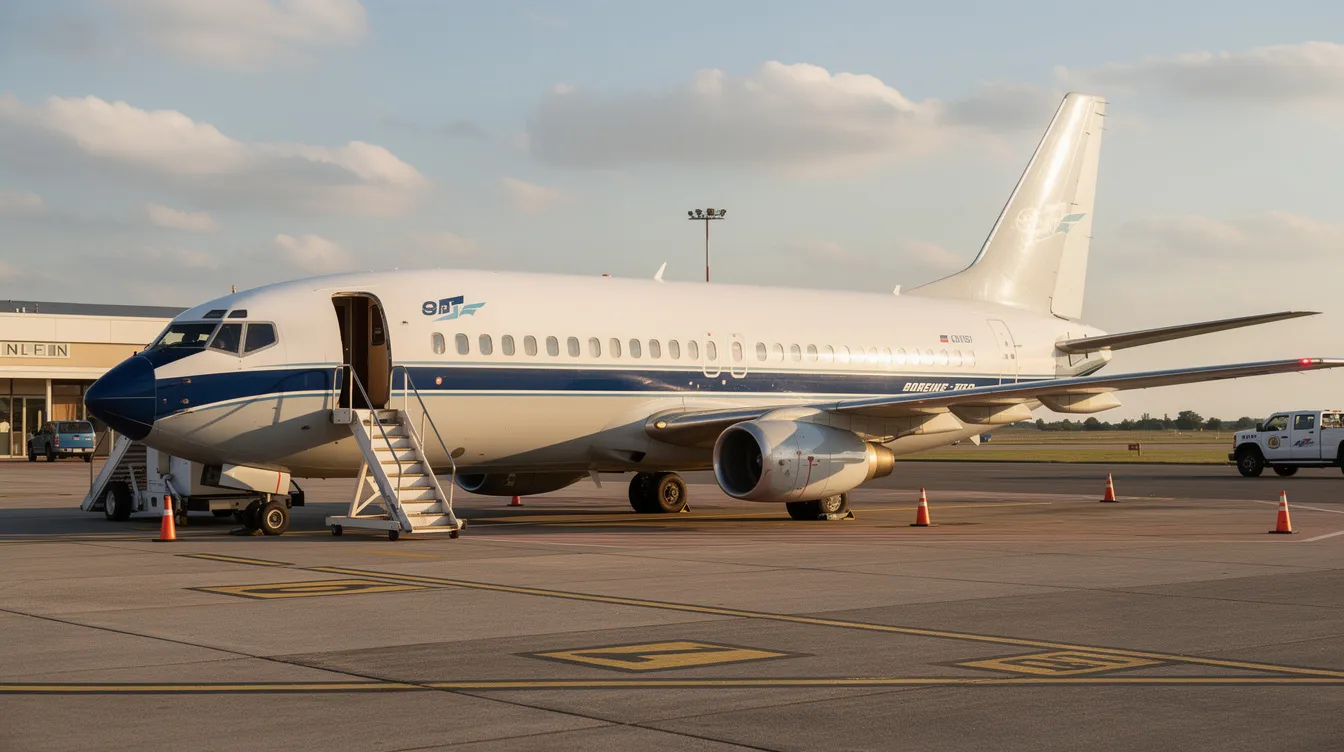
The Boeing 737-200, introduced in 1968, is a rugged twinjet designed for short and medium-haul routes, accommodating 100 to 136 passengers. Despite its high fuel consumption, it remains relevant in niche roles such as cargo and private charters, particularly in remote areas. This guide explores its history, features, and operational capabilities, highlighting its unique advantages in today's aviation landscape.
Jay Franco Serevilla
Aug 9, 2026
|
5
min read
View all
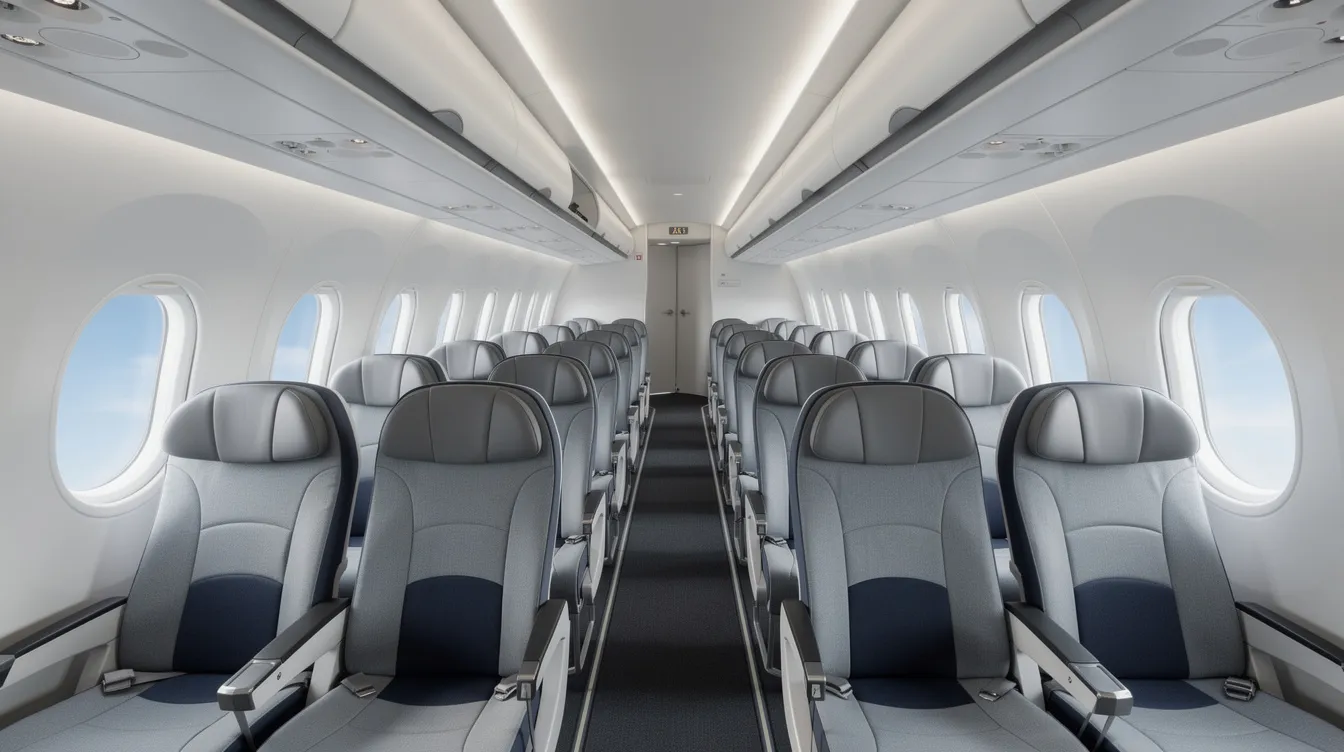
The Boeing 787-8 seat map is essential for travelers seeking comfort on long flights. This guide details cabin layouts, best seat selections, and features like power outlets and Wi-Fi. It also compares commercial flying with private jet charters for those desiring more privacy and flexibility.
Jay Franco Serevilla
Aug 9, 2026
|
5
min read
View all
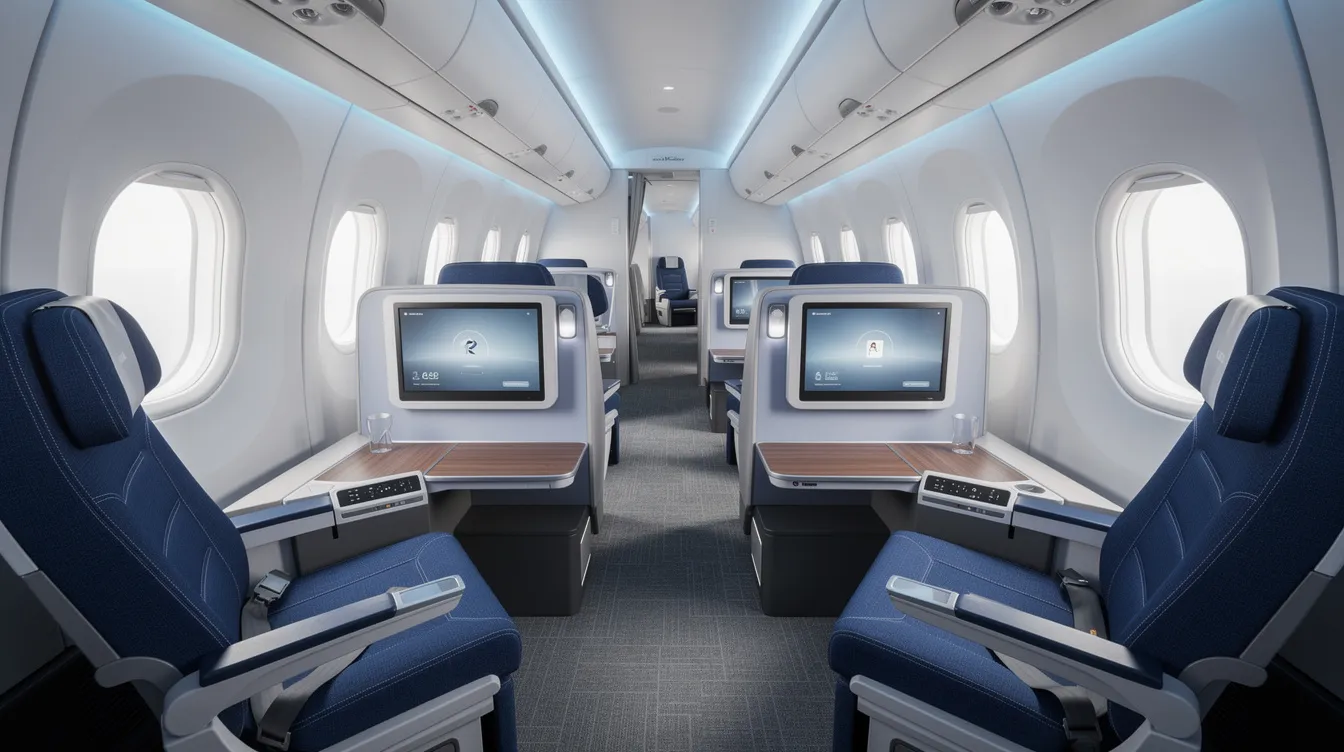
American Airlines Premium Economy on the Boeing 787 offers travelers enhanced comfort with a spacious 2-3-2 layout, upgraded meals, and advanced inflight entertainment. While it provides a significant upgrade over standard economy, it lacks some features of business class, such as lounge access and lie-flat seats. For those seeking privacy and flexibility, private jet charter may be a better option.
Jay Franco Serevilla
Aug 9, 2026
|
5
min read
View all
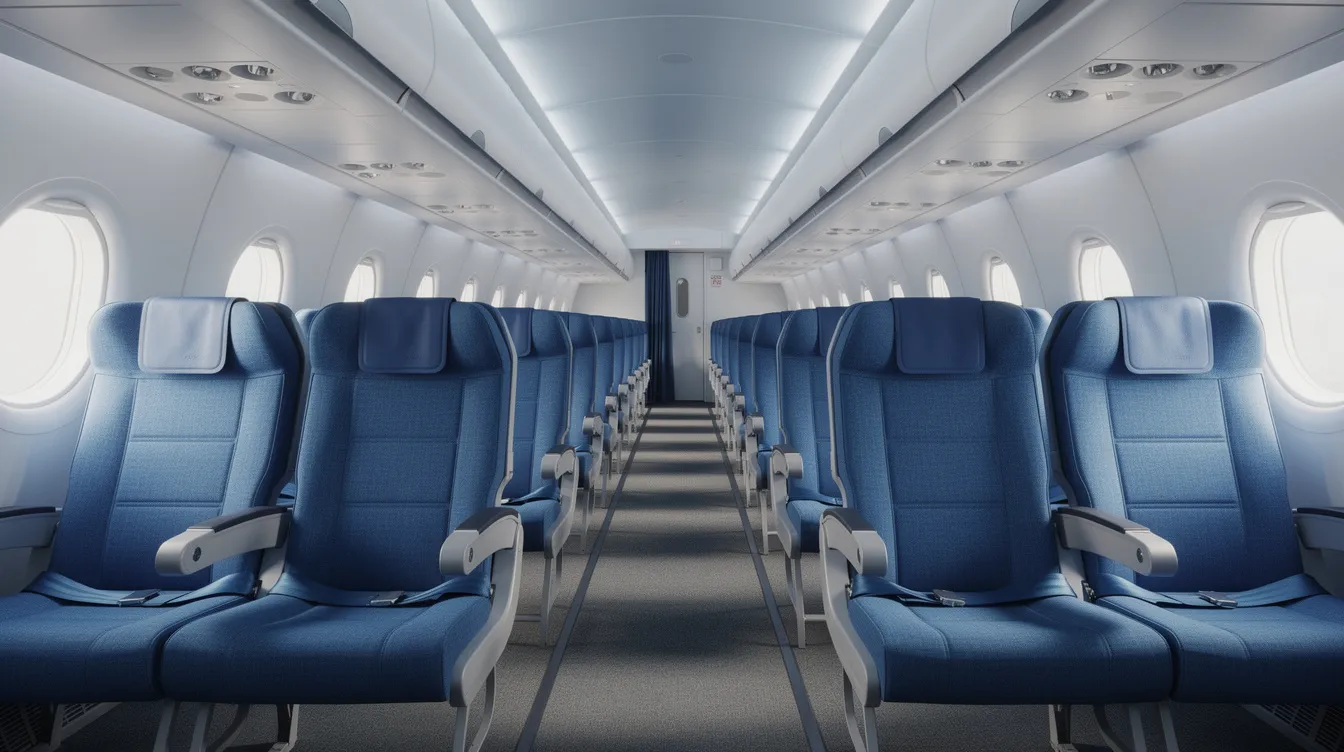
The Delta Boeing 737-800 is a popular aircraft for domestic flights, featuring a three-class cabin layout with modern amenities. This guide covers seat selection strategies, comfort levels, and how the experience compares to private jet charters. For travelers seeking privacy and flexibility, private options through Jettly may offer a compelling alternative.
Jay Franco Serevilla
Aug 9, 2026
|
5
min read
View all
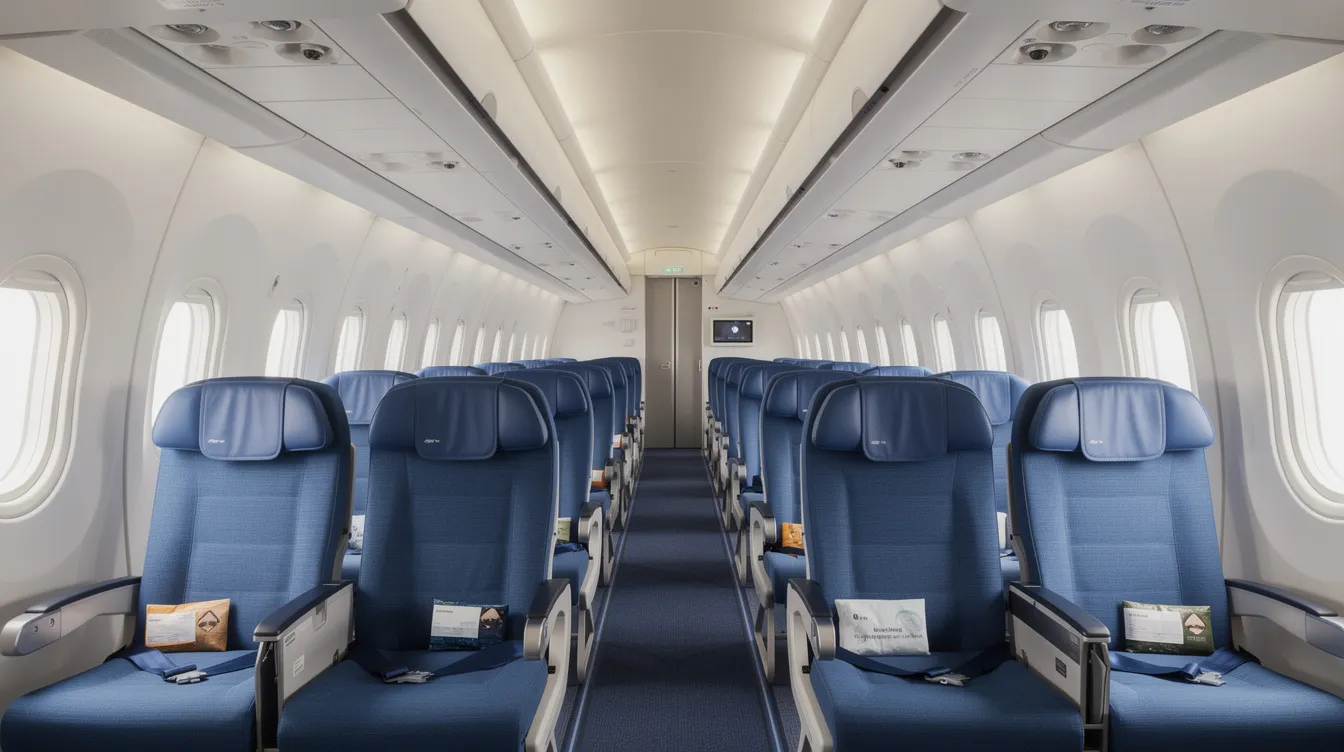
The Southwest Boeing 737-700 is a popular narrowbody aircraft used for domestic flights, featuring a single-cabin layout with 143 economy seats. This guide covers seat types, layout, comfort, and how it compares to private jet charters, helping travelers make informed choices for their next flight. Understanding the nuances of the 737-700 can enhance your travel experience, whether you opt for economy seating or consider private travel alternatives.
Jay Franco Serevilla
Aug 9, 2026
|
5
min read
View all
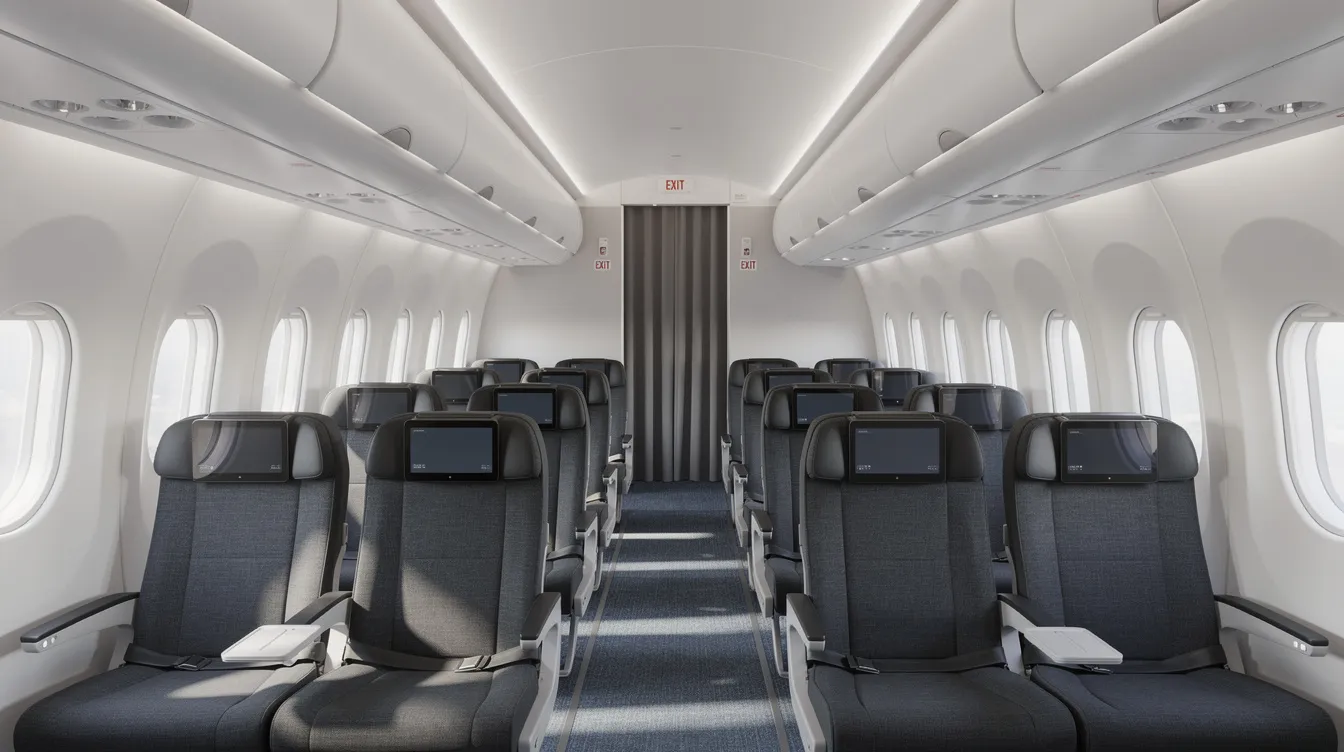
The American Airlines 787-8 offers a diverse seating arrangement across three cabins, catering to various passenger needs. This guide details the seat map, highlights the best seats, and compares the commercial experience to private jet travel with Jettly. Discover how to optimize your long-haul flight experience or explore private charter options for greater flexibility and comfort.
Jay Franco Serevilla
Aug 9, 2026
|
5
min read
Explore our latest articles and updates.
5
min read
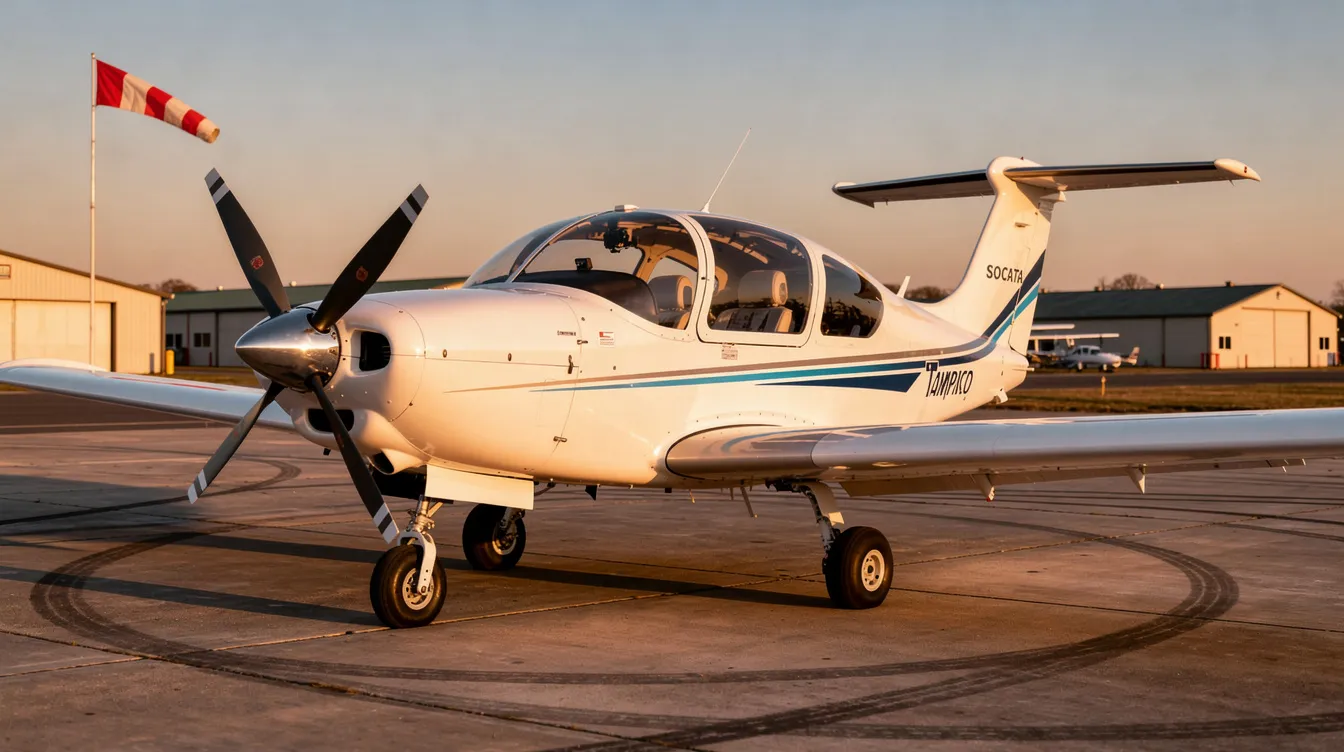
SOCATA TB 9 Tampico: History, Design, Performance & Charter Use
The SOCATA TB 9 Tampico is a versatile single-engine aircraft known for its stable handling and comfortable cabin, making it a popular choice for flight training and light touring since the 1980s. While it remains a reliable option for aspiring pilots, modern charter services like Jettly now offer faster and more efficient alternatives for similar missions.
Read More
5
min read
Greener Airlines: How Aviation Is Cutting Carbon and How Jettly Helps You Fly Greener
The aviation industry is responsible for 2-3% of global CO₂ emissions, but airlines are adopting greener practices to achieve net-zero emissions by 2050. This guide highlights how travelers can reduce their carbon footprint through sustainable aviation fuels, efficient aircraft, and platforms like Jettly that facilitate greener flying options. By making informed choices, frequent flyers can significantly impact the industry's environmental footprint.
Read MoreJoin our community and receive the latest blog updates directly in your inbox.
MEMBERSHIPS AND ASSOCIATIONS



Disclaimer: Jettly operates as a charter broker, offering access to a global digital jet charter marketplace. Jettly is not a direct air carrier and does not own or operate aircraft. All advertised flights are conducted by third-party air carriers that are fully licensed and hold the appropriate Part 135 or Part 121 certifications issued by the Federal Aviation Administration (FAA) or equivalent regulatory authorities under U.S. or foreign law. Jettly complies fully with the U.S. Department of Transportation's Part 295 and Part 298 Charter Broker regulations. Jettly does not carry additional liability insurance. Passengers are covered by aircraft operator insurance. TICO: 50023770


