


Login
Get Instant Pricing On 23,000+ Aircraft


Business aviation revolutionizes corporate travel by providing unmatched flexibility, privacy, and efficiency. With access to over 5,000 airports and the ability to book on-demand, it enhances productivity and reduces travel time significantly. Platforms like Jettly simplify the process, making private jet travel accessible and cost-effective for businesses.
Jeff Ryan Serevilla
Sep 27, 2026
|
5
min read


View all
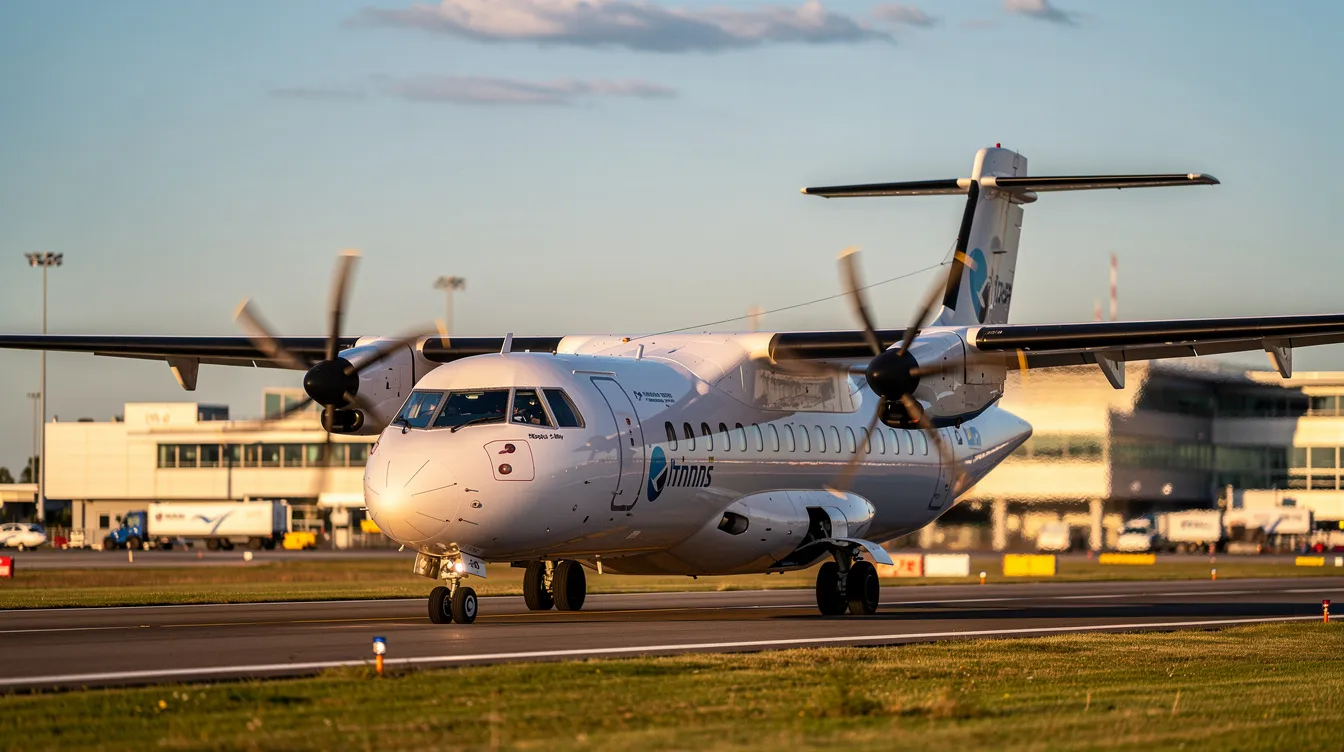
The ATR 42-500 is a high-performance regional turboprop airliner designed for short-haul routes, accommodating 42 to 48 passengers. It offers a practical solution for private charters, balancing efficiency and operating costs while accessing airports that many jets cannot reach. This guide explores its specifications, cabin experience, and how to book through Jettly.
Jay Franco Serevilla
Aug 26, 2026
|
5
min read
View all
The ATR 72-201 and ATR 72-202 are efficient turboprop aircraft designed for regional group charters, accommodating 66 to 72 passengers. With their reliable Pratt & Whitney engines and versatile landing gear, they excel in short- to medium-haul operations. Ideal for corporate shuttles, sports teams, and tour operators, these aircraft offer cost-effective alternatives to larger jets.
Jay Franco Serevilla
Aug 24, 2026
|
5
min read
View all
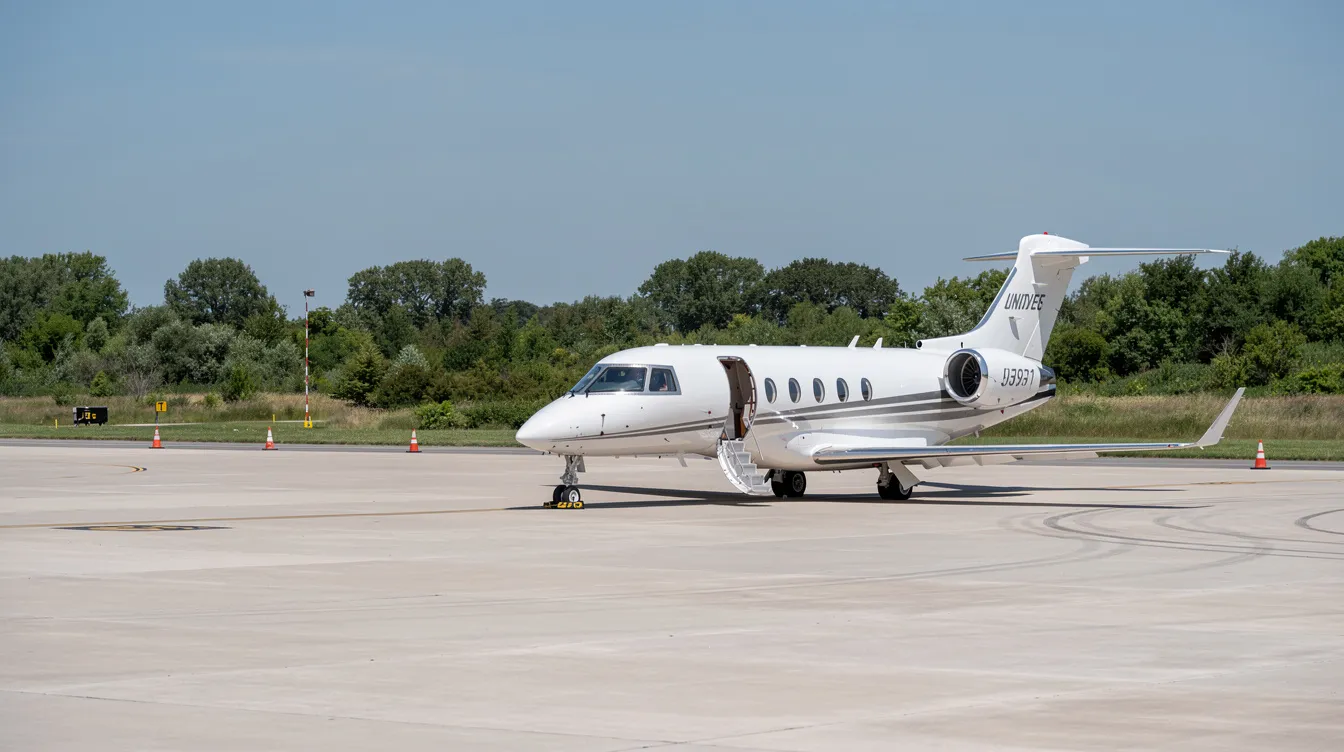
Stebbins Aviation Inc, based at East Texas Regional Airport, has been providing charter services since 1987, specializing in Cessna Citation jets for short-haul flights. While it offers reliable local options, Jettly's digital marketplace provides access to a broader range of aircraft and instant pricing, making it a valuable resource for travelers with diverse needs.
Jay Franco Serevilla
Aug 24, 2026
|
5
min read

View all
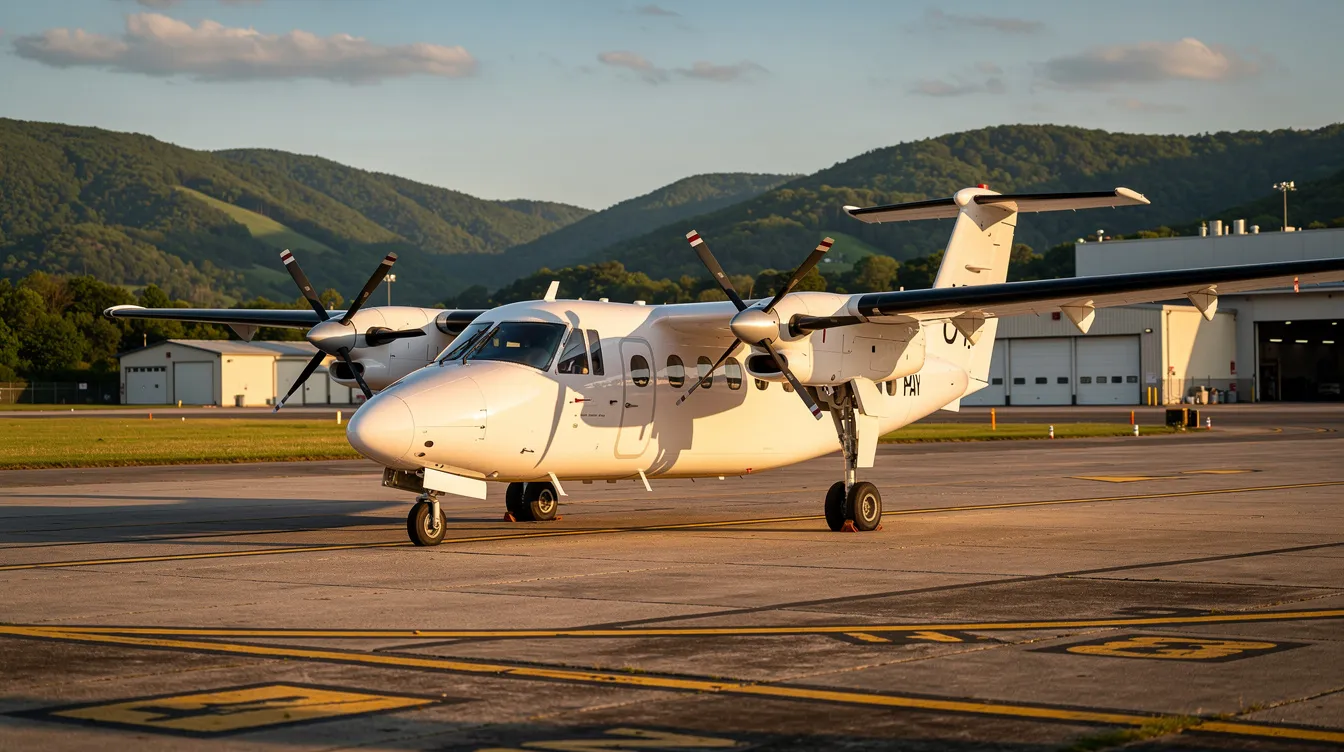
The Vulcanair P68 is a versatile twin-engine aircraft designed for various missions, including private charter and surveillance. With its ability to operate from short runways and efficient cruising speeds, it serves a wide range of operators globally. This guide provides insights into the P68's features, variants, and how to book through Jettly's charter marketplace.
Jay Franco Serevilla
Aug 24, 2026
|
5
min read
View all
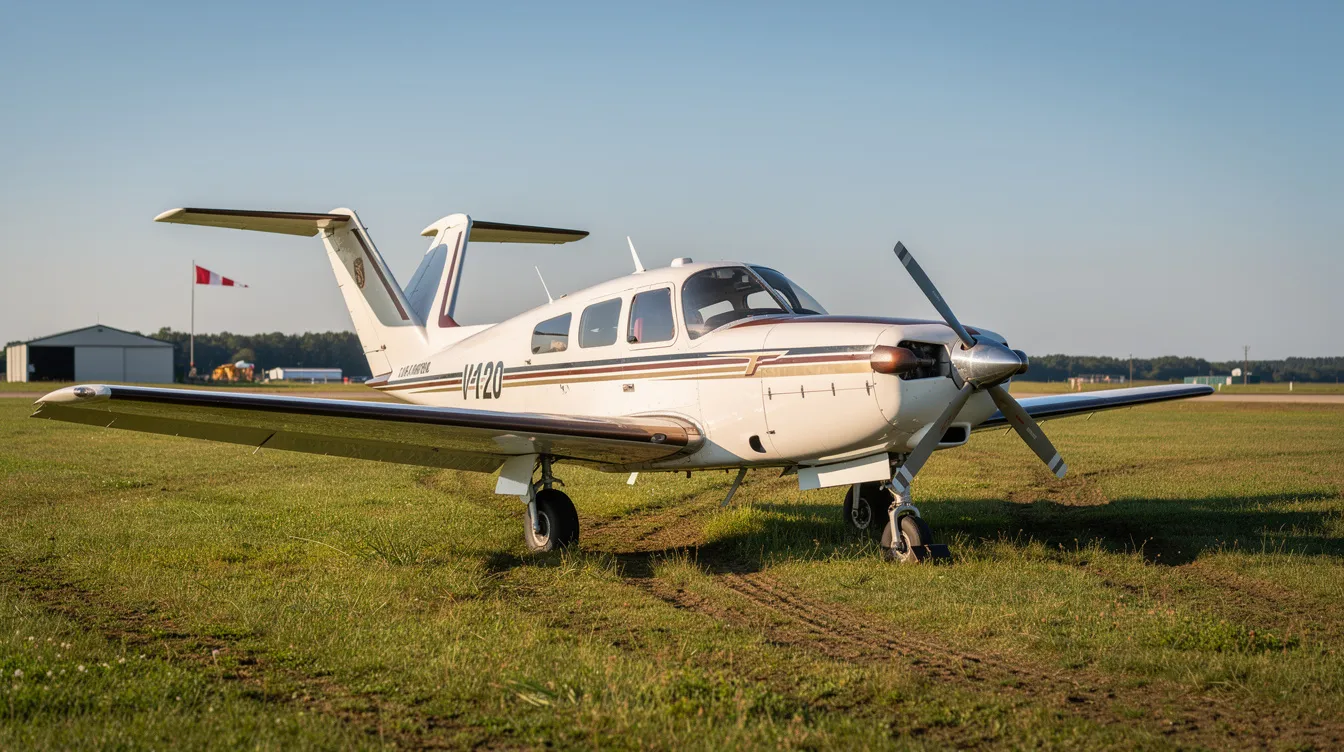
N5616S is a 1966 Beech V35 Bonanza, a single-engine aircraft ideal for personal and regional travel but not available for charter. This page provides detailed information on its registration, performance, and charter alternatives through Jettly for those seeking similar travel experiences.
Jay Franco Serevilla
Aug 24, 2026
|
5
min read
View all
Stebbins Aviation Inc, based at East Texas Regional Airport, has been providing charter services since 1987, specializing in Cessna Citation jets for short-haul flights. While it offers reliable local options, Jettly's digital marketplace provides access to a broader range of aircraft and instant pricing, making it a valuable resource for travelers with diverse needs.
Jay Franco Serevilla
Aug 24, 2026
|
5
min read
Explore our latest articles and updates.
5
min read
TBM 850: High-Performance Single Engine Turboprop Charter Guide
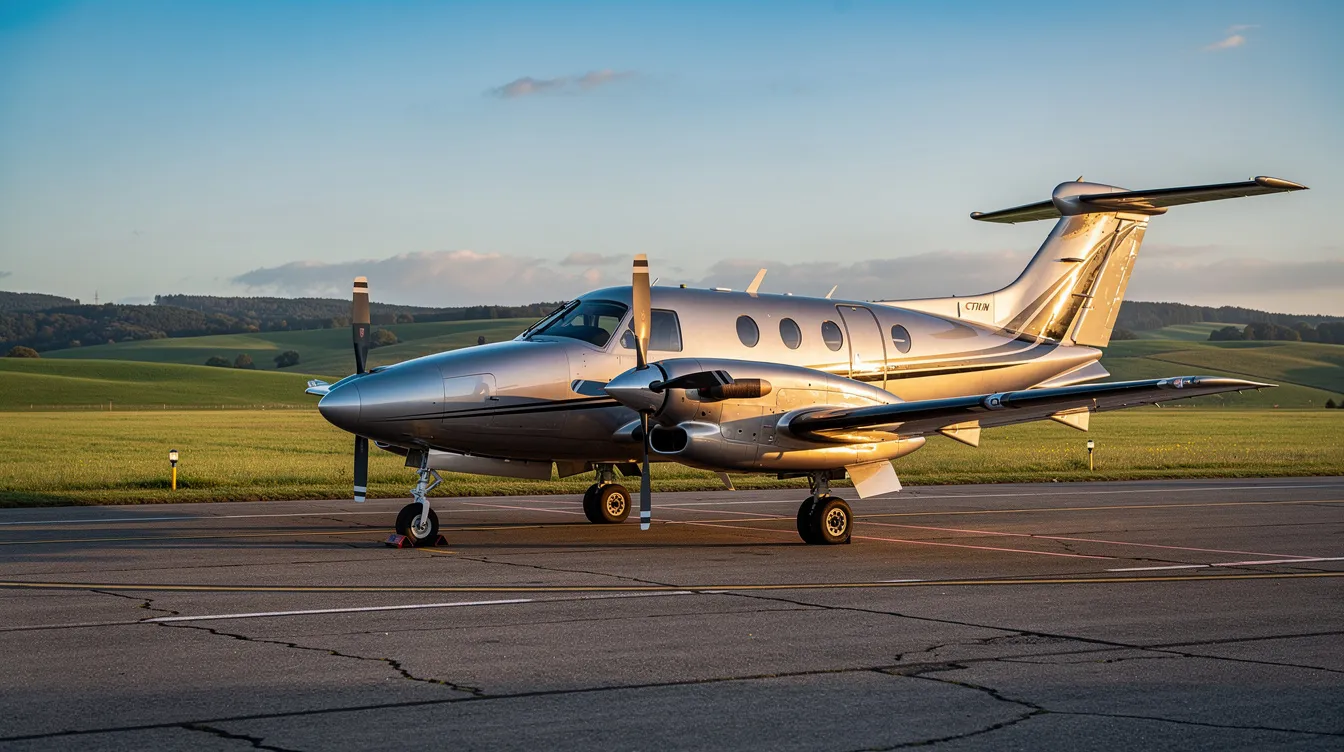
The Beechcraft Premier 1A is a light business jet produced from 2006 to 2013, designed for short- to mid-range travel with a range of approximately 1,500 nautical miles and a maximum cruise speed of Mach 0.80. It features a spacious cabin for up to six passengers, powered by twin Williams FJ44-2A engines, and is equipped with advanced Rockwell Collins Pro Line 21 avionics, allowing for single-pilot operation. Currently, pre-owned models are available for around $1.7 to $2.5 million, and charter rates typically range from $3,500 to $4,000 per hour, making it a cost-effective option for business and leisure travel. The Premier 1A remains popular in charter fleets and is well-regarded for its performance, comfort, and operational flexibility.
Read More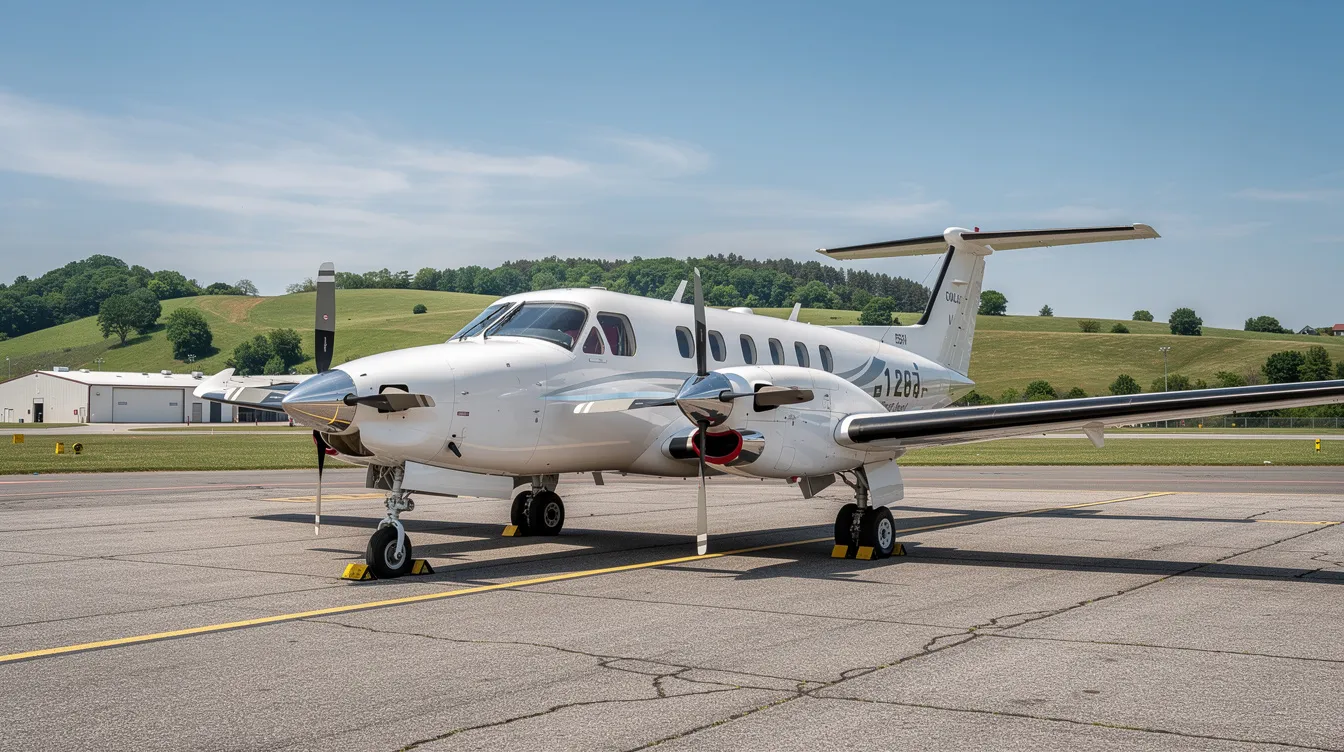
5
min read
Piper Meridian (PA-46-500TP) Guide for Private Charter Travelers
The Piper Meridian (PA-46-500TP) is a cost-effective and efficient single-engine turboprop ideal for private charter travelers, offering a maximum cruise speed of 267 knots and a range of approximately 1,000 nautical miles. Its pressurized cabin comfortably seats up to six passengers, making it suitable for both business and leisure trips, while modern avionics enhance safety and situational awareness. The aircraft's ability to operate from shorter runways provides added flexibility, allowing access to smaller airports. Jettly's platform offers transparent pricing and instant quotes for Piper Meridian charters, making it a convenient option for travelers seeking private aviation solutions.
Read MoreJoin our community and receive the latest blog updates directly in your inbox.
MEMBERSHIPS AND ASSOCIATIONS



Disclaimer: Jettly operates as a charter broker, offering access to a global digital jet charter marketplace. Jettly is not a direct air carrier and does not own or operate aircraft. All advertised flights are conducted by third-party air carriers that are fully licensed and hold the appropriate Part 135 or Part 121 certifications issued by the Federal Aviation Administration (FAA) or equivalent regulatory authorities under U.S. or foreign law. Jettly complies fully with the U.S. Department of Transportation's Part 295 and Part 298 Charter Broker regulations. Jettly does not carry additional liability insurance. Passengers are covered by aircraft operator insurance. TICO: 50023770


