


Login
Get Instant Pricing On 23,000+ Aircraft


Knowing the best time to buy airfare can save you money on flights. For domestic trips, booking 1 to 3 months in advance is ideal, while international flights are best booked 2 to 8 months ahead. This guide also explores when private jet charters may be a more convenient option, especially when commercial flights become costly or inconvenient.
Jay Franco Serevilla
Sep 15, 2026
|
5
min read


View all
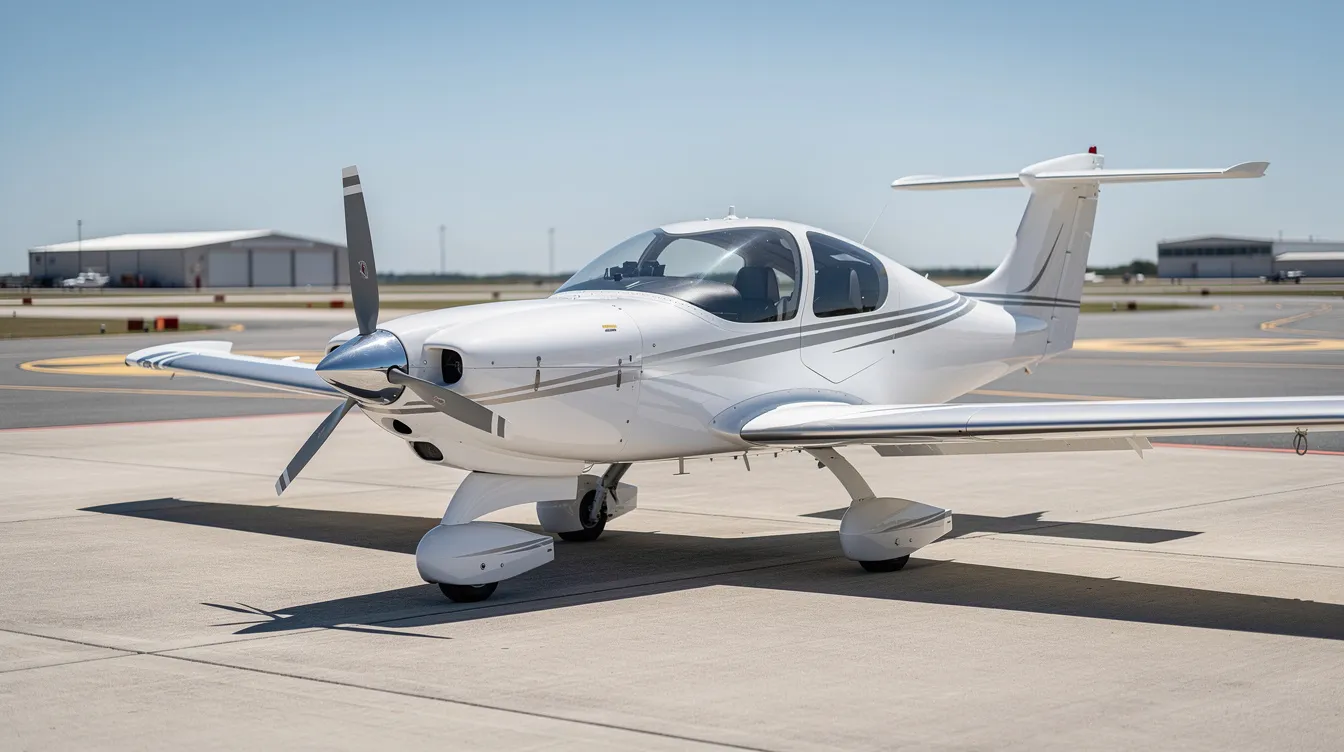
The Cessna TTx, also known as the Model T240, is a high-performance single-engine piston aircraft renowned for its speed and advanced avionics. With a turbocharged engine and a sleek composite design, it offers exceptional capabilities for personal and business travel. Although production ended in 2018, the TTx remains a popular choice in the pre-owned market for experienced pilots and aviation enthusiasts.
Jay Franco Serevilla
Aug 13, 2026
|
5
min read
View all
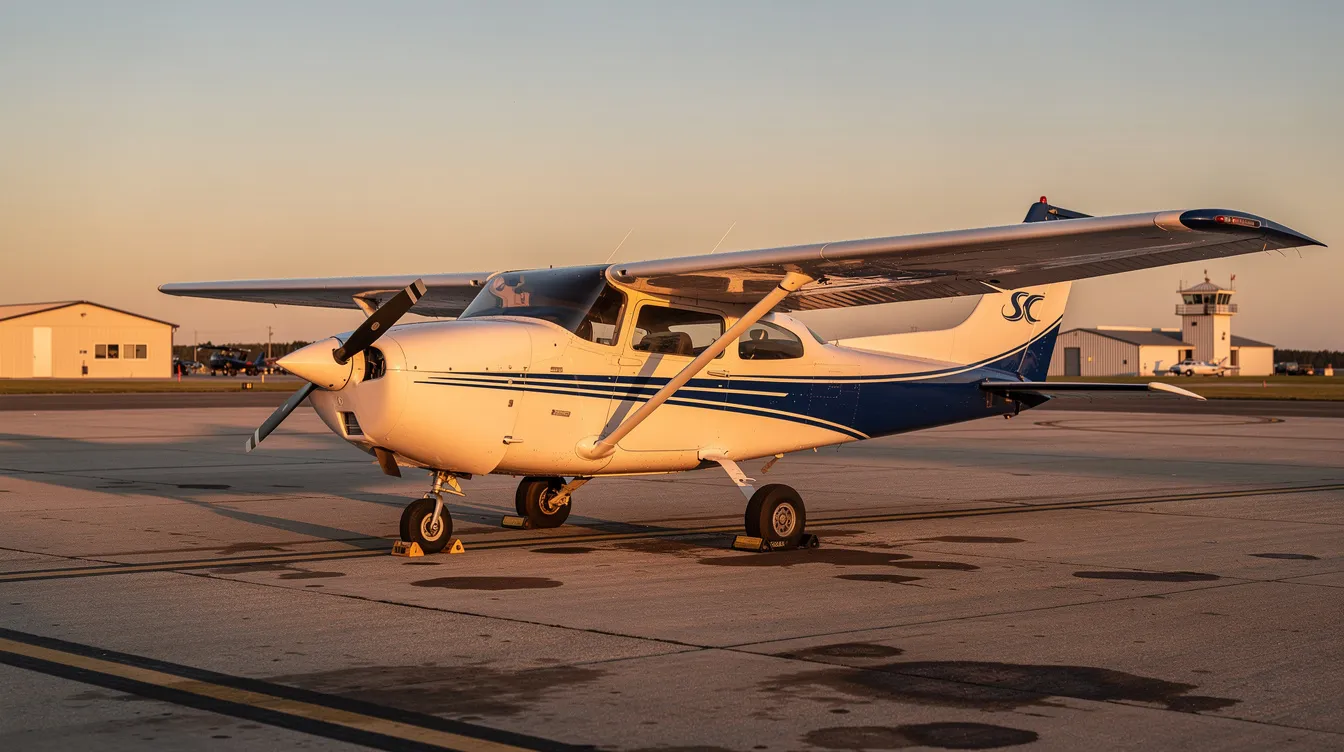
Flying a Cessna 172 Skyhawk is an accessible entry point into aviation, known for its reliability and forgiving nature. This guide covers everything from obtaining medical certificates to mastering flight maneuvers, ensuring a smooth transition from student pilot to confident aviator. With structured training and real-world practice, pilots can progress to solo flights and cross-country adventures.
Jay Franco Serevilla
Aug 13, 2026
|
5
min read
View all
Flying a Cessna 172 Skyhawk is an accessible entry point into aviation, known for its reliability and forgiving nature. This guide covers everything from obtaining medical certificates to mastering flight maneuvers, ensuring a smooth transition from student pilot to confident aviator. With structured training and real-world practice, pilots can progress to solo flights and cross-country adventures.
Jay Franco Serevilla
Aug 13, 2026
|
5
min read
View all
Flying a Cessna 172 Skyhawk is an accessible entry point into aviation, known for its reliability and forgiving nature. This guide covers everything from obtaining medical certificates to mastering flight maneuvers, ensuring a smooth transition from student pilot to confident aviator. With structured training and real-world practice, pilots can progress to solo flights and cross-country adventures.
Jay Franco Serevilla
Aug 13, 2026
|
5
min read
View all
The Cessna TTx, also known as the Model T240, is a high-performance single-engine piston aircraft renowned for its speed and advanced avionics. With a turbocharged engine and a sleek composite design, it offers exceptional capabilities for personal and business travel. Although production ended in 2018, the TTx remains a popular choice in the pre-owned market for experienced pilots and aviation enthusiasts.
Jay Franco Serevilla
Aug 13, 2026
|
5
min read
View all
Flying a Cessna 172 Skyhawk is an accessible entry point into aviation, known for its reliability and forgiving nature. This guide covers everything from obtaining medical certificates to mastering flight maneuvers, ensuring a smooth transition from student pilot to confident aviator. With structured training and real-world practice, pilots can progress to solo flights and cross-country adventures.
Jay Franco Serevilla
Aug 13, 2026
|
5
min read
Explore our latest articles and updates.
5
min read
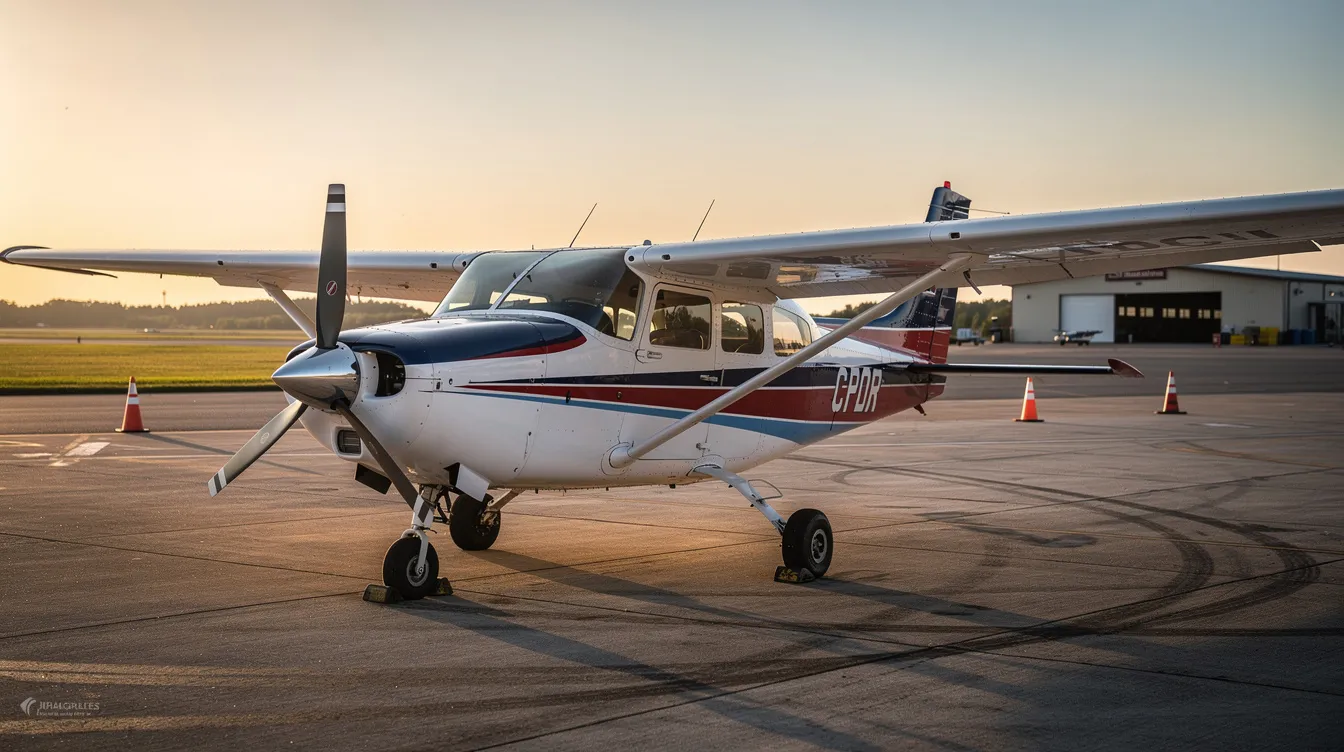
Piper Cherokee Annual Inspection Cost in 2026: What Owners Should Expect
In 2026, Piper Cherokee owners can expect annual inspection costs to range from $2,000 to $4,000, depending on the aircraft's condition and necessary repairs. Understanding these costs is crucial for budgeting and maintaining airworthiness, as well as deciding between ownership and charter alternatives. Owner-assisted maintenance can help reduce expenses, making it easier to manage ongoing costs.
Read More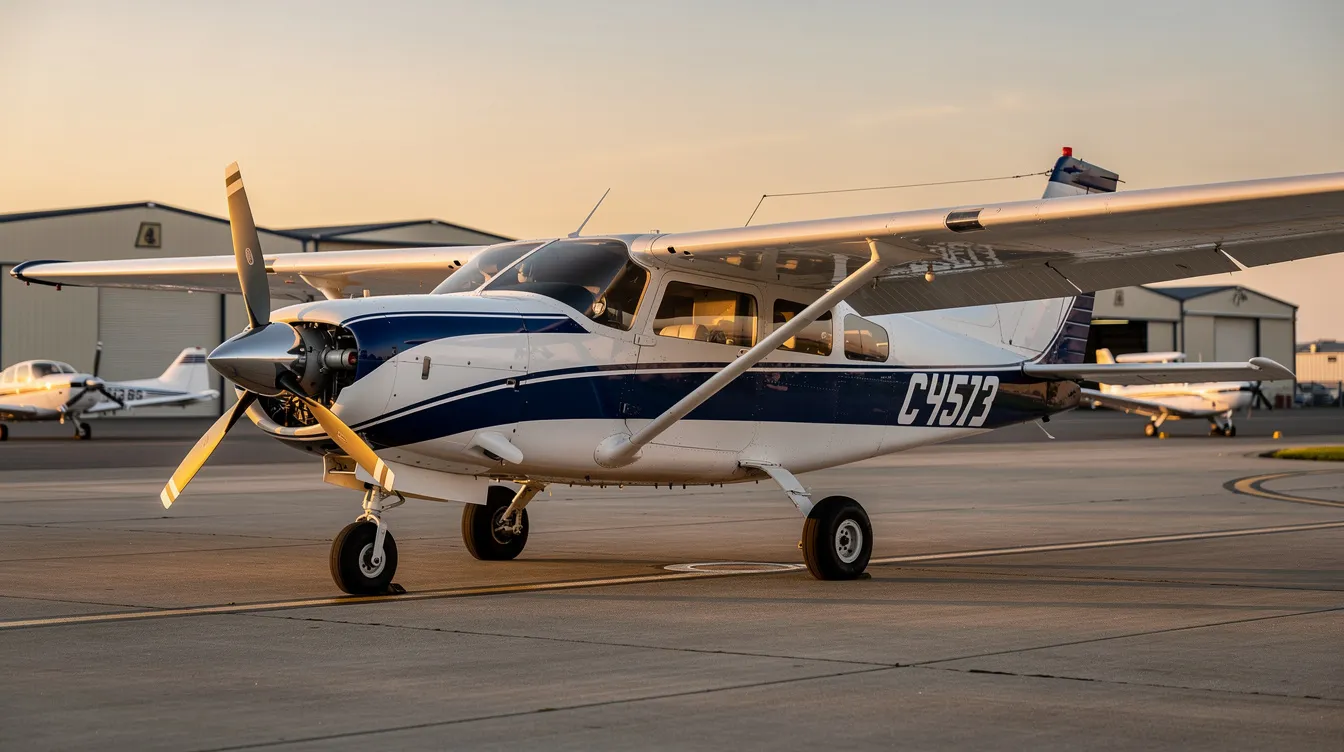
5
min read
Piper Cherokee Six (PA-32) Buyer's & Operator's Guide for Private Flyers
The Piper Cherokee Six (PA-32) is a versatile single-engine aircraft known for its spacious cabin and strong payload capabilities, making it ideal for family travel, air taxi services, and cargo transport. This guide covers its key features, specifications, and operational considerations, while also highlighting modern charter options through platforms like Jettly for those seeking similar aircraft without ownership responsibilities.
Read MoreJoin our community and receive the latest blog updates directly in your inbox.
MEMBERSHIPS AND ASSOCIATIONS



Disclaimer: Jettly operates as a charter broker, offering access to a global digital jet charter marketplace. Jettly is not a direct air carrier and does not own or operate aircraft. All advertised flights are conducted by third-party air carriers that are fully licensed and hold the appropriate Part 135 or Part 121 certifications issued by the Federal Aviation Administration (FAA) or equivalent regulatory authorities under U.S. or foreign law. Jettly complies fully with the U.S. Department of Transportation's Part 295 and Part 298 Charter Broker regulations. Jettly does not carry additional liability insurance. Passengers are covered by aircraft operator insurance. TICO: 50023770


