


Login
Get Instant Pricing On 23,000+ Aircraft


Hereford Municipal Airport (KHRX) is a public-use airport in Hereford, TX, catering to private flyers and business travelers. With a 6,100-foot runway and essential amenities, it provides direct access to the Texas Panhandle's agricultural region without the congestion of commercial terminals.
Jay Franco Serevilla
Aug 5, 2026
|
5
min read



View all
NetJets, a leader in fractional aircraft ownership, is wholly owned by Berkshire Hathaway since 1998. This structure allows it to offer unique services like fractional ownership and jet cards, catering primarily to high-frequency travelers. In contrast, platforms like Jettly provide on-demand charter services without ownership commitments, appealing to occasional flyers.
Jay Franco Serevilla
Aug 19, 2026
|
5
min read

View all
Choosing the best helicopter varies greatly depending on the intended use, whether for personal, corporate, VIP, or military purposes. This article explores top models suited for each role, highlighting specifications, costs, and operational considerations. It emphasizes the practicality of chartering helicopters through platforms like Jettly for those who fly less frequently.
Jay Franco Serevilla
Aug 19, 2026
|
5
min read

View all
As of 2026, there are approximately 50,000 to 55,000 active helicopters globally, with estimates rising to 60,000 to 65,000 when including additional rotorcraft. This article provides insights into the global helicopter fleet, its military and civil breakdown, and the growing relevance of helicopters in private and commercial travel. Platforms like Jettly enhance access to helicopter charters, complementing private jet travel.
Jay Franco Serevilla
Aug 19, 2026
|
5
min read

View all
Charter airlines provide non-scheduled flights tailored for individuals and organizations, offering flexibility in routes and aircraft types. This guide explores how to choose the right charter airline, highlighting key operators, aircraft categories, and access models. With platforms like Jettly, travelers can easily compare options and find the best fit for their needs.
Jay Franco Serevilla
Aug 19, 2026
|
5
min read

View all
AMC Airlines was a charter airline based in Egypt, known for its flexible, contract-driven model serving leisure and group travel. Although it has ceased operations, its approach to charter flights remains relevant, especially as travelers now turn to platforms like Jettly for on-demand private jet services.
Jay Franco Serevilla
Aug 19, 2026
|
5
min read
View all
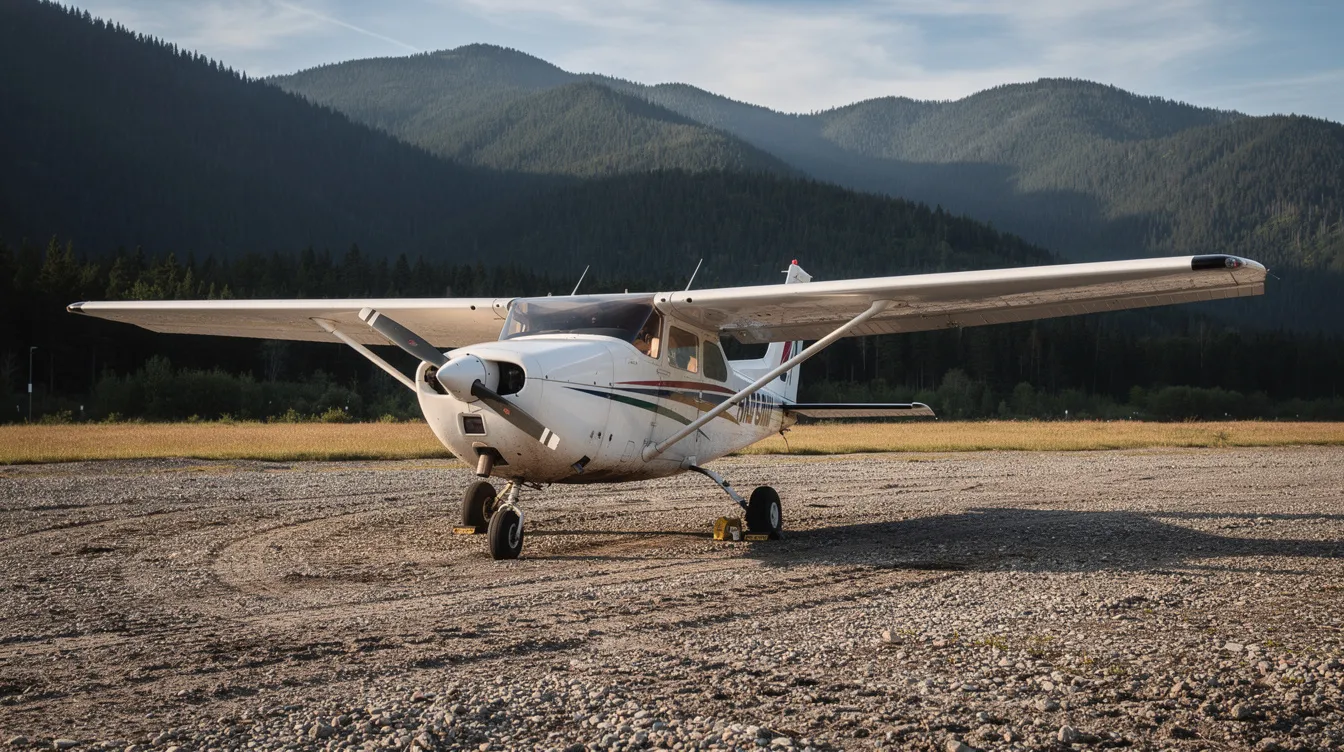
Cessna charter flights provide an affordable and flexible option for private air travel, ideal for short to mid-range trips. With capacity for 1 to 5 passengers, these flights offer direct routing to smaller airports that larger jets cannot access. Jettly connects travelers to certified operators, ensuring safety and transparency in booking without long-term commitments.
Jay Franco Serevilla
Aug 19, 2026
|
5
min read
Explore our latest articles and updates.

5
min read
How Far in Advance to Book Flight for Best Price (and When Private Jets Make Sense)
Booking flights at the right time can save you money, with domestic flights best booked 1 to 3 months in advance and international flights 2 to 8 months ahead. Understanding pricing dynamics and using tools like fare alerts can help you find the best deals. For those needing flexibility or last-minute travel, private jets may offer better value despite higher upfront costs.
Read More
5
min read
How Far Is Las Vegas to Arizona? Distance, Driving Times, and Scenic Private Jet Options
Traveling from Las Vegas to Arizona varies significantly based on your destination, with distances ranging from 35 miles to over 420 miles. Popular spots like the Grand Canyon and Hoover Dam are easily accessible, making for memorable day trips. Whether you choose to drive, take a guided tour, or fly privately, each option offers unique experiences and scenic views along the way.
Read MoreJoin our community and receive the latest blog updates directly in your inbox.
MEMBERSHIPS AND ASSOCIATIONS



Disclaimer: Jettly operates as a charter broker, offering access to a global digital jet charter marketplace. Jettly is not a direct air carrier and does not own or operate aircraft. All advertised flights are conducted by third-party air carriers that are fully licensed and hold the appropriate Part 135 or Part 121 certifications issued by the Federal Aviation Administration (FAA) or equivalent regulatory authorities under U.S. or foreign law. Jettly complies fully with the U.S. Department of Transportation's Part 295 and Part 298 Charter Broker regulations. Jettly does not carry additional liability insurance. Passengers are covered by aircraft operator insurance. TICO: 50023770


