


Login
Get Instant Pricing On 23,000+ Aircraft

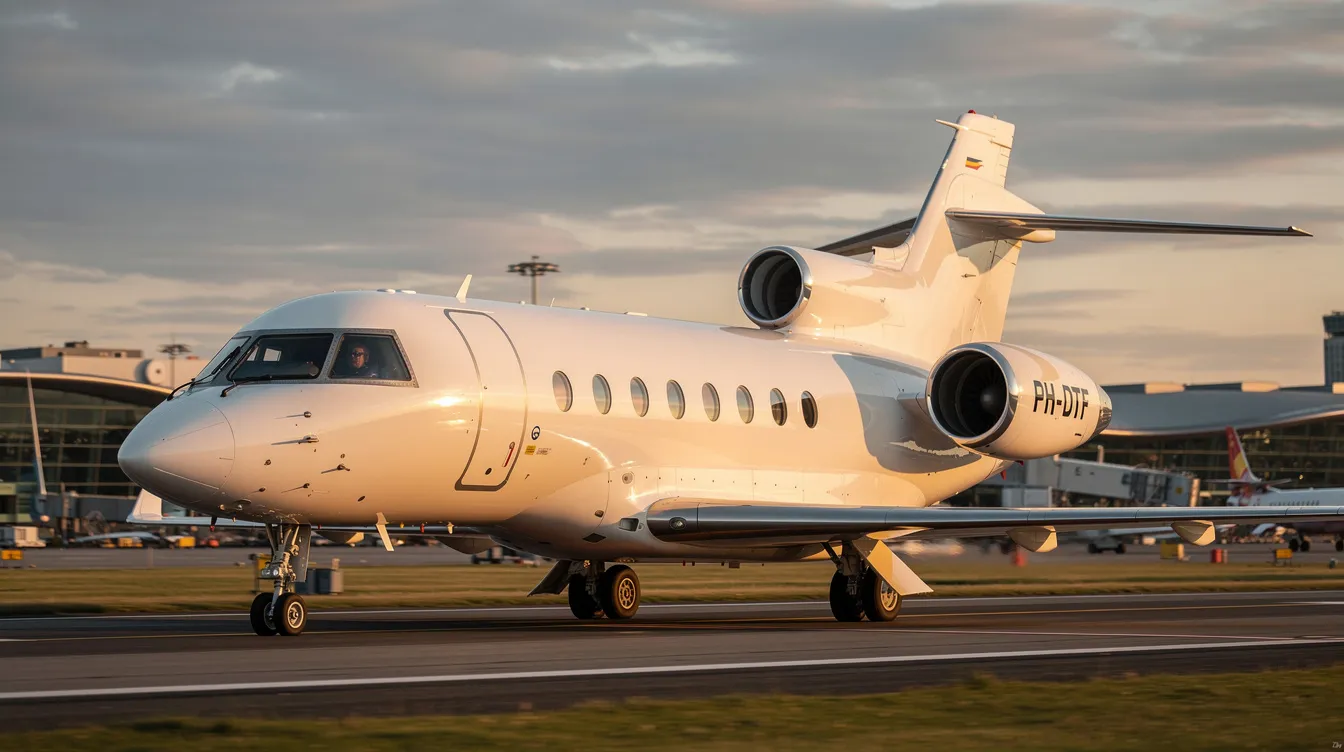
The PH-DTF is a 2008 Dassault Falcon 900EX EASy, a tri-engine business jet known for its long-range capabilities and luxury. With a flight history spanning Europe and North America, it offers travelers a comfortable and efficient option for private jet charters. This article explores its technical specifications, flight history, and how to charter similar aircraft through platforms like Jettly.
Jay Franco Serevilla
Sep 6, 2026
|
5
min read



View all
Flying private from NYC to Miami offers a seamless travel experience, cutting down on time and avoiding commercial airport chaos. With flight times of 2.5 to 3 hours and various aircraft options, travelers can enjoy flexibility and comfort tailored to their needs. Jettly's platform simplifies the booking process, providing instant quotes and access to over 20,000 private jets.
Jay Franco Serevilla
Aug 30, 2026
|
5
min read
View all
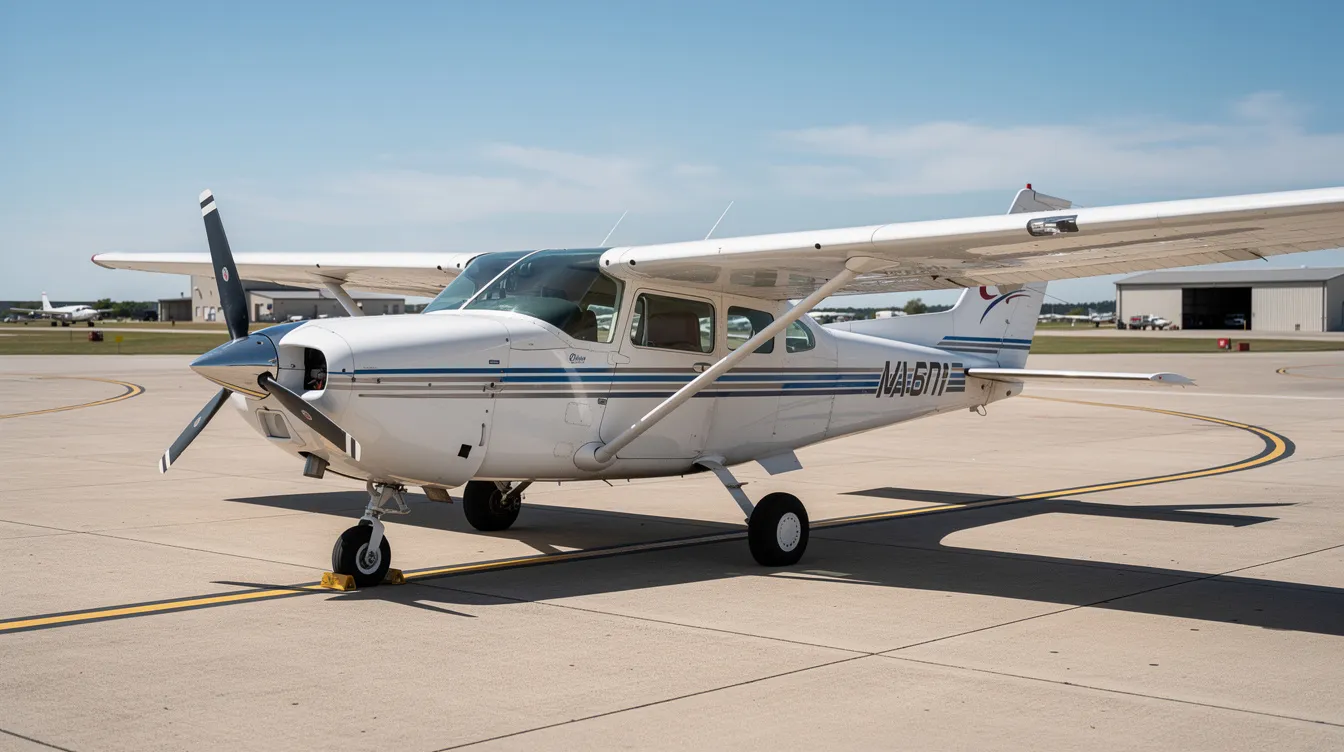
Understanding the operating costs of a Cessna 210 is vital for potential owners. With costs ranging from $200 to $300 per flight hour and annual expenses between $25,000 and $45,000, ownership can be a significant commitment. For those flying less frequently, chartering through platforms like Jettly may offer a more flexible and cost-effective alternative.
Jay Franco Serevilla
Aug 30, 2026
|
5
min read

View all
Chartering the Cirrus Vision Jet through Jettly offers travelers a unique private flying experience with advanced safety features and comfort. This single-engine personal jet is ideal for regional flights, providing convenience without the complexities of ownership. With competitive pricing and access to smaller airports, the Vision Jet is perfect for business trips and family getaways alike.
Jay Franco Serevilla
Aug 30, 2026
|
5
min read

View all
Cessna is a renowned brand in general aviation, known for its reliable and versatile aircraft used in training, private flying, and charter services. This guide explores Cessna's history, popular models, and their roles in aviation, helping you choose the right aircraft for your needs. Whether you're a student pilot or a charter traveler, understanding Cessna can enhance your flying experience.
Jay Franco Serevilla
Aug 30, 2026
|
5
min read

View all
In 2026, Sundays are the best days to book flights, while Tuesdays, Wednesdays, and Saturdays are ideal for flying to save on domestic fares. Booking 1 to 3 months in advance for domestic flights and 3 to 6 months for international trips can lead to significant savings. Understanding these patterns can help travelers maximize their budget and enjoy more flexible travel options.
Jay Franco Serevilla
Aug 30, 2026
|
5
min read
View all
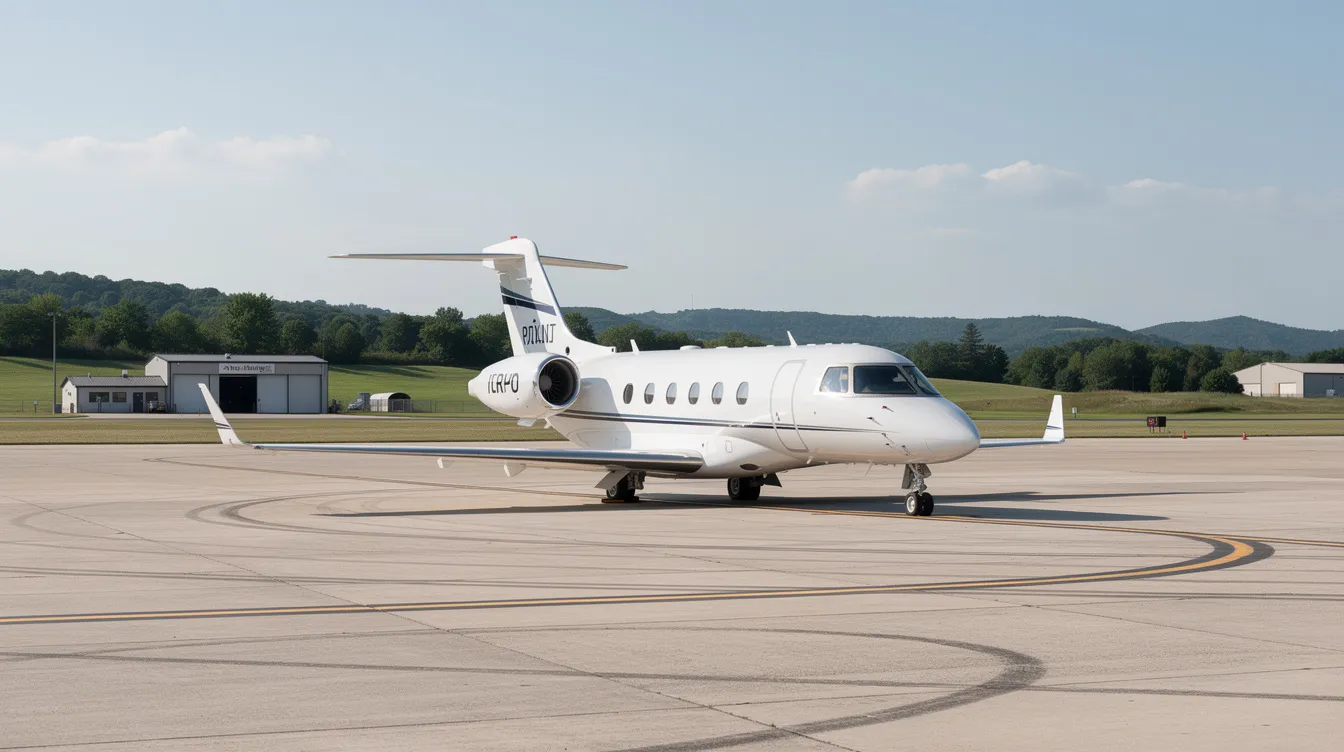
In 2026, the cost of flying private in small jets varies significantly based on factors like aircraft type and usage. Very light jets typically charter for $2,500 to $4,800 per hour, while light jets range from $3,500 to $7,000. Understanding the full scope of ownership and operational costs is crucial for making informed decisions about private aviation.
Jay Franco Serevilla
Aug 29, 2026
|
5
min read
Explore our latest articles and updates.

5
min read
Seattle to Key West Flights: How to Get There, Costs, and Private Jet Options
Traveling from Seattle to Key West involves a distance of approximately 2,720 miles with no direct commercial flights available. This guide provides insights into flight options, costs, and private jet alternatives, helping travelers make informed decisions for their journey. Understanding seasonal fare patterns and booking strategies can lead to significant savings and a smoother travel experience.
Read More
5
min read
Los Angeles (LAX) to Key West, Florida: Private Jet & Flight Guide
Traveling from Los Angeles (LAX) to Key West involves planning as there are no direct flights available. This guide compares commercial and private jet options, highlighting the benefits of using platforms like Jettly for a more flexible and efficient journey. Whether for leisure or business, understanding the routes, costs, and travel times can help travelers choose the best way to reach this iconic destination.
Read MoreJoin our community and receive the latest blog updates directly in your inbox.
MEMBERSHIPS AND ASSOCIATIONS



Disclaimer: Jettly operates as a charter broker, offering access to a global digital jet charter marketplace. Jettly is not a direct air carrier and does not own or operate aircraft. All advertised flights are conducted by third-party air carriers that are fully licensed and hold the appropriate Part 135 or Part 121 certifications issued by the Federal Aviation Administration (FAA) or equivalent regulatory authorities under U.S. or foreign law. Jettly complies fully with the U.S. Department of Transportation's Part 295 and Part 298 Charter Broker regulations. Jettly does not carry additional liability insurance. Passengers are covered by aircraft operator insurance. TICO: 50023770


