


Login
Get Instant Pricing On 23,000+ Aircraft


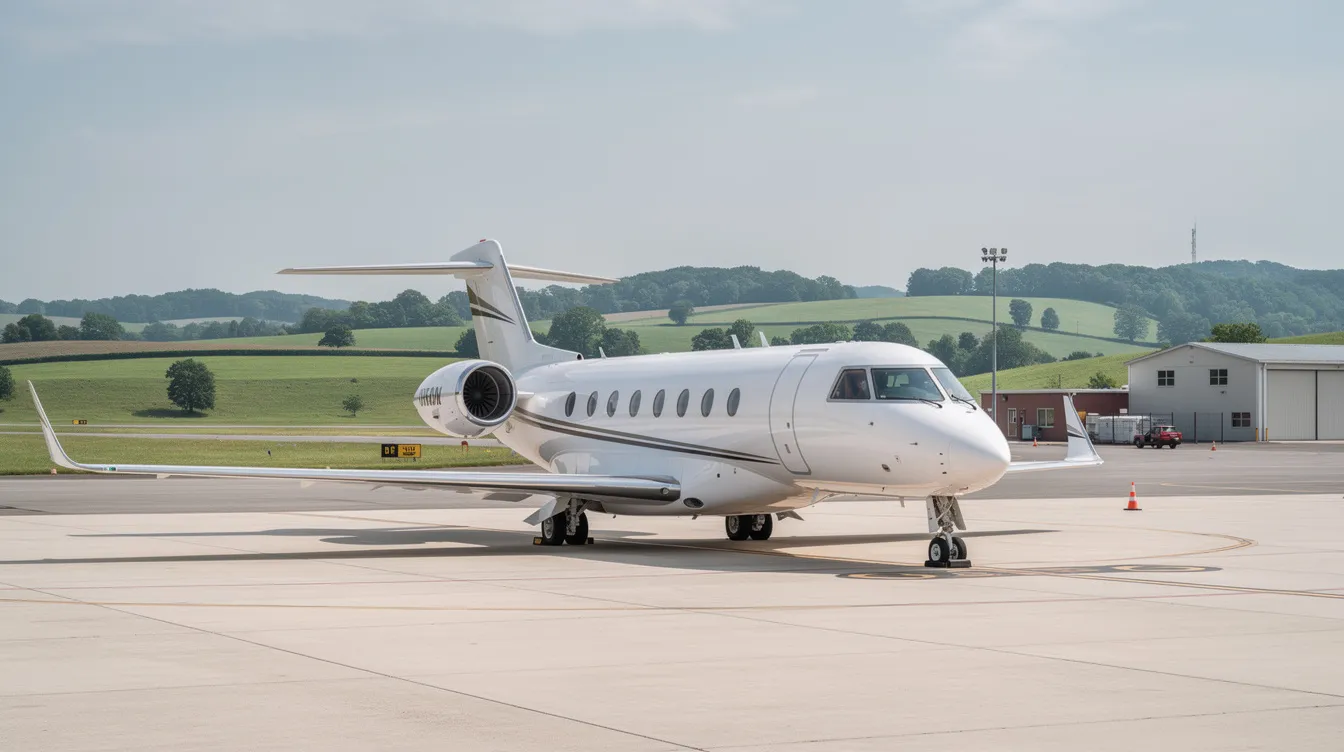
The private jet industry features various manufacturers, each with unique aircraft designed for specific missions. This guide provides insights into key brands, jet categories, and practical tips for selecting the right aircraft for your travel needs. Understanding these factors can enhance your private flying experience, whether for business or leisure.
Jeff Ryan Serevilla
Sep 22, 2026
|
5
min read


View all
Chartering a flight has never been easier, offering travelers flexibility and privacy. This step-by-step guide covers everything from defining trip needs to booking through platforms like Jettly, ensuring a seamless private aviation experience.
Jay Franco Serevilla
Aug 2, 2026
|
5
min read

View all
European aviation charters offer flexible, on-demand flights for business and leisure travelers, allowing exclusive use of aircraft and customizable schedules. Jettly connects clients with over 20,000 vetted charter operators across Europe and beyond, simplifying the booking process and enhancing travel convenience.
Jay Franco Serevilla
Aug 2, 2026
|
5
min read

View all
Knowing when to buy cheaper flights can save you money on both commercial and private jet travel. This guide outlines optimal booking windows, price trends, and tips for securing the best deals, ensuring you travel smarter and more affordably. From domestic to international flights, understanding pricing patterns is key to maximizing your travel budget.
Jay Franco Serevilla
Aug 2, 2026
|
5
min read

View all
The Cirrus Vision Jet boasts a maximum range of approximately 1,275 nautical miles, but typical charter flights usually operate between 600 to 900 nautical miles. This article explores the Vision Jet's range, performance, safety features, and how it compares to other private jets, helping travelers determine if it meets their charter needs. Jettly's platform utilizes this range data to match travelers with the most suitable aircraft for their missions.
Jay Franco Serevilla
Aug 2, 2026
|
5
min read

View all
The Cirrus SR22T ownership costs in 2026 range from $1.15 million to $1.4 million for new models, with operating costs between $350 and $550 per flight hour. Buyers should consider fixed costs, financing, and the potential benefits of chartering through platforms like Jettly for those flying less frequently. Understanding these financial aspects is crucial for making informed decisions about aircraft ownership versus chartering.
Jay Franco Serevilla
Aug 2, 2026
|
5
min read

View all
The Cirrus SR20 is a revolutionary single-engine aircraft known for its advanced safety features, including the Cirrus Airframe Parachute System (CAPS) and cutting-edge avionics. Since its debut in 1999, it has become a preferred choice for pilots and flight schools, offering a blend of performance, comfort, and technology. This guide explores its capabilities, market position, and how it compares to chartering larger aircraft.
Jay Franco Serevilla
Aug 2, 2026
|
5
min read
Explore our latest articles and updates.

5
min read
Cheapest Days to Book a Flight in 2026: Commercial Airlines vs. Private Jets
Finding the cheapest days to book flights is complex, as no single day guarantees the lowest fare; instead, factors like booking timing, travel date flexibility, and seasonality play crucial roles. While studies suggest small savings when booking on Sundays or Fridays, the best strategy is to book domestic flights 34 to 86 days in advance and international flights 2 to 6 months ahead. For flying, Tuesdays and Wednesdays are typically the cheapest days, while Sundays often incur higher prices. Private jet charters, such as those offered by Jettly, operate under different pricing dynamics, focusing on real-time availability and offering significant discounts through empty leg flights, making them a flexible alternative to commercial airlines.
Read More
5
min read
Booking Flights Best Time: How Timing Affects Prices for Commercial and Private Travel
Timing significantly impacts flight prices for both commercial and private travel. For domestic flights, booking 1-3 months in advance typically yields the best prices, while international flights are best booked 2-8 months ahead, depending on the route. Midweek flights are generally cheaper than weekend flights, and private jet pricing operates differently, often benefiting from last-minute bookings and empty leg flights. Utilizing tools like Google Flights for commercial tickets and Jettly for private jets can help travelers find the best deals and optimize their booking strategies.
Read MoreJoin our community and receive the latest blog updates directly in your inbox.
MEMBERSHIPS AND ASSOCIATIONS



Disclaimer: Jettly operates as a charter broker, offering access to a global digital jet charter marketplace. Jettly is not a direct air carrier and does not own or operate aircraft. All advertised flights are conducted by third-party air carriers that are fully licensed and hold the appropriate Part 135 or Part 121 certifications issued by the Federal Aviation Administration (FAA) or equivalent regulatory authorities under U.S. or foreign law. Jettly complies fully with the U.S. Department of Transportation's Part 295 and Part 298 Charter Broker regulations. Jettly does not carry additional liability insurance. Passengers are covered by aircraft operator insurance. TICO: 50023770


