


Login
Get Instant Pricing On 23,000+ Aircraft


The Wheels Up private jet center FBO at Cincinnati/Northern Kentucky International Airport has transitioned to PremierFBO, operated by Premier Private Jets since April 2025. This guide details the changes, current services, and booking processes for private aviation travelers using this key facility.
Jeff Ryan Serevilla
Sep 22, 2026
|
5
min read



View all
Stratos planes, including the 714, 716, and 716X models, represent the future of high-speed personal aviation with impressive cruise speeds and efficiency. While currently experimental, travelers can access similar performance through platforms like Jettly, which offers a wide range of certified private jets. This guide explores the specifications, development milestones, and booking options for those interested in stratospheric travel.
Jay Franco Serevilla
Aug 2, 2026
|
5
min read
View all
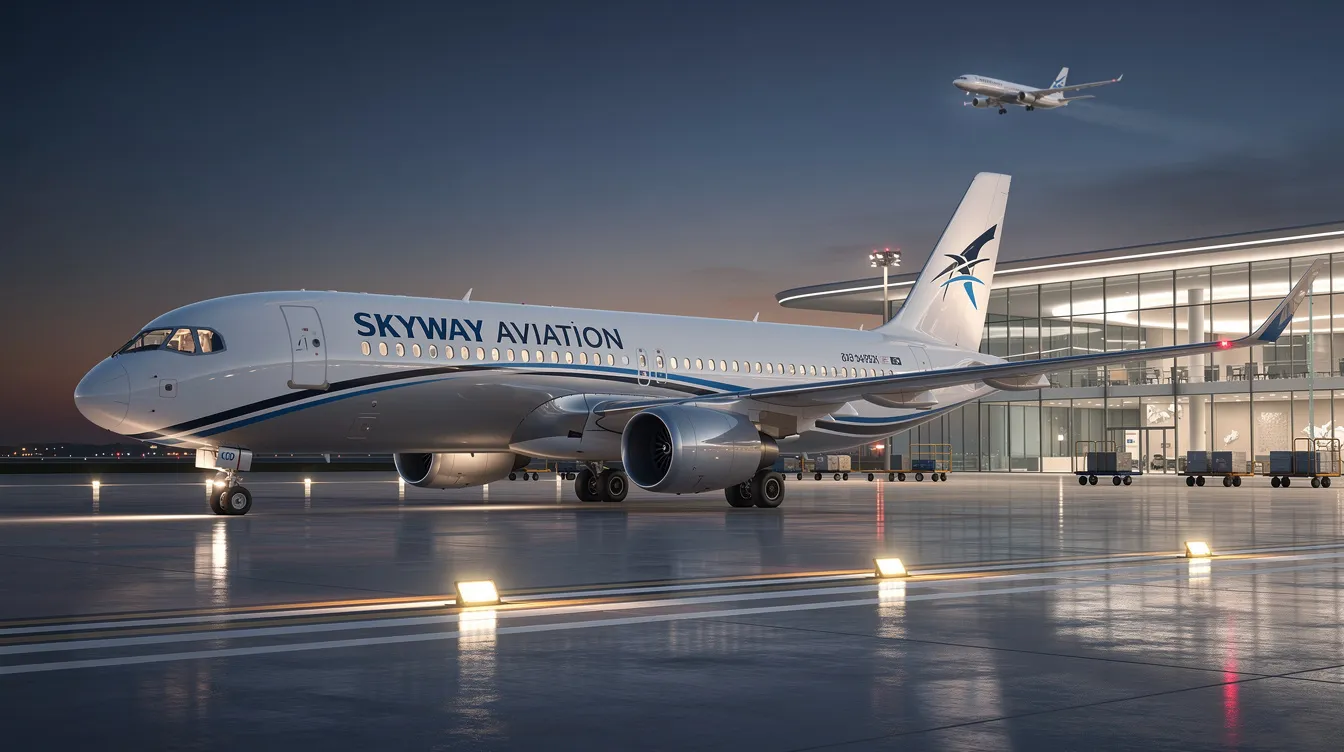
Skyway Aviation offers private jet charters, helicopter flights, and aircraft management services in Tampa, Florida. With a focus on safety and personalized service, they cater to corporate and leisure travelers. Jettly complements these services by providing a digital marketplace for instant pricing and access to a global network of over 20,000 aircraft.
Jay Franco Serevilla
Aug 2, 2026
|
5
min read
View all
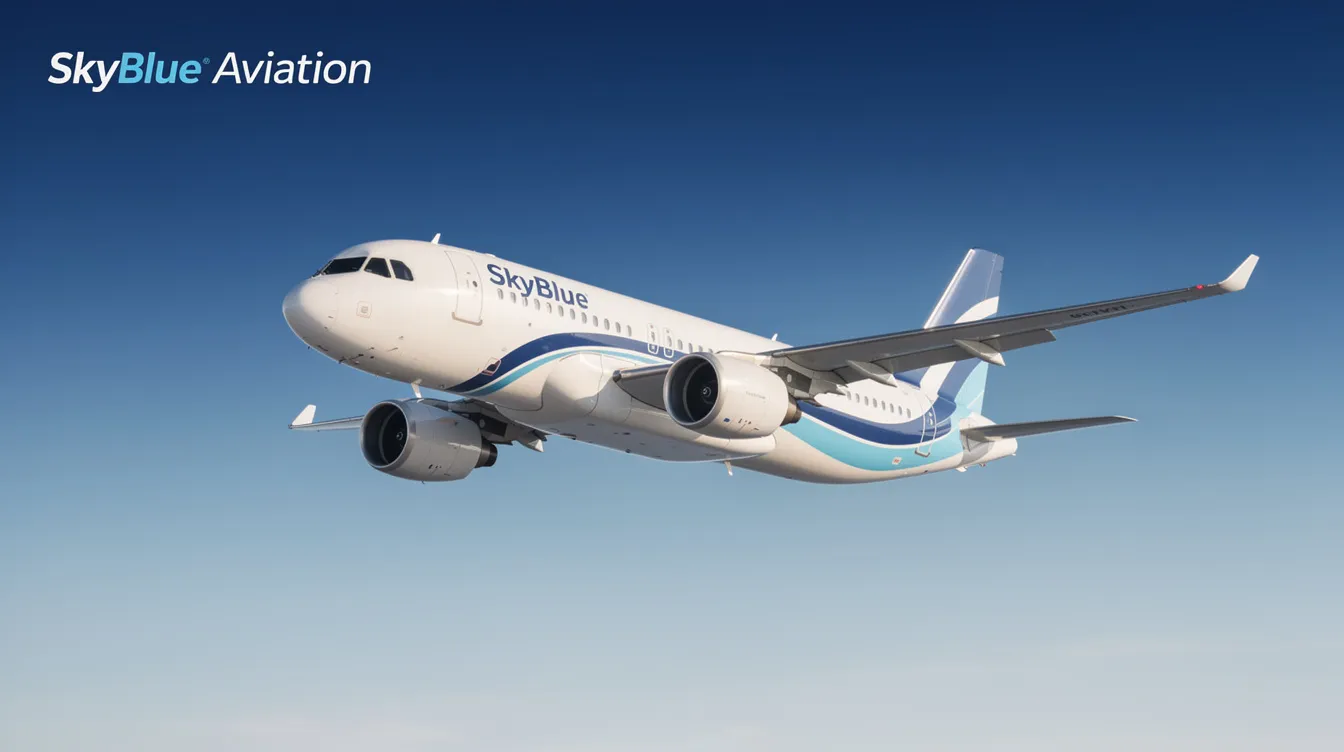
SkyBlue Aviation and Jettly offer distinct services in the aviation industry. SkyBlue specializes in flight training for aspiring pilots, while Jettly provides on-demand private jet charter services for travelers. This article explores their offerings, helping you choose between becoming a pilot or enjoying private travel without ownership.
Jay Franco Serevilla
Aug 2, 2026
|
5
min read

View all
The Navy Blue Angels, established in 1946, are the United States Navy's premier flight demonstration squadron, showcasing naval aviation excellence. They inspire millions through their precision flying and community outreach, connecting the public to military service. Their legacy continues to influence both military and civilian aviation standards.
Jay Franco Serevilla
Aug 2, 2026
|
5
min read
View all
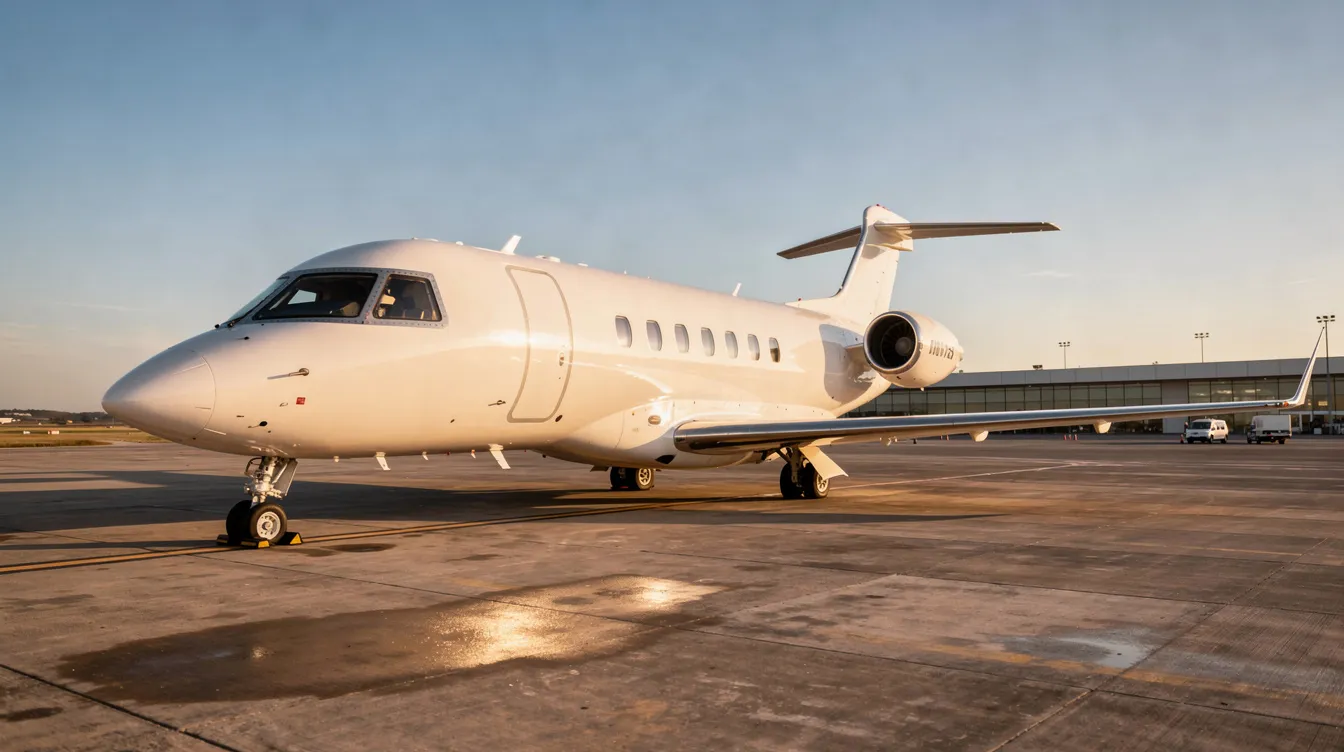
Air Charter Worldwide with Jettly revolutionizes private jet travel by offering instant access to over 20,000 aircraft globally. This digital marketplace allows travelers to book flights effortlessly, ensuring flexibility and comfort without ownership commitments. Experience unparalleled convenience and privacy with tailored travel solutions for business or leisure.
Jay Franco Serevilla
Aug 2, 2026
|
5
min read

View all
Global air charter has evolved into a practical travel solution for executives and families, offering on-demand private flights without ownership. Jettly's platform connects travelers to over 20,000 aircraft, providing transparent pricing and flexible booking options. This guide explains how global air charter works and the benefits of using Jettly for your travel needs.
Jay Franco Serevilla
Aug 2, 2026
|
5
min read
Explore our latest articles and updates.
5
min read
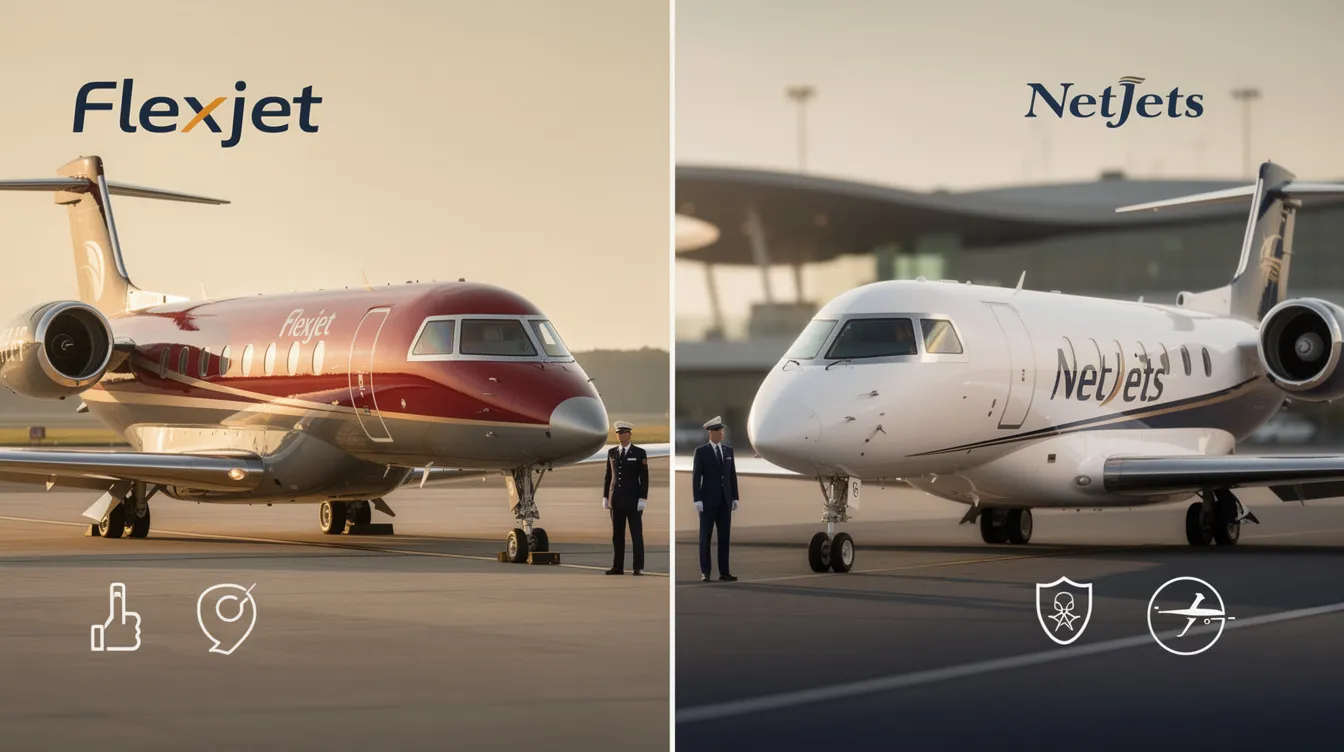
Flexjet vs NetJets: Fractional Ownership Compared (and When to Choose On‑Demand Charter Instead)
Flexjet and NetJets are the two leading companies in fractional jet ownership, each catering to different customer profiles with distinct fleet sizes, service styles, and costs. NetJets operates a larger fleet of over 800 aircraft, offering a standardized experience ideal for corporate clients, while Flexjet focuses on a boutique approach with around 300 aircraft, emphasizing personalized service and customization. For occasional flyers or those with variable schedules, on-demand charter services like Jettly provide a flexible alternative with no long-term commitments or upfront capital, allowing users to pay per trip and choose from a vast inventory of over 20,000 aircraft. Ultimately, the choice between fractional ownership and on-demand charter hinges on flying frequency, budget, and the need for flexibility.
Read More
5
min read
NetJets Pilot Pay & Careers in 2026: Salary, Quality of Life, and Alternatives
NetJets offers competitive pilot compensation, with first officers earning between $129,000 and $210,000 and captains making $250,000 to over $400,000 depending on experience and schedule. The company emphasizes quality of life through flexible rotation schedules, extensive home base options, and strong benefits, including a 401(k) with a 64% employer match and fully paid health insurance. NetJets is seen as a long-term career destination rather than a stepping stone, attracting pilots with its unique flying missions and financial stability backed by Berkshire Hathaway. Overall, the compensation and benefits package positions NetJets pilots favorably within the private aviation market, enhancing safety and service quality for travelers.
Read MoreJoin our community and receive the latest blog updates directly in your inbox.
MEMBERSHIPS AND ASSOCIATIONS



Disclaimer: Jettly operates as a charter broker, offering access to a global digital jet charter marketplace. Jettly is not a direct air carrier and does not own or operate aircraft. All advertised flights are conducted by third-party air carriers that are fully licensed and hold the appropriate Part 135 or Part 121 certifications issued by the Federal Aviation Administration (FAA) or equivalent regulatory authorities under U.S. or foreign law. Jettly complies fully with the U.S. Department of Transportation's Part 295 and Part 298 Charter Broker regulations. Jettly does not carry additional liability insurance. Passengers are covered by aircraft operator insurance. TICO: 50023770


