


Login
Get Instant Pricing On 23,000+ Aircraft


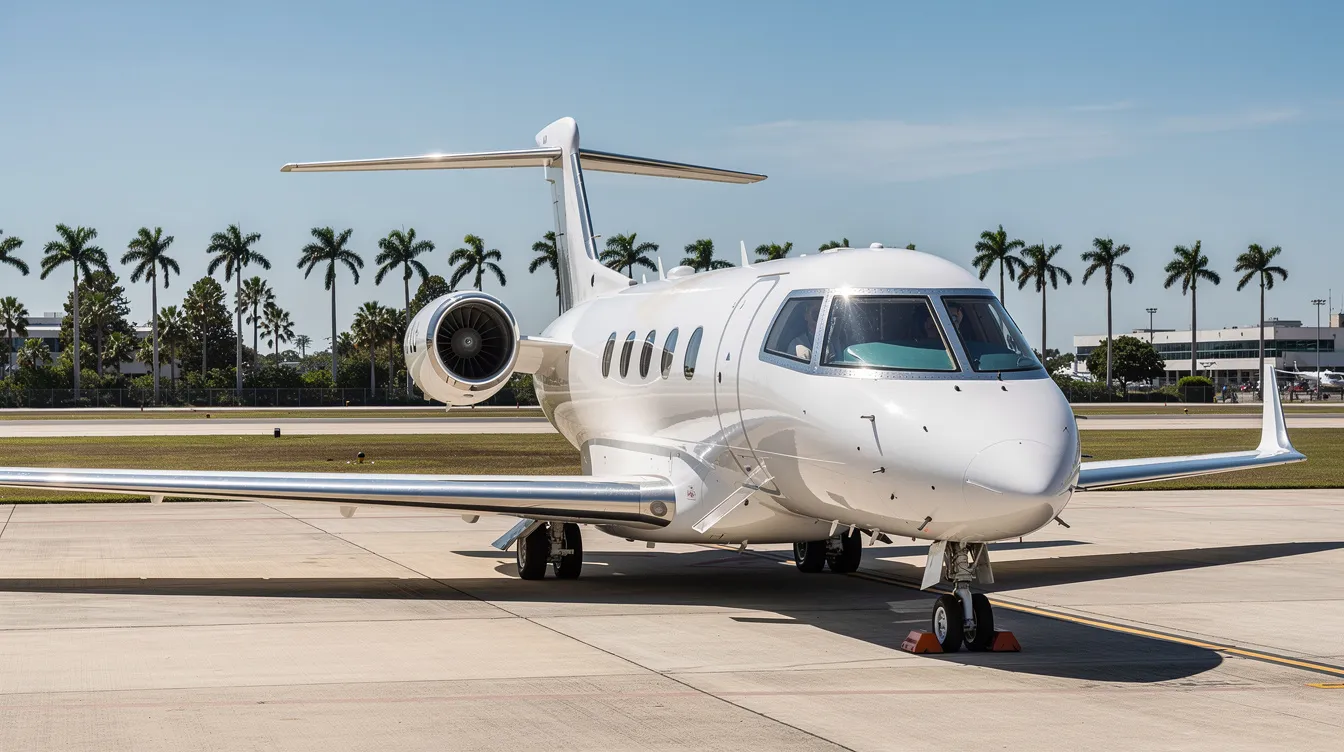
This article explores Tiger Woods' $53 million Gulfstream G550 and how high-performance private aviation serves as a crucial tool for top athletes. Beyond comfort and luxury, the jet's low cabin altitude pressurization, massive storage for specialized physio equipment, and direct long-range flight capabilities help Woods manage chronic injuries and travel fatigue while navigating a demanding global competition schedule.
Roz C
Sep 1, 2026
|
5
min read


View all
N1Y is a 2016 Embraer Legacy 500 based in Naples, Florida, offering a spacious cabin and advanced avionics for business and leisure travel. This guide provides insights into its registration, flight history, and charter options through platforms like Jettly, which offers access to over 20,000 aircraft worldwide.
Jay Franco Serevilla
Aug 24, 2026
|
5
min read

View all
The N588AT Gulfstream G-V is a premier heavy jet designed for intercontinental travel, offering a spacious cabin for up to fourteen passengers. This guide provides insights into its specifications, onboard amenities, and the booking process through Jettly's platform, making it an ideal choice for both business and leisure travel.
Jay Franco Serevilla
Aug 24, 2026
|
5
min read

View all
N888XY is a 1997 Gulfstream V heavy jet known for its unique color-shifting exterior and luxurious features. With a range of up to 6,700 nautical miles, it offers spacious accommodations for up to 14 passengers, making it ideal for both business and leisure travel. This guide covers its specifications, history, and charter options, providing insights for potential travelers.
Jay Franco Serevilla
Aug 24, 2026
|
5
min read

View all
The Reims Cessna F406 Caravan II is a versatile twin-turboprop aircraft known for its short-field capability and mission flexibility. Ideal for charter, cargo, and aerial survey roles, it combines safety with efficiency, making it a practical choice for regional travel and remote destinations. Despite production ending in 2013, it remains popular in the pre-owned market and is accessible through platforms like Jettly.
Jay Franco Serevilla
Aug 24, 2026
|
5
min read

View all
The Cessna Grand Caravan on floats is a versatile amphibious aircraft, ideal for accessing remote destinations without runways. With its powerful PT6A-140 engine and spacious cabin, it accommodates various missions, from tourism to humanitarian services. Jettly offers charter options for this aircraft, making it easy to reach waterfront locations.
Jay Franco Serevilla
Aug 24, 2026
|
5
min read

View all
The GippsAero GA8 Airvan is a versatile single-engine utility aircraft designed for rugged operations, accommodating up to 8 occupants. With a cruising speed of 140 mph and a range of 840 nautical miles, it excels in remote transport, sightseeing, and humanitarian missions. Jettly offers charter options for this aircraft, making it an ideal choice for various operational needs.
Jay Franco Serevilla
Aug 24, 2026
|
5
min read
Explore our latest articles and updates.
5
min read
Luxury Personal Jet: Ultimate Guide to High-End Private Aviation
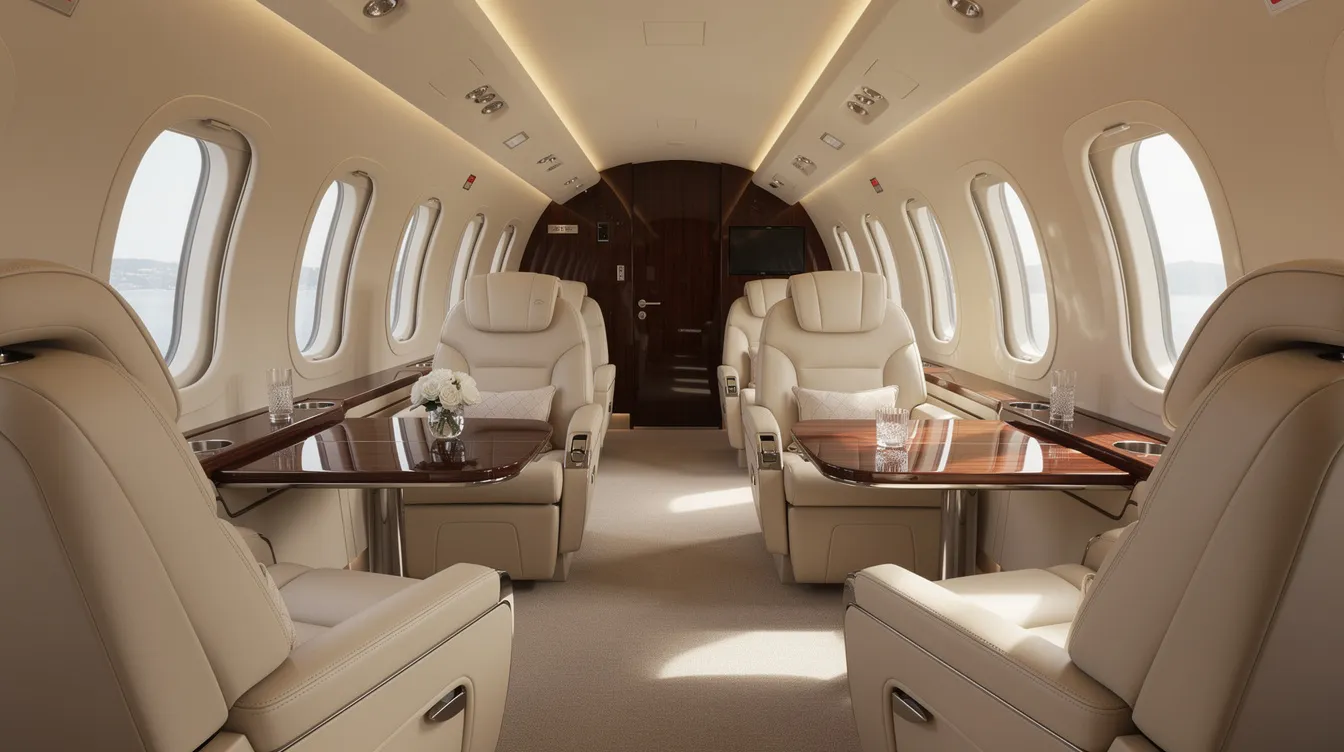
The luxury personal jet market is rapidly evolving, offering travelers access to high-end private aviation without the need for ownership. This comprehensive guide covers various categories of jets, from light jets to VIP airliners, and highlights key features, pricing, and the benefits of chartering through platforms like Jettly. Discover how to select the right aircraft for your mission and explore the future of luxury aviation.
Read More
5
min read
When Are Cheapest Flights? A Practical Guide for 2026 Travelers
Finding the cheapest flights relies on strategic timing rather than luck. This guide outlines optimal booking windows, the best days to fly, and how to leverage private jet options for savings. Understanding seasonal trends and setting price alerts can further enhance your chances of securing the best fares.
Read MoreJoin our community and receive the latest blog updates directly in your inbox.
MEMBERSHIPS AND ASSOCIATIONS



Disclaimer: Jettly operates as a charter broker, offering access to a global digital jet charter marketplace. Jettly is not a direct air carrier and does not own or operate aircraft. All advertised flights are conducted by third-party air carriers that are fully licensed and hold the appropriate Part 135 or Part 121 certifications issued by the Federal Aviation Administration (FAA) or equivalent regulatory authorities under U.S. or foreign law. Jettly complies fully with the U.S. Department of Transportation's Part 295 and Part 298 Charter Broker regulations. Jettly does not carry additional liability insurance. Passengers are covered by aircraft operator insurance. TICO: 50023770


