


Login
Get Instant Pricing On 23,000+ Aircraft

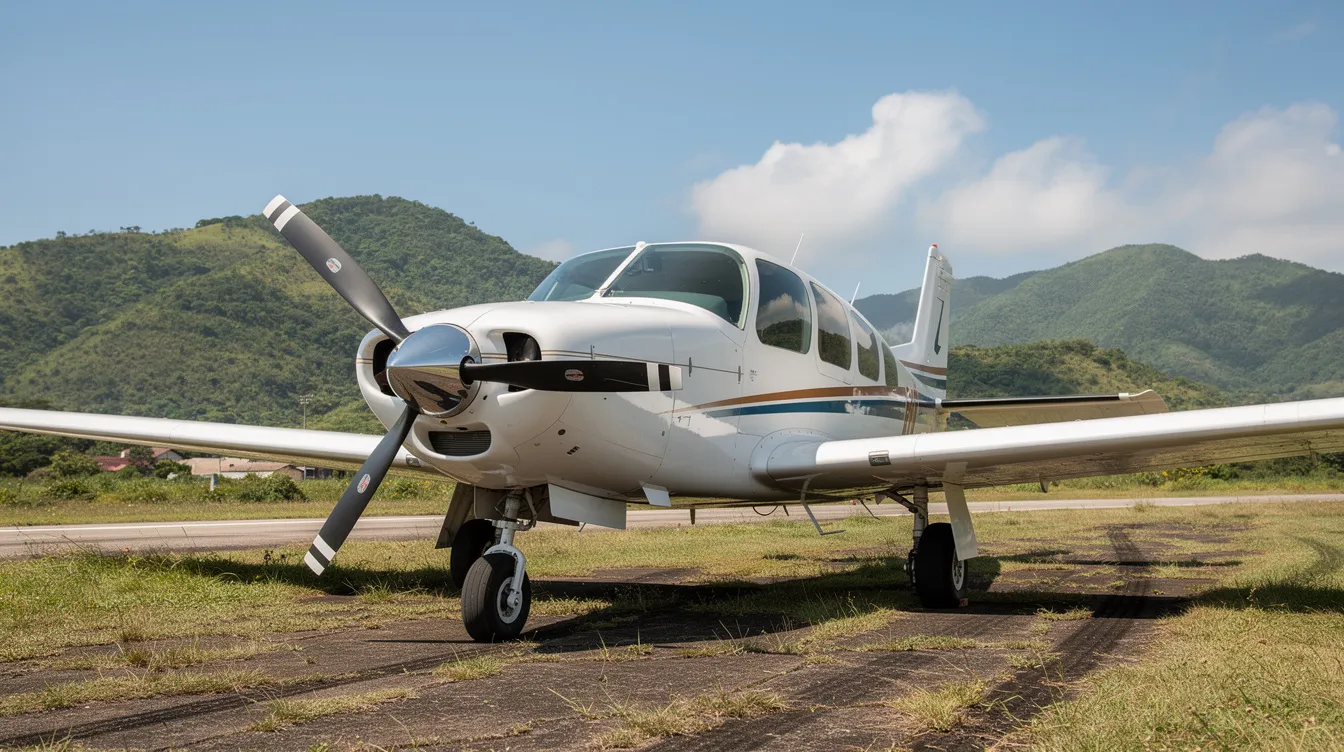
Cessna turboprops, including the Grand Caravan EX and SkyCourier, are versatile aircraft ideal for private aviation, especially for remote and regional missions. With their short takeoff and landing capabilities, they can access locations that jets cannot, making them a cost-effective choice for both passenger and cargo transport. This guide provides insights into their specifications, interior options, and how to book through Jettly.
Jay Franco Serevilla
Aug 24, 2026
|
5
min read



View all
Knowing the best time to buy airfare can save you money on flights. For domestic trips, booking 1 to 3 months in advance is ideal, while international flights are best booked 2 to 8 months ahead. This guide also explores when private jet charters may be a more convenient option, especially when commercial flights become costly or inconvenient.
Jay Franco Serevilla
Sep 15, 2026
|
5
min read

View all
Choosing the best executive jet depends on specific travel needs such as distance, passenger count, and budget. This guide compares various aircraft categories, from light jets to ultra-long-range models, helping executives select the right jet for their missions. Jettly's platform simplifies the booking process, offering access to over 20,000 aircraft tailored to each trip's requirements.
Jay Franco Serevilla
Sep 15, 2026
|
5
min read

View all
Chartering a private jet from Dallas to Las Vegas offers a swift and luxurious travel experience, averaging 2 hours and 10 minutes for the journey. With costs ranging from $13,000 to over $34,000 depending on the aircraft type, travelers can choose from a variety of jets to suit their needs. This guide provides insights into flight times, costs, and tips for optimizing your private jet experience.
Jay Franco Serevilla
Sep 15, 2026
|
5
min read
View all
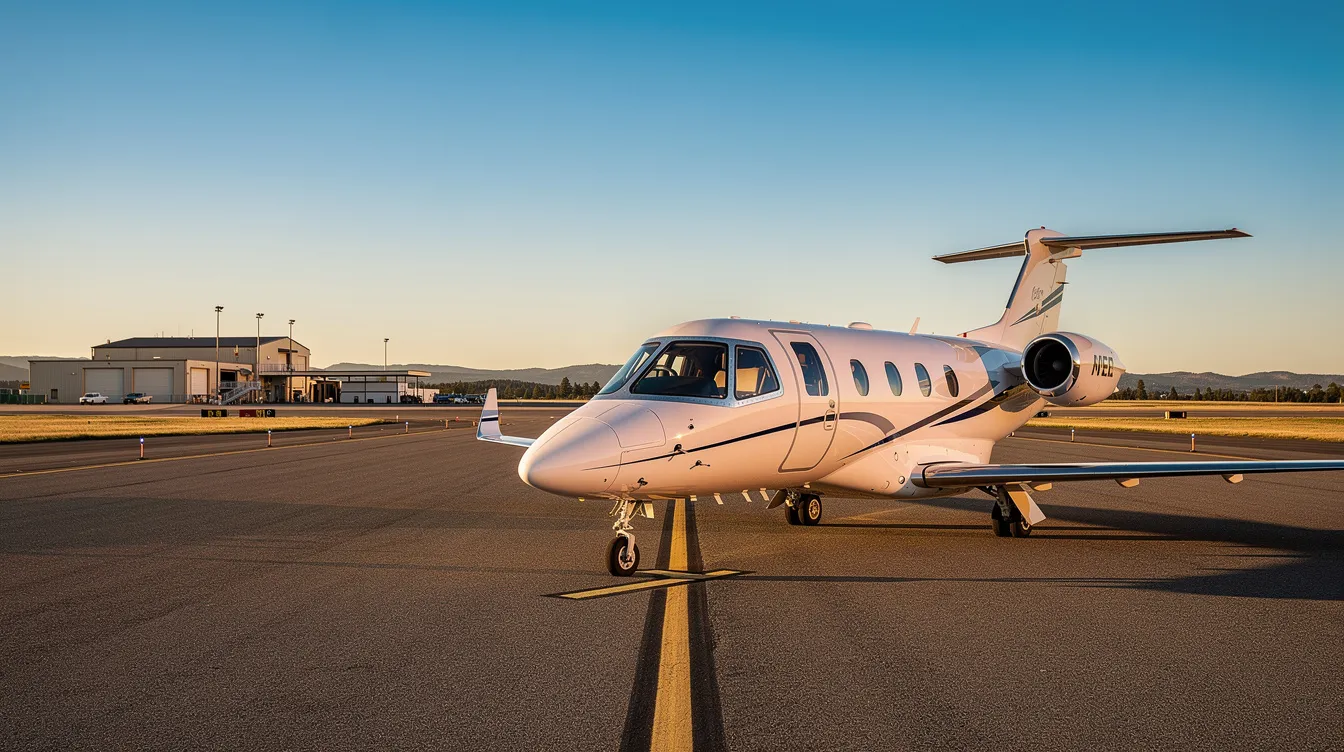
Discover the top 10 cheapest private jets of 2026, focusing on ownership costs, operating expenses, and smarter charter alternatives. This guide highlights very light jets and turboprops that offer budget-friendly options for travelers, emphasizing the financial benefits of chartering through platforms like Jettly for those flying under 200 hours annually.
Jay Franco Serevilla
Sep 15, 2026
|
5
min read

View all
Discover the best times to book flights to Las Vegas, whether commercial or private. Booking 14 to 21 days in advance typically yields the best prices, while midweek flights can save you even more. This guide also highlights the advantages of private jet charters through Jettly for flexible travel options.
Jay Franco Serevilla
Sep 15, 2026
|
5
min read

View all
Traveling to South Lake Tahoe typically involves flying into Reno–Tahoe International Airport, as there are no commercial flights to South Lake Tahoe Airport. This guide provides insights on finding affordable flights, seasonal pricing, and private jet options through Jettly, which can significantly reduce travel time. Whether you're looking for budget-friendly fares or a luxurious private charter, there are various options to suit your needs.
Jay Franco Serevilla
Sep 15, 2026
|
5
min read
Explore our latest articles and updates.

5
min read
Seating Plan for Boeing 737-800: Seat Map, Layout & Cabin Guide
The Boeing 737-800 is a popular narrow-body aircraft known for its versatility in seating configurations, accommodating 160 to 189 passengers. This guide provides insights into the seating layout, cabin sections, and onboard amenities, helping travelers choose the best seats for comfort and convenience. Additionally, it compares commercial flying with private charter options for those seeking more personalized travel experiences.
Read More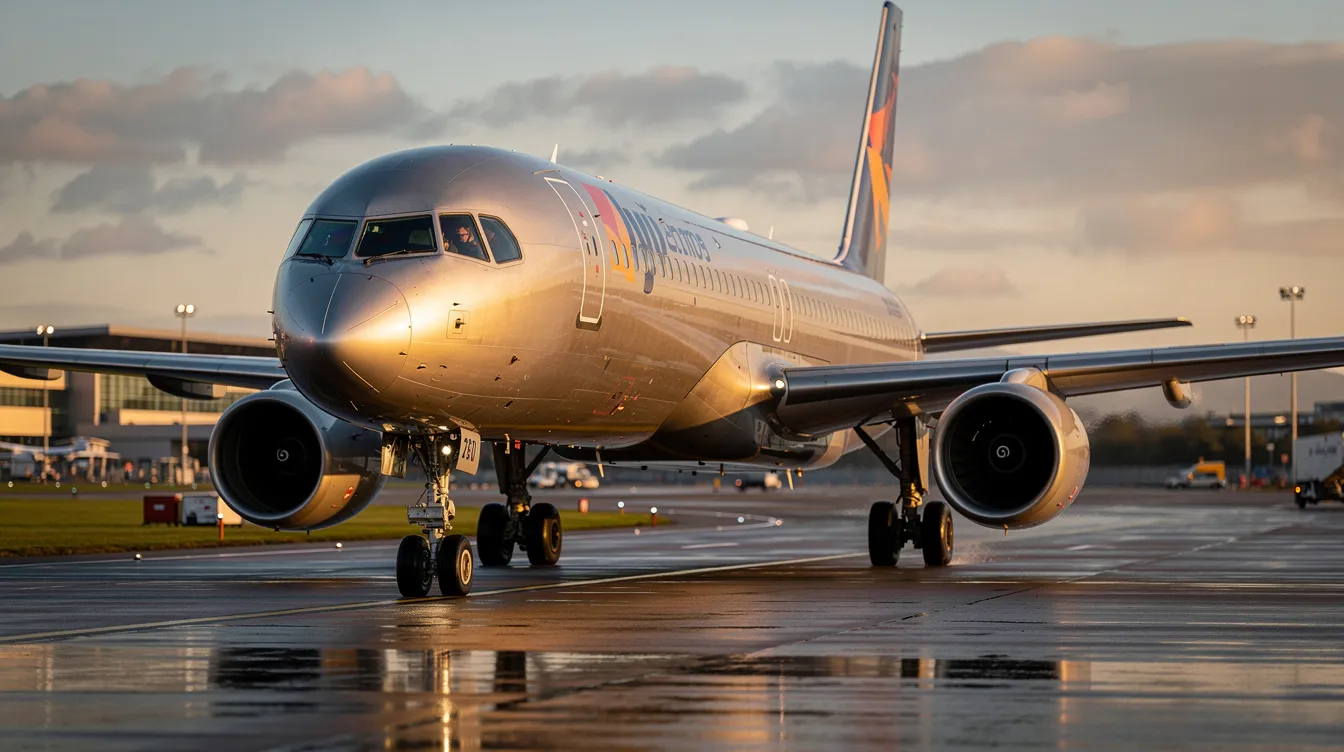
5
min read
Boeing 757 Cost: Purchase Price, Operating Expenses, and Private Jet Options in 2025
The Boeing 757 remains a relevant aircraft in 2025, with costs ranging from $1.5 million to $10 million for used models and operating expenses between $12,000 and $25,000 per hour. VIP conversions can push total investments over $80 million, making chartering a more viable option for many travelers. Jettly offers flexible access to 757-level capacity without the burdens of ownership.
Read MoreJoin our community and receive the latest blog updates directly in your inbox.
MEMBERSHIPS AND ASSOCIATIONS



Disclaimer: Jettly operates as a charter broker, offering access to a global digital jet charter marketplace. Jettly is not a direct air carrier and does not own or operate aircraft. All advertised flights are conducted by third-party air carriers that are fully licensed and hold the appropriate Part 135 or Part 121 certifications issued by the Federal Aviation Administration (FAA) or equivalent regulatory authorities under U.S. or foreign law. Jettly complies fully with the U.S. Department of Transportation's Part 295 and Part 298 Charter Broker regulations. Jettly does not carry additional liability insurance. Passengers are covered by aircraft operator insurance. TICO: 50023770


