



Login
Get Instant Pricing On 23,000+ Aircraft

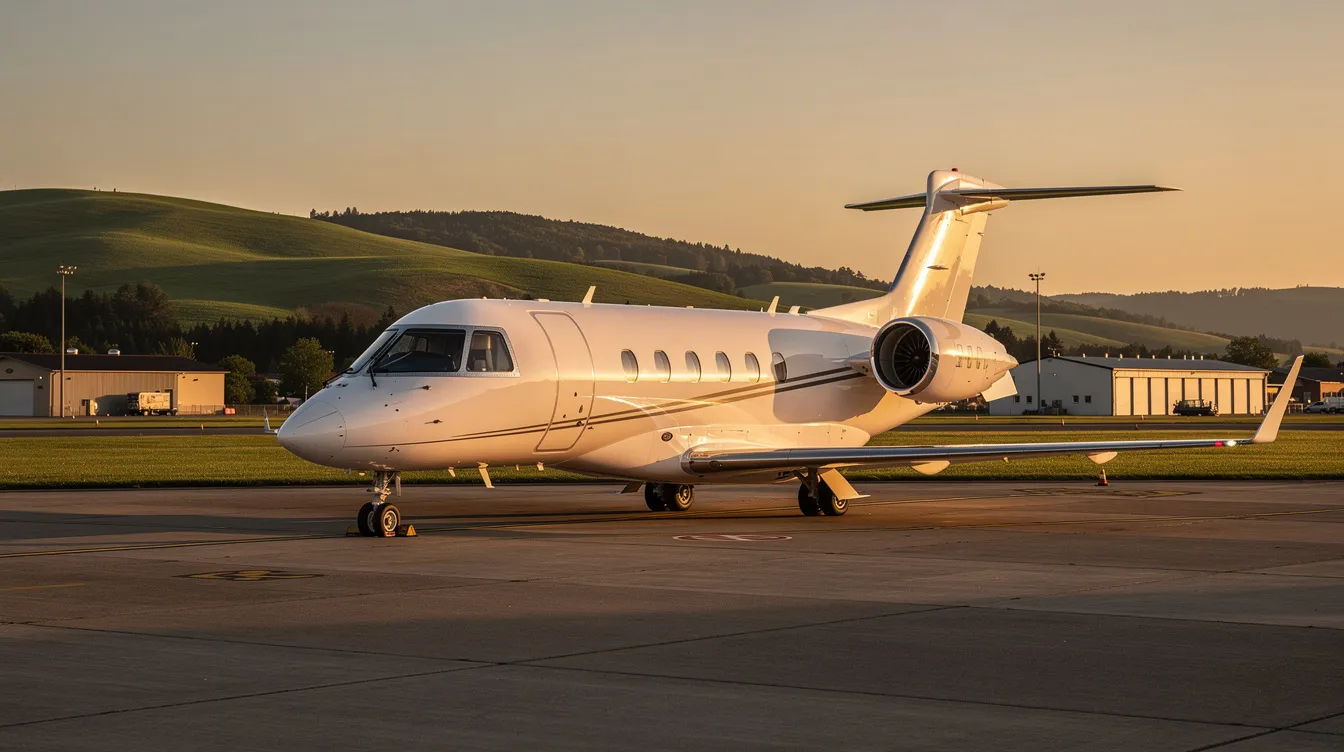
Executive aviation revolutionizes travel by offering private flights tailored to individual schedules and preferences, bypassing the limitations of commercial airlines. With options like on-demand charters and memberships, travelers can enjoy significant time savings, enhanced comfort, and privacy, making it ideal for both business and leisure trips.
Jay Franco Serevilla
Sep 16, 2026
|
5
min read



View all
Jet Agency-style private jet membership allows travelers to enjoy the benefits of private aviation without the burdens of ownership. By connecting clients with certified air carriers, this model offers flexibility, speed, and privacy for those who fly frequently. Jettly exemplifies this approach, providing access to over 20,000 aircraft with transparent pricing and concierge support.
Jeff Ryan Serevilla
Oct 19, 2026
|
5
min read

View all
The Dassault Falcon 8X is recognized as the safest private jet in the world, boasting zero hull loss accidents as of 2024. Its advanced safety features, including a triple-engine layout and a digital flight control system derived from military technology, set it apart from competitors. This aircraft not only prioritizes safety but also enhances passenger comfort and operational efficiency.
Jeff Ryan Serevilla
Oct 19, 2026
|
5
min read
View all
Lodi, CA, offers two primary airports for private flying: Lodi Airport (1O3) and Lodi Airpark (L53). This guide provides essential information for private pilots and charter travelers, detailing airport features, services, and nearby alternatives for efficient travel planning to the Central Valley's wine country.
Jeff Ryan Serevilla
Oct 19, 2026
|
5
min read
View all
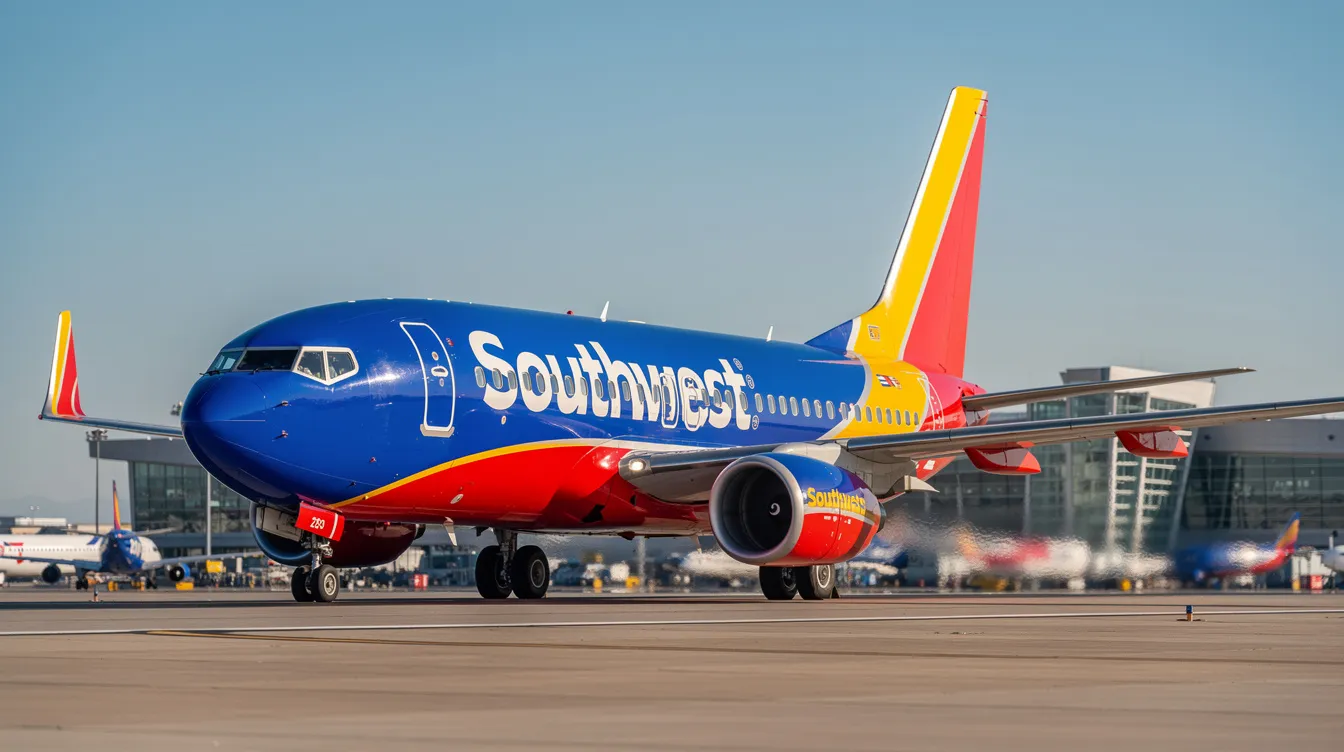
This guide explores the evolving landscape of Southwest Airlines reservations, detailing booking options, fare types, and policies. It also compares these with private jet travel alternatives, highlighting when chartering a jet might be the better choice. Whether you're a frequent flyer or new to private jets, this resource equips you with essential insights for your next trip.
Jay Franco Serevilla
Oct 19, 2026
|
5
min read

View all
The GE Honda HF120 engine is a cutting-edge turbofan that powers the HondaJet family, delivering exceptional performance and efficiency for light business jets. With a focus on fuel efficiency, low emissions, and reduced noise, the HF120 sets a new standard in private aviation. Its advanced design and technology ensure reliability and comfort for charter travelers.
Jay Franco Serevilla
Oct 19, 2026
|
5
min read

View all
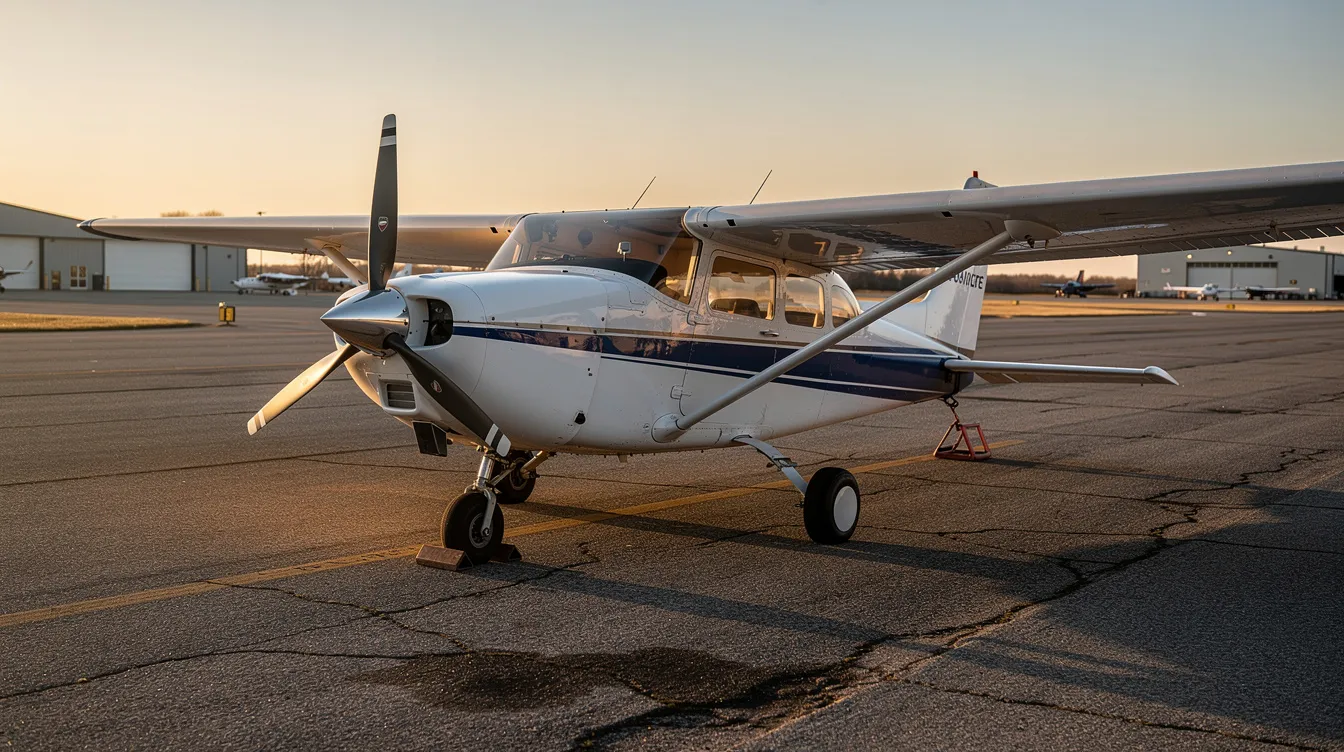
The Cessna 182T Skylane is a popular single-engine aircraft known for its reliability and performance. With a price range from $239,897 to $879,250, buyers can find models from 2001 to 2024. Understanding key factors like total time, engine status, and avionics is crucial for making informed purchasing decisions.
Jay Franco Serevilla
Oct 19, 2026
|
5
min read
Explore our latest articles and updates.
5
min read
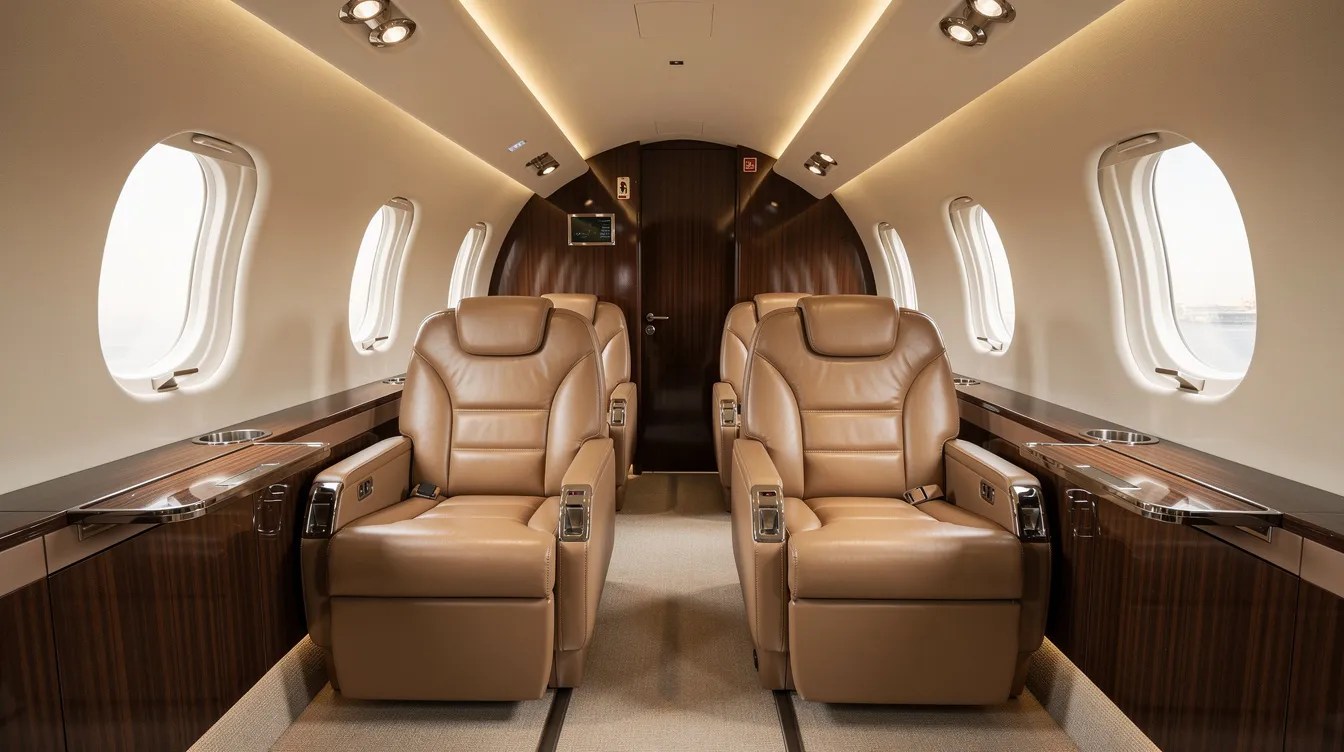
Seating Capacity on Private Jets: How Much Space You Really Get
Choosing the right private jet begins with understanding seating capacity, which affects comfort, space, and cost. This guide details how different jet categories accommodate passengers and how Jettly's platform helps match your group size with the ideal aircraft. Learn about seating layouts and practical considerations for a smooth flying experience.
Read More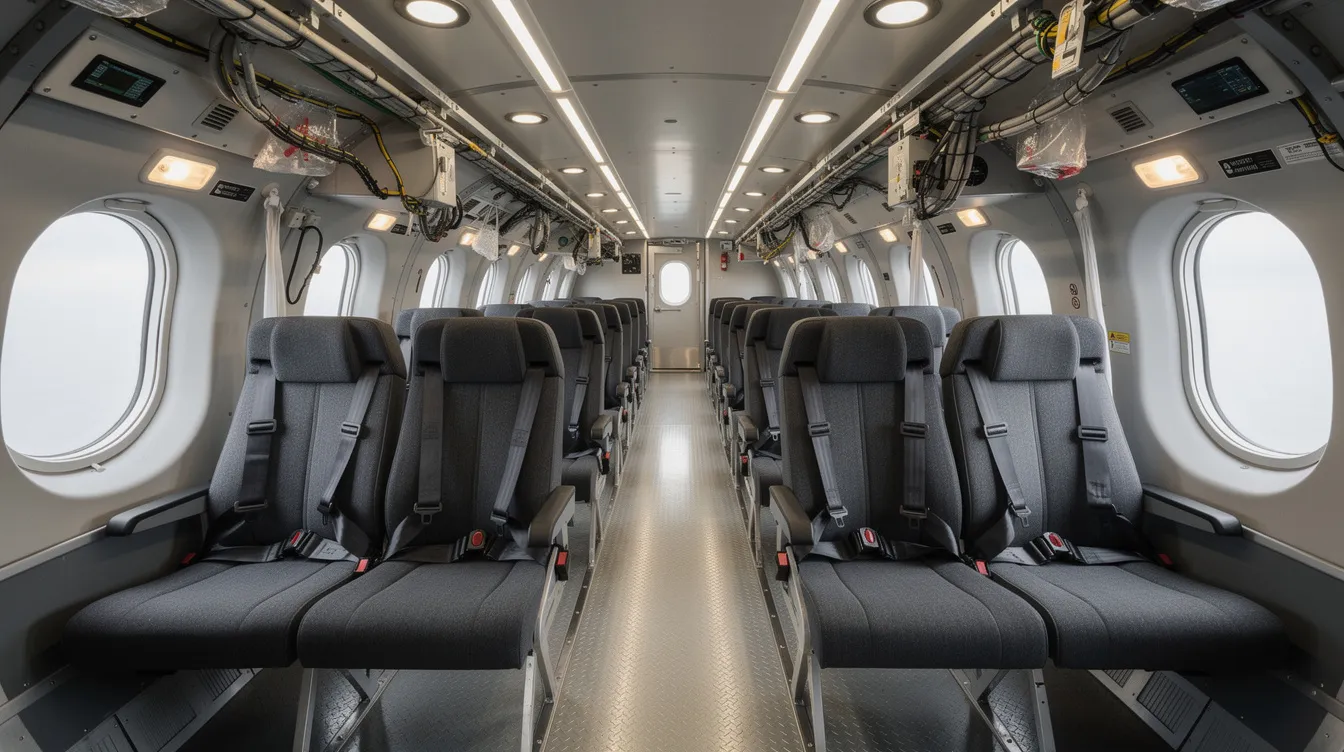
5
min read
Sikorsky S92 Interior: Cabin Layout, Comfort, and Charter Experience with Jettly
The Sikorsky S-92 interior offers a spacious and versatile cabin, accommodating 9 to 19 passengers with advanced comfort features. Ideal for corporate, government, and offshore operations, it combines safety, flexibility, and luxury. Jettly provides tailored charter options to meet diverse travel needs.
Read MoreJoin our community and receive the latest blog updates directly in your inbox.
MEMBERSHIPS AND ASSOCIATIONS



Disclaimer: Jettly operates as a charter broker, offering access to a global digital jet charter marketplace. Jettly is not a direct air carrier and does not own or operate aircraft. All advertised flights are conducted by third-party air carriers that are fully licensed and hold the appropriate Part 135 or Part 121 certifications issued by the Federal Aviation Administration (FAA) or equivalent regulatory authorities under U.S. or foreign law. Jettly complies fully with the U.S. Department of Transportation's Part 295 and Part 298 Charter Broker regulations. Jettly does not carry additional liability insurance. Passengers are covered by aircraft operator insurance. TICO: 50023770


