



Login
Get Instant Pricing On 23,000+ Aircraft

>

American Airlines is a major United States commercial airline, operating roughly 1,030 aircraft to more than 350 destinations worldwide through a hub-and-spoke network and its Oneworld alliance partnerships. For frequent flyers—whether corporate executives, high-net-worth travelers, or families weighing premium commercial travel against private aviation—the real question is how American’s scheduled service compares when flexibility, time, and total trip cost matter most.
This article breaks down American Airlines’ fleet, route network, cabin classes, bag fees, loyalty program, alliances, operational performance, pricing, safety, and environmental impact, then compares those tradeoffs with regional private jet charter through Jettly. The goal is to help travelers decide when American Airlines is the better fit and when on-demand private flying offers more convenience, clearer costs, and meaningful time savings.
American Airlines operates a fleet of 1,030 aircraft and serves over 350 destinations in more than 60 countries, making it a dominant force in commercial aviation. Yet the airline's hub-and-spoke model, ancillary fees, and schedule constraints don't always fit every traveler's needs.
Scale and reach: American operates major hubs in Dallas/Fort Worth, Charlotte, and Miami, with American Eagle regional services feeding smaller cities into those hubs. Its Oneworld alliance membership extends global connectivity further.
Economy and premium experience: Cabins range from Basic Economy (with restrictions like last group boarding) through Flagship First (with lie-flat seats on select routes). Main Cabin seats offer 30–32 inches of pitch, and bag fees start at $45 per checked bag.
Ancillary costs add up: Frequent travelers face bag fees, seat selection charges, and Wi-Fi costs that can significantly inflate the ticket price, especially for families or groups.
Regional gaps vs. private access: American Eagle connects smaller markets to large hubs, but Jettly provides access to thousands of smaller airports and direct routes without layovers.
Hybrid travel approach: Many business and high-frequency travelers are transitioning part of their life's journey from scheduled airlines to on-demand private flights for time savings and privacy. Some fly American on routine routes and use Jettly when schedules don't align or connections waste hours.
Readers can learn more about Jettly's charter options at jettly.com. A full call-to-action appears at the conclusion.
American Airlines is based in Fort Worth, Texas, with its offices situated at the Robert L. Crandall Campus near Dallas/Fort Worth International Airport. It is a founding member of the oneworld alliance, which extends its global reach through dozens of partner airlines.
The airline's history stretches back nearly a century. American Airlines was founded in 1926 as American Airways, adopted its current name in 1934, and will celebrate its 100th anniversary in 2026. Along the way, it started several industry firsts: American was the first airline to fly the Douglas DC-3 in commercial service in 1936, and American pioneered the first computerized reservation system in 1952. Major growth came through deregulation and the 2013 merger with US Airways, forming American Airlines Group Inc (NASDAQ: AAL).
Today, American Airlines maintains engineering and maintenance bases in Tulsa, Oklahoma, and provides comprehensive air cargo services in addition to passenger operations. It offers domestic and international scheduled flights through a hub-and-spoke network, which is fundamentally different from the point-to-point flexibility possible with private jet charter via platforms like Jettly.
American Airlines operates a massive domestic network within the United States and flies internationally with a fleet of 1,030 aircraft as of mid-2026. That number includes mainline Airbus and Boeing types alongside hundreds of regional jets flying under the American Eagle brand.
Mainline aircraft families include:
Airbus A319, A320, A321 (including A321neo)
Boeing 737-800 and 737 MAX variants
Boeing 777-200/300 for long-haul routes
Boeing 787-8/9 Dreamliner
American Eagle is a marketing brand used by several regional airlines, including wholly owned carriers like Envoy Air, PSA Airlines, and Piedmont Airlines, plus contracted operators like SkyWest. These carriers operate smaller jets—Embraer E170/E175, CRJ700/900—on feeder routes into major hubs.
Key hubs include DFW, Charlotte (CLT), Miami (MIA), Chicago O'Hare (ORD), Phoenix (PHX), Philadelphia (PHL), and Washington National (DCA). American Airlines offers flights with one or more stops through these hubs, connecting smaller cities to the broader network.
This hub-centric structure contrasts with Jettly's global private aircraft inventory, where travelers can fly directly between secondary or regional airports without ever setting foot in a congested hub terminal, using tools like Jettly's airport locator platform to identify the most convenient airfields.
American Airlines offers multiple cabins tailored to different budgets. The range of comfort and flexibility varies significantly across fare types, and for some travelers, it's worth comparing those options with strategies for booking the cheapest private jet flights when schedules or comfort needs push you toward charter.
|
Cabin |
Key Features |
|---|---|
|
Flagship First |
Fully lie-flat seats on select aircraft, premium dining |
|
Flagship Business |
Complimentary multi-course meals and lounge access |
|
Domestic First Class |
Seats range from 19–21 inches in width |
|
Premium Economy |
Two free checked bags and priority boarding |
|
Main Cabin |
30–32 inches of pitch, buy-on-board food |
|
Main Cabin Extra |
Extra legroom, early boarding |
|
Basic Economy |
Last group boarding, limited seat selection, higher bag fees |
Wi-Fi is available on most mainline aircraft.
Entertainment options include seat-back screens or streaming, depending on the route and plane.
Bag fees apply on most domestic tickets. As of April 2026, the first checked bag costs $45 if prepaid online or $50 at the airport. The second bag runs $55 to $60. A third checked bag jumps to $200. Basic Economy passengers pay an additional premium on top of these rates. These fees are per person, each way, and don't include taxes. Recent news from America confirmed these increases.
With private charter through Jettly, the price covers the whole aircraft. There are no per-bag charges. Luggage is limited only by the aircraft's weight and cabin capacity, making it far more flexible for families, corporate teams, or travelers with bulky equipment like golf clubs or ski gear.
AAdvantage is American's frequent flyer program. AAdvantage was launched on May 1, 1981, and has grown to over 115 million members as of 2021, making it one of the largest loyalty schemes in aviation.
Here's how it works at a high level:
Members earn miles on flights and through partner spending. The AAdvantage program allows earning miles through credit card purchases with co-branded cards issued by major banks.
Members can redeem miles for tickets and upgrades. AAdvantage allows one-way redemption starting at 7,500 miles.
Elite tiers—Gold, Platinum, Platinum Pro, Executive Platinum—unlock perks. AAdvantage elite members receive priority check-in and upgrades, reduced bag fees, and priority boarding.
Travelers can track AAdvantage miles and loyalty status in the app and manage their account from anywhere.
This "earn and burn over time" model rewards loyalty across many flights. But it requires volume. Compare this with Jettly's on-demand charter approach, where value comes from transparent pricing, aircraft choice, and immediate time savings—no points accumulation needed, especially once you understand the key cost factors behind a single private flight.
A frequent executive flyer might use American for scheduled coast-to-coast routes where AAdvantage status delivers upgrades and lounge access, then book a Jettly charter for a same-day meeting in a city where commercial schedules don't align, especially if they’re looking for a flexible NetJets alternative at lower cost.
American's membership in the Oneworld alliance gives it reach far beyond its own route map. Partner airlines like British Airways, Iberia, Finnair, Japan Airlines, and Qantas connect American flyers to destinations across the world.
Key joint business agreements include:
Atlantic: Transatlantic routes with British Airways, Iberia, Finnair, and Aer Lingus
Pacific: Joint ventures with Japan Airlines and Qantas covering routes across Asia-Pacific, Australia, and New Zealand
Codeshare agreements allow American to market flights operated by partner airlines, broadening destination options. Interline agreements let passengers check bags through to final destinations across multiple carriers on a single itinerary.
These alliances are powerful for international travel. But they don't solve every routing challenge. Jettly aggregates thousands of charter aircraft globally, giving travelers flexible access to cities or remote destinations that traditional alliance networks simply don't cover—especially when you need to leave on your own schedule, a model highlighted in broader guides to charter airlines and private flight options.
American Airlines handles tens of millions of passengers annually. On-time performance matters at that scale.
According to industry data for 2025:
About 73% of Americans' flights arrived within 15 minutes of schedule.
Around 15% ran 15–59 minutes late.
Cancellations accounted for roughly 1.8–2% of operations.
American ranked lower among major US carriers compared to competitors like Delta in the same period. The airline also has one of the highest return rates among major U.S. airlines, suggesting both strong demand and operational turbulence.
When things go wrong, American's app provides tools to manage disruptions. Check-in starts 24 hours before your flight. You can get flight updates and travel restrictions through the app, and rebook flights instantly if your flight is delayed or canceled. A mobile boarding pass lets you clear security and board without paper tickets. Live Activities provide real-time travel updates on iPhone, keeping you informed even when you're away from the gate.
Still, waiting at a crowded hub during irregular operations—weather delays at ORD, congestion at DFW—is a reality most commercial flyers know well. Private charter through Jettly greatly reduces connection risk. Departure times can shift to account for meetings or weather, and smaller airports with less congestion mean less time lost.
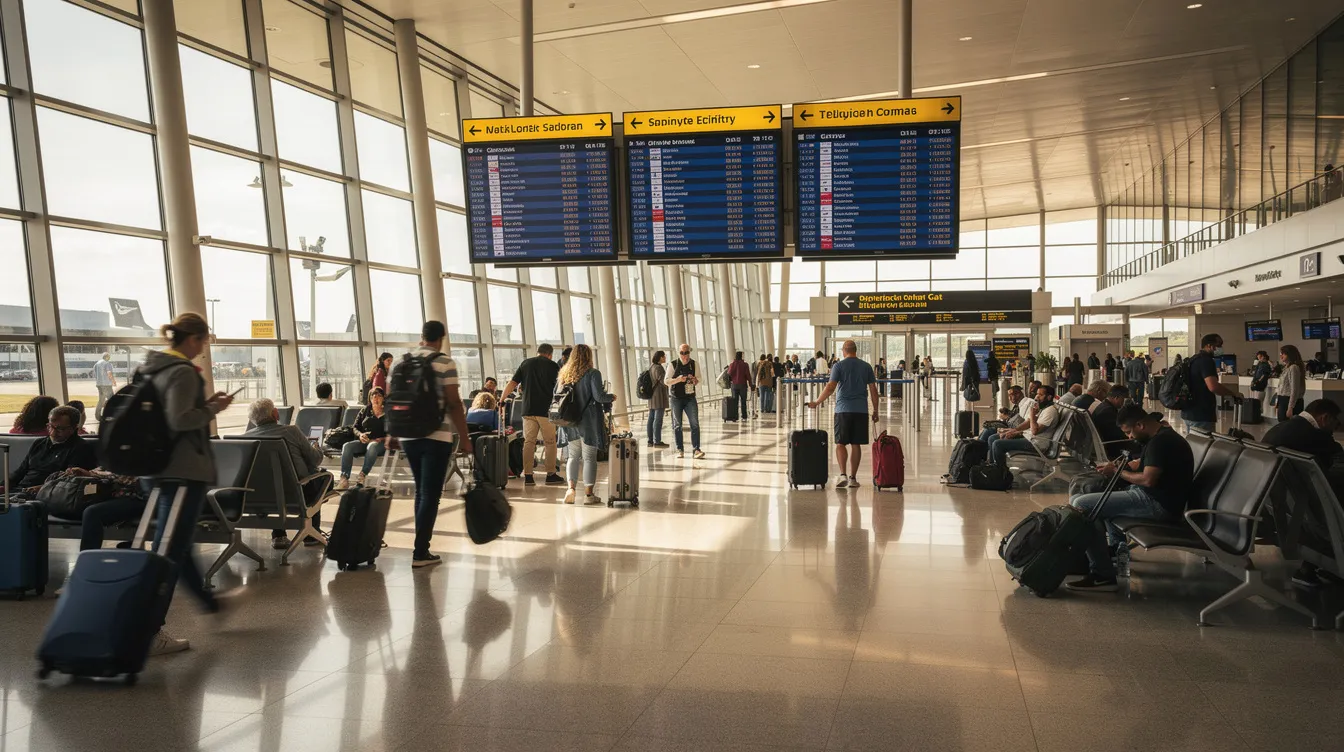
American uses dynamic pricing across fare classes. Fares change based on demand, route, date, and season. What looks like a $199 fare on a search page can grow quickly.
Core cost components beyond the base fare:
Bag fees (first, second, third checked bags)
Seat selection charges on Basic Economy and some Main Cabin fares
Change fees on restrictive fare types
Onboard food and Wi-Fi purchases
Same-day change costs
Consider a four-person family flying round trip. The cost breakdown might look like:
Two checked bags each at $45 per bag per direction: $720 in bag fees alone
Seat selection fees so the family can sit together
Wi-Fi for a long flight
The total cost climbs $200–$400 beyond the published fare
These cost dynamics mirror the variables outlined in guides to affordable aircraft rental costs and options.
Jettly's approach works differently. The price covers the whole aircraft, often including luggage allowance and flexible departure times. For groups, per-person costs narrow significantly, especially when you compare private jet rentals vs. first-class tickets for corporate travel. And the value of time—bypassing security lines, layovers, overnight stays—doesn't show up on an airline ticket but is very real for anyone making high-stakes travel plans.
American Eagle connects smaller markets like Aspen, Vail, and dozens of regional Midwestern and Southern cities to large hubs such as DFW, ORD, and CLT.
Take a concrete example: American Airlines offers nonstop flights from Aspen to Chicago, with round-trip prices for Aspen to Chicago starting at $343. That's competitive on paper. But many Aspen flights route through DFW or another hub, adding hours and the risk of missed connections. American Eagle flights are often operated by carriers like SkyWest under the American Eagle brand, using smaller regional jets with limited overhead bin space and fewer cabin amenities.
Private jet charter through Jettly can serve Aspen's airport—and hundreds of additional smaller airfields not in the commercial network—with access to a broad range of private charter aircraft suited to short runways and regional missions. A business trip between two smaller cities that would otherwise require multiple American Eagle segments and long connection times becomes a single direct flight on your own schedule. You enter the aircraft steps from your car, and you're airborne in minutes.
American Airlines operates under strict FAA oversight and international safety regulations, as do all major US carriers. Managing a fleet of over 1,000 aircraft also involves operational complexity—training flights, maintenance write-offs, and continuous regulatory audits.
In the private aviation world, Jettly works only with licensed operators and aircraft that comply with national aviation authority regulations, such as FAA Part 135 in the US, a framework explained in more detail in Jettly's guide to Part 135 charter companies and why they matter. Safety records and operator standards are critical selection criteria on the platform. For travelers weighing safety, flexibility, and privacy when planning critical trips, both commercial and private options carry robust oversight—the difference lies in how you choose to travel.
Its history includes serious incidents that shaped the entire industry's approach to safety: Flight 191 in 1979, Flight 587 in 2001, and the tragic role of American flights in the September 11, 2001 attacks. Each event drove improvements in security protocols, crew training, and aircraft design that benefit every passenger flying today.
Aviation's contribution to global emissions draws public scrutiny, and large carriers like American are under particular pressure. American has reported emissions in the range of 40–45 million metric tons of CO2e annually in recent years, with a sharp COVID-era drop in 2020 followed by a rebound.
American has committed to net-zero carbon emissions by 2050 and set intermediate targets: a 45% reduction in emissions intensity by 2035 relative to 2019. Key levers include sustainable aviation fuel (SAF), fleet renewal, and modernizing air traffic control.
The airline continues to invest in newer, more fuel-efficient aircraft, with new planes comprising about 26% of available seat miles in 2024.
Private aviation faces similar environmental scrutiny. Jettly addresses this through its carbon offsetting program, eco-friendly aircraft options, and operational practices that reduce unnecessary positioning flights and fuel burn, aligning with broader discussions about private jet emissions and cleaner ways to fly. For environmentally caring travelers, the choice isn't binary. Shared charters, turboprops, or efficient light jets—often highlighted when choosing the best cross-country aircraft for your journey—can sometimes produce lower per-passenger emissions than a half-empty regional jet on an American Eagle route.
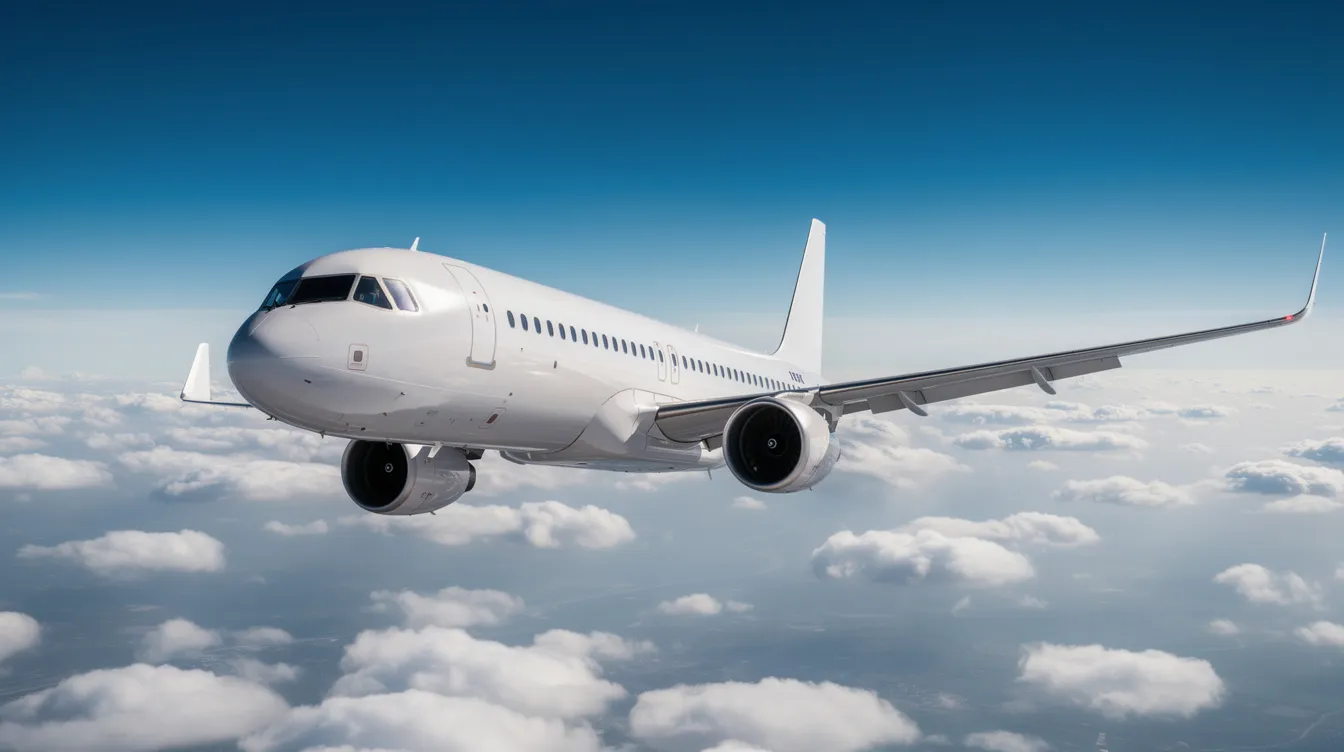
This is the practical decision-making section. Neither option is universally better—it depends on the trip profile.
American Airlines is often the better fit when:
You're a solo traveler or a couple on a long-haul international flight
You're booking a price-sensitive leisure trip well in advance
American offers convenient nonstop service on your route with competitive fares
Private jet charter through Jettly is more compelling when—whether as a full aircraft or via shared charter flights versus full charters, depending on your budget and privacy needs—:
You're running multi-city business itineraries in a single day
A group is traveling together, narrowing per-person costs
The trip is urgent, medical, or time-sensitive
Your destination airport isn't served—or is poorly served—by American or American Eagle
Time savings are concrete: skip check-in lines, arrive minutes before departure at a private terminal, use a smaller airport closer to your final destination, and avoid overnight stays forced by commercial schedule gaps. Many frequent travelers use a hybrid approach—American for standard routes, Jettly for high-value, time-critical legs—optimizing both budget and productivity across their way of traveling, while leveraging tactics for getting a seat on a private jet easily and affordably.
Jettly is a digital private aviation platform that complements, rather than replaces, commercial travel on airlines like American, with optional private jet membership plans for frequent flyers who want predictable access and wholesale pricing.
Core features—whether you pay as you go, rely on access to thousands of private charter aircraft worldwide, or estimate costs in advance with a jet card flight cost estimator:
Global access to over 20,000 unique aircraft
Instant charter pricing and availability
Transparent cost breakdowns with no hidden fees
Digital booking without jet card commitments or fractional ownership
Jettly fills network gaps around American's schedule. Need an early-morning departure not offered commercially? A last-minute route change? A direct flight between two non-hub cities? These are allowed and routine on the Jettly platform.
Convenience features that frequent American flyers will appreciate include tailored aircraft selection (light jet, midsize, heavy, or turboprop), in-flight catering, privacy for confidential meetings, and the ability to integrate ground transportation to and from private terminals, along with options to buy just a seat on a private jet on certain shared or semi-private routes.
If you already fly American regularly, exploring whether occasional private charter through Jettly could reduce travel friction is worth a few minutes on the site. Learn how to book a private jet and see how it fits alongside your existing travel routine, or explore structured jet card programs for frequent private flyers if you anticipate higher-volume use.
Experience private travel tailored to your schedule. Discover flight options or request a quote at jettly.com.
These questions address common topics about the relationship between flying American Airlines and using private jet charter services like Jettly.
Per-seat pricing on American is usually lower than chartering an entire aircraft, especially for solo travelers on popular routes. However, private charter becomes cost-competitive for groups, complex itineraries, or when you add up bag fees, hotel nights from missed connections, and lost productive hours, especially once you understand how much a private jet can cost across ownership, leasing, and charter options. Jettly's instant pricing tool lets you quickly compare a private quote against American's published fares for the same route and date.
Yes, but they're booked separately—American through standard airline channels and Jettly through its platform. Travelers frequently combine them in one overall itinerary. For example, you might fly American into MIA on a long-haul international flight, then transfer to a Jettly-arranged private flight to a smaller regional airport closer to your final destination. You'd receive a booking confirmation and email from each provider independently.
Private jet pricing through Jettly typically covers the aircraft as a whole, so there are no per-bag fees. Luggage is limited by aircraft size, safety regulations, and weight-and-balance constraints rather than a fee schedule. Share accurate baggage details with Jettly in advance so the platform can match you with an aircraft that comfortably accommodates everything, whether you reserve the full aircraft or tap into crowdsourced private jet flights that share empty seats.
Commercial passengers with American go through standard airport security checkpoints—or expedited lanes like TSA PreCheck—which can involve queues and require arriving well before departure. Private flights handle security differently at fixed-base operators (FBOs) and private terminals, often allowing passengers to arrive much closer to departure. Learn more about private jet security procedures and how they differ from commercial screening.
High-frequency business travelers, executive teams, entertainers, medical professionals, and families coordinating complex schedules gain the most from a hybrid approach. Anyone regularly frustrated by connections, bag fees, or the lack of nonstop options on American should consider requesting a quote from Jettly or reviewing top private jet charter companies and how they compare. Even one or two private segments per year can simplify an otherwise responsible but stressful travel calendar and add real productivity back to your day.
American Airlines remains a cornerstone of commercial aviation with extensive global reach, a broad fleet, and a comprehensive loyalty program. However, its hub-and-spoke model, ancillary fees, and schedule limitations may not suit every traveler’s needs. For those seeking flexibility, time savings, and direct access to a wider range of airports, private jet charter through Jettly offers a compelling alternative or complement. By combining the strengths of American Airlines for routine, long-haul travel with Jettly’s on-demand private flights for time-sensitive or regional trips, travelers can optimize convenience, cost transparency, and overall travel experience. Explore private flight options or request a quote at jettly.com to see how private aviation can fit into your travel plans. Learn more about Jettly’s charter options at https://www.jettly.com.
Share this post:
Jay Franco Serevilla
Jul 13, 2026
|
5
min read
Discover tips and trends in the industry.
5
min read
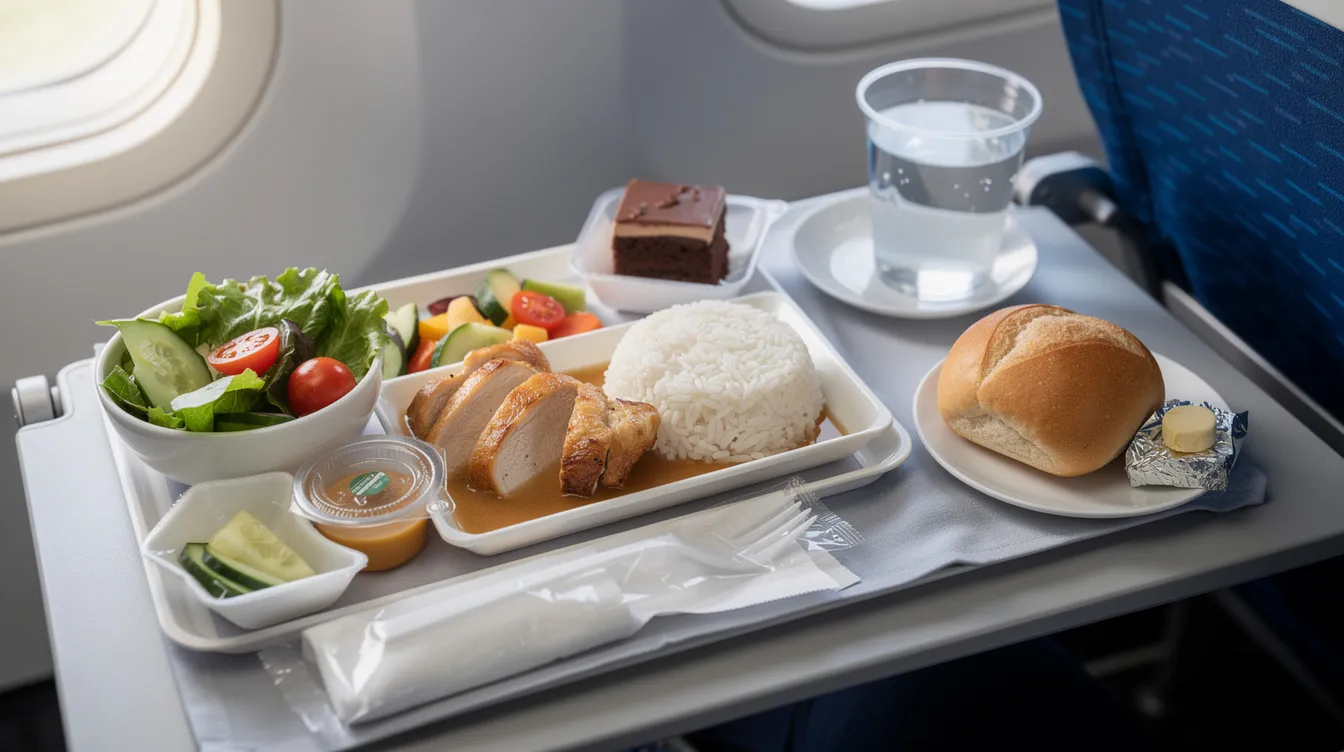
Delta Food Menu: What to Expect on Delta Flights vs. Private Jet Dining
Delta's food menu varies by cabin class, route, and season, offering everything from snacks on short domestic flights to gourmet meals in Delta One. In contrast, private jet dining through Jettly provides fully customized meal options tailored to individual preferences and dietary needs. This guide compares the dining experiences on Delta flights with the flexibility of private jet catering.
Read More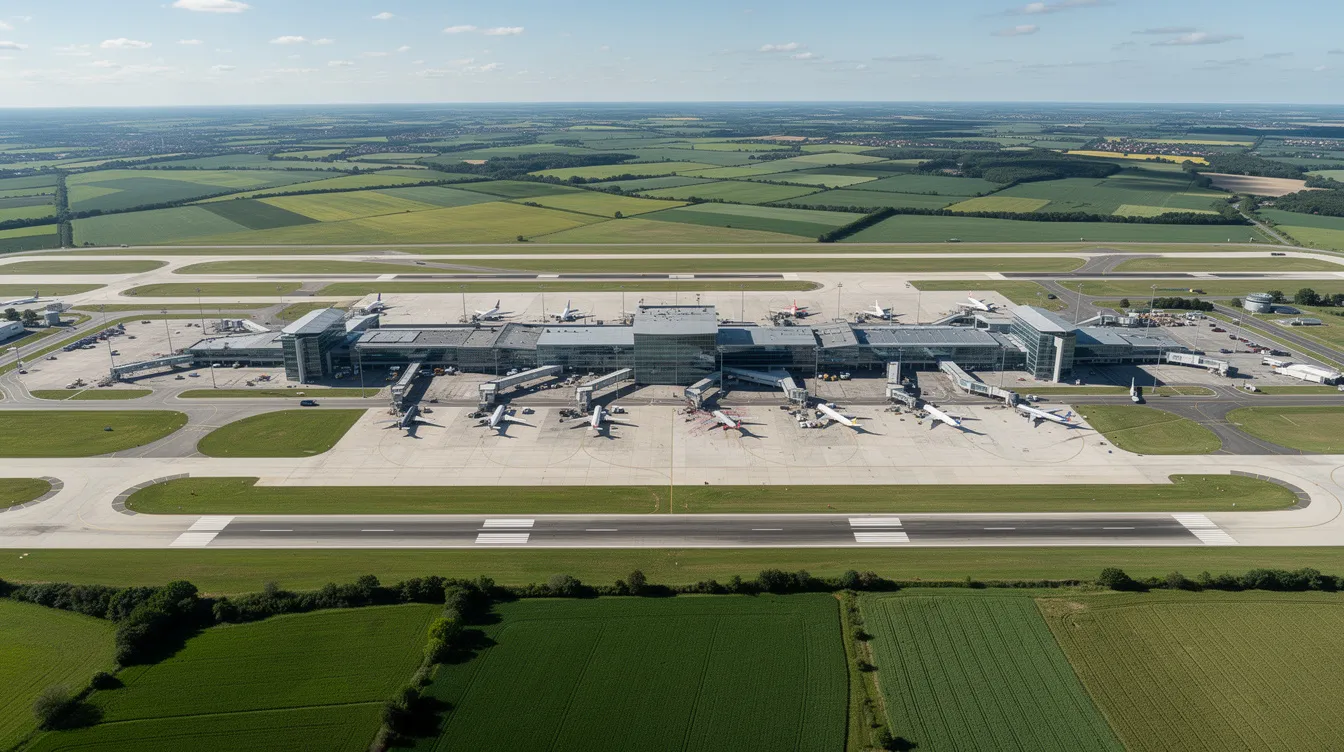
5
min read
Private Jet Manchester: Charter Guide to MAN & Liverpool John Lennon
This guide provides essential information for chartering private jets from Manchester and Liverpool John Lennon airports. It covers airport details, costs, aircraft options, and the convenience of using Jettly's platform for seamless booking. Whether for business or leisure, private jet travel offers unmatched flexibility and luxury.
Read MoreStay updated with our latest insights and tips to elevate your journey with us.
MEMBERSHIPS AND ASSOCIATIONS



Disclaimer: Jettly operates as a charter broker, offering access to a global digital jet charter marketplace. Jettly is not a direct air carrier and does not own or operate aircraft. All advertised flights are conducted by third-party air carriers that are fully licensed and hold the appropriate Part 135 or Part 121 certifications issued by the Federal Aviation Administration (FAA) or equivalent regulatory authorities under U.S. or foreign law. Jettly complies fully with the U.S. Department of Transportation's Part 295 and Part 298 Charter Broker regulations. Jettly does not carry additional liability insurance. Passengers are covered by aircraft operator insurance. TICO: 50023770


