


Login
Get Instant Pricing On 23,000+ Aircraft

>
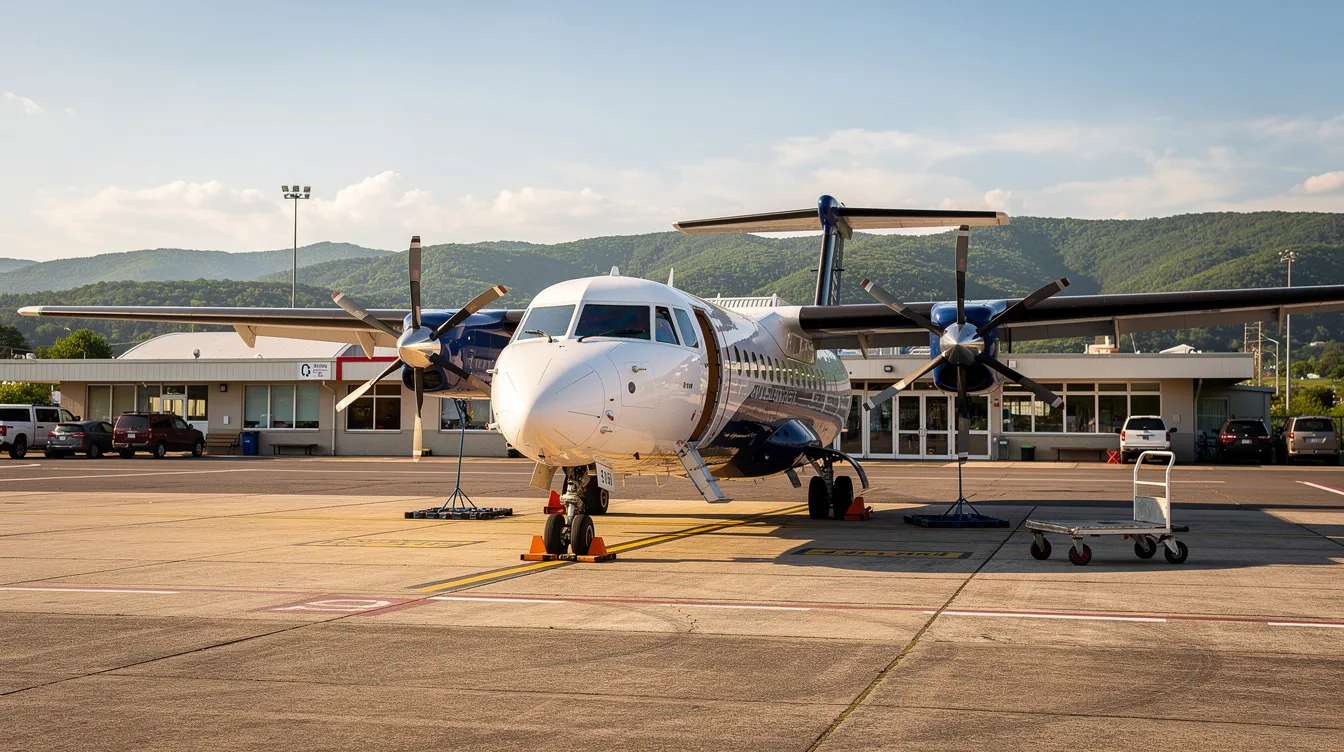
The ATR 72-500 sits in a category few aircraft can match: a proven, cost-efficient turboprop (a turboprop is an aircraft powered by turbine engines that drive propellers) built for the routes and airports that larger aircraft simply cannot serve.
This guide is for regional airline planners, charter brokers, and group travel organizers considering the ATR 72-500 for their operations. Understanding the ATR 72-500's capabilities helps operators and travelers make informed decisions about regional air travel.
Here's what makes it a standout option for regional airlines, cargo operators, and group charter customers alike.
The ATR 72-500 is a twin-engine turboprop regional airliner known for low operating costs and versatility on short, high-frequency routes. It remains one of the most widely flown regional aircraft in the world, with a strong presence across multiple continents.
The ATR 72-500 (ATR 72-212A) was produced from 1997 to 2011 and remains widely used for passenger, cargo, and special mission operations globally.
Operating cost is approximately $2,879 per hour, making it one of the most economical regional aircraft in active service.
Major operators worldwide fly the ATR 72 family on short runways, island routes, and mountainous terrain where jets cannot efficiently operate.
The aircraft typically seats 68 to 74 passengers and has a maximum capacity of 78 passengers in high-density layouts.
Platforms like Jettly can source ATR 72 aircraft for group charters and cargo missions where turboprops deliver better value than regional jets, alongside a broad range of other private charter aircraft.
The ATR 72-500 occupies a central place in the ATR aircraft family. It refined the original ATR 72 formula with better engines, quieter propellers, and improved performance, becoming a benchmark for regional turboprop economics.
Avions de Transport Régional (ATR) was established in 1981 as a Franco-Italian joint venture between Aérospatiale, now part of Airbus, and Aeritalia, now part of Leonardo. The company was created with a focused mission: to design and manufacture efficient regional turboprops for routes that mainline jets couldn't serve profitably while supporting more responsible regional aviation.
The original ATR 72 program launched in 1986. It was developed as a stretched, higher-capacity evolution of the earlier ATR 42, targeting approximately 70 seats with increased fuel capacity and range. The prototype completed its maiden flight on 27 October 1988. The ATR 72-500 entered commercial service on 27 October 1989 through Finnair, marking the beginning of the type's decades-long presence in regional aviation.
The first flight of the ATR 72-212A variant took place in 1996, and ATR rebranded it as the ATR 72-500 in May 1998 to clearly signal performance and comfort upgrades over the ATR 72-200 and 210 variants. A notable milestone came on 28 April 2000, when the 600th ATR aircraft was delivered, underscoring the company's growing global footprint.
Production of the ATR 72-500 gradually wound down after ATR announced the ATR 72-600 series in January 2007. By the early 2010s, the new delivery focus had shifted entirely to the -600. Still, the -500 had already been delivered to dozens of regional airlines across Asia, Europe, Africa, and Latin America.
What set the -500 apart at launch was clear: lower fuel burn, a quieter cabin, and low operating costs that undercut many regional jets on sectors under 500 to 800 nautical miles.
The ATR 72-500 sits between the earlier ATR 72-200/210 models and the later ATR 72-600, offering meaningful upgrades over the former without the higher acquisition cost of the latter. For many operators, it hits a practical sweet spot.
The most visible change from older variants was the introduction of six-blade Hamilton Sundstrand 568F composite propellers. These reduced cabin noise and vibration substantially compared with the four-blade systems used on the ATR 72-200/210, improving the passenger experience on frequent short hops.
The ATR 72-500 is powered by two Pratt & Whitney Canada PW127F engines, each rated at approximately 2,475 shaft horsepower at takeoff. This gave the aircraft improved performance in hot and high altitude conditions, a critical factor for operators in Southeast Asia, Latin America, and mountainous terrain.
Key system upgrades over older variants include:
Propeller Electronic Control (PEC) for better propeller management
Refined landing gear for high-cycle operations
Improved cabin insulation and acoustic treatment
Harmonized flight deck layout with the ATR 42-500
The ATR 72-600, by contrast, adds a modern glass cockpit with five LCD screens, a slightly higher maximum takeoff weight of around 23,000 kg versus 22,000 kg, and updated avionics. The -500 retains more analogue instrumentation, which keeps its acquisition and leasing costs competitive in the used aircraft market.
For many operators, the ATR 72-500 remains attractive precisely because of its proven reliability, simpler cockpit systems, and the fact that it's already been manufactured, delivered, and operated for decades with a well-understood maintenance profile.
This section gives a high-level overview of the ATR 72-500's specifications for readers comparing it to other regional aircraft for scheduled or charter operation.
|
Specification |
ATR 72-500 Details |
|---|---|
|
Engines |
2 × Pratt & Whitney Canada PW127F |
|
Engine Power (Takeoff SHP) |
~2,475 shaft horsepower per engine |
|
Seating Capacity |
68 to 74 standard, up to 78 high-density |
|
Cruising Speed |
Approx. 463 km/h (250 knots) |
|
Maximum Cruise Speed |
Up to 500 km/h |
|
Range |
About 890 nautical miles (1,648 km) |
|
Maximum Takeoff Weight (MTOW) |
22,000 kg (48,501 lbs) |
|
Wingspan |
Approx. 27.1 meters |
|
Length |
Approx. 27.2 meters |
|
Service Ceiling |
Around 25,000 feet |
|
Takeoff/Landing Runway Length |
Typically 1,200 to 1,300 meters |
|
Operating Cost per Hour |
Approximately $2,879 |
The aircraft has excellent short-field capabilities, allowing operations from smaller regional airports. The ATR 72-500 can take off and land at smaller runways effectively, typically needing only 1,200 to 1,300 m, which opens access to airports that larger aircraft and jets cannot serve—especially when paired with tools like Jettly's airport locator tool to identify suitable fields.
Average direct operating cost estimates fall in the $2,800 to $3,000 per flight hour range for passenger operations, depending on fuel price and utilization rates. This positions it as one of the most cost-efficient aircraft in the regional market segment.
The ATR 72-500 balances conventional mechanical controls with modern safety features, giving pilots a responsive yet well-protected platform for regional flying.
Primary flight controls are mechanically actuated through cables, rods, and pulleys with aerodynamic balancing. Spoilers assist roll control and improve landing performance. Stall protection is built in through dual stick shakers, a stick pusher, and angle-of-attack monitoring managed by onboard computers.
The Automatic Flight Control System includes a three-axis autopilot, flight director, and yaw damper. These systems reduce pilot workload during cruise and approach phases, which matters on routes where crews may fly six to eight legs per day.
Late-build ATR 72-500 aircraft can feature a partial glass cockpit with LCD screens, while earlier production models rely more on analogue gauges with digital enhancements. Most operators have since upgraded their aircraft with GPS, ADS-B Out, and performance-based navigation capabilities such as RNP and LPV approaches, keeping the fleet current with evolving regulatory standards.
It is powered by two Pratt & Whitney Canada PW127F engines, part of the PW100 family that has served regional turboprops since the 1980s.
Each PW127F delivers approximately 2,475 SHP at takeoff, providing adequate power for short runways and airports at elevation. The three-shaft design, dual centrifugal compressors, and modern engine control systems optimize fuel consumption and reliability for high-cycle regional operations.
The PW100 family has accumulated tens of millions of flight hours worldwide, supporting a strong reliability record and broad maintenance network. Newer evolutions like the PW127M and PW127XT used on later ATR models build on this core design with improved fuel efficiency and extended time between overhauls.
The ATR 72-500 is a practical, comfortable regional aircraft rather than a luxury jet. But for larger private or corporate groups, it offers a cabin that gets the job done at a fraction of the per-seat cost of multiple smaller planes.
The cabin of the ATR 72-500 features modern materials and advanced acoustic treatment. It is arranged in a 2+2 seating layout, with the aircraft typically seating 68 to 74 passengers in an all-economy configuration and a standard seat pitch of around 30 to 31 inches. The ATR 72-500 features a wide cabin with modern LED lighting, relatively large windows, and overhead bins sized for regional travel.
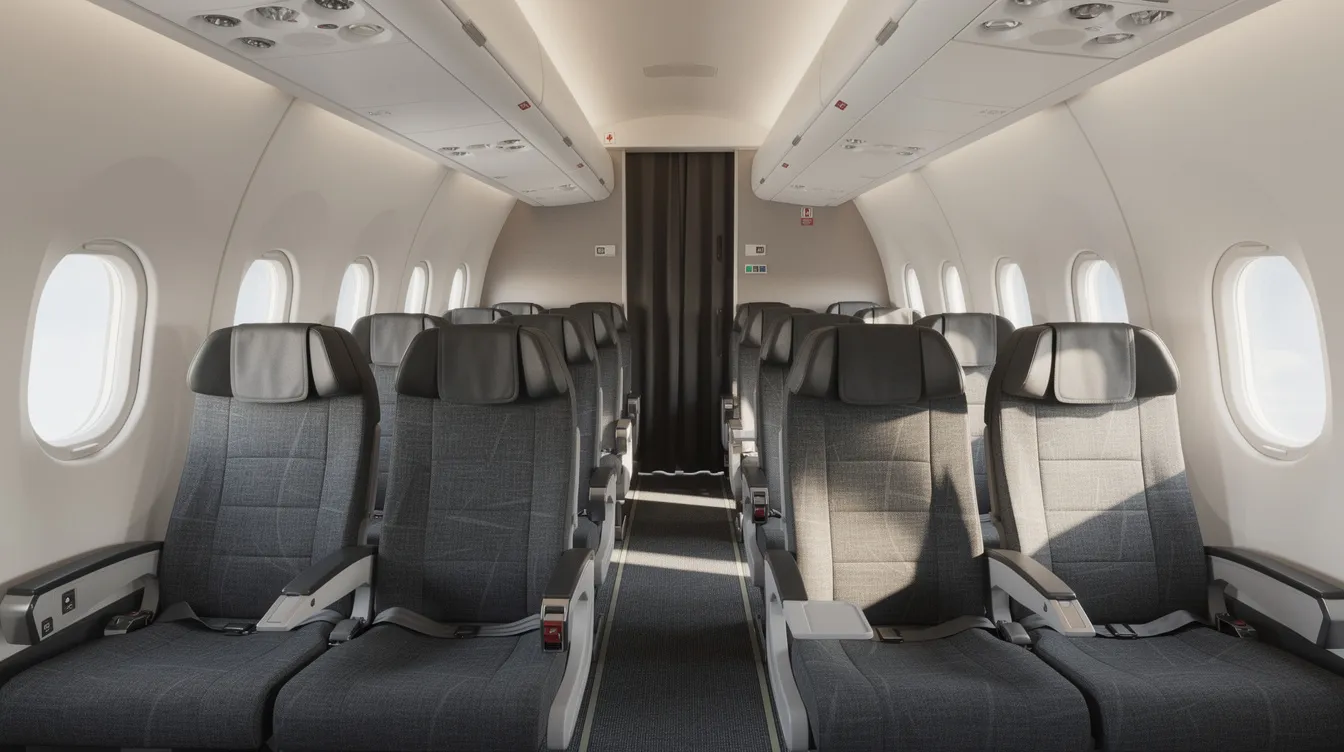
Some operators configure the cabin at a lower density, around 64 to 68 seats, to provide more legroom on longer domestic routes. True business-class cabins are rare on the ATR 72-500. When offered, they're usually created by blocking seats and using a curtain rather than installing dedicated premium seating.
For charter readers, the aircraft works well for corporate shuttles, sports team travel, incentive trips, or large family groups where cost per seat is critical. Compared with booking three or four light jets, a single ATR 72-500 moves 50 to 70 passengers at a significantly lower per-person rate.
The ATR 72-500 plays a meaningful role in regional cargo and mixed passenger-freight operations, extending its usefulness well beyond scheduled airline service.
The ATR 72-500 can be configured for cargo operations or passenger and cargo combinations. Freighter conversions like the ATR 72-500(F) can carry close to 8,900 kg of payload over approximately 800 nautical miles. Many passenger ATR 72-500s have been converted into bulk or ULD freighters as they age out of passenger fleets, leveraging their low fuel burn and short-field performance for cargo work.
Combi layouts, which dedicate part of the cabin to cargo and the remainder to passengers, are a common solution for remote communities and northern or island operations. Jettly can source both passenger and freighter ATR 72 aircraft for charter customers needing group travel or time-critical regional cargo uplift.
The ATR 72-500 is a workhorse of regional aviation, flown intensively on short sectors across multiple continents. The ATR 72-500 is utilized globally by airlines to connect smaller cities and hubs, filling a niche that larger aircraft and jets cannot serve efficiently.
Typical use profiles include 200 to 300 nautical mile sectors, block times of around 50 to 80 minutes, and aircraft often flying six to eight legs per day. The plane's short-runway capability and efficient turboprop engines make it ideal for mountainous regions, archipelagos, and secondary airports, much as regional jets like the Canadair CRJ-200 serve higher-speed short-haul markets.
Key geographic regions where ATR 72s are prominent—including markets such as India, where services like private jet charter in Chennai complement regional turboprop links:
Southeast Asia: Indonesia (Wings Air, one of the largest operators), Philippines, Thailand
South Asia: India, Sri Lanka, including corridors where private jet charter in Hyderabad connects with regional feed
Europe: Nordic countries, Mediterranean islands (Binter Canarias), and busy regional gateways similar to those served by private jet charter in Kolkata
Africa and Latin America: multiple regional carriers, often feeding into major hubs comparable to those covered by private jet charter in Houston
Air New Zealand's Mount Cook airline operated ATR 72-500s on provincial trunk routes in New Zealand, demonstrating the type's versatility across varied terrain. Most operators maintain a mixed fleet of -500 and -600 variants, with the -500 still active in scheduled passenger service, cargo operations, and government roles.
A concrete example: inter-island flights in Indonesia or Greece, where runways may be 1,200 m, and demand is for 50 to 70 seats several times daily. These are routes where the ATR 72 thrives, and jets struggle.

ATR 72 aircraft aren't traditional "private jets," but they can be chartered as cost-effective solutions for large groups moving regionally.
Common charter scenarios include:
Company employee shuttles between regional hubs
Sports teams traveling to away games
Tour groups visiting islands or remote destinations
Event-based movements for conferences or festivals
On routes under about 500 nautical miles, the ATR 72-500 can offer a lower cost per seat than regional jets while still delivering schedule flexibility and access to airports that jets can't reach. Jettly's platform can compare ATR 72 options alongside jets and other turboprops, allowing customers to balance budget, group size, and flight time while using resources such as its private jet charter cost estimator to approximate trip pricing. On many charter movements, passengers can board quickly at smaller regional airports with streamlined ground handling.
Charter planners should consider baggage capacity, preferred seating layout, onboard catering options, and ground transport coordination at smaller airports where terminal services may be limited.
Low operating costs made the ATR 72-500 a favorite for regional airlines and an attractive platform in the charter market for high-density groups. The ATR 72-500 is highly regarded for its fuel efficiency and low operating costs across the industry.
The fuel efficiency advantage is substantial. The ATR 72-500 burns roughly 30% less fuel per passenger than comparable regional jets. On some route profiles, fuel consumption can be half that of alternatives, making it a clear choice for operators where fuel is the dominant variable cost.
The numbers tell the story clearly. Operating cost is approximately $2,879 per hour. The ATR 72-500 has a trip cost advantage of 45% over many regional jet competitors. Maintenance costs are lower compared to competing regional jets due to the simpler turboprop architecture. Yearly savings on operating costs can reach $2 million per aircraft when compared to equivalent-capacity jets on similar route networks.
The aircraft achieves low seat-mile costs through a combination of a light airframe, optimized cruising speed for short routes, and efficient PW127 engines paired with 70-seat capacity. The ATR 72-500 emits significantly lower carbon dioxide per passenger-kilometer than regional jet alternatives, aligning with airlines' growing sustainability commitments, while Jettly's ULTRA High Ticket Affiliate Program allows partners to promote such efficient charter solutions.
For charter customers booking through Jettly, these economics translate into attractive per-seat pricing when spreading aircraft costs across 60 to 70 travelers on a single flight, whether they opt for shared charter flights or full charters.
Stacking the ATR 72-500 against its closest competitors reveals clear trade-offs.
The ATR 72-600 offers a glass cockpit and slightly higher weights, but at a higher acquisition cost. The ATR 42-500 is smaller, seating about 48, and better suited for thinner routes. The De Havilland Dash 8-400 is generally faster and carries slightly more passengers, but the ATR 72 series is often favored for lower fuel burn and simpler maintenance on shorter sectors.
Compared with regional jets like the Embraer ERJ or CRJ families, turboprops win on cost and environmental performance on short routes. Jets may offer slightly shorter block times, but for typical flights of 45 to 90 minutes, total journey time differences are often small once airport processes are factored in, especially in private charter scenarios where boarding is streamlined.
Jettly's role is to help customers choose the right aircraft type by presenting transparent pricing and performance trade-offs for each mission, whether that's a turboprop or a jet, supported by its guidance on affordable private jet charter.
Safety and reliability are central concerns for airlines, regulators, and charter clients. The ATR 72 family has decades of operational history to evaluate.
The ATR 72-500 has a strong safety record due to advanced avionics and de-icing systems. The broader ATR 72 fleet has operated since 1989, accumulating millions of flight cycles across tropical, cold, and mountainous environments.
Over its lifetime, the ATR 72 has recorded 66 accidents and incidents. There have been 40 hull losses involving the ATR 72, and the aircraft has resulted in 532 fatalities since its introduction, including fatal events in which ATR 72 aircraft have crashed. The first fatal accident occurred on 31 October 1994, and the most recent accident occurred on 9 August 2024. The ATR 72 family has a hull loss rate of 0.44 per million departures.
Many incidents have been linked to severe weather, icing conditions, or operational decisions rather than fundamental design flaws. Ongoing safety improvements include updated icing procedures, crew training enhancements, avionics upgrades, and rigorous regulatory oversight from EASA and other authorities.
The ATR 72-500's design emphasizes structural robustness with its high-wing configuration, redundant critical systems, and landing gear suited for frequent cycles on short runways. Charter flights arranged via Jettly are operated by licensed air carriers that must meet strict safety and maintenance standards in their respective jurisdictions.
Maintainability and global support networks are key reasons airlines continue to operate the ATR 72-500 well beyond initial production runs.
Regional turboprops follow structured maintenance intervals-line checks, A and B checks, and periodic heavy checks-that keep aircraft in safe operating condition throughout their service life. ATR's long production history and broad installed base ensure availability of parts, technical support, and third-party MRO capacity worldwide.
Many ATR 72-500s transition from passenger service to cargo or special missions later in life, extending the economic usefulness of the airframe. When Jettly sources an ATR aircraft for a charter, it draws from operators who keep aircraft on active maintenance programs aligned with manufacturer and regulatory requirements.
The ATR 72-500 is an efficient option on Jettly for large group travel and regional cargo charters. It fills a gap between small business jets and full-size airliners, offering capacity and economics that neither category can match on short routes.
Ideal passenger use cases include corporate groups of 40 to 70 travelers, sports teams, music tours, and tour operators moving guests between regional destinations or islands. On short routes, choosing an ATR 72-500 through Jettly can be significantly more economical per seat than booking multiple smaller jets or paying for a larger aircraft that's mostly empty.

Cargo and logistics applications include the rapid delivery of time-sensitive freight, humanitarian supplies, or e-commerce shipments between regional hubs and smaller airports.
Example itineraries that fit the ATR 72-500 well, which may also be combined with long-haul segments on aircraft like the Airbus A330-300 for intercontinental travel:
Toronto to Montreal group charter: a 45-minute hop for a company retreat
Athens to Greek islands shuttle: moving tour groups between Santorini, Mykonos, and Crete
Intra-Gulf regional hops: connecting secondary cities across the region
Jettly's platform offers instant pricing, transparent cost breakdowns, the ability to compare turboprops and jets side-by-side, and access to a global network of certified operators. The ATR 72-500 is about value, flexibility, and access to smaller airports, fitting Jettly's focus on efficient, tailored private travel.
Ready to explore group charter options or compare turboprop pricing? Visit Jettly to get started.
This FAQ addresses common questions about the ATR 72-500 that cover charter considerations, comfort, and practical factors for group travel planners, complementing broader guidance on how to buy a seat on a private jet.
The ATR 72-500 is ideal when the priority is moving 40 to 70 people cost-effectively rather than offering an ultra-luxury cabin for a small group. Per-seat costs are typically far lower than chartering multiple business jets, especially on short regional routes. The cabin feels similar to a modern regional airline, with straightforward seating and ample headroom, but without the lounge-style interiors of long-range business jets. Jettly can show customers both ATR and jet options so they can decide whether group size or premium cabin experience matters most for a specific trip, including opportunities to crowdsource private jet flights and share empty seats where appropriate.
The ATR 72-500 is designed for regional routes usually under 1,000 km, and most passenger flights are scheduled between 45 minutes and about 2 hours. For sectors beyond roughly 2 hours, many charter clients prefer jets for speed and comfort, even though the ATR can technically fly longer legs. Through Jettly, customers planning longer itineraries can mix aircraft types-using an ATR on short hops and jets on longer segments-or even consider Jettly as a NetJets alternative for flying private when a dedicated jet solution makes sense.
One of the ATR 72-500's biggest strengths is its ability to operate from short runways, often around 1,200 to 1,300 m, depending on weight and conditions. Its high-wing design and robust landing gear handle challenging regional airports, including those with limited infrastructure. This makes the ATR popular for island services, mountainous regions, and remote communities where jets may be restricted. Jettly's flight planning tools and partner operators assess each airport's runway length and performance requirements before confirming a charter, functioning as a broker similar to its Dexter Air Taxi private jet operator partnerships.
Turboprops are generally noisier than jets, but the ATR 72-500's six-blade composite propellers and improved insulation significantly reduce cabin noise compared with older turboprops. Most passengers can converse comfortably, though there is a noticeable background propeller sound, especially near the wing and engines. Noise-sensitive passengers should choose seats toward the front of the cabin. For short flights, many travelers find the noise level easily acceptable when weighed against the ATR's cost and access advantages.
Customers can visit Jettly's website, enter their route, dates, and passenger count, and then review instant pricing results that may include ATR 72 options where available, or use tools such as the jet card flight cost estimator when comparing membership-style flying. Users can filter by aircraft category-turboprop versus jet-compare cabin layouts and costs, and request a detailed quote or assistance from Jettly's support team, including exploring its jet card programs for frequent private flyers. Once an option is selected, Jettly coordinates with the operating carrier for flight planning, crew, catering, and ground transportation if requested, often leveraging services like Jettly Eats in-flight catering. Explore current availability and get a quote at https://www.jettly.com.
The ATR 72-500 stands out as a reliable, cost-efficient turboprop ideal for regional routes where flexibility, short-field performance, and operating economy are paramount. Its proven track record across diverse markets and conditions demonstrates its value for airlines, cargo operators, and large group charters alike. Through platforms like Jettly, travelers and planners gain access to this versatile aircraft, benefiting from transparent pricing, broad availability, and expert support. Whether connecting remote communities or serving high-frequency regional corridors, the ATR 72-500 remains a practical choice for efficient, sustainable regional air travel.
Ready to experience private travel on your terms? Explore flight options or request a quote at https://www.jettly.com.
Share this post:
Jay Franco Serevilla
Jun 15, 2026
|
5
min read
Discover tips and trends in the industry.

5
min read
Pets on Private Jets in 2026: Size Limits, Crate vs. Cabin Rules, and International Paperwork
This comprehensive guide for pet owners covers everything you need to know about flying with pets on private jets in 2026. It details size limits, cabin versus crate rules, and essential international paperwork to ensure a smooth travel experience. Understanding these guidelines helps avoid surprises and keeps your pet comfortable during the journey.
Read More
5
min read
Jettly Private Jet Charters Miami, FL
Jettly offers private jet charters in Miami, providing fast and flexible flights tailored to your schedule. With over 221 jets available and multiple airports, travelers can enjoy a seamless experience, avoiding commercial terminal hassles. Whether for business or leisure, Jettly ensures privacy, comfort, and convenience for every journey.
Read MoreStay updated with our latest insights and tips to elevate your journey with us.
MEMBERSHIPS AND ASSOCIATIONS



Disclaimer: Jettly operates as a charter broker, offering access to a global digital jet charter marketplace. Jettly is not a direct air carrier and does not own or operate aircraft. All advertised flights are conducted by third-party air carriers that are fully licensed and hold the appropriate Part 135 or Part 121 certifications issued by the Federal Aviation Administration (FAA) or equivalent regulatory authorities under U.S. or foreign law. Jettly complies fully with the U.S. Department of Transportation's Part 295 and Part 298 Charter Broker regulations. Jettly does not carry additional liability insurance. Passengers are covered by aircraft operator insurance. TICO: 50023770


