



Login
Get Instant Pricing On 23,000+ Aircraft

>
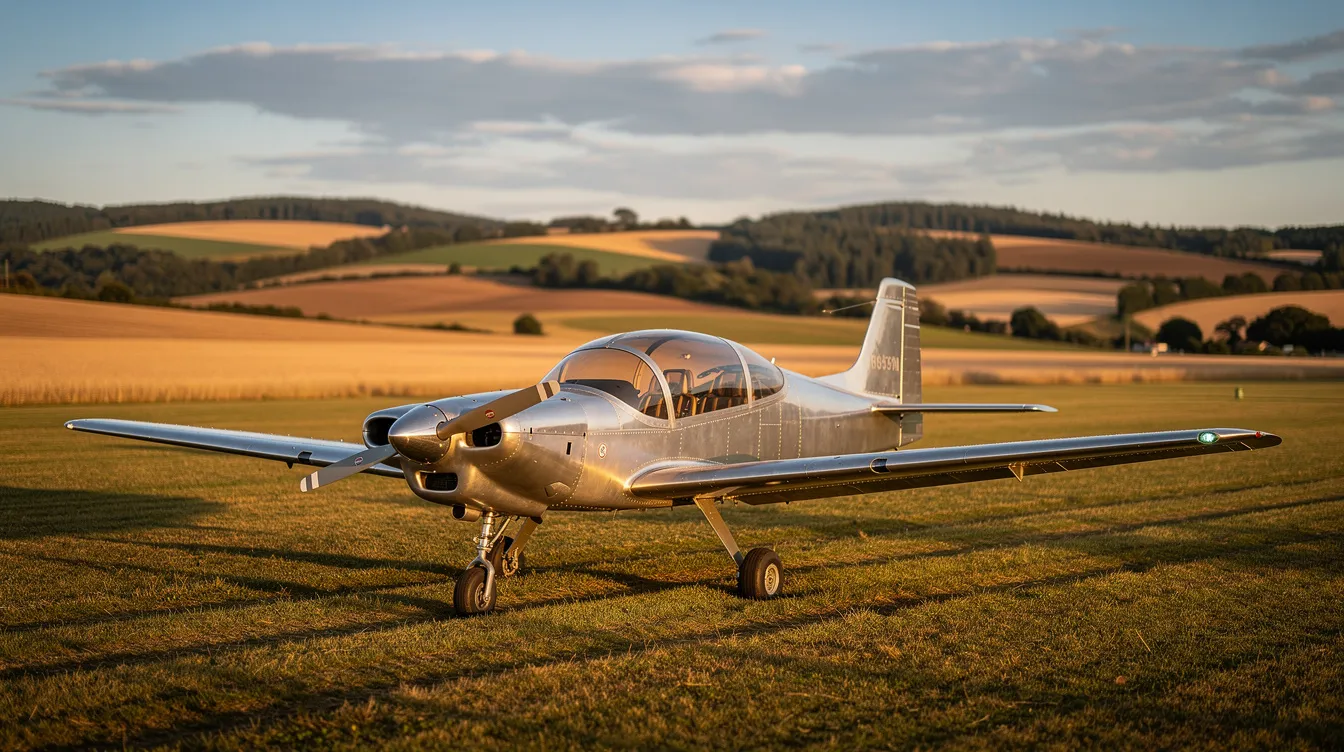
"Cheap homebuilt aircraft" typically means sub-$25,000–$40,000 kits like the Sonex-B (cruise speed of 150 mph), Zenith CH 650, or the classic Baby Ace - not unregulated garage experiments.
Every homebuilt or kit aircraft must meet Federal Aviation Administration amateur-built requirements, including the 51% Rule, and be properly inspected before flight.
Proven, affordable options like the Onex, Kitfox Series 7 Super Sport, Hummel H5, and various Zenith aircraft models deliver real-world performance on modest budgets.
Building and flying a cheap homebuilt is a long-term hobby investment. For business trips, family travel, or long-range flights, chartering a professionally operated aircraft through a platform like Jettly offers speed, convenience, and zero build time.
In 2026, a cheap homebuilt aircraft typically costs between $15,000 and $40,000 in parts and materials - plus hundreds of hours of build time. That price range covers homebuilt aircraft, kit aircraft, and sport aircraft ranging from single-seat ultralights to two-seat experimentals in the light sport aircraft category. Cheap does not mean unsafe or unregulated.
Well-known affordable kits illustrate the range. The Sonex-B airframe kit comes in below $25,000 and delivers a cruise speed of 150 mph. The Hummel H5 offers a full kit for around $34,000 (before engine). The Aeromarine LSA Merlin can cruise at 90–120 mph and be built in approximately 300 hours. The Zenith CH 650B airframe kit starts near $20,500 with cruise figures reaching 120–160 mph depending on altitude and engine choice. These are proven designs with active builder communities, not risky one-offs.
This article is informational - not build advice or legal guidance. Serious research, proper training, and regulatory compliance are essential before committing to any project. For those who want the convenience and time savings of private flight without a workshop commitment, on-demand private jet charter through Jettly provides access to thousands of professionally operated aircraft around the world.
The answer depends on ambition, engine choice, and how many corners a builder is willing to cut (safely). Here is a rough breakdown using 2024–2026 examples:
Sub-$15,000: Plans-built ultralights and minimalist VW-powered single-seaters. The CGS Hawk Plus has a base kit price around $15,000. At this level, expect minimal instrumentation, basic construction, and a single-seat airplane.
$15,000–$25,000: Entry-level kits such as the Sonex-B (kit price below $25,000), the Aventura HP (kit starts at $22,000), and the Kolb Twinstar (base price of $23,529). These models sit squarely in the ultralight or light sport aircraft space.
$25,000–$40,000: More capable two-seat aircraft designed for cross-country hops, like the Kitfox Series 7 Super Sport or the Zenith CH 650 with midrange engine options.
What the "kit price" covers is usually the airframe: aluminum sheets, ribs, spars, hardware, and, on some designs, structures later covered with fabric or other skin materials. What it does not include is the engine, propeller, avionics, paint, tools, hangar, or pilot training. Budget for the entire project beyond the airframe costs to avoid unexpected expenses.
For example, pairing a Sonex-B with a basic AeroVee engine keeps total build cost near $37,000. Swapping in a UL Power UL260 adds several thousand dollars but brings modern FADEC fuel injection. Builders can often find partially finished kits for a fraction of new kit costs, which is another way to save money on materials and assembly.
Compare these project totals to the hourly cost of chartering a light jet or turboprop via Jettly - typical ranges run $2,000–$4,000 per hour and can be explored in detail with Jettly’s private jet charter cost estimator - and the distinction is clear: homebuilt ownership is a long-term hobby investment, while charter is an on-demand travel service.
The Federal Aviation Administration requires that builders of Experimental Amateur-Built aircraft complete more than 50% of fabrication and assembly - the so-called 51% Rule outlined in Advisory Circular AC 20-27G. This ensures the airplane is genuinely "amateur-built" and not simply assembled from a factory-finished product.
Three main categories matter for budget builders:
Part 103 Ultralights: Very light, single-seat machines with an empty weight under 254 lbs, max speed under 55 knots, and stall speed under 24 knots. Ultralights under Part 103 do not require a pilot's license or registration - making them the cheapest entry point into flight.
Light Sport Aircraft (LSA): Models like the Zenith CH 650B or Kitfox Series 7 Super Sport that meet specific max weight and speed limits. These require at least a Sport Pilot Certificate.
Other Experimental Amateur-Built: Higher-performance designs (RV series, Comp Air) that need a Private Pilot License and full Phase I flight testing - typically 25–40 hours in a designated test area.
Affordable homebuilt aircraft often fall into the ultralight or light-sport categories. Even the cheapest homebuilt aircraft must be registered, inspected, and flight-tested unless it is a true Part 103 ultralight. Rules and terminology differ outside the U.S. - Canada, EASA, and Australia each have their own definitions. Readers should check local regulations before purchasing any kit. For charter operations, understanding how Part 135 charter companies operate is equally important to ensure legal, safe on-demand flights.
By contrast, chartering through Jettly means certified operators handle all maintenance, regulatory compliance, and pilot certification. There is no builder burden at all.
Here is a curated look at well-known, relatively low-cost kit planes and homebuilt models with proven track records.
Sonex-B: One of the most respected cheap homebuilt aircraft on the market. The airframe kit runs under $25,000, and the Sonex-B can achieve a cruise speed of 150 mph with the AeroVee engine. Useful load sits around 480–530 lbs. Build time runs roughly 1,000 hours for the standard kit, or around 500 hours with the quick-build option. It is an excellent choice for cross-country weekend trips for two.
Onex: A single-seat, folding-wing sport aircraft from the same Sonex family. The Onex can achieve a cruise speed of 155 mph at 8,000 feet and supports aerobatic maneuvers. It is an aircraft designed for solo fun flying. The Onex can be built in about 30 hours for wing folding alone, making trailer storage practical.
Aeromarine LSA Merlin: A streamlined single-seater with a max-gross weight of 715 pounds and cruise of 90–120 mph. The Aeromarine LSA Merlin can be built in approximately 300 hours - one of the shortest build times in the market. Ideal for budget-focused solo flying.
Hummel H5: A minimalist low-wing design powered by VW conversions or other engines in the 60–80 hp range. The H5 has a cruise speed of 100–130 mph and offers both tri-gear and tail dragger configurations. Build time from the full kit runs about 420 hours.
Kitfox Series 7 Super Sport: A STOL-capable, foldable-wing two-seater cruising at roughly 100 knots on about 5 gallons per hour. The Kitfox Series 7 build time is around 800 to 1000 hours. Its short-field performance makes it suited for backcountry strips and grass runways.
Zenith CH 650 / CH 650B: A low-wing light sport aircraft with an all-metal design and build times around 500–700 hours. Cruise speed reaches 120–160 mph depending on altitude and engine choice (UL Power, Rotax, Continental). Zenith aircraft are developed by Chris Heintz's company and are known for builder-friendly construction.
Baby Ace: A classic open cockpit biplane-style design. The Baby Ace has a cruise speed of 100 mph and a gross weight of 950 pounds. It appeals to pilots who want nostalgic, simple flying at sea level and low altitudes.
Dakota Hawk: Built for short-field performance with a wing area of 128 square feet and more wing than most aircraft in its class. The Dakota Hawk has a climb rate of 800 to 1000 fpm and excellent performance for grass strip operations.
Aventura HP: An amphibious option with a max-gross weight of 750 pounds and a kit starting at $22,000. A good fit for pilots near water.

Some kit manufacturers have built reputations specifically around affordable options, strong builder support, and approachable construction methods, paralleling the broader market of affordable planes and budget-friendly aircraft choices beyond the homebuilt space.
Zenith Aircraft was founded on the designs of Chris Heintz and focuses on all-metal, match-hole construction that simplifies assembly. Popular cheap homebuilt aircraft from Zenith include the CH 650 and the STOL CH 701/750. Engine flexibility is a major advantage - builders can choose UL Power, Rotax, Continental, Jabiru, and other engines depending on budget and performance goals. Typical build times for a CH 650B run 500–700 hours.
Sonex Aircraft emphasizes simple, efficient sport aircraft with low drag and modest power requirements. The Sonex-B and Onex feature pre-punched, laser-cut parts and optional quickbuild components that help first-time builders avoid costly mistakes. Sonex publishes "Performance per Dollar" comparisons showing how their models deliver better performance relative to cost than many more expensive kits.
Other brands worth noting include Kitfox (STOL versatility with foldable wings), Just Aircraft (Highlander and SuperSTOL for backcountry), Fisher Flying Products (wood and fabric traditionalists), and Murphy Aircraft (all-metal Canadian designs). Each offers proven plans and kits with active communities.
Pre-cut, pre-drilled kits from these established manufacturers eliminate the need for expensive tools and specialized skills. That factory support - detailed manuals, builder hotlines, factory workshops - reduces the risk of cost overruns and safety issues compared to scratch-building.
Why brand reputation matters:
Proven designs with hundreds or thousands of flying examples
Documented build processes with known build time estimates
Active online forums and local EAA chapter support
Known engine installation packages that simplify firewall-forward work
For those who want reliable, time-efficient travel instead of a multi-year build, Jettly's charter marketplace offers a complementary way to access aircraft when needed, and aviation enthusiasts can even earn by promoting these services through Jettly’s high-ticket affiliate program.
The engine is often the single biggest line item after the airframe kit. Smart engine choices - including UL Power units and converted automotive powerplants - determine whether a project stays within budget or spirals.
Common engine families in this price-conscious space include:
VW conversions (60–80 hp): The cheapest route, popular on minimalist designs like the Hummel H5 and some KR-2S builds. Upfront cost can be just a few thousand dollars, but fitting cooling systems and custom mounts demands extra room for error and experience.
Rotax two-strokes and four-strokes: The Rotax 912 series (80–100 hp) is one of the most widely used sport aircraft powerplants in the world. Reliable and well-documented, but not the cheapest new. A mid-time used Rotax 912 can save thousands.
UL Power engines (UL260/UL350): Modern, FADEC-equipped, direct-drive engines that ship as firewall-forward complete packages - ECU, wiring, exhaust, alternator included. ULPower UL260 units run approximately $14,000–$15,000, while the UL350 series costs $16,000–$18,000. Popular with Zenith aircraft builders and Sonex owners.
Small Continentals and Lycomings (C-85, O-200, O-235): Classic certified aircraft engines used on designs like the Baby Ace and Dakota Hawk. Heavier and thirstier, but proven over decades.
The trade-offs are real. VW conversions cost less upfront but may create long-term headaches with cooling, vibration, and limited support. UL Power and Rotax units cost more but deliver better performance, fuel efficiency, and installation simplicity. Homebuilt aircraft often use wood, fabric, and metal materials in their airframes, and choosing materials involves balancing weight, strength, cost, and ease of assembly - the same logic applies to engine selection.
Choosing an engine with solid documentation, active user groups, and known installation packages significantly lowers risk in any budget build.
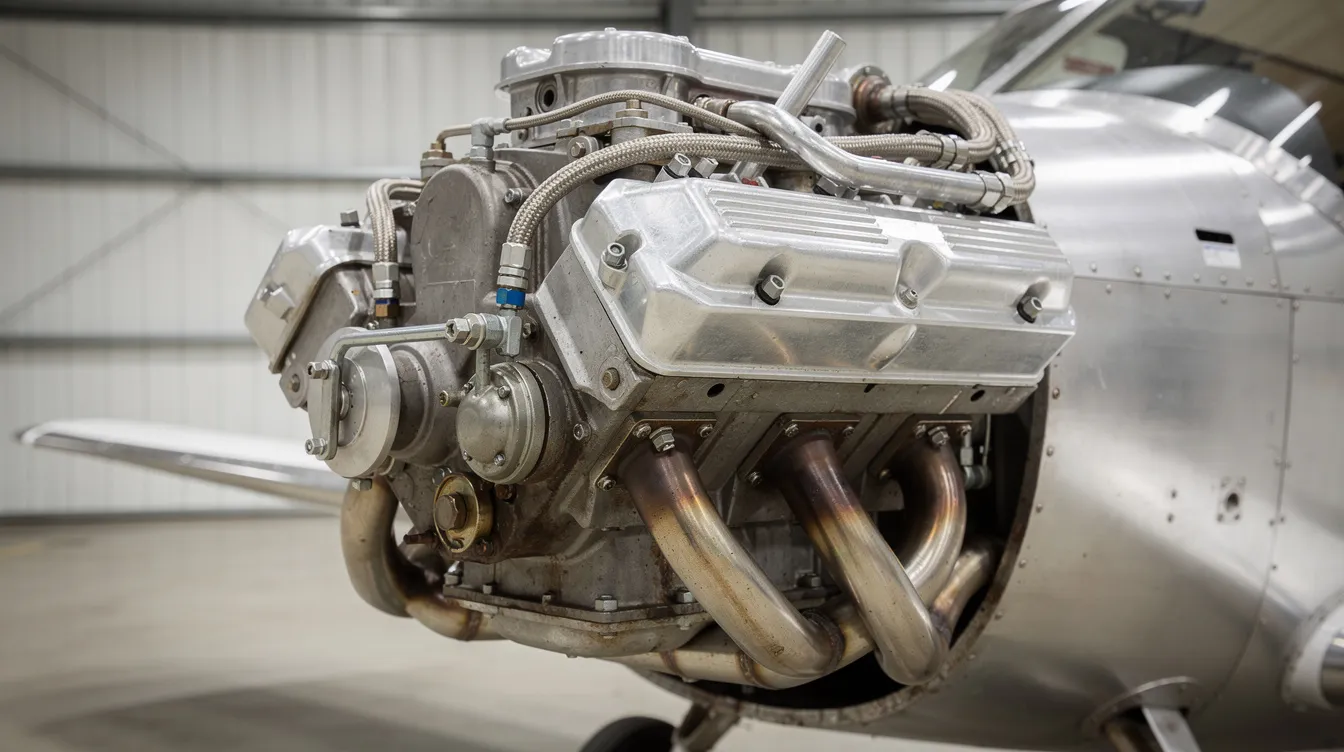
While many cheap homebuilt aircraft advertise low kit prices, the true cost includes labor hours, tools, workspace, and the learning curve.
Concrete build time examples tell the story:
Aeromarine LSA Merlin: ~300 hours
Zenith CH 650: ~500 hours
KR-2S: approximately 800 hours
Kitfox Series 7: 800–1,000 hours
Sonex-B (standard kit): ~1,000 hours
RV-9/9A: approximately 2,000 hours
Quick-build kits reduce assembly time by pre-cutting parts and completing major subassemblies at the factory, but they cost more upfront. Simpler construction methods - like Zenith's match-hole aluminum - are often more approachable for beginners than advanced materials like composites.
Speaking of materials: aluminum is the most common homebuilt material due to its durability.
Homebuilt aircraft often use wood, fabric, and metal materials in their airframes. Metal construction includes sheet aluminum and welded steel tube for fuselage frames. Composite aircraft use fiberglass or carbon fiber with epoxy.
Costs people forget to budget for:
Workshop heating, lighting, and ventilation
Specialty jigs, rivet guns, clecos, and measuring tools
Primer, paint, and covering materials
Professional help for wiring, first engine start, or avionics installation
Fuel for taxi tests and Phase I flight testing
Beginners should start with proven, simple, and forgiving aircraft designs. Joining local builder communities - especially EAA chapters - can provide valuable support and resources. Online builder logs and factory workshops from companies like Zenith and Sonex are also invaluable.
By contrast, Jettly's model eliminates the workshop entirely. Customers pay per flight with no tools, maintenance, or certification to manage, much like how private jet operating costs can be structured and optimized when flights are handled by professional operators rather than individual owners.
Owning and flying a cheap homebuilt aircraft carries ongoing costs beyond the build itself.
Fuel: Most Rotax or VW-powered light sport aircraft burn 3–5 gallons per hour. At current avgas or mogas prices, that translates to roughly $18–$35 per flight hour in fuel alone. Fuel capacity on models like the Kitfox Series 7 is about 27 gallons, giving a practical range of roughly 400–500 miles before fuel stops.
Maintenance: Under Experimental Amateur-Built rules, the original builder can obtain a repairman certificate and perform annual condition inspections - a significant cost advantage over certified aircraft that require licensed A&P mechanics. Oil changes, tire replacements, brake pads, and routine inspections still add up.
Insurance: Liability-only coverage for a homebuilt might run $500–$1,500 per year. Adding hull coverage (protecting the airplane's value) pushes premiums higher - estimates for a Sonex-class aircraft run around $2,500 per year for pilots with moderate experience.
Storage: A t hangar at a small airport typically costs $200–$600 per month depending on the region. Outdoor tie-down is cheaper but exposes the airplane to weather. Models with folding wings - Onex, Kitfox, Kolb Twinstar - can be trailered home and stored in a garage, saving hundreds per month.
A rough annual cost estimate for a single-seat Merlin or Hummel H5 might look like $3,000–$5,000 for fuel, insurance, and storage combined. A two-seat Kitfox or Zenith CH 650 with more flight hours could run $5,000–$8,000 or more annually.
Compare these yearly ownership costs to chartering occasional flights through Jettly, where customers pay only when they fly. There are no fixed hangar fees, no insurance premiums, and no annual inspections to schedule. For details on pricing variables and ways to control expenses, see how much it costs to charter a small plane and Jettly’s guide to understanding single private flight cost.
Safety cannot be "cheap." Even the most affordable homebuilt aircraft demands disciplined construction, thorough inspections, and proper pilot training. Safety depends more on construction quality than on whether an aircraft is homebuilt - a well-built experimental can be just as safe as a factory airplane.
That said, FAA data shows that Experimental Amateur-Built aircraft historically have higher accident rates than type-certificated fleets, especially in the first 50–100 flight hours. Most incidents trace back to engine installation errors, unfamiliar handling characteristics, or builder inexperience - not fundamental design flaws.
Best practices for safe homebuilt flying:
Obtain transition training in a similar type before flying your own build. Many kit manufacturers offer factory demo flights or connect builders with experienced pilots for dual instruction.
Work with EAA Technical Counselors and flight advisors throughout the build process.
Follow a structured Phase I flight test program with incremental envelope expansion - testing stall speed, control response, and engine performance in careful steps.
Treat aircraft with STOL capability or aerobatic envelopes (Highlander, Onex) with extra respect. Their performance potential demands more training, not less.

In private jet charter, safety is built into the system. Professional crews, strict operator oversight, maintenance tracking, and safety management systems are standard for operators on the Jettly platform, which provides access to a broad range of private charter aircraft. That difference matters for passengers who need assurance without personal involvement in the aircraft's upkeep.
This comes down to mission, lifestyle, and priorities.
Typical homebuilt owners are passionate about aviation and engineering. They enjoy working with their hands, learning new skills, and flying short recreational hops or local trips. They accept multi-year build timelines and view the project as a point of personal pride, not just a travel tool.
Typical Jettly customers are business travelers needing same-day returns, families seeking hassle-free vacation travel, or individuals who value schedule control, privacy, and time savings over aircraft ownership. Many opt for private jet memberships that provide predictable access and wholesale rates. They want to fly, not build.
Consider these scenarios:
A weekend pilot builds a Kitfox and flies to backcountry strips within 200 miles of home. That same pilot needs to reach a client meeting 1,000 miles away by tomorrow morning - a light jet booked through Jettly handles the mission in hours, not days.
A backcountry enthusiast owns a Highlander for fun. But when their family of four needs to travel from New York to Miami for a holiday, a midsize jet via Jettly carries everyone in comfort - something no two-seat homebuilt can do.
Some enthusiasts do both. They own a cheap homebuilt aircraft for weekend fun and use Jettly's global network of over 20,000 aircraft for missions their kit planes simply cannot handle - weather, distance, passenger count, or time pressure- sometimes offsetting costs further through crowdsourced and shared private jet flights.
The two approaches are not competitors. They serve different needs. One is a hobby. The other is a travel solution.
These FAQs cover practical questions not fully addressed in the sections above.
Ultralights under Part 103 do not require a pilot's license or registration in the U.S. However, virtually all other homebuilt and kit aircraft - including light sport aircraft and Experimental Amateur-Built models - require at least a Sport Pilot Certificate. Some heavier or faster designs need a Private Pilot License. Requirements differ by country, so confirm rules with your local aviation authority before buying a kit.
Many cheap homebuilt aircraft feature folding wings (Onex, Kitfox, Kolb Twinstar) or compact footprints that fit into a single-car garage. Some builders rent small hangars at a local airport or share workshop space with other builders. Urban constraints can extend build time and complicate logistics, but they do not make a project impossible.
Resale value depends on build quality, documentation, total hours flown, and brand reputation more than original kit price. Well-built examples of popular models like the Sonex-B, Zenith CH 650, and Kitfox can sell for a substantial portion of their total build cost. Unique or heavily modified designs with non-standard engine options may be harder to sell, especially if they limit the aircraft’s suitability as a cross-country plane for longer journeys.
Local EAA chapters, factory workshops from manufacturers like Zenith and Sonex, and detailed online builder logs are the best starting points, whereas private flyers focused on comfort can enhance trips with services such as Jettly Eats in-flight catering. This DIY support ecosystem contrasts sharply with private charter - Jettly customers rely on certified operators, experienced crews, and a digital platform that handles every detail without any technical work from the traveler, as outlined in its guide to charter airlines and private flight options.
Even committed homebuilt owners use private charter when they need to travel farther, faster, or with more passengers than their aircraft allows. Weather, time pressure, or business demands can make long cross-country flights in a small sport aircraft impractical. For international legs, understanding how private jets fly globally and across borders can help in planning. A cheap homebuilt aircraft works as a personal "fun flyer," while Jettly's network of jets and turboprops efficiently covers urgent trips, international routes, or multi-city itineraries.
Cheap homebuilt aircraft - from sub-$15,000 ultralights to $40,000 two-seat sport aircraft - make entry into your own aircraft ownership more achievable than many people realize. Choosing proven kits from brands like Zenith, Sonex, and Kitfox, paired with reliable engine options from UL Power, Rotax, or VW conversions, keeps costs reasonable while delivering excellent performance for recreational flying, similar in spirit to the broader market of the cheapest private aircraft across categories.
But building demands patience, regulatory compliance, and strong safety habits. The hundreds (or thousands) of hours spent in a workshop are part of the reward for some pilots - and a dealbreaker for others, who may instead prefer affordable aeroplane rental options and access models that avoid long-term build commitments.
For those whose priority is efficient travel rather than aircraft construction, Jettly offers immediate access to thousands of professionally operated jets and turboprops worldwide. Jettly’s resources also explain how much a private jet really costs, helping travelers compare ownership and charter. Whether the goal is a cheap homebuilt aircraft for Saturday morning flying or a chartered jet for a Tuesday business trip, the best approach often involves both.
Ready to fly without the build time? Explore flight options, locate convenient departure and arrival points with Jettly’s airport locator tools, consider fixed-rate jet card programs, or request a quote at jettly.com.
Share this post:
Jay Franco Serevilla
Jul 15, 2026
|
5
min read
Discover tips and trends in the industry.
5
min read
Charter Airline: How Private Charter Flights Work in Modern Air Travel
Charter airlines provide flexible, on-demand flights tailored to travelers' needs, allowing them to choose routes, timings, and passenger lists. Platforms like Jettly connect users to a vast network of certified operators, offering a range of aircraft options from turboprops to heavy jets. This guide explores the benefits of private charters, including cost comparisons and safety standards, making it easier for travelers to navigate the world of private aviation.
Read More
5
min read
Widebody Airliners: Twin Aisle Aircraft, Iconic Jets, and Long-Haul Travel
Widebody airliners, also known as twin-aisle aircraft, are crucial for long-haul travel, accommodating 200 to 850 passengers. This guide explores their evolution, key models, and how they enhance passenger comfort while connecting global cities. Discover how private jet charters complement these commercial flights for seamless travel experiences.
Read MoreStay updated with our latest insights and tips to elevate your journey with us.
MEMBERSHIPS AND ASSOCIATIONS



Disclaimer: Jettly operates as a charter broker, offering access to a global digital jet charter marketplace. Jettly is not a direct air carrier and does not own or operate aircraft. All advertised flights are conducted by third-party air carriers that are fully licensed and hold the appropriate Part 135 or Part 121 certifications issued by the Federal Aviation Administration (FAA) or equivalent regulatory authorities under U.S. or foreign law. Jettly complies fully with the U.S. Department of Transportation's Part 295 and Part 298 Charter Broker regulations. Jettly does not carry additional liability insurance. Passengers are covered by aircraft operator insurance. TICO: 50023770


