



Login
Get Instant Pricing On 23,000+ Aircraft

>
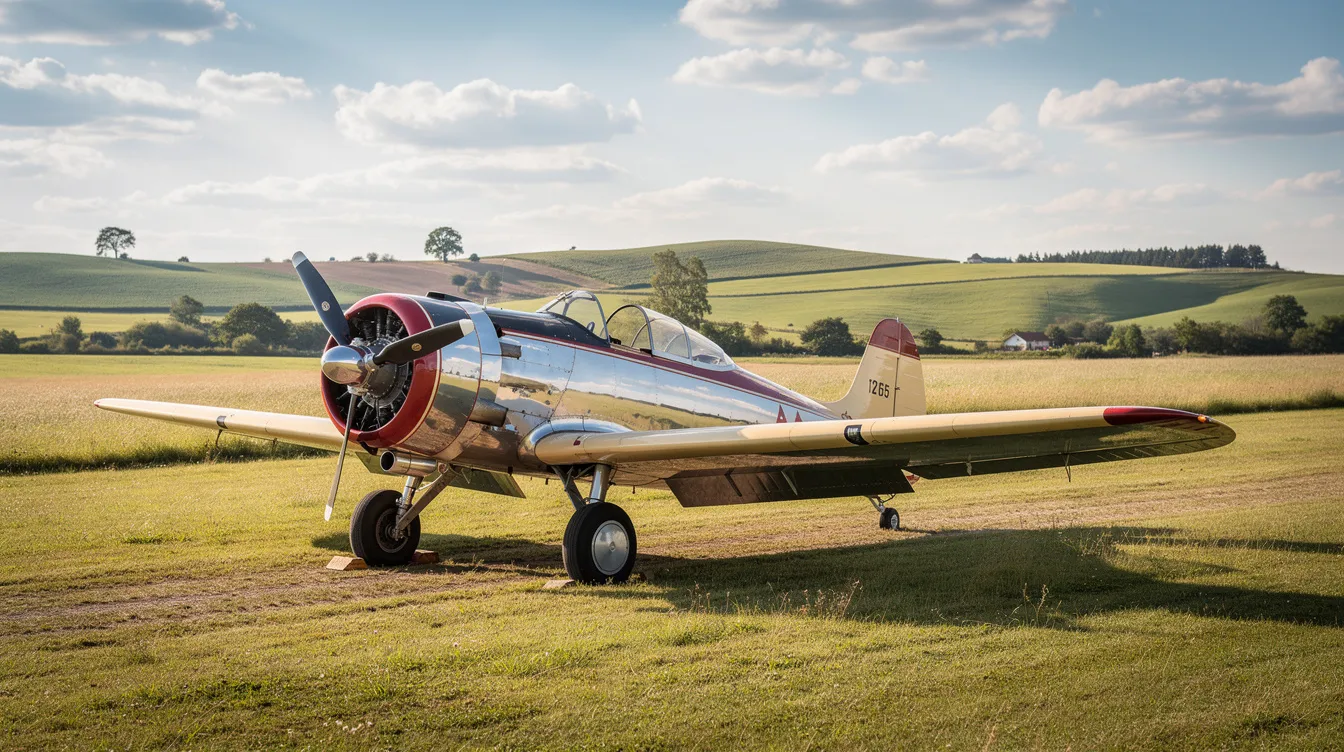
For many aspiring pilots, owning a single-engine plane is the most direct path to personal flying. This guide is for aspiring pilots, budget-minded buyers, and travelers considering affordable personal flying options. Understanding both purchase price and ongoing costs is crucial to avoid unexpected financial burdens. Single-engine planes are often used for training and personal travel, and the good news is that affordable single-engine planes primarily cost between $15,000 and $70,000 in 2026. But the cheapest single-engine plane to buy is not always the cheapest to own. Here is what budget-minded buyers and travelers need to know before committing.
The ERCO Ercoupe 415, Cessna 150/152, and Aeronca Champion rank among the cheapest single-engine aircraft available in 2026, with prices ranging from roughly $18,500 to $40,000 for flyable examples. Each offers different trade-offs in comfort, speed, and parts availability.
"Cheapest" is not just about purchase price. Total ownership costs, including fuel costs, annual inspections, hangar space, and insurance, often add $8,000 to $15,000 per year, which can exceed the original price of the airplane within a few years.
A realistic buyer can get flying for around $20,000 to $50,000 by choosing older two-seat aircraft and keeping avionics upgrades minimal.
Travelers who only fly privately a few times per year can often avoid ownership costs entirely by using on-demand charter platforms like Jettly, which provide instant pricing and access to thousands of aircraft without tying up capital.
The cheapest planes that are genuinely airworthy and ready to fly in 2026 include the ERCO Ercoupe 415, Taylorcraft BC-12D, Luscombe 8, Aeronca Champion, and older Cessna 150s. Typical asking prices for basic, flyable examples of these models sit between roughly $18,500 and $35,000 USD.
Truly airworthy single-engine aircraft under $20,000 are rare. Most buyers should expect the low end of the realistic range to be around $18,500 to $25,000 for a two-seat aircraft in vintage condition with adequate engine time and minimal avionics. The ERCO Ercoupe is priced under $20,000 in many 2026 listings, and the Aeronca Champion often sells for under $25,000, making these two the most common entry points.
Be cautious of "project" aircraft advertised at $10,000 to $15,000. These planes typically need engine overhauls, fabric work, logbook reconstruction, or avionics replacements that can exceed the original purchase price. Ultralights, which can start as low as $8,000, are not certified single-engine planes and are subject to different regulations and operational limitations. Ultralights can start as low as $8,000, but they occupy a different regulatory and operational category from certified single-engine planes.
All prices discussed here are in USD and based on typical US and European listings observed in 2025–2026 market data. Four-seat aircraft like the Stinson 108 or early Piper PA-28 Cherokee remain surprisingly affordable but almost always cost more than the very lowest two-seat options.
Focusing only on the purchase price is misleading. The right aircraft for a budget flyer must balance the sticker price against fuel costs, annual inspections, storage costs, and maintenance costs over time.
Example Comparison:
$20,000 taildragger (fabric wings): $5,000/year maintenance → $70,000 over 10 years
$40,000 Cessna 150 (metal): $2,000/year maintenance → $60,000 over 10 years
The cheaper airplane to buy ends up being the more expensive airplane to own.
Estimated annual ownership costs for single-engine aircraft can range from $15,000 to $30,000 depending on the model, location, and flight hours. Annual expenses for small aircraft typically fall between $8,000 and $12,000 for basic two-seat types flown 50 to 100 hours per year. These total yearly operating expenses include both fixed costs (hangar or tie-down, insurance, annual inspection) and variable operational costs (fuel, oil, engine reserves, unscheduled repairs).
The cheapest single-engine aircraft to buy is not always the cheapest to own, especially when an engine overhaul or modern avionics upgrade is looming on a low-priced airframe.
This list covers popular, insurable, certified models that are commonly available on the vintage market, not obscure experimental one-offs.
ERCO Ercoupe 415 - ~$18,500–$30,000. Two-seat, tricycle gear, low wing. Ideal for relaxed recreational flying and a nostalgic flying experience. Simple systems keep ongoing costs down.
Grumman American AA-1 Yankee - ~$7,000–$12,000. Two-seat aluminum fuselage, fixed gear, responsive controls. Among the best value airplanes for buyers comfortable with higher-hour airframes.
Aeronca Champion - ~$19,000–$50,000. Aeronca Champion prices typically range around $25,000 for mid-condition examples. High-wing taildragger with classic appeal and forgiving nature, great for grass strip flying.
Cessna 120/140 - Cessna 120/140 prices range from $23,000 to $28,000 for average condition, up to $50,000 for restored. Two-seat tailwheel, metal wings on later 140A models, good range, and strong community support.
Taylorcraft BC-12D - ~$20,000–$35,000. Lightweight fabric two-seater with good fuel economy and solid performance at low cruise altitude. A favorite among tailwheel operations enthusiasts.
Cessna 150 - ~$25,000–$40,000 for typical examples. The most widely available cheap single-engine trainer, with a large community and excellent parts supply.
Luscombe 8 - ~$20,000–$35,000. All-metal two-seater with higher speed than many fabric competitors. Good handling characteristics and a loyal following.
Piper J-3 Cub - ~$30,000–$60,000. An icon in aviation history, the Cub holds value well and remains one of the best value choices for backcountry and low-and-slow personal flying.
Piper PA-38 Tomahawk - ~$25,000–$45,000. Low-wing, two-seat trainer with good visibility. Less classic appeal than a Cub but functional and affordable.
Stinson 108 - ~$54,000–$89,000. Four seats, fabric construction, capable of carrying heavier loads. Prices have increased slightly in recent years, but it remains a budget four-seat option.
The Piper PA-22-108 Colt is also available for $20,000 to $25,000 and deserves mention as a transition between two- and four-seat categories.

Many rankings place the ERCO Ercoupe 415 at or near the top of cheapest planes lists because flyable examples routinely appear with asking prices between about $18,500 and $30,000 in 2026.
Design: Two-seat, low-wing, tricycle-gear, with a spin-resistant design that famously lacks conventional rudder pedals. This unusual control layout simplifies piloting but requires specific underwriter comfort and pilot familiarization.
Performance: Cruise speed around 80 to 90 knots, fuel burn roughly 5 to 6 gallons per hour, with short-field capability adequate for recreational flying. Not fast, but efficient enough to deliver low operating costs for weekend trips and local sightseeing.
Why it is cheap: Limited useful load (roughly 500 lbs with full fuel tanks), modest cruise speed, and niche appeal compared with Cessna or Piper trainers keep prices low. Airframes date from the 1940s and 1950s, which also suppresses demand.
Buyer considerations: Parts support exists but is narrower than for Cessna trainers. A thorough pre-purchase inspection should focus on corrosion in the wing spars and control systems. Many owners report that insurance underwriters occasionally require additional documentation or pilot experience hours for the type's unique layout. Early models may need more attention to corrosion than later production runs.
Despite its quirks, the Ercoupe remains one of the best entry points for a private pilot who wants to own a cheap aircraft and build hours on a tight budget.
The Cessna 150 is one of the most common cheap single-engine aircraft in the world, produced from 1959 to 1977. Cessna 150/152 models typically range from $25,000 to $40,000 in 2026, with prices ranging higher for low-time engines and upgraded avionics.
Why it is popular: Predictable, forgiving handling, tricycle fixed gear, and excellent parts availability backed by a large community of aircraft owners and type clubs. Any A&P mechanic in North America knows the type.
Performance: Cruise speed of 90 to 100 knots, typical fuel burn about 6 gallons per hour of 100LL avgas (the typical fuel burn for training aircraft is about 6 gallons per hour), with good range of around 300 to 350 nm. Ideal for training, hour-building, and short cross-country flights.
Operating costs: Fuel, maintenance, and insurance for a well-sorted Cessna 150 are often lower and more predictable than for many older taildraggers. This makes the 150 cheaper in the long run even if its sticker price is slightly higher. The high wing design also allows good cockpit visibility and easier ground handling in crosswinds.
Limitations: Two seats and a tight cabin for tall or large pilots. Limited useful load restricts carrying capacity; with full fuel tanks, passengers and luggage compete for weight. Rear windows on many models are small, limiting over-the-shoulder visibility.
For a student pilot or hour-builder who wants a certified, widely supported platform rather than a purely vintage experience, the Cessna 150 is often the right aircraft.
Four-seat aircraft cost more to buy and operate, but some remain budget-friendly for families. Models like the Stinson 108, early Piper PA-28-140 Cherokee, Beechcraft Musketeer, and older Cessna 172s offer four seats without requiring multi-engine plane pricing.
Typical 2026 prices: Stinson 108 around $54,000 to $89,000. Early Cessna 172s often $60,000 to $90,000. Older Piper PA-28-140 models range from about $40,000 to $80,000, depending on engine time and avionics. The Piper PA-28 Cherokee 140 remains a strong entry point for small aircraft buyers wanting four seats.
Trade-offs: Higher fuel burn of 8 to 12 gallons per hour, more complex systems in some variants (retractable gear or constant-speed props with more powerful engines), and higher insurance and annual inspection costs than two-seat trainers. Older models generally require more maintenance than newer aircraft.
Benefits: Ability to carry three passengers or two plus baggage, making weekend trips, family flying, and light business travel more viable. A four-seat single-engine plane can handle heavier loads and longer legs at cruise altitude, eliminating the need to rent other aircraft for group trips.
For many owners who plan to fly with family, a slightly more expensive four-seat aircraft may be the smarter long-term choice compared with buying a cheap two-seater and then renting whenever more capacity is needed; understanding affordable aeroplane rental costs and options can help clarify when renting still makes more sense than owning.
Understanding variable operational costs is critical before buying any small plane. Annual operational costs for small planes range from $8,000 to $12,000, and here is where that money goes:
|
Cost Category |
Estimated Annual Cost |
Notes |
|---|---|---|
|
Fuel |
$2,500 - $8,000 |
5 to 10 gallons/hour; fuel often $5-$8 per gallon |
|
Annual Inspections |
$750 - $2,000 |
Mandatory yearly; higher for complex aircraft |
|
Routine Maintenance |
$1,000 - $3,000 |
Oil changes, tires, brakes, minor repairs |
|
Engine Overhaul Reserve |
$500 - $1,000 |
Set aside $25-$40 per flight hour towards overhaul |
|
Storage (Hangar/Tie-down) |
$600 - $7,200 |
$50-$600 per month depending on storage type and location |
|
Insurance |
$800 - $2,000 |
Varies by pilot experience, aircraft value, and location |
|
Other (Charts, Taxes) |
$200 - $1,000 |
Includes subscriptions, registration, and miscellaneous fees |
Fuel costs can account for up to 70% of variable operational costs, making fuel efficiency a key factor in ownership affordability. Maintenance costs vary widely based on aircraft age and usage, often representing 10 to 45% of total yearly expenses.
Storage options: Outdoor tie-down spots run $50 to $200 per month. Enclosed hangars cost $300 to $600 or more per month. Storage costs range from $50 to $600 per month depending on type and location. Hangar space near major metro airports is significantly more expensive than at rural fields.
Weather exposure: While a tie-down is cheaper upfront, long-term exposure to weather increases corrosion and fabric wear. Corrosion can affect the airworthiness of older aircraft depending on storage conditions, raising long-term ownership costs. For fabric-covered wings or vintage taildraggers, enclosed hangars are almost essential.
Insurance: Premiums depend on pilot experience, total hours, recent training, aircraft type, and aircraft value. Rough annual premiums for a basic single-engine trainer run about $800 to $2,000 or more per year. A new private pilot with low hours will pay more than an experienced pilot with hundreds of hours in type.
Additional expenses: Charts and electronic subscriptions, ADS-B Out compliance (mandatory in much US airspace), local taxes, registration fees, and memberships in organizations like a pilots association (such as AOPA or a type club) all add up. Reviewing a broader breakdown of how much a private jet costs to own and operate highlights just how large these non-fuel line items can become across all categories of aircraft. Avionics upgrades can significantly increase an aircraft's value but represent real out-of-pocket costs.
Build a simple annual budget checklist that includes every line item. Without one, the "cheapest" airplane quickly becomes an unexpected financial burden filled with hidden defects and surprise bills. These ongoing costs deserve as much attention as the original purchase price.
Aviation loans: Lenders can spread the purchase price of a single-engine plane over 5 to 15 years. Interest rates depend on credit score, aircraft age, and intended use. Older vintage aircraft may face higher costs or limited financing options compared with more recent models.
Co-ownership and partnerships: Two or three pilots sharing one aircraft split fixed costs like hangar, insurance, and annual inspections. This can cut personal annual expenses by half or more while still providing access for personal flying on a flexible schedule. Many owners find this arrangement works well for aircraft flown fewer than 150 hours per year total.
Flying clubs: A modest buy-in plus monthly dues and hourly wet rates gives access to a fleet without the risk of maintenance costs or depreciation. Clubs remove the burden of low maintenance scheduling and unscheduled repairs from individual members and are a key option in many guides to affordable aeroplane rent and access models.
For many pilots who fly fewer than 50 hours per year, clubs and partnerships offer better economics than even the cheapest single-engine purchase. Aircraft ownership makes sense when utilization is high enough-typically above 75 to 100 hours per year-to justify the fixed cost burden, in the same way that understanding one-flight charter costs helps travelers decide when a single trip is better booked than owned.
Define your mission: Solo training and hour-building? Local sightseeing? Short business hops within 200 nm? Weekend family trips requiring four seats and baggage capacity? The answer shapes everything.
Two-seat trainers and taildragge offerer the lowest purchase price and fuel costs. Solid performance for training, pattern work, and short hops. But limited flexibility for carrying passengers, bags, or flying longer cross-country legs. Tailwheel operations require specific training and insurance endorsements.
Four-seat singles: Cost more to buy and operate, but eliminate the need to rent or charter for family or group flights. Models with more power can carry useful loads on longer trips, potentially helping you save money by consolidating transportation needs into one platform.
IFR capability and avionics: Many truly cheap aircraft lack modern avionics, night-flying equipment, or IFR certification. Retrofitting can cost thousands and add weight. If your mission requires flying in weather or at night, factor in these higher costs from the start rather than discovering them after purchase.
Chasing the absolute lowest sticker price without matching the aircraft to realistic needs often leads to buying twice-or renting what you actually need alongside the small plane sitting in the hangar.
For many travelers who fly a few times per year for business or family trips, owning even the cheapest single-engine plane is less efficient than using private charter aircraft on demand, especially when tools like a private jet charter cost estimator make it easy to compare trip quotes with ownership costs.
Fleet access without capital commitment: Charter platforms like Jettly give access to a global fleet of over 20,000 aircraft, from turboprops to light jets, without tying up money in aircraft ownership, maintenance, or hangar space, and they explain in detail how they offer affordable private jet charter for cost-conscious travelers. This is especially relevant for trips that exceed what a light aircraft can handle.
Capability advantages: Charter provides the ability to carry more passengers, fly in all weather with professional crews, use longer-range jets, and avoid downtime from maintenance. Unlike a vintage two-seater, a chartered small plane can handle heavier loads and higher speed requirements, and guides to the broader charter airline landscape show how many operators and aircraft types are available.
Cost transparency: Jettly's instant pricing and digital booking let cost-conscious travelers see exactly what a specific trip would cost, with tools such as a private jet charter cost estimator providing clearer numbers than rough estimates of owning and operating a personal plane.
Practical use cases: Executives needing same-day round-trips between major cities. Families flying holiday routes like New York to Miami or Toronto to Vancouver a few times per year. In these scenarios, charter pricing is often more practical than maintaining a single-engine aircraft that cannot fly those routes efficiently anyway, especially if you apply strategies for booking the cheapest private jet flights.
For pilots who fly fewer than 75 hours per year, the math almost always favors charter or rental over ownership.
Jettly functions as a digital private aviation platform that complements small plane ownership rather than replacing it. A pilot may own a cheap aircraft for local flying and weekend trips but use Jettly for long-range business travel where a single-engine plane is impractical, perhaps choosing a cabin-class twin like the Cessna 340 for comfort and range.
How it works: Customers search routes, view instant pricing, compare aircraft categories (light jets, midsize jets, turboprops, helicopters), and book online. No jet cards or fractional ownership required.
Key benefits: Transparent pricing, global coverage, safety-vetted operators, and flexible access tailored to both frequent and occasional flyers. Jettly also offers membership options and dedicated jet card programs for travelers who want preferred rates without long-term commitments.
Best fit: Trips that exceed the comfort, range, or payload of a cheap single-engine aircraft. A Cessna 140 handles a 200 nm weekend hop well. A business meeting 800 nm away with three colleagues requires something different entirely, where tools like a jet card flight cost estimator can help compare options.
Learn more about Jettly's charter options at https://www.jettly.com or explore Jettly's high-ticket affiliate program if you want to earn commissions by referring new private-flying clients.
This FAQ covers practical questions not fully addressed above, focused on real-world decisions about buying cheap aircraft versus using charter.
While occasional deals appear below $20,000, most buyers should budget at least $20,000 to $30,000 for an airworthy, insurable two-seat aircraft like an older Ercoupe, Taylorcraft, or Luscombe with no major immediate repairs needed. The Grumman AA-1 Yankee occasionally appears around $7,000 to $12,000 for stock examples, but these tend to have high airframe hours and minimal avionics.
"Project" airplanes advertised at $10,000 or less frequently require engine overhauls ($25,000 to $40,000), fabric work ($10,000 to $30,000), or avionics replacements that can exceed the original purchase price. A thorough pre-purchase inspection before committing to any sub-$20,000 aircraft is essential to avoid buying someone else's deferred maintenance problem.
Experimental or homebuilt aircraft can indeed have lower purchase prices and potentially lower maintenance costs, but they bring trade-offs. Insurance availability is more limited, resale value is less predictable, and pilots may need specific training or transition time.
Some kit-built models, especially older or partially completed projects, appear under $25,000. However, finishing a project requires a realistic assessment of time, skill, and upgrade costs. First-time aircraft owners often benefit from starting with a common certified trainer with strong parts support and a large community before moving into experimental categories. The certified vintage market offers better insurance options and more predictable ongoing costs for most buyers.
As a rule of thumb, pilots flying more than 75 to 100 hours per year may find ownership of a cheap single-engine aircraft more cost-effective than renting, assuming stable maintenance costs and no major surprises. Below this threshold, hourly rental or club access often keeps total costs lower because the renter avoids paying for hangar, insurance, and fixed maintenance on an under-utilized plane.
This threshold shifts based on local rental rates (which vary from $100 to $180 per hour wet) and hangar costs. In expensive metro areas where hangar space alone runs $500 or more per month, the breakeven point moves higher. Running the numbers with your specific location and expected usage makes sense before committing, just as business travelers compare private jet charter companies and options before settling on a provider.
Some owners do use small single-engine aircraft for regional business trips, especially within 200 to 400 nm. A well-equipped Cessna 150 or Cherokee 140 can handle short point-to-point flights between smaller airports with solid performance and low operating costs, but many compare that option with NetJets alternatives like Jettly when trips become longer or more frequent, or look at private plane manufacturers across budgets to understand how different aircraft classes fit their needs.
However, weather limits, payload restrictions, and scheduling inflexibility make a single-engine plane less reliable for time-sensitive business needs than multi-engine planes or turboprops with professional crews. Mixing approaches-owning a small plane for local trips and chartering through Jettly for critical missions-is common among experienced flyers who want the best value without compromising on reliability when it counts, and some even use crowdsourced private jet flights and shared empty seats to further reduce charter costs.
For low-frequency travelers flying 3 to 6 trips per year, chartering through a platform like Jettly typically costs less overall than owning, insuring, and maintaining even the cheapest private aircraft. Fixed costs like storage, insurance, and annual inspections continue whether you fly or not, and many travelers simply buy a seat on a private jet when they need it instead of committing to full ownership or use crowdsourced private jet flights with shared empty seats to cut costs even further.
High-utilization owners who fly weekly may achieve a lower cost per hour with ownership, but they also assume the risk of major repairs and value depreciation. Others prefer to get a seat on a private jet only when needed. Compare your estimated yearly ownership costs with a few sample charter quotes at https://www.jettly.com to see which model fits your travel patterns.
The cheapest single-engine plane in 2026 is usually a vintage two-seat aircraft like the ERCO Ercoupe 415 or Aeronca Champion, with flyable examples available from roughly $18,500 to $30,000. But true affordability depends on total ownership costs over time, not just the sticker price.
Assess your mission honestly. Match two seats versus four seats to realistic needs.
Budget for fuel, maintenance costs, annual inspections, storage, and engine reserves before buying. Annual expenses add up faster than most new buyers expect.
A pre-purchase inspection by a qualified mechanic is non-negotiable. Check for damage history, corrosion, and deferred maintenance before handing over any money.
For travelers who only need occasional private flights, on-demand charter with a platform like Jettly is often a more rational choice than buying even the cheapest single-engine aircraft.
Ready to explore private travel on your terms? Compare trip pricing or request a quote at https://www.jettly.com.
Share this post:
Jay Franco Serevilla
Jul 15, 2026
|
5
min read
Discover tips and trends in the industry.

5
min read
Passenger Airline Crashes: History, Safety, and What Modern Travelers Should Know
Passenger airline crashes are rare, with commercial aviation being the safest mode of mass transportation today. In 2023, there were zero fatal accidents involving passenger jets, highlighting the effectiveness of safety regulations and advancements in technology. This article explores the history of airline crashes, safety measures, and what travelers should know about aviation safety.
Read More
5
min read
Worldwide Jet Charter: A Practical Guide to Global Private Flights with Jettly
Worldwide jet charter has transformed private air travel into a practical solution for executives, families, and urgent travelers. With access to over 20,000 aircraft globally, Jettly offers flexible, efficient, and direct flights that save time and enhance the travel experience. This guide outlines how jet charter works, its benefits, and how to navigate the booking process seamlessly.
Read MoreStay updated with our latest insights and tips to elevate your journey with us.
MEMBERSHIPS AND ASSOCIATIONS



Disclaimer: Jettly operates as a charter broker, offering access to a global digital jet charter marketplace. Jettly is not a direct air carrier and does not own or operate aircraft. All advertised flights are conducted by third-party air carriers that are fully licensed and hold the appropriate Part 135 or Part 121 certifications issued by the Federal Aviation Administration (FAA) or equivalent regulatory authorities under U.S. or foreign law. Jettly complies fully with the U.S. Department of Transportation's Part 295 and Part 298 Charter Broker regulations. Jettly does not carry additional liability insurance. Passengers are covered by aircraft operator insurance. TICO: 50023770


