


Login
Get Instant Pricing On 23,000+ Aircraft

>
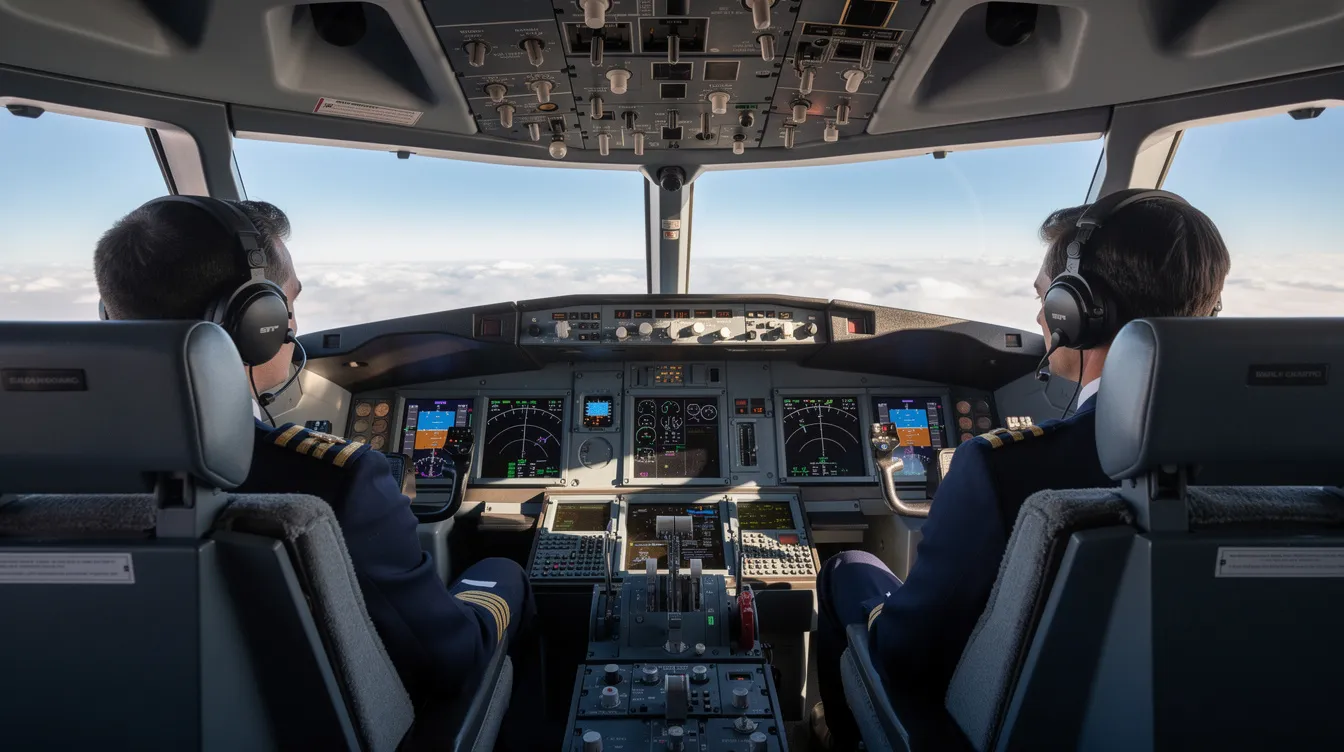
How much will a pilot make in 2026? This guide is for aspiring pilots, career changers, and anyone curious about pilot salaries in 2026. We cover airline and commercial pilot salaries, pay by employer type, career progression, and additional compensation. The short answer: more than almost any other point in aviation history. Airline and commercial pilots earn among the highest salaries in the transportation sector, driven by post-pandemic pilot shortages, aggressive union contracts, and rebounding global travel demand.
The average salary for airline pilots now sits well above $200,000, and experienced pilots at major carriers routinely clear $300,000 to $450,000 or more. But these numbers only tell part of the story. This guide covers airline pilot salaries, commercial pilots working in cargo and charter, certified flight instructors just starting out, and pilots flying private jets through platforms like Jettly. Whether you're an aspiring pilot weighing a pilot career or simply curious about what the cockpit pays, the data below will give you a clear, current picture.
Airline pilots, copilots, and flight engineers have a median annual wage of about $226,600 as of May 2024, while commercial pilots earn a median salary of $122,670.
First-year regional first officers typically earn between $70,000 and $90,000 in total compensation, including sign-on bonuses and per diem.
Senior widebody captains at major carriers can earn $400,000 to $500,000+ annually when factoring in profit sharing, per diem, and retirement contributions.
Pilots are typically paid hourly based on flight hours worked, with most airlines guaranteeing around 70–85 credit hours per month rather than paying a flat annual salary.
Private jet and charter pilots flying for on-demand platforms like Jettly often operate under different, more flexible pay structures that include day rates, trip-based compensation, and overnight allowances, especially when working with structured private jet membership programs that encourage higher aircraft utilization.
Airline pilots fly scheduled routes for passenger and cargo carriers under FAA Part 121 regulations. Commercial pilots are a broader category that includes charter flights, corporate aviation, aerial tours, agricultural flying, and flight instruction. Commercial pilots can work in various roles outside airlines.
Daily duties typically include:
Conducting preflight inspections and reviewing weather and fuel requirements
Filing flight plans and communicating with air traffic control
Executing takeoffs, en-route navigation, and landings
Managing emergencies, diversions, and irregular operations
Ensuring passenger or cargo safety throughout each flight
Common roles span first officers, captains, cargo pilots, corporate pilots, charter pilots, and flight instructors. Pilots in private and charter operations often work more variable schedules, including on-demand trips for executives and high-net-worth families.
Now that we've covered pilot roles, let's look at how much they earn across different sectors.
The most reliable baseline comes from the U.S. Bureau of Labor Statistics (BLS), which published May 2024 occupational wage data. The median annual wage for airline pilots, copilots, and flight engineers was about $226,600. Commercial pilots (non-airline roles such as charter, corporate, and air tour) earned a median annual salary of around $122,670.
By 2026, real-world salaries at major U.S. airlines will have surpassed these medians significantly, especially for senior captains on widebody fleets. Union contracts ratified in 2023–2025 delivered 30–40% pay increases at several carriers, pushing the upper end of airline pilot pay well beyond BLS survey figures.
|
Category |
Median Annual Salary (2024) |
Top 10% |
|---|---|---|
|
Airline pilots, copilots, flight engineers |
$226,600 |
$400,000+ |
|
Commercial pilots (non-airline) |
$122,670 |
$200,000+ |
Transitioning from salary data, let's explore why pilot salary numbers can differ so much across various sources.
Some sites blend airline pilots and commercial pilots into a single average, skewing the numbers.
Certain sources include profit sharing, per diem, and retirement contributions; others report base pay only.
Many salary databases haven't updated to reflect post-2023 pay scales.
Averaging entry-level flight instructor pay with senior captains creates misleading midpoints.
Some sites show hourly pay multiplied by assumed credit hours, while others report annualized totals with different assumptions.
The takeaway: always check whether a source is citing base pay or total compensation, and whether it reflects current contract rates.
With these differences in mind, let's break down how airline pilot pay is actually structured.
Pilots are paid an hourly rate for each "credit hour" flown, as per their collective bargaining agreement or company policy.
Most airlines guarantee around 70–85 monthly flight hours; if a pilot flies fewer, the guarantee applies; if more, extra hours are paid.
Pay includes training days, reserve (standby) duty, and deadheading (traveling as a passenger to reposition for a flight).
Published salary figures typically assume 900–1,000 credit hours per year and often exclude per diem, bonuses, and retirement plans.
So when someone quotes a pilot's "salary," they're usually converting hourly rates into an annualized estimate based on standard scheduling assumptions.
Here are three realistic 2025–2026 scenarios based on recent contract data:
|
Role |
Hourly Rate Range |
Annual Base Pay |
Total Comp (Est.) |
|---|---|---|---|
|
First-year regional FO |
$50–$90/hr |
$55,000–$70,000 |
$70,000–$90,000 |
|
Mid-career narrowbody Captain (major) |
$320–$390/hr |
$300,000–$390,000 |
$350,000–$450,000 |
|
Senior widebody Captain (major) |
$450–$485/hr |
$400,000–$480,000 |
$500,000–$600,000+ |
Senior airline captains can earn up to $450,000 annually in base pay alone, and senior widebody captains can earn $350,000 or more before any extras. These examples are illustrative; actual pay varies by specific airline, fleet, and contract terms at carriers like Delta, United, and American Airlines.
Now that you understand how pay is structured, let's see how salaries vary by employer and airline type.
Legacy and commercial airline pilots fly long-haul international routes on widebody and narrowbody fleets under union contracts. These are the best airlines to be a pilot for from a pure compensation standpoint.
Starting first officers at a major airline earn roughly $100,000–$160,000 in total first-year compensation.
Senior captains at major airlines can earn $350,000 or more, and major airline captains can earn between $400,000 and $500,000 annually on widebody fleets.
Widebody captains can earn $350,000 to $500,000 annually when profit sharing and per diem are included.
Recent contracts at United Airlines and American Airlines delivered double-digit percentage pay increases, with United widebody captains reaching hourly rates near $484/hr at the top of the scale.
Regional airlines serve as feeders connecting smaller cities to major hubs. For most pilots, a regional airline is the first airline job after building enough flight time.
First-year regional airline pilots earn between $70,000 and $90,000 in total compensation, including sign-on bonuses and per diem. Entry-level regional first officers may start at lower salaries, with base pay typically ranging from $60,000 to $90,000 per year before those extras are added.
Regional captains earn $120,000–$180,000+ depending on hourly rates and monthly flight hours.
Many regionals offer retention bonuses and flow-through agreements that create a direct path to major carriers.
Regional pilot pay has risen substantially since 2020 as airlines compete for qualified pilots. First-year regional pilots now earn far more than they did just five years ago.
Cargo pilots often fly overnight schedules and international routes. Pilot pay at cargo carriers is competitive with or slightly above that of many passenger majors, particularly for experienced pilots.
Mid-career cargo first officers earn $150,000–$200,000.
Senior cargo captains at FedEx or UPS often reach $300,000–$400,000+ in base pay, with additional compensation for night operations, international flying, and overtime.
Cargo airlines typically hire mid-career pilots with prior airline or military pilot experience.
Corporate pilots and charter pilots fly private jets for corporations, high-net-worth individuals, and Part 135 charter companies. Salaries vary widely based on aircraft type and operator size.
Entry-level jet first officers earn $70,000–$120,000.
Experienced captains on midsize to large jets earn $150,000–$260,000+ depending on schedule and mission profile.
Pilots flying on-demand charter flights booked through digital marketplaces like Jettly may receive day rates, trip-based pay, or annual salaries plus per-trip bonuses. For more detail, see this breakdown of private jet pilot salary ranges.
Schedule flexibility and direct client interaction are common advantages of private aviation jobs.

With employer types covered, let's examine how pilot salaries have trended in recent years.
Airline pilot salaries have risen steadily due to demand. From 2021 through 2024, major U.S. airlines ratified new contracts that delivered 30–40% increases in pilot pay scales. The BLS median for airline pilots climbed from roughly $200,000 in 2021 to $226,600 by May 2024, and actual contract pay at most airlines has outpaced even these numbers.
Key factors driving pay increases include mandatory retirements (age 65 for airline pilots), fleet expansion, and post-pandemic travel recovery, all of which have also fueled demand for affordable private jet charter options that rely on a steady supply of qualified commercial pilots. Regional and cargo carriers have also raised starting pay to compete for new pilots entering the airline industry.
Now that we've seen the trends, let's break down pilot salary ranges by career stage.
|
Career Stage |
Typical Annual Earnings |
|---|---|
|
Flight instructor (CFI) |
$35,000–$60,000 |
|
Career Stage |
Typical Annual Earnings |
|---|---|
|
Regional first officer |
$60,000–$100,000 |
|
Career Stage |
Typical Annual Earnings |
|---|---|
|
Regional captain |
$120,000–$180,000 |
|
Career Stage |
Typical Annual Earnings |
|---|---|
|
Major airline first officer |
$120,000–$250,000 |
|
Career Stage |
Typical Annual Earnings |
|---|---|
|
Major airline captain (narrowbody) |
$300,000–$400,000 |
|
Career Stage |
Typical Annual Earnings |
|---|---|
|
Major airline captain (widebody) |
$400,000–$520,000+ |
Total career earnings for a successful major airline captain can reach $8–10 million or more over a 25–30-year career. Early years are relatively low-paid, but the trajectory accelerates once pilots reach major carrier seniority.
With career stages outlined, let's explore the factors that influence pilot pay.
Airline type: Legacy major, low-cost, or regional airline
Aircraft type: Regional jet, narrowbody, or widebody
Rank: First officer or captain
Seniority: Years at a specific airline
Base location: High-cost hubs may offer incentives
Contract terms: Union contracts and collective bargaining agreements
External factors like fuel costs, economic cycles, and overall travel demand also influence hiring pace, overtime availability, and bonus opportunities.
The type of aircraft flown significantly impacts pilot pay levels. Pilots flying larger aircraft tend to earn more than those flying smaller aircraft. A senior widebody captain on a Boeing 777 or Airbus A350 earns significantly more per hour than a regional jet captain flying a CRJ-200.
Long-haul international routes typically come with higher hourly rates, premium trip pay, and greater per diem due to extended time away from base. In business aviation, ultra-long-range jets and VIP configurations command the highest captain salaries.
Most airlines use a seniority system where pay, schedules, and aircraft bids are tied to hire date. Pilots typically see salary increases with seniority and experience, moving up pay scales annually under their union contracts.
The gap between first officers and captains is substantial—often 2.5× to 3× in hourly pay.
Union contracts and seniority heavily influence pilot pay scales, defining minimum guarantee hours, overtime rules, and retirement contributions.
Switching airlines usually means restarting at the bottom of the seniority list, which can temporarily reduce earnings even if the new carrier's pay scales are higher.
Now that you know what shapes pilot pay, let's look at additional compensation beyond base salary.
Base pay tells only part of the story. Many pilots receive additional compensation, such as per diem and health insurance, which adds meaningfully to total earnings:
Per diem: Typically $2.00–$2.50+ per hour away from base, adding $15,000–$30,000 annually for pilots with heavy travel schedules
Profit sharing: Some airlines provide bonuses and profit-sharing plans for pilots—Delta's profit sharing alone has paid out tens of thousands per pilot in strong years
Retirement plans: Many airlines offer 401(k) retirement plans with matching contributions, and some cargo carriers maintain defined benefit pensions
Health insurance: Pilots receive comprehensive health insurance packages, often covering family members
Travel benefits: Airline pilots typically receive travel benefits for free or discounted flights on their carrier and partner airlines
Paid time off: Pilots often enjoy paid time off, including vacation and sick leave
Sign-on and retention bonuses: Common at regional airlines and some charter operators
With a full picture of compensation, let's see what pilots actually take home in real-world scenarios.
New regional first officer: $70,000–$90,000 gross (base + per diem + bonuses). After taxes, roughly $4,500–$5,500/month take-home.
Third-year legacy first officer: $200,000–$250,000 gross, including per diem and profit sharing.
Regional captain (senior): $140,000–$180,000 gross.
Senior widebody captain at a major: $500,000–$600,000+ gross, including all extras. Major airline captains can earn $400,000+ annually in base pay alone.
Income typically jumps most dramatically in the first 5–10 years of an airline career, especially during the transition from regional to major carrier. Pilots based at high-demand hubs or willing to pick up premium trips and overtime can significantly exceed guaranteed minimums.
Next, let's look at how pilots get started and progress in their careers.
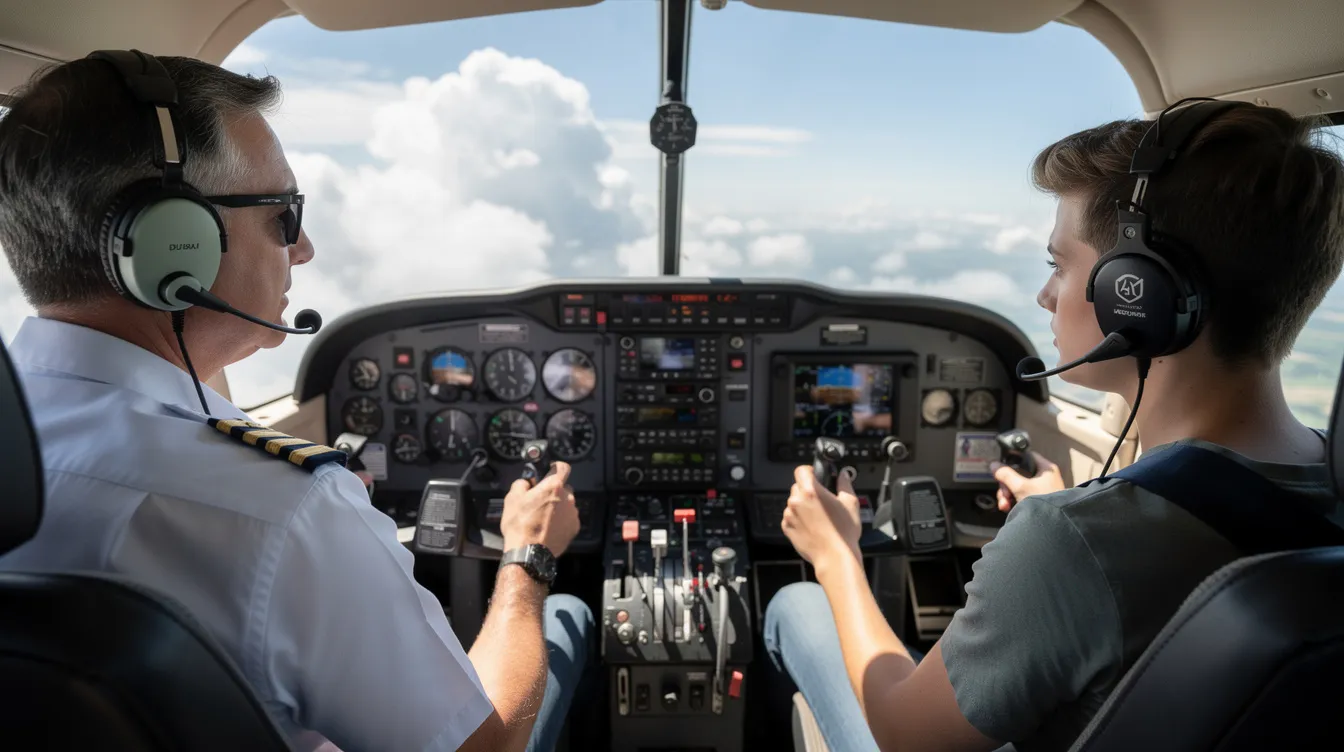
The typical path starts after earning commercial and instrument ratings: working as a flight instructor or in entry-level commercial roles. Certified flight instructors earn $35,000–$60,000+ depending on location and type of flight school.
Student pilots should know that flight training to airline transport pilot (ATP) eligibility requires 1,500+ flight hours flown in the U.S. Airline pilots require an Airline Transport Pilot certificate. Many aspiring pilots build this flight time as CFIs, banner tow pilots, or in small charter operations. Other early roles include aerial tours, skydiving aircraft, and pipeline patrol.
While starting pay is modest, these roles are essential stepping stones. The financial investment in pilot lessons and ratings pays off once pilots transition to airline or business jet positions.
A typical 25-year progression might look like this:
|
Years |
Role |
Approximate Annual Earnings |
|---|---|---|
|
0–2 |
Flight instructor |
$35,000–$60,000 |
|
2–5 |
Regional first officer |
$70,000–$100,000 |
|
5–8 |
Regional captain |
$130,000–$180,000 |
|
8–12 |
Major airline first officer |
$150,000–$250,000 |
|
12–20 |
Major airline captain (narrowbody) |
$300,000–$400,000 |
|
20–30 |
Major airline captain (widebody) |
$400,000–$520,000+ |
Timing matters. Hiring booms accelerate advancement; economic downturns slow it, and shifts in private aviation—such as travelers opting for a NetJets alternative like Jettly—can also open new flying and command opportunities for experienced pilots. Military pilots who transition to airlines may bypass some early career stages. As pilots gain experience and seniority, their earning power compounds, particularly if they branch into advisory roles or explore options like private jet lease cost structures that deepen their understanding of aircraft economics and ownership models.
With early career steps explained, let's examine how geography and region affect pilot pay.
Pilot salaries and total compensation vary by region. Most pilots at U.S. major airlines earn more than peers at many European and Canadian carriers, which has contributed to international pilot migration toward North American operators.
Within the U.S., pilots based in major aviation hubs—Miami, Dallas–Fort Worth, Los Angeles, New York—may earn more through access to premium international routes and higher flying hours, particularly on routes serving smaller executive airports that tools like an airport locator for private jet charter highlight as high-demand departure points. Freight and charter opportunities tend to be strongest in logistics hubs and wealth centers with heavy business jet traffic, where a dense ecosystem of private and charter airlines supports both pilot jobs and high-end client demand. Cost of living should always be factored in when comparing salaries across regions, as well as the mix of operators in a given market—from local air taxis like Dexter Air Taxi private jet services to global brokers—that shape trip volume and earning potential.
Pay structures abroad differ from U.S. models. Gulf carriers often offer tax-advantaged packages with housing allowances and education benefits, similar in spirit to how private operators structure total rewards in regions where understanding how much a private jet costs is crucial for employers and pilots negotiating compensation packages. European carriers typically pay less in raw salary but may offer stronger work-life balance protections. Asian carriers vary widely, with some flag airlines offering competitive packages for skilled pilots willing to relocate.
Contract terms internationally may emphasize fixed monthly salaries rather than hourly pay, and union protections can be weaker in some markets, especially compared with the diversified ecosystem of top private jet charter companies that compete on both pilot quality and client experience, including instant-book platforms such as Zenflight private jet charter that rely on contract pilots worldwide.
With regional differences in mind, let's focus on private jet and charter pilot pay.
Private jet and charter flying is a distinct segment where commercial pilots earn salaries that vary based on aircraft size, operator type, and trip volume, and pilots who regularly fly for jet card clients often see consistent hours tied to jet card flight cost structures that lock in predictable usage, often paired with premium amenities such as specialized in-flight catering for private jets on longer missions. General pay bands:
Light jet captains: $100,000–$160,000
Midsize to large jet captains: $150,000–$260,000+
First officers: Typically $70,000–$140,000
Common pay structures include annual salary plus day rates, trip-based pay, and per diem for overnights and repositioning flights. Some high-frequency flyers use jet card programs with fixed hourly rates that can stabilize demand and create more predictable flying schedules for pilots. Charter pilots flying premium trips for high-net-worth travelers and executives often work more personalized schedules with diverse mission profiles—business travel, family vacations, and time-critical trips. Their compensation is closely tied to variables similar to those in a private jet charter cost estimator, such as aircraft type, distance, and repositioning needs, especially when flights are structured as crowdsourced private jet trips with shared empty seats to improve aircraft utilization.
Jettly is a digital private jet charter marketplace connecting travelers with a global network of 20,000+ aircraft. The platform does not employ most pilots directly but works with certified operators who hire and pay pilots under their own structures.
High charter demand on popular routes—New York to Miami, Los Angeles to Las Vegas, Toronto to Vancouver—can support strong pilot utilization and consistent incomes for charter flights, mirroring the network effects seen across many leading charter airlines and operators. Pilots flying missions sourced through platforms like Jettly benefit from steady trip volume, transparent pricing, and global route diversity, including emerging luxury markets served by private jet charter in Kolkata, West Bengal, and private jet charter in New Delhi that generate additional international flying opportunities. For readers interested in how charter operations work, Jettly's marketplace offers a window into private aviation demand and the range of private charter aircraft that generate flying opportunities and income for pilots.
With private aviation covered, let's compare the cost of becoming a pilot to future salary potential.
Flight training costs in North America typically range from $60,000–$100,000+ for all ratings through commercial and multi-engine, plus the flying hours needed for ATP eligibility. This financial investment is significant, but mid- to late-career earnings provide a strong long-term return.
Funding options include aviation scholarships, student loans, airline tuition assistance programs, cadet pathways, and military service, and some pilots eventually supplement their income through aviation-related side projects such as promoting an ultra-high-ticket affiliate program tied to premium travel services. New pilots who manage training costs carefully and target employers with strong pay scales can realistically recoup their investment within 3–5 years of airline employment—faster than many graduate degree programs.
With training costs in mind, let's look at the long-term employment outlook for pilots.
The BLS projects employment growth for airline and commercial pilots at roughly 4–6% from 2024 to 2034, in line with or slightly above average for all occupations. Retirements, fleet growth, and rising global travel demand all support the continued need for qualified pilots.
Post-2020 pilot shortages prompted many carriers to improve compensation, benefits, and working conditions. While aviation is cyclical, experienced pilots who maintain current ratings and medical certificates are well-positioned for stable, rewarding career prospects—especially in North America and fast-growing international markets.
Now, let's see how pilot salaries compare to other high-paying professions.
Compared to other high-paying professions, airline pilots rank near the top of non-medical careers. The median annual salary for airline pilots ($226,600) exceeds medians for most engineers, attorneys, and financial analysts.
Trade-offs include intensive upfront pilot training, irregular schedules, time away from home, and ongoing medical and proficiency requirements. Non-monetary benefits—travel privileges, a dynamic work environment, and a clear seniority-based progression—make aviation careers attractive to those who value variety, autonomy, and strong long-term earning potential.
With all factors considered, let's conclude whether a pilot's salary is worth the path.
Monthly income depends on credit hours flown, schedule, and employer. A first-year regional first officer typically brings home roughly $6,000–$8,000 per month before taxes. Major airline first officers earn approximately $10,000–$18,000 per month, while senior captains on widebody international schedules can gross $30,000–$45,000+ monthly.
Months with more overtime, holiday pay, or international flying hours can pay substantially more. Taxes, benefits deductions, and retirement contributions reduce take-home relative to gross. For a more detailed breakdown, see this guide on For a more detailed breakdown, explore this guide on how much pilots make per month.
Most pilots can reach $100,000+ within 2–5 years after their first regional airline hire, depending on hiring conditions and how quickly they upgrade to captain. In strong hiring markets, new pilots at some major airlines cross six figures in their first year thanks to competitive starting pay.
From zero experience, the path to a six-figure income typically takes 5–10 years when factoring in flight school, CFI time-building, and early airline employment. Corporate and charter pilots flying midsize or large jets can also reach six figures once they hold captain positions.
Top-earning major airline captains generally out-earn most private jet pilots on a pure salary basis. However, experienced captains on large or ultra-long-range business jets can earn salaries competitive with many narrowbody airline captains—often $200,000–$260,000+.
Private jet pilots sometimes receive additional perks like housing support, day rates, or premium trip pay. The choice between airline and private jet flying often comes down to schedule preferences, type of flying, and lifestyle rather than salary alone. Can private pilots make money through other channels? The options are broader than many expect.
Some charter, corporate, and freelance pilots work part-time or on-demand schedules, earning per-day or per-trip rates. Experienced captains can command strong day rates on jets, making part-time work financially viable—often earning $1,000–$2,500+ per duty day.
Major airlines generally require full-time commitments, though some offer reduced schedules for senior pilots. Private jet charter, including flights arranged through platforms like Jettly, can create flexible opportunities for contract pilots employed by certified operators.
Despite rising training costs, strong demand, higher negotiated salaries, and clear long-term earning potential make aviation careers financially attractive in 2026. Airline pilot salaries have climbed faster than inflation, and the pilot shortage shows no signs of reversing.
Success depends on choosing cost-effective training paths, managing debt wisely, and targeting employers with strong pay scales. Diversification into different aviation careers—airline, cargo, private jet, flight instruction—provides resilience during market cycles. For those interested in the private aviation side, explore charter travel demand and operational opportunities at https://www.jettly.com.
How much does a pilot make? The range runs from about $70,000 for new regional first officers to $400,000–$500,000+ for senior widebody captains at major carriers. The median annual wage for airline pilots sits at $226,600, while commercial pilots earn a median of $122,670—both well above the national average. The answer depends heavily on employer type, aircraft, rank, experience, and geographic region.
Despite high training costs, long-term earning potential and job stability remain strong for committed pilots in 2026. For those drawn to private aviation, charter flying offers flexible schedules, competitive pay, and the chance to serve executives and families worldwide through rewarding career paths.
Ready to explore private aviation on your terms? Discover flight options or request a quote at https://www.jettly.com.
Share this post:
Jay Franco Serevilla
Jul 7, 2026
|
5
min read
Discover tips and trends in the industry.
5
min read
Cheap Thanksgiving Flights: How to Find Holiday Flight Deals in 2026
Finding cheap Thanksgiving flights in 2026 is all about timing and flexibility. With Thanksgiving on November 26, booking 30 to 45 days in advance and flying on off-peak days can lead to significant savings. Consider private jet options for added convenience and reduced travel stress, especially during peak holiday travel times.
Read More
5
min read
Best Time to Buy International Airline Tickets to Europe
Finding the best time to buy international airline tickets to Europe can save travelers hundreds of dollars. Booking 3 to 7 months in advance typically yields the best prices, especially during shoulder seasons. This guide offers insights on timing, fare tracking, and alternative airports to maximize savings and flexibility.
Read MoreStay updated with our latest insights and tips to elevate your journey with us.
MEMBERSHIPS AND ASSOCIATIONS



Disclaimer: Jettly operates as a charter broker, offering access to a global digital jet charter marketplace. Jettly is not a direct air carrier and does not own or operate aircraft. All advertised flights are conducted by third-party air carriers that are fully licensed and hold the appropriate Part 135 or Part 121 certifications issued by the Federal Aviation Administration (FAA) or equivalent regulatory authorities under U.S. or foreign law. Jettly complies fully with the U.S. Department of Transportation's Part 295 and Part 298 Charter Broker regulations. Jettly does not carry additional liability insurance. Passengers are covered by aircraft operator insurance. TICO: 50023770


