


Login
Get Instant Pricing On 23,000+ Aircraft

>
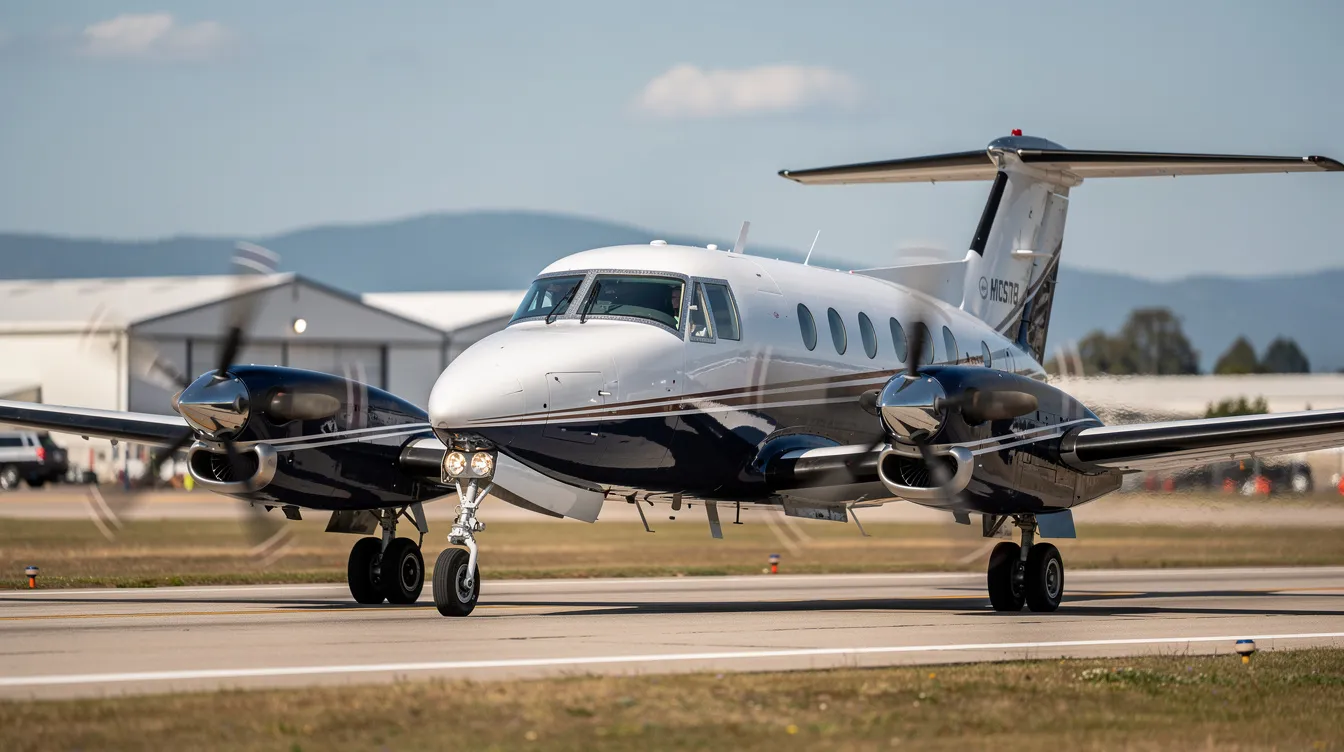
The Beechcraft King Air 300 is a versatile and reliable twin-engine turboprop aircraft that has earned a strong reputation in private aviation since its introduction in the 1980s. Known for its combination of speed, range, and operational efficiency, the King Air 300 serves a wide range of missions, including business travel, air ambulance, and special government operations.
This aircraft offers a cost-effective alternative to light jets, especially on regional routes, while providing comfortable cabin space and access to smaller airports. For travelers seeking flexible and transparent private charter options, platforms like Jettly provide easy access to King Air 300 flights, allowing customers to enjoy the benefits of private aviation without the complexities of ownership.
The Beechcraft King Air 300 is a twin-engine turboprop from Textron Aviation with a range of 1,480 nm, a maximum cruise speed of 320 knots, and strong regional performance for business and leisure flight planning.
Typical charter layouts seat 7–9 passengers, though the King Air 300 can carry up to 10 passengers depending on cabin configuration, making it a cost-efficient alternative to light jets on routes such as New York–Chicago or Toronto–Atlanta.
Ownership is expensive: annual operating cost is approximately $1,162,572, with typical operating cost ranging from $1,700 to $1,950 per flight hour, which is why many travelers prefer on-demand charter through Jettly instead of buying a Beech King outright. King Air
Jettly’s digital marketplace gives customers access to King Air and other turboprop options worldwide, with instant pricing, transparent aircraft details, and no need for jet cards or fractional ownership.
The King Air 300 combines jet-like speed with turboprop efficiency, and travelers can compare it with other aircraft or request quotes at https://www.jettly.com.
The Beechcraft King Air 300, often called the King Air 300 or Super King Air 300, is a twin turboprop aircraft produced by Beechcraft, now part of Textron Aviation. It sits between the smaller King Air 200 and the later stretched King Air 350 in the Super King Air family. Super King Air
The King Air 300 first flew on September 3, 1983. It was introduced in 1984 as an upgraded version of the King Air 200, with more powerful engines, higher maximum takeoff weight, and improved performance for demanding regional missions.
This King Air model was developed as a stronger Beechcraft King Air for corporate, commercial, government, and military users. Production of the King Air 300 ended in 1994 with 205 built, but the broader Beechcraft King line is known for continuous production and one of aviation’s longest production-run stories among business aircraft. King Air
The Air 300 is used as a corporate shuttle, owner-flown business aircraft, air ambulance, charter aircraft, and special mission platform, and it fits well within Jettly’s broader private charter aircraft network. Many governments use the King Air 300 for aerial survey, aerial photography, flight inspection, reconnaissance, and surveillance. The Swiss Air Force, the United States Army, and operators in many countries around the world have used King Air variants for military and government operations.
For charter customers, the main value is simple: the King Air 300 connects regional city pairs quickly and comfortably at a lower cost than light jets. Many active aircraft now serve in private charter fleet operations, making the model easy to compare on a Jettly listing page.
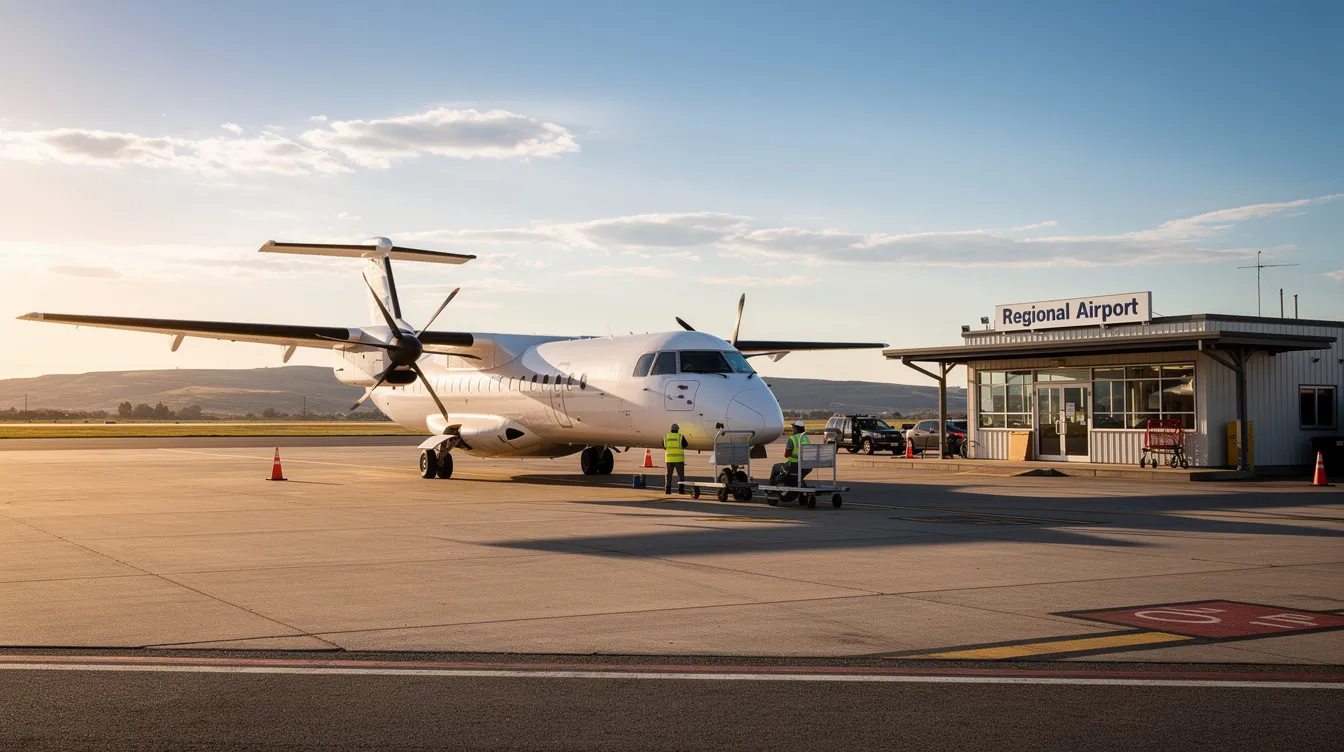
The King Air 300 specifications matter because they explain why this aircraft remains useful for charter, private ownership, and special mission roles decades after it was delivered.
|
Specification |
Detail |
|---|---|
|
Range |
1,480 nautical miles (typical), up to 1,570 nm max |
|
Cruise Speed |
260–280 ktas typical, max 320 knots |
|
Service Ceiling |
35,000 feet |
|
Takeoff Distance |
3,950 feet |
|
Landing Distance |
2,480 feet |
|
Maximum Takeoff Weight |
14,000 pounds |
|
Maximum Payload Capacity |
2,570 lbs |
|
Maximum Payload with Full Fuel |
About 1,559 lbs |
|
Engines |
2 × Pratt & Whitney Canada PT6A-60A, 1,050 shp each |
|
Fuel Consumption |
135 gallons per hour |
|
Cabin Height |
4 ft 9 in |
Key Specifications (Bulleted List):
Range: 1,480 nautical miles for typical planning; maximum range is 1,570 nautical miles under favorable conditions.
Cruise Speed: Typical long-range cruise is near 260–280 ktas; maximum cruise speed is 320 knots (about 593 km/h), depending on payload, weather, and operating profile.
Ceiling: The aircraft can reach a ceiling of 35,000 feet, helping crew plan smoother flying above lower weather and improve efficiency on longer routes.
Takeoff Distance Required: 3,950 feet.
Landing Distance Required: 2,480 feet. This short-field capability excels in getting in and out of regional airports where many business jets need more runway.
Maximum Takeoff Weight: 14,000 pounds.
Maximum Payload Capacity: 2,570 lbs.
Maximum Payload with Full Fuel: About 1,559 lbs.
Engines: Two Pratt & Whitney Canada PT6A-60A engines, each producing 1,050 shp. These powerful engines are a major upgrade from earlier 200-series models.
Fuel Consumption: 135 gallons per hour, which is high for a small turboprop but still attractive versus many comparable jet options; tools like Jettly’s private jet charter cost estimator help translate these performance figures into trip pricing.
Cabin Height: At 4 ft 9 in, the cabin height provides reasonable headroom that balances comfort and the aircraft’s regional mission profile.
Safety and Reliability: The dual-engine design offers increased safety and reliability, especially for night, mountain, island, and remote-area operations.
Design: Its fuselage, wingspan, pressurization, and landing gear were intended for practical utility, not just executive service. That balance is why the aircraft remains capable across business, medevac, and cargo missions.
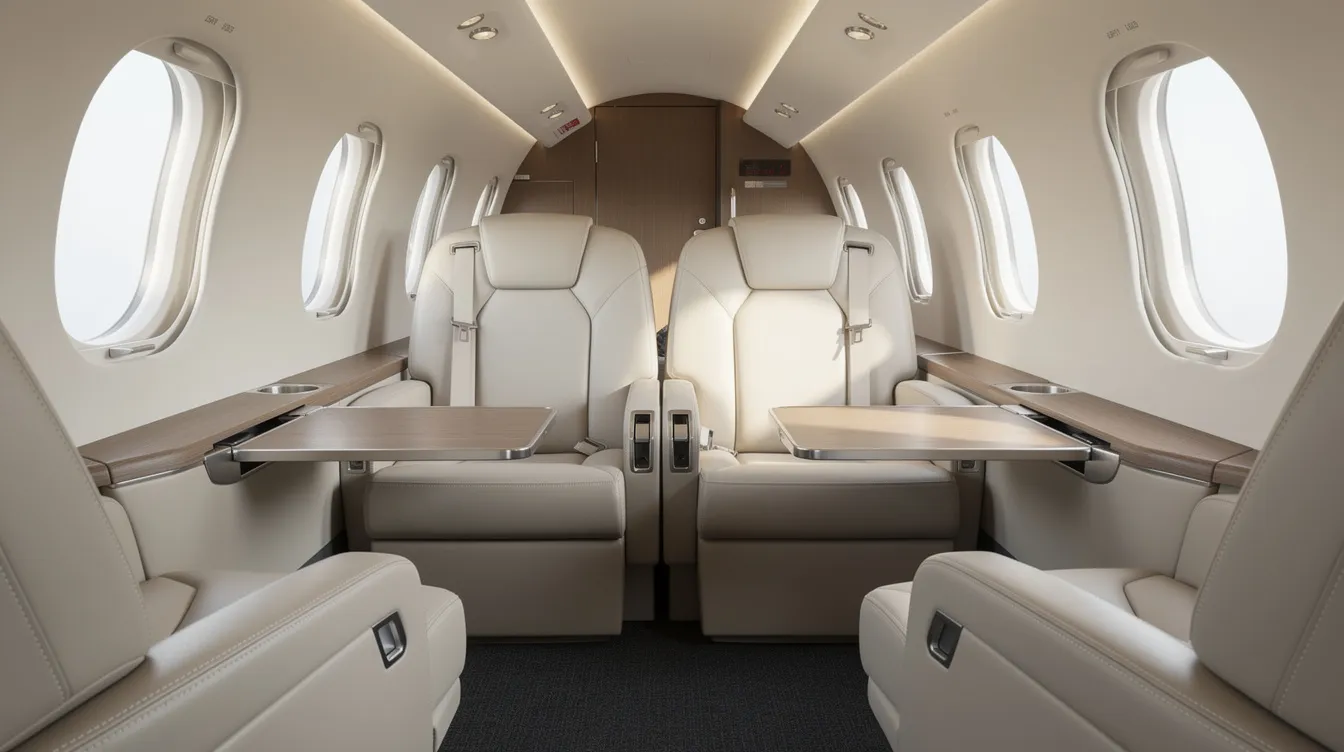
The King Air 300 cabin is pressurized and comfortable for regional trips, but it is not a full stand-up cabin for most adults. Most charter layouts carry 7–9 passengers, with some configurations equipped for up to 10.
Cabin Features (Bulleted List):
Dimensions: 16.8 ft in length, 4.6 ft in width, and 4.1 ft in height.
Shape: The cabin has a unique "loaf of bread" shape that maximizes shoulder space.
Interiors: Common interiors include a forward storage or refreshment area, a four-seat club section, extra forward- or aft-facing seats, and an aft lavatory on many charter aircraft.
Upgrades: Refurbished cabins may include leather seats, better insulation, fold-out tables, USB outlets, power ports, and Wi-Fi. These upgrades vary by year, operator, and refurbishment budget.
Sound Level: Cabin sound level and general noise level can differ widely. A modernized King Air 300 may feel much quieter than an older aircraft with minimal soundproofing.
Baggage Space: Practical for business bags, golf clubs, ski gear, or family luggage, but baggage allowances should be checked before booking.
Jettly helps travelers review photos, cabin details, operator information, and configuration notes before confirming a Beechcraft King Air charter, and its airport locator tool makes it easier to see which regional fields the aircraft can use for your trip.
Owning a King Air 300 can make sense for a company or operator flying several hundred hours per year. For most private customers, chartering avoids capital risk, crew hiring, maintenance planning, insurance, hangar contracts, and resale uncertainty.
Cost Breakdown (Bulleted List):
Annual Operating Cost: Approximately $1,162,572 for a representative ownership profile.
Total Fixed Costs: $469,546 annually.
Total Variable Costs: $557,340 per year.
Typical Operating Cost: Ranges from $1,700 to $1,950 per flight hour.
Direct Operating Costs: Around $1,300–$1,500 per hour before broader fixed expenses are included, which aligns with broader ranges discussed in Jettly’s guide on how much to rent a private jet.
Fuel Consumption: 135 gallons per hour. Fuel often sits near the largest variable expense.
Engine Overhauls: Major maintenance includes engine overhauls at about 3,600 hours, which can cost between $500,000 and $1.2 million depending on scope and parts.
Sale Price Range: Current sale listings often put 1984–1993 King Air 300 aircraft in the $1,600,000 to $2,600,000 range, depending on total hours, engine cycles, avionics, paint, and cabin condition.
The aircraft is financially viable mainly when operating at high utilization. For customers flying 25–150 hours per year, on-demand charter through Jettly usually provides better cost control, especially when compared with full ownership scenarios outlined in Jettly’s guide to how much a private jet costs.
Jettly’s transparent pricing lets travelers see trip-specific estimates without building a full ownership spreadsheet or trying to buy, manage, and later sell a Beech King aircraft.
Many travelers compare the Beech King 300 with light jets such as the Cessna Citation family and with other turboprops such as the King Air 200. The right choice depends on speed, runway access, cabin needs, passengers, and budget.
Light jets often cruise faster than the King Air 300, but on routes under 500–700 nm, total trip time can be similar once airport access, boarding, ground handling, and land transfers are included.
The King Air 300 typically costs less per hour than many business jets while still seating 7–9 passengers in common charter layouts.
Compared with earlier Beechcraft King models, the King Air 300 has more powerful engines, stronger climb performance, and better hot-and-high ability, while related aircraft like the King Air 200 private charter remain popular for similar missions.
Compared with the King Air 350, the King Air 300 has a shorter cabin and an older design, but acquisition and charter pricing can be more attractive.
Previous competitors in the civilian turboprop aircraft category often struggled to match the model’s mix of durability, service network, and mission flexibility, which is reflected in many industry overviews of charter airlines and private flight providers.
Jettly allows customers to compare aircraft types side by side for routes such as New York–Miami, London–Geneva, or intra-Canada business hops.
The King Air 300 is practical because it combines speed, range, payload, and runway flexibility. That makes it useful for corporate, leisure, medical, cargo, and government missions.
Business routes: New York to Chicago, Dallas to Denver, or Toronto to Atlanta are realistic city pairs for same-day out-and-back travel. The King Air 300 helps teams avoid overnight stays and hub delays, and Jettly’s overview of affordable private jet charter costs can help estimate pricing for these sectors.
Leisure travel: Families may use the aircraft for Los Angeles to Aspen, Miami to the Bahamas, or London to smaller European resort airports. The ability to use regional airports can reduce ground travel, and some travelers can lower per-seat pricing further by using Jettly’s platform to crowdsource private jet flights and share empty seats.
Air ambulance and medevac: The King Air 300 is adaptable for air ambulance and medevac operations, with medical interiors, oxygen systems, and stretcher support depending on operator equipment, typically operated under regulated Part 135 charter company frameworks where applicable.
Government and utility work: The aircraft is widely used by governments for aerial surveys and surveillance. Some aircraft are fitted for reconnaissance, flight inspection, camera ports, a modified belly, or other special mission roles.
Cargo and mixed-use missions: Some variants or related B300 aircraft may include a cargo door, making loading easier for equipment, supplies, or urgent freight.
Jettly’s network includes commercial customers and operators with different configurations, so users can request executive seating, medevac equipment, extra baggage capacity, cargo-capable options, or coordinate bespoke in-flight meals through Jettly Eats private jet catering.
Chartering a Beechcraft King Air 300 through Jettly is designed to be direct. Customers enter the route, date, passenger count, and preferences, then review available aircraft and live pricing, or use Jettly’s jet card flight cost estimator if they’re considering funding a card for frequent travel.
The platform gives access to more than 20,000 aircraft worldwide, including many King Air models operated under FAA Part 135 or similar international regulations. Travelers can review aircraft age, cabin photos, operator details, safety information, and estimated costs before booking.
Jettly also supports both membership and on-demand access. Frequent flyers may use private jet memberships to simplify trip management, while occasional customers can book a single flight without buying a jet card or fractional share.
This is the main advantage over ownership. Instead of managing engines, crew, maintenance reserves, insurance, or a future press release announcing an aircraft for sale, travelers can select the right aircraft for each mission and better understand one-flight private jet costs before they book.
Learn more about Jettly’s charter options at https://www.jettly.com, explore its range of private jet membership plans, or review the benefits of its jet card programs if you fly frequently.
The following questions answer common concerns about the King Air 300 and chartering it through Jettly.
Most charter-configured King Air 300 aircraft seat between 7 and 9 passengers, depending on the layout. Some configurations can carry up to 10 passengers, and Jettly shows seat maps or cabin details for each available aircraft when provided by the operator.
King Air 300 charter rates often fall around $2,000–$3,000 per flight hour in North America and Europe, depending on region, demand, repositioning, taxes, and airport fees. Jettly provides live, route-specific quotes rather than relying on flat list prices, and travelers can use its private jet charter cost estimator or read its guide to jet card costs for broader pricing context.
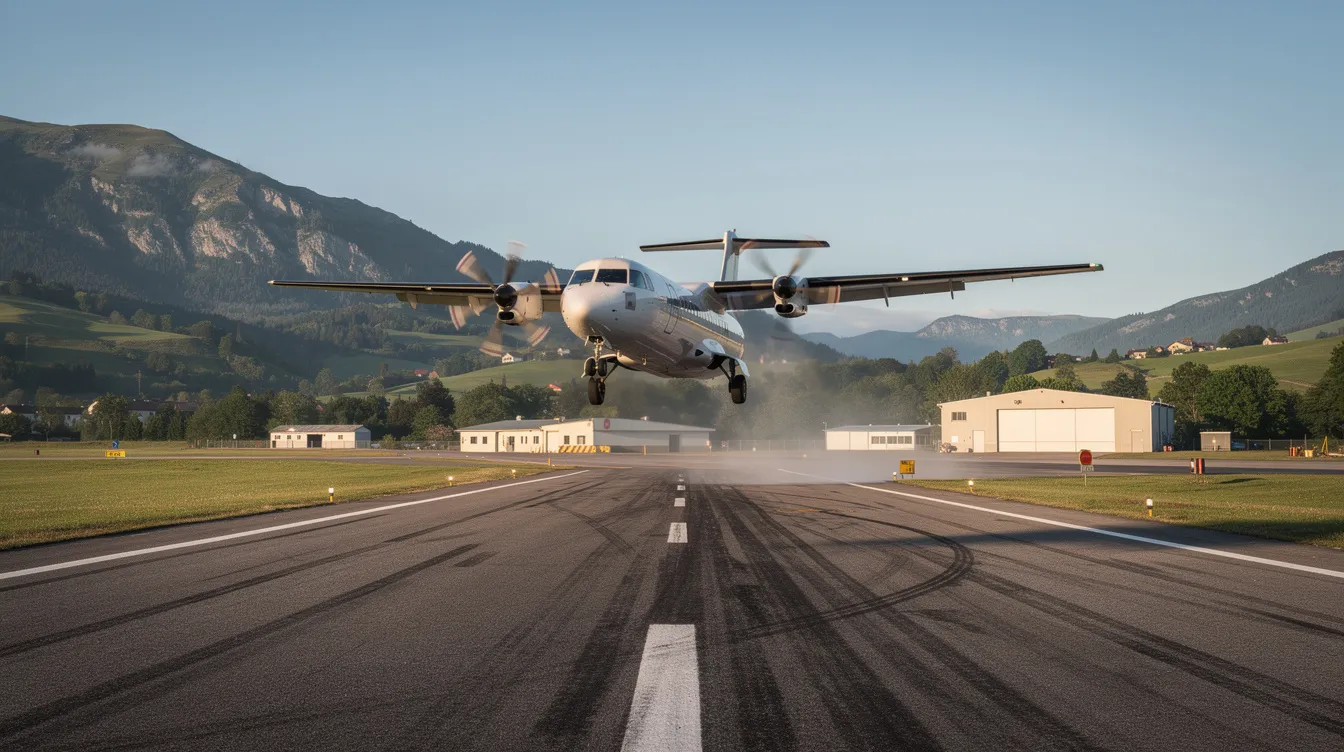
Yes. With a takeoff distance required of 3,950 feet and a landing distance required of 2,480 feet, the King Air 300 can use many regional and secondary airports that larger jets cannot. This is useful for remote communities, island airports, business airfields, and resort destinations.
The King Air 300 is widely used in regions with harsh winters and can be equipped with robust de-icing and anti-icing systems. It can also climb to 35,000 feet, but every flight must follow operator procedures, weather limits, and regulatory safety standards.
On short regional sectors, a King Air 300 charter can save door-to-door time by using closer airports, avoiding long security lines, and flying on a personalized schedule. Jettly helps travelers compare aircraft, pricing, and route options so they can decide whether the time savings justify the cost, and resources like its guide to the best private jet charter companies or its overview of NetJets alternatives can help frame how on-demand charter stacks up against other solutions.
The King Air 300 remains a practical choice for travelers who want regional speed, runway flexibility, and lower trip costs than many light jets. Those comparing options can also review Jettly’s guide to affordable airplane rental costs and options. Ready to experience private travel on your terms—or even promote these flights yourself through Jettly’s high-ticket affiliate program? Explore King Air 300 options or request a quote at https://www.jettly.com.
The Beechcraft King Air 300 remains a reliable and efficient choice for travelers seeking regional private air travel with flexibility, comfort, and cost-effectiveness. Its combination of turboprop efficiency, jet-like speed, and short-field performance makes it ideal for business trips, leisure travel, and special missions. For those who prefer to avoid the complexities and expenses of ownership, chartering a King Air 300 through Jettly offers transparent pricing, instant booking, and access to a global network of aircraft. Jettly’s platform simplifies private aviation, allowing customers to compare options and customize their travel experience with ease.
Ready to experience private travel on your terms? Explore King Air 300 flights or request a quote at https://www.jettly.com.
Share this post:
Jay Franco Serevilla
Jun 14, 2026
|
5
min read
Discover tips and trends in the industry.
5
min read
API JetBlue: Aviation Data, Flight Schedules, and Private Charter Alternatives
This article provides developers and travel planners with essential insights into accessing JetBlue's aviation data, including flight schedules and real-time status. It highlights the importance of integrating JetBlue's API with private charter services like Jettly to enhance travel solutions and optimize trip planning. Understanding these options allows for seamless passenger experiences and operational advantages.
Read More
5
min read
ATI Jet & Jetvia: Learjet 60 Private Aviation From El Paso, TX
ATI Jet, now rebranded as Jetvia, specializes in private jet charters with a dedicated fleet of Learjet 60 aircraft. Established in 1985 in El Paso, TX, the company offers tailored services and a strong safety record, catering to both business and leisure travelers across North America. This overview compares Jetvia's fleet-based model with digital platforms like Jettly, highlighting the benefits of each for potential travelers.
Read MoreStay updated with our latest insights and tips to elevate your journey with us.
MEMBERSHIPS AND ASSOCIATIONS



Disclaimer: Jettly operates as a charter broker, offering access to a global digital jet charter marketplace. Jettly is not a direct air carrier and does not own or operate aircraft. All advertised flights are conducted by third-party air carriers that are fully licensed and hold the appropriate Part 135 or Part 121 certifications issued by the Federal Aviation Administration (FAA) or equivalent regulatory authorities under U.S. or foreign law. Jettly complies fully with the U.S. Department of Transportation's Part 295 and Part 298 Charter Broker regulations. Jettly does not carry additional liability insurance. Passengers are covered by aircraft operator insurance. TICO: 50023770


