


Login
Get Instant Pricing On 23,000+ Aircraft

>
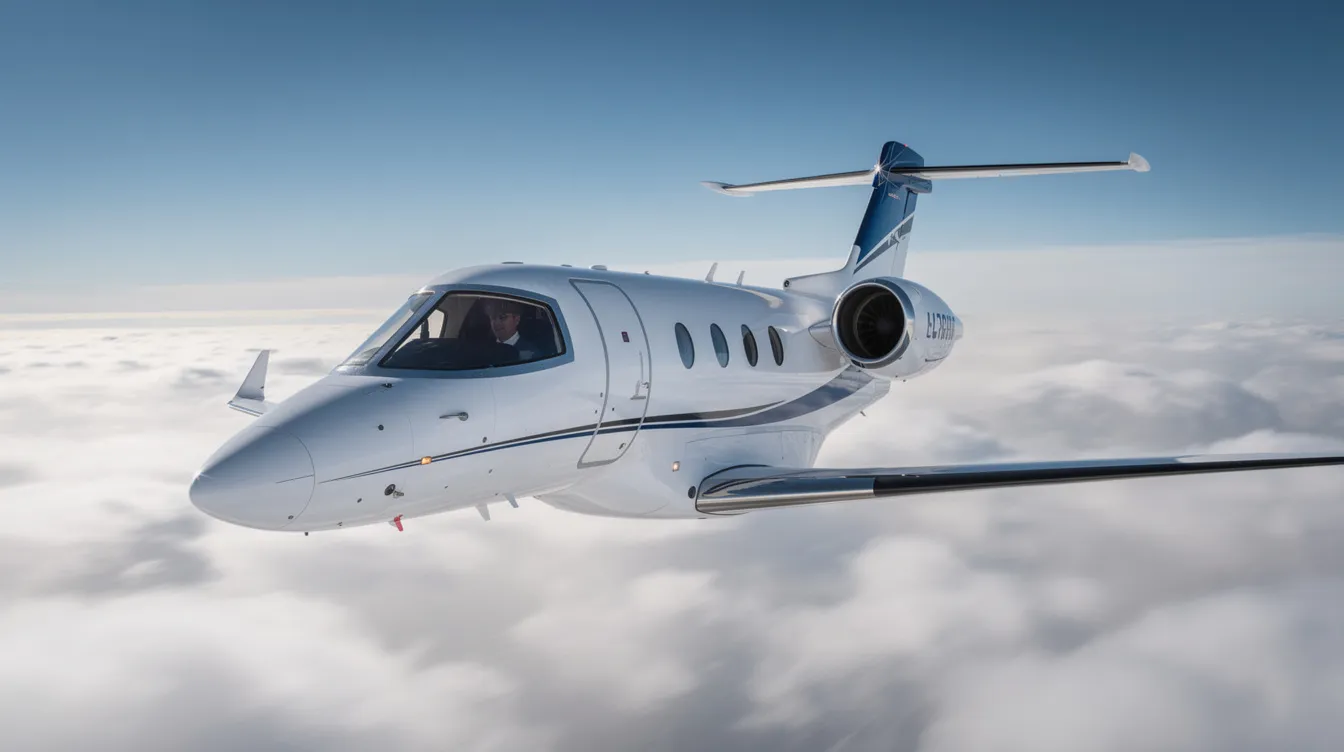
This guide targets private pilots, aviation enthusiasts, and travelers keen on the advancement of jet-powered flight. Understanding microjet aircraft is essential because these platforms drive innovation in propulsion, materials, and efficiency, influencing recreational flying and shaping the future of business aviation. Microjet technology not only affects how pilots and operators approach personal and training aircraft but also impacts broader trends in aerospace engineering, digital charter platforms, and sustainable aviation solutions.
A microjet aircraft is a niche but useful part of modern aviation.
“Microjet” generally denotes very small jet-powered aircraft or jet-equipped sailplanes utilized for training, research, airshows, and recreational purposes.
Compact turbine advancements have increased the accessibility of certain jet aircraft to private pilots, homebuilders, and airshow performers.
Most microjet aircraft are experimental or specialized, not commercial charter aircraft.
Platforms such as Jettly offer travelers access to a diverse selection of charter-ready jet aircraft, ranging from light jets to larger business jets.
Between 2024 and 2026, innovations in microjet technology remain significant as they explore advancements in propulsion, control systems, materials, and efficiency.
Microjet aircraft are very small jet-powered airplanes or jet sailplanes equipped with compact turbine engines, primarily designed for personal use, training, research, or demonstration flights rather than mass transportation.
In aviation, the term commonly refers to jet-powered gliders like the Super Salto, TsT-14 BonusJet, and Arcus-J models. It also encompasses experimental or kit-built personal jets such as the SubSonex JSX series, developed over the past twenty years, which complement traditional options for buying a seat on a private jet.
It is important to distinguish this from the engineering definition, where a microjet is a miniaturized jet or nozzle used for propulsion, cutting, spraying, or printing on a microscopic scale. This article focuses mainly on the aviation meaning while acknowledging that microjet technology is also applied in various industrial and medical fields.
Most aviation microjet engines deliver around 200–300 lbf of thrust per engine. For instance, a PBS TJ-100 turbine weighs approximately 38–44 lb and produces about 247–281 lbf, according to PBS Aerospace. This power is sufficient for self-launching sailplanes and small personal jets while keeping aircraft weight low.
Beyond aircraft, microjets enhance operational efficiency in industrial settings by providing precise air-jet sortation that captures valuable materials without extra manual labor. The potential core length of supersonic microjets is significantly affected by external pressure conditions, influencing their efficiency in different industrial uses. Additionally, microjet systems achieve high heat transfer efficiency through features like high turbulence intensity and chaotic mixing, which improve thermal and hydrodynamic boundary layers.
In telecommunications, microjet systems facilitate the efficient installation of micro-cables and fiber units in preinstalled micro-ducts, ensuring precise torque and fiber placement. The MicroJet™ blowing machine can handle micro-cables up to 8 mm in diameter and ducts with outer diameters between 3 and 16 mm, making it suitable for various telecom applications. This technology improves cable installation performance by enabling long, uninterrupted micro-cable sections, critical for maintaining signal integrity in fiber optics.
Microjet technology also plays a role in precision micro-irrigation, microfluidics, additive manufacturing, and micro-waterjet cutting, paralleling broader efforts to explore affordable aircraft rental options and access models within aviation. Micro-emitters deliver water directly to plant roots, minimizing evaporation and runoff. Microjet sprinklers provide low-volume irrigation by spraying fine water streams directly at plant bases or tree roots, conserving water and preventing soil compaction. Fertilizers and pesticides can be injected directly into irrigation systems, ensuring targeted nutrient delivery and reducing chemical waste.
While most microjet aircraft are not used in commercial charter, they remain significant as part of the ongoing evolution of jet technology that benefits the business jets accessible through Jettly.

Since the 1990s, reductions in turbine size, cost, and improvements in reliability have made small jet aircraft increasingly viable for individual pilots and specialized users. Early examples emerged as experimental jet gliders, airshow performers, and kit-built models.
The Super Salto jet sailplane demonstrated that a glider could self-launch, climb efficiently, and continue soaring after the engine is turned off. Later designs featured twin jet sailplanes offering greater thrust, redundancy, and enhanced airshow capabilities.
Desert Aerospace, LLC was instrumental in equipping aircraft like the TsT-14 BonusJet, DG808J, and Arcus-J with turbine engines from the early 2000s onward, combining high-performance soaring with turbine propulsion.
The SubSonex JSX-1 debuted in the early 2010s, followed by the JSX-2 as a compact personal jet within the homebuilt aircraft community. By the mid-2020s, single-seat microjets and twin jet sailplanes had become familiar sights at airshows across North America and Europe.
These aircraft helped define the microjet category in training, research, and airshow performance.
|
Aircraft |
Type |
Main role |
|---|---|---|
|
Super Salto Jet Sailplane |
Jet sailplane |
Airshow aerobatics |
|
FoxJet |
Twin jet sailplane |
High-climb displays |
|
TsT-14 BonusJet |
Two-seat jet sailplane |
Training and soaring |
|
Arcus-J |
High-performance jet sailplane |
Research and long distance |
|
SubSonex JSX-2 |
Single-seat personal jet |
Recreation and transition training |
The Super Salto and FoxJet are well-known through Vertigo Airshows. The Super Salto features a small turbine for self-launching and aerobatic maneuvers, while the FoxJet is equipped with twin engines to provide stronger climb performance and is used for day or night displays with lighting and pyrotechnic effects.
The TsT-14 BonusJet is a flexible self-launching jet sailplane designed for soaring, research, and pilot transition training. It is powered by a retractable PBS TJ-100 engine, spans about 17 meters, and achieves a glide ratio close to 39:1.
The Arcus-J is a high-performance jet sailplane platform. According to Desert Aerospace, a Jet Arcus has completed a flight exceeding 3,000 km in a single soaring mission, supporting competition, wave research, and high-altitude operations.
The SubSonex JSX-1 and JSX-2 introduced microjet flying to the kit aircraft community. Designed for personal use, training, and airshow performances, the JSX-2 cruises at approximately 210 knots and has a range of about 420 nautical miles with reserves.
Modern microjet aircraft rely on compact turbine engines, advanced composites, and precise aerodynamic designs.
Small turbines, such as those in the PBS TJ-100 class, typically use Jet A or similar fuels. Their appeal lies in their high power-to-weight ratio, compact size, and reliable performance for controlled self-launch and climb. This engine effectively transforms a pure glider into a fully independent aircraft.
In jet sailplanes, self-launch systems are usually retractable or pod-mounted. Pilots extend and start the engine to climb, then shut it down, allow it to cool, and retract it to minimize drag. This process preserves the aircraft’s soaring capabilities.
Composite materials play a key role, with carbon-fiber and glass-fiber airframes enabling slender wings, reduced drag, and efficient integration of microjet pods. Modern cockpits often feature glass displays, GPS flight computers, and systems for monitoring amps, fuel, and energy management.
Microjets are applied in various aerospace contexts, including supersonic jets used in internal engine flows and external aerodynamics, as well as rocket applications for missiles and booster rockets. The Mach number of propulsive jets in civilian aircraft generally ranges from about 0.8 to 1.2, with future designs potentially reaching 1.7–1.8, underscoring the significance of microjet technology in high-speed flight. Additionally, microjets enhance cooling performance in aerospace by providing effective film cooling, essential for handling extreme aeroheating during flight.
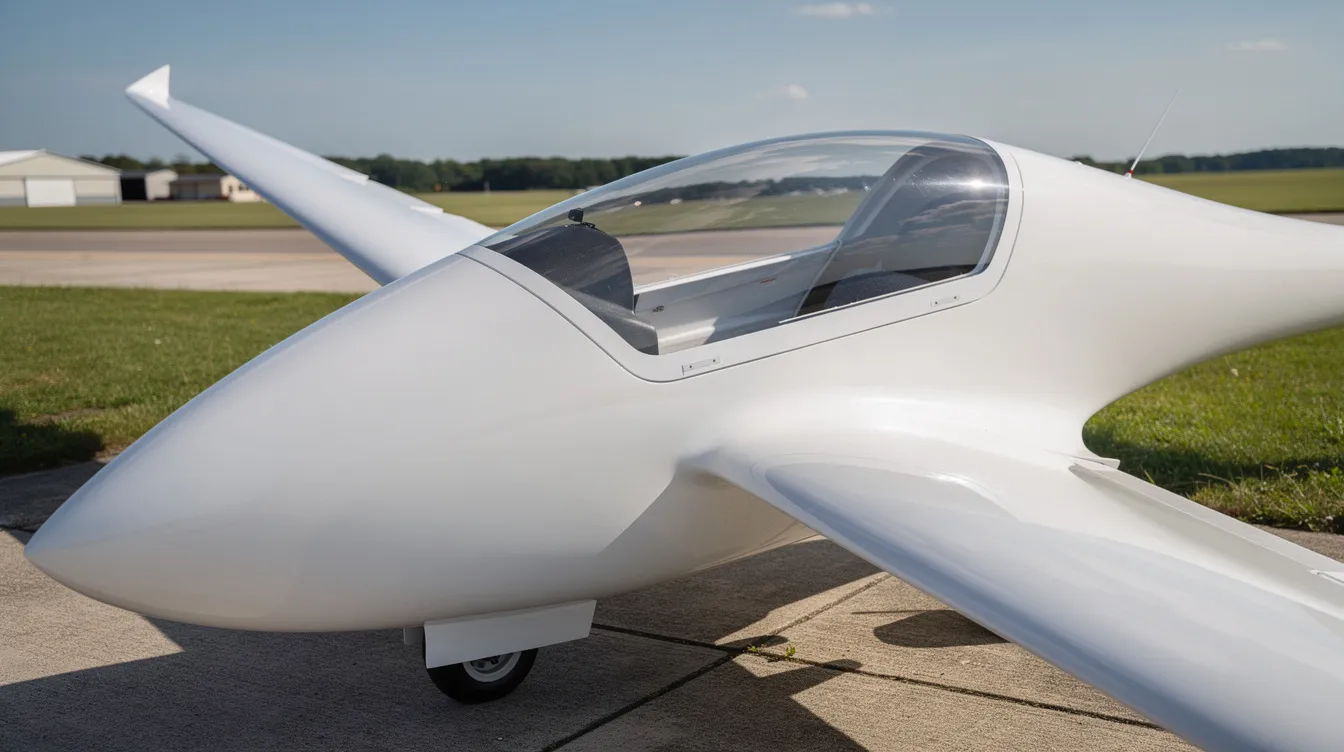
Microjet aircraft are seldom used for transportation purposes. Instead, they serve specialized roles where compact jets provide added flexibility, safety, or visual appeal.
In pilot training, aircraft like the BonusJet or SubSonex offer an introduction to jet operations, including handling characteristics, throttle response, fuel management, emergency protocols, and energy control before advancing to larger jets. Pilots often progress from gliders to jet sailplanes, then to light jets with more complex systems and higher speeds.
For research, the Arcus-J supports studies in wave soaring, atmospheric measurements, and long-distance flights exceeding 3,000 km. In airshows, the Super Salto and FoxJet deliver precise performances using jet thrust, smoke, lighting, and occasionally pyrotechnics.
Experience gained from these aircraft influences the design and pilot expectations of small business jets, particularly in areas like energy management and drag, which are important when comparing the top private jet charter companies and platforms or using tips for booking affordable private jet flights.
Microjet aircraft and light jets both use turbine power, but they serve different markets.
|
Category |
Microjet aircraft |
Conventional light jet |
|---|---|---|
|
Seats |
Usually 1–2 |
Often 4–8 |
|
Mission |
Training, recreation, research, and display |
Business and leisure travel |
|
Cabin |
Minimal |
Pressurized and equipped |
|
Range |
Limited or soaring-based |
Often 1,000 km+ |
|
Regulation |
Often experimental |
Commercially certified for charter |
A Citation CJ series or Embraer Phenom 100 is designed for point-to-point travel with passengers and luggage in mind. In contrast, a SubSonex or jet sailplane is tailored for the pilot, not for family trips or executive itineraries.
Microjets prioritize agility and experimental versatility over comfort and range. Light jets emphasize dependable cruise speeds, weather capabilities, and popular routes like New York–Miami, Toronto–Vancouver, or Los Angeles–Las Vegas, serviced by various charter airlines and private operators. Understanding what influences the cost of a private jet flight helps travelers select the most suitable option.
While most charter jets are commercially certified with regulated maintenance and crew standards, microjets generally fall into private-owner or experimental categories. Operators bear greater responsibility, and passenger rights differ compared to commercial charter travel, whether on shared charter flights or full private charters.
Innovation at the microjet scale often influences mainstream aviation. Engineers frequently test new concepts on small aircraft before incorporating them into certified models.
Advancements in compact turbines contribute to the development of auxiliary power units and engines for very light jets. Research with jet sailplanes helps improve laminar flow, winglets, lightweight materials, and aerodynamic fuselage designs. These enhancements support greater fuel efficiency and passenger comfort in business jets.
Digital monitoring systems used in advanced sailplanes mirror the data-driven safety and fleet management practices employed by operators linked through Jettly’s marketplace. Travelers booking light or midsize private charter aircraft via Jettly indirectly benefit from years of microjet innovation, just as potential owners consider the true costs of private jet ownership when deciding between chartering and owning.
Microjet aircraft themselves are generally not available for charter. However, the digital-first approach is transforming both microjet development and how travelers access jet aircraft.
Jettly is a digital private jet charter platform offering access to more than 20,000 aircraft worldwide, including light, midsize, super-midsize, heavy jets, turboprops, and helicopters, supported by an airport locator tool and on-demand charter platform. The platform features instant pricing, transparent cost breakdowns, and on-demand booking.
This empowers travelers with greater control and simplifies private flying comparisons, especially when using a private jet charter cost estimator to preview pricing before booking, applying affordable luxury strategies for private jet flights, or opting to crowdsource and share empty private jet seats to reduce expenses. Common use cases include executive travel, family vacations, medical or urgent trips, London–Geneva weekends, and last-minute Los Angeles–Las Vegas flights, where frequent flyers compare on-demand charters with structured jet card programs for private travel, as detailed in regional pages like private jet charter in Atlanta, Georgia.
Discover more about Jettly’s charter services and private jet memberships at https://www.jettly.com. Learn how jet cards operate, their pricing, and advantages, review a comprehensive guide on private jet card costs and fees, and compare the top jet card programs available today.

Despite their compact size, microjet aircraft require strict adherence to safety protocols. The nature of jet engines, rapid descent rates, thermal constraints, and engine restart procedures allow little margin for error.
Many microjet aircraft fall under experimental or limited certification categories. In contrast, certified business jets used for charter operations comply with more rigorous commercial regulations, including documented maintenance, trained flight crews, and audited operating standards.
Pilots flying microjets often undergo specialized training such as turbine transition courses, airshow preparation, aerobatic instruction, and recurrent proficiency checks. For instance, a glider pilot transitioning to a BonusJet must master engine deployment, cooldown, restart procedures, and emergency glide planning. Similarly, SubSonex pilots must adapt to higher speeds and the demands of single-seat decision-making.
Jettly partners with fully regulated operators and professional crews, enabling travelers to experience jet performance without the risks associated with experimental aircraft. This positions Jettly as a flexible alternative to traditional providers like NetJets for private flyers familiar with established private aviation leaders.
Microjet aircraft have a different environmental footprint compared to airliners or larger business jets, yet efficiency remains a priority in their design.
Jet sailplanes like the Arcus-J achieve high glide ratios, limiting engine use primarily to launch, climb, or repositioning phases. Much of the flight relies on atmospheric lift instead of continuous fuel consumption.
Techniques such as drag reduction, laminar flow, and lightweight construction derived from sailplanes contribute to more efficient wings and fuselages in larger jets. Private jet charter services like Jettly increasingly focus on optimized routing, appropriately sized aircraft, and carbon offset options when available, while helping clients understand affordable private jet charter pricing and assess top private plane manufacturers for various budgets and needs.
No jet is free from emissions today. However, experimentation with microjets and digital charter platforms both encourage smarter, more responsible use of jet power.
It is also important to recognize limitations in other microjet applications. Micro-nozzles demand careful cleaning and maintenance, as dust, vibrations, or temperature changes can significantly affect performance. Microjet emitters are prone to clogging, requiring regular chemical flushing and filtration. Establishing pressurized micro-irrigation and precision sensor networks involves considerable initial financial investment.
Generally, no. Most microjet aircraft, such as jet sailplanes and single-seat personal jets, operate under experimental or specialized categories.
Travelers usually charter certified light, midsize, or heavy jets, turboprops, or helicopters via platforms like Jettly, which provide multiple options to secure a seat on a private jet easily, including support for international and cross-border private jet flights. Even if passengers do not fly in a microjet, they benefit from technology proven in these smaller experimental aircraft.
To pilot a microjet aircraft, individuals typically require at least a private pilot license with the necessary ratings, along with specialized turbine or jet transition training tailored to the specific microjet model.
Certain aircraft may also demand additional endorsements, high-performance training, or type-specific checkouts. Prospective pilots should consult their local aviation authorities and certified training organizations for detailed requirements.
Jet sailplanes typically cruise at several hundred km/h during powered phases, while compact personal jets like the SubSonex achieve significantly higher speeds. Jet sailplanes focus on climbing and soaring rather than extended powered range.
In contrast, conventional light jets available for charter are designed for sustained cruising and often cover distances exceeding 1,000 km in a single flight, whether booked directly through Jettly or through operators such as Dexter Air Taxi’s private jet services.
Safety varies based on design, upkeep, pilot training, and operating conditions. Many microjets fall under experimental categories and are flown by owner-pilots, making risk management more individualized.
Certified business jets used for charter undergo stringent regulatory oversight, maintenance protocols, and crew training. Passengers seeking commercial-level safety and comfort should opt for professionally operated aircraft, including instant-book options like Zenflight’s private jet charter service.
Research in microjet technology advances propulsion, cooling, materials, and aerodynamics. For example, Laser MicroJet (LMJ) technology employs a microscopic water jet to guide a laser beam for precise, burr-free cutting of hard materials without thermal damage. Material jetting (MJ/PolyJet) creates complex 3D parts directly from digital files, eliminating the need for molds and enabling on-demand customization.
Material options in 3D printing are mainly limited to certain polymers and waxes. Industrial micro-jetting printers and micro-injection molding machines involve high capital and operational expenses. Microjet technology facilitates the fabrication of intricate microscopic geometries essential for medical devices, electronics, and aerospace components. High-pressure microjets using water mixed with particles are applied in medical device manufacturing to accurately cut sensitive materials without harming their structure.
In nanotechnology, microjets propelled by self-generated bubbles navigate bodily fluids to deliver drugs precisely. Microjet drug delivery systems use high-speed jets to penetrate skin, enabling injection of vaccines, insulin, and other drugs without needles. These systems can achieve jet speeds over 100 m/s, sufficient for subcutaneous or intramuscular delivery. Recent improvements include smaller diameter jets that reduce pain and bruising compared to traditional injections.
This precision-driven approach aligns with Jettly’s transparent pricing, instant quotes, and efficient aircraft matching, supported by tools like the jet card flight cost estimator, dedicated in-flight catering services via Jettly Eats, and an affiliate program rewarding partners who refer new clients.
Microjet aircraft—including jet sailplanes, personal jets, and training platforms—serve as agile, specialized aircraft that are small, fast, and technically sophisticated.
They have contributed to refining technologies used in light and midsize jets that business and leisure travelers charter today. Digital platforms like Jettly simplify access to a broad range of jet aircraft built upon decades of engineering innovation.
Ready to experience private travel customized to your preferences? Explore available flights or request a personalized quote at https://www.jettly.com.
Share this post:
Jay Franco Serevilla
Jun 15, 2026
|
5
min read
Discover tips and trends in the industry.
5
min read
Fastest Commercial Jet: How Fast Passenger Planes Really Fly in 2026
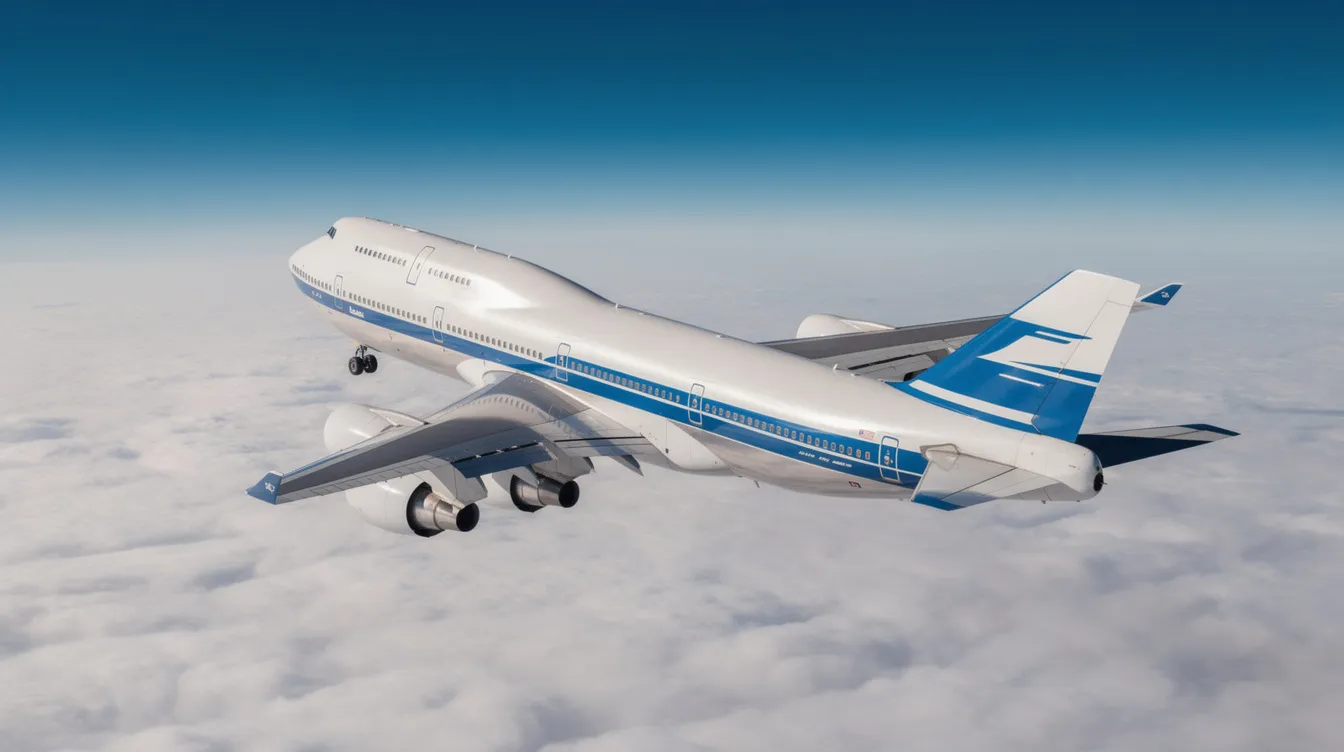
In 2026, the Boeing 747-8i remains the fastest commercial jet, cruising at Mach 0.855. While modern airliners prioritize fuel efficiency over speed, private jets like the Bombardier Global 8000 offer competitive speeds and greater flexibility, often resulting in shorter total travel times. This guide explores the nuances of commercial jet speeds and the advantages of private aviation.
Read More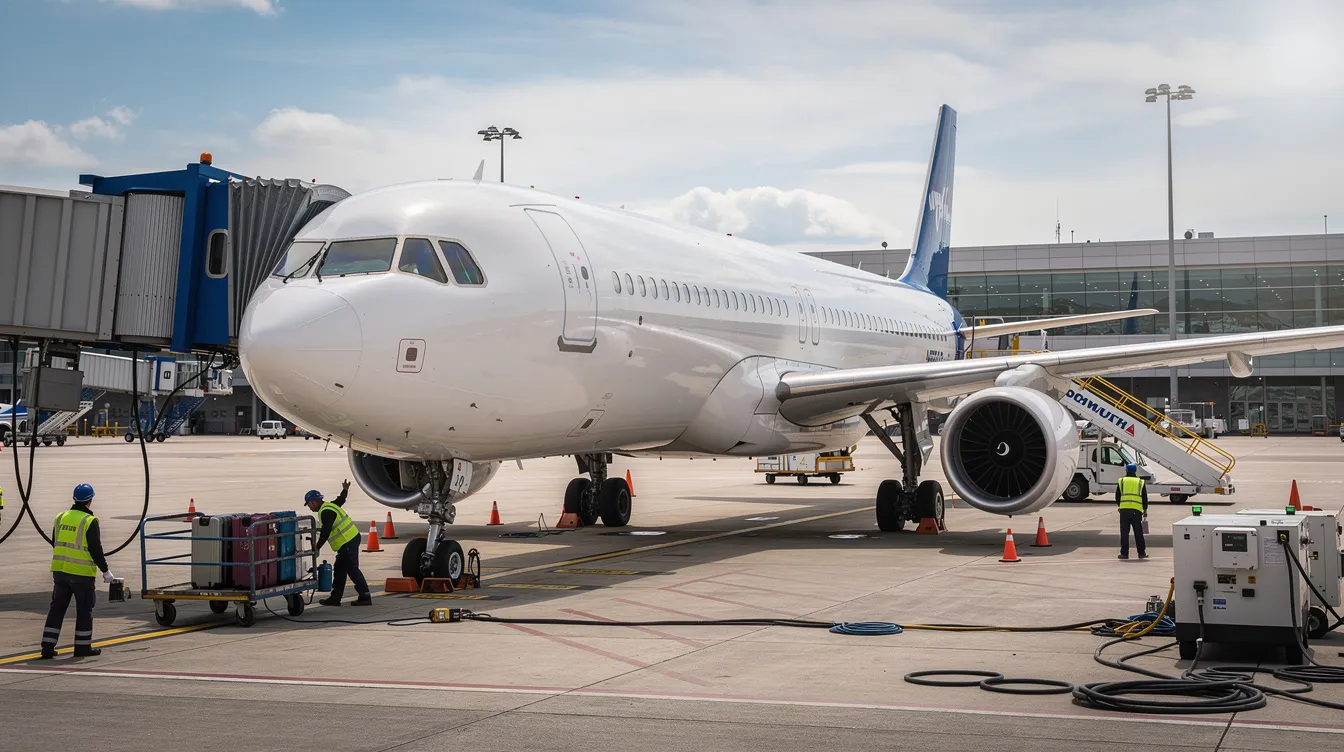
5
min read
Best Airlines to Work For in 2026: How to Choose the Right Fit for Your Aviation Career
Choosing the best airline to work for in 2026 is crucial for aviation professionals, as it impacts pay, culture, and career progression. This guide evaluates top U.S. and international carriers based on key factors like compensation, work-life balance, and employee satisfaction, helping candidates find the right fit for their aviation careers.
Read MoreStay updated with our latest insights and tips to elevate your journey with us.
MEMBERSHIPS AND ASSOCIATIONS



Disclaimer: Jettly operates as a charter broker, offering access to a global digital jet charter marketplace. Jettly is not a direct air carrier and does not own or operate aircraft. All advertised flights are conducted by third-party air carriers that are fully licensed and hold the appropriate Part 135 or Part 121 certifications issued by the Federal Aviation Administration (FAA) or equivalent regulatory authorities under U.S. or foreign law. Jettly complies fully with the U.S. Department of Transportation's Part 295 and Part 298 Charter Broker regulations. Jettly does not carry additional liability insurance. Passengers are covered by aircraft operator insurance. TICO: 50023770


