



Login
Get Instant Pricing On 23,000+ Aircraft

>
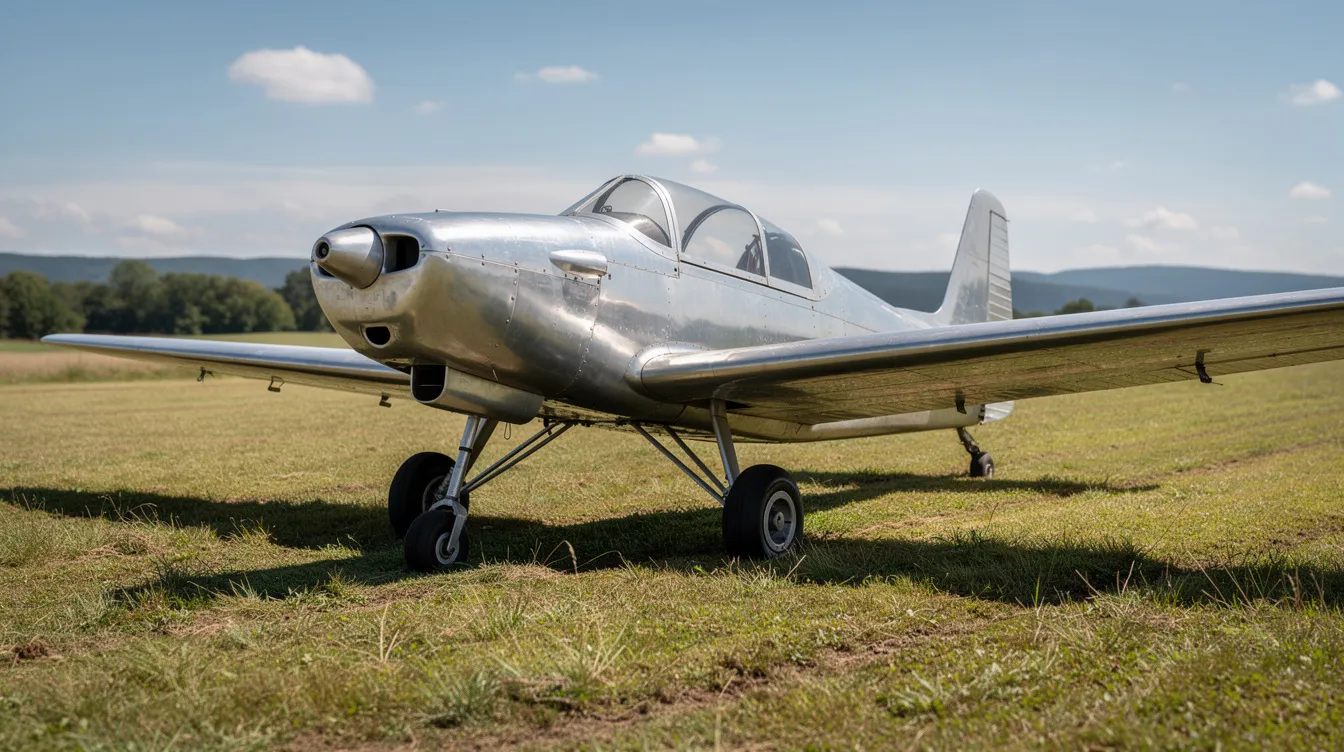
Building your own aircraft remains one of the most rewarding and cost-effective paths into aviation. But with material prices climbing and new designs entering the market, which kits actually deliver the best value? This guide breaks down the most affordable kit planes available in 2026, covering real-world costs, performance specs, build times, and how to match the right aircraft to your flying goals.
Several proven aircraft kits still offer base airframe prices under $25,000, but realistic total project costs-including engine, avionics, propeller, and paint-typically land between $50,000 and $90,000 for a flyable airplane. Budget single-seat aircraft generally cost between $20,000 and $40,000, while basic two-seat aircraft typically cost between $40,000 and $70,000.
Stand-out budget kits include the Sonex-B (two-seat, 150 mph cruise), the Sport Performance Aviation Panther (~$15,995 airframe), the Just Aircraft Highlander (STOL-capable, 105 mph cruise), the Aeromarine LSA Merlin (90–120 mph, buildable in about 300 hours), and the Baby Ace (classic open-cockpit fun under 100 mph).
Affordable kit planes come in single-seat and two-seat categories, covering missions from weekend recreational flying and backcountry exploration to efficient cross-country travel at a fraction of certified aircraft operating costs.
Kit aircraft excel for hands-on pilots who enjoy the building process and want low per-hour flying costs. Travelers needing fast, business-ready trips across multiple cities can use private jet charter platforms such as Jettly instead of relying on a homebuilt airplane for time-critical missions.
The most affordable kit planes in 2026 are defined not just by base price but by total lifecycle cost, builder support quality, and availability of affordable engine options.
Affordability in kit aircraft means more than a low sticker price. In 2026, a budget-friendly airframe kit typically costs under $25,000–$30,000, but the finished aircraft may cost 2 to 4 times the basic airframe kit price once you factor in everything needed to fly.
Base airframe kit prices range from $5,000 to $35,000 depending on the design. On top of that, builders need to budget for:
Engine: $8,000–$30,000 (VW conversions on the low end, new Rotax or Lycoming on the high end)
Propeller and cowling: $2,000–$5,000
Avionics: $1,200–$30,000 (basic VFR analog panel vs. glass cockpit)
Paint, interior, and finishing: $3,000–$8,000
Tools, workspace, and inspection fees: $2,000–$5,000
A concrete example: the Sonex-B airframe kit costs under $25,000. Add an AeroVee engine (~$12,500), a basic VFR panel (~$3,000–$5,000), propeller, paint, and inspection fees, and the realistic flyable cost lands around $60,000–$70,000. Total completion costs for kit planes often run between $25,000 and $60,000 for the simplest builds, stretching higher for more complex designs.
Many of the most affordable kit planes meet light sport aircraft limits-meaning a maximum weight of 1,320 pounds-making them accessible to sport pilots with lower training requirements. Homebuilt aircraft are classified as Experimental under FAA regulations, governed by 14 CFR section 21.191(g), and kit aircraft must comply with the 51% Rule, meaning the builder must fabricate and assemble the majority of the aircraft.
This guide focuses on proven aircraft kits from established manufacturers rather than experimental one-off designs or scratch-building projects with limited documentation.
Every kit on this list was selected based on a combination of factors: base price under a defined threshold, engine options with strong community and parts support, reasonable construction time, and an active builder community with documented fleet hours.
Key inclusion criteria:
Base kit prices typically range from $20,000 to $50,000 for the airframe or complete kit (engines and avionics separate)
Common engine options (Rotax, AeroVee, Continental, Corvair, UL Power) with reliable supply chains
Reasonable build time for first-time builders- generally under 1,500 hours for the airframe
Documented safety record and manufacturer stability through at least 2025–2026
Both single-seat and two-seat homebuilt aircraft made the cut, plus a few larger "value" designs where cost per seat is compelling even if the kit cost is higher. Many budget-friendly kit planes focus on low cost of materials and ease of construction, allowing builders to complete projects without specialized composite tooling. The Rans S-21 Outbound, for example, features an all-metal airframe for durability while cruising at around 110 knots-a solid cross-country machine at a competitive price.
Specific pricing and specs change year to year. Always verify current kit cost and lead times directly with each manufacturer before ordering.
The rest of this article is organized by mission-ultralight/LSA, bush/STOL, cruisers, classics, and amphibious-so you can quickly find the affordable options that match your flying goals.
Single-seat and ultralight kit aircraft are the least expensive entry point into homebuilt flying. Many base kits sit well under $25,000, and operating costs stay low thanks to small engines burning less fuel per hour.
This tube-and-fabric single-seat ultralight has been a staple of budget aviation for decades. Kits start in the $15,000 range, and engine options include 40–65 hp Rotax or HKS powerplants. With an empty weight around 350 lb and an 800 lb max gross, the Hawk Plus cruises between 60 and 80 mph. It suits pilots who prioritize simplicity and low operating costs over cruise speed.
An aluminum single-seat light sport aircraft design, the Merlin can be built in about 300 hours, making it one of the fastest assembly process timelines in the kit world. The Aeromarine LSA Merlin is primarily constructed from aluminum and targets a 715 lb max gross weight. With 60 hp engines, the Aeromarine LSA Merlin has a cruise speed of 90–120 mph. Its all-metal design and simple pre-punched aluminum structures make it beginner-friendly for those new to creating kits.
With a base price around $15,995 for the airframe kit, the Panther offers excellent performance for a single-seater. It features a fully welded fuselage and pre-drilled wing skins for a streamlined building process. Fitted with a Corvair-based engine in the 100–120 hp range, it delivers a cruise speed of roughly 165 mph at altitude-well beyond typical ultralights. The low empty weight keeps fuel burn modest, and its flight characteristics reward pilots who enjoy responsive handling.
These kits are ideal for inexpensive weekend fun, solo pattern work, and short cross-country hops where carrying passengers is not essential. Budget single-seat aircraft generally cost between $20,000 and $40,000 when fully completed.
Most builders eventually want a second seat. A low-cost kit aircraft capable of carrying two people for regional trips-cruising between 100 and 150 mph with reasonable fuel burn-hits the sweet spot for many pilots.
One of the most recognized names in affordable two-seater kits. The Sonex-B kit is priced under $25,000 for the airframe, and Sonex increased prices in late 2025 to reflect rising material costs. The Sonex-B achieves a cruise speed of 150 mph with an 80-hp engine, offers a useful load of 480–530 lb, and is available as a tail dragger or tricycle gear configuration. Low-wing, all-metal aircraft like the Sonex-B are known for high efficiency and cost-effectiveness. Total completed cost with an AeroVee engine and basic VFR panel typically runs $40,000–$60,000. Cabin comfort is tight but workable for flights under 300 nm.
A stretched, higher-performance two-seat kit using wood and premolded fiberglass. Build time runs around 800 hours. With 80–100 hp engines (VW, Corvair, Continental O-200), the KR-2S cruises between 150 and 180 mph. Its compact 82 sq ft wing area makes it a "hot rod" value choice-though it rewards experienced builders and pilots more than beginners.
A minimalist metal two-seater (sometimes called a "1.5-seater" given its cozy dimensions). Available in tri-gear or tail-dragger configuration, the H5 uses VW-based powerplants up to about 85 hp for a cruise speed of 100–130 mph. Modular purchasing plans, blanks, and formed parts let builders spread costs over time, building their project incrementally.
The Van's RV-4 kit is priced below $25,000 for the airframe and remains a legendary performer in the homebuilt world, though Van's Aircraft kits tend toward longer build times. Similarly, a Van's RV-9/9A can be completed in about 2,000 hours and delivers strong performance for cross-country travel.
These two-seaters trade extra room and cabin comfort for economy. For 100–300 nm trips, they deliver some of the best cost-per-mile in homebuilt aviation.

Short takeoff and landing capability opens up backcountry strips, grass fields, and adventure flying that paved-runway pilots never experience. Many bush-capable designs remain surprisingly attainable, and their high wing configurations provide excellent visibility of terrain below.
A standout in the STOL category, the Just Aircraft Highlander offers a base airframe kit at roughly $41,700 that includes tires, brakes, fabric, adhesives, and interior components. The Just Aircraft Highlander has a max gross weight of 1,320 pounds, placing it in the light sport aircraft category. With a Rotax 912S engine, it delivers about 105 mph cruise speed and impressive short-field performance. Builders can choose tail dragger or tri-gear landing gear, and optional larger fuel capacity and turbo engines serve those with more budget.
A two-place utility high wing with 128 sq ft wing area, 1,150 lb gross weight, and wood-and-fabric construction. The Dakota Hawk can cruise at 90–100 mph with an 80-hp engine and climbs at 800–1,000 fpm. Its low stall speed of around 35 mph makes it forgiving on short strips. Engine options range from Continental C-90/O-200 to Rotax 912/912S, Jabiru 3300, and other engines.
A value-oriented metal high wing bush plane with a pre-punched aluminum airframe that simplifies the assembly process. The Rebel accommodates up to 1,600 lb gross weight and fits engine options from Rotax 912 to Lycoming O-235/O-320, cruising at 115–120 mph. It handles floats or tundra tires well, making it flexible for lake access and rough strips.
The Kitfox Series 7 features a precision-welded 4130 chromoly steel fuselage and achieves a cruise speed of 123 mph. With a typical build time of 800 to 1,000 hours, it remains a popular choice among most builders seeking a versatile STOL platform.
These STOL homebuilt aircraft appeal to sport pilots wanting to reach lakes, remote cabins, or short strips. For larger loads or remote business trips, chartering a turboprop via platforms like Jettly is a more practical solution.
Some of the most affordable kit planes emulate classic 1930s–1950s designs, using simple structures and low-cost engines while capturing the pure joy of vintage flying.
A parasol-wing, open-cockpit classic that traces its roots to the golden age of homebuilt aircraft. The Baby Ace uses CNC-cut steel-tube fuselage and wood wings, keeping construction straightforward. It cruises around 100 mph with Continental flat-four engines up to roughly 120 hp. At 950 lb gross, it can fit under LSA limits. Variants (B, C, and D) mainly differ in landing gear-including tail dragger options-and tail configuration. Many budget aircraft kits in this category feature simple tube-and-fabric construction suitable for basic tools.
A four-seat, tube-and-fabric tail dragger inspired by classic bush and utility designs. With about 1,100 lb empty weight and 2,200 lb max gross, it accepts Lycoming engines from 125 to 200 hp and cruises at 120–125 mph. Options for fully welded vs. tack-welded fuselages let builders balance cost and complexity. Finishing typically involves poly brush and poly tac fabric covering systems, which most builders find manageable with proper instructions.
A niche but genuinely affordable warbird-style kit. The Sopwith Camel's major structure is aluminum tube riveted together using blind rivets, making construction more accessible than traditional welding. Kits start under $25,000 for the basic airframe. Top speed is a modest 93 mph with a Rotec radial or VW engine. It suits experienced builders and history buffs rather than cross-country travelers.
These kits attract enthusiasts who value nostalgia, open-air flying, and ramp appeal over outright speed. Their simple systems can keep maintenance costs low-sometimes comparable to maintaining an average vehicle.
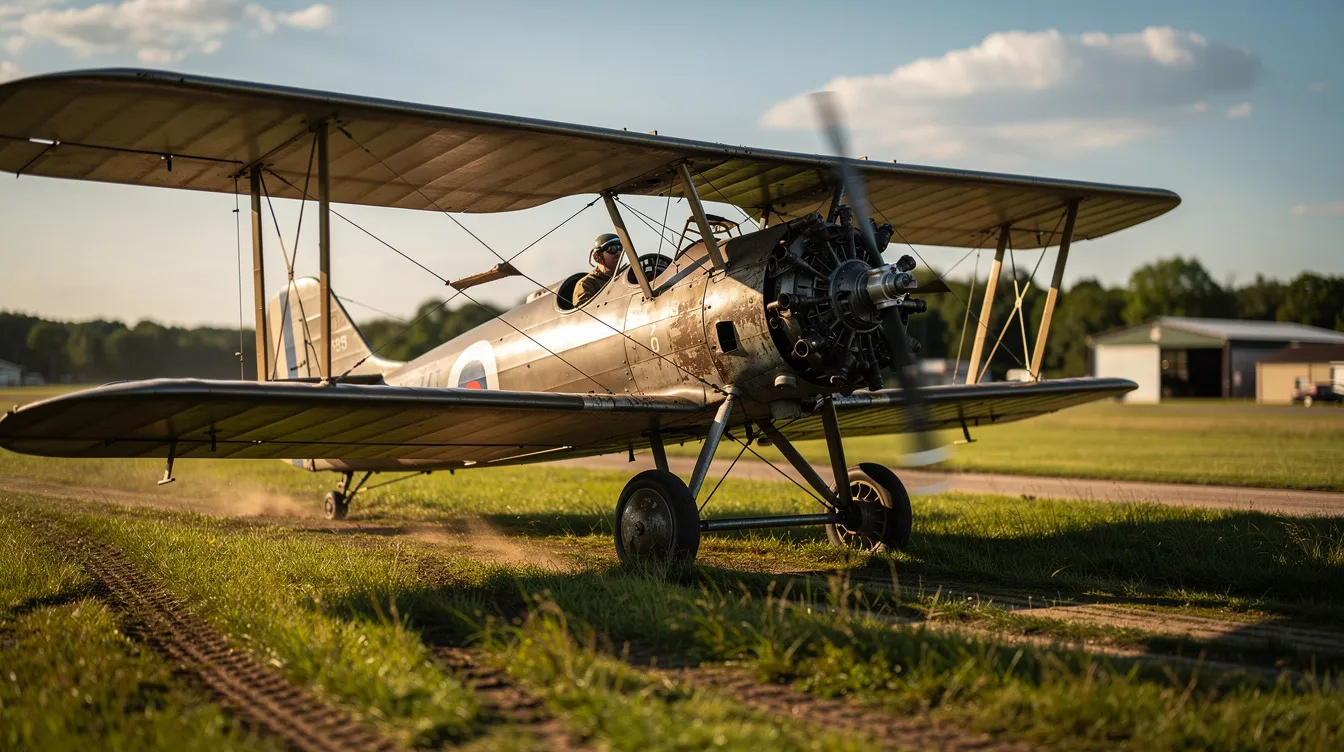
The appeal of landing on lakes and coastal waterways draws a dedicated subset of kit builders. Operating on water adds complexity but does not always demand an enormous budget.
With a base airframe kit starting around $22,000, the Aventura HP accepts 45–64 hp engines and has a 750 lb max gross weight with roughly 90 mph cruise speed. A carbon-fiber hull upgrade runs about $2,800, keeping the total kit cost under $25,000 for the airframe. Higher-powered Aventura variants designed for Rotax 912 or AeroMomentum engines move above the strict "budget" range but remain cost-effective compared with certified amphibians, which are among the more expensive kits in aviation.
Some high-wing kits like the Murphy Rebel and certain Zenith Aircraft models (designed by Chris Heintz) are often operated on floats even though their core kits are landplanes. The Zenith CH 650B is built with an all-metal design for easy assembly and can be adapted for float operations. Builders should factor float costs ($8,000–$15,000+) and increased insurance premiums into any affordability calculation.
Use cases center on seasonal lake flying, backcountry water access, and sport flying. For long overwater business flights or multi-city itineraries, travelers would typically charter a turboprop or jet via a private aviation marketplace or browse specific private charter aircraft options rather than rely on small kit amphibians.
Engine choice is the single biggest performance and cost driver in homebuilt aircraft, often matching or exceeding the base aircraft kit price. Engine costs can range from $20,000 to $30,000 for new certified powerplants, while avionics packages cost between $10,000 and $30,000 depending on complexity.
Common low-cost engine options include:
|
Engine Type |
HP Range |
Approx. Cost |
Fuel Burn |
Best For |
|---|---|---|---|---|
|
AeroVee (VW conversion) |
60–80 hp |
$8,000–$12,500 |
3–4 gph |
Budget two-seaters, Sonex |
|
Corvair conversion |
100–120 hp |
$10,000–$18,000 |
4–5 gph |
Panther, single-seat hot rods |
|
Rotax 912/912iS |
80–100 hp |
$18,000–$28,000 |
4–5 gph |
STOL, LSA, two-seaters |
|
UL Power |
97–130 hp |
$20,000–$30,000 |
4–6 gph |
Better performance builds |
|
Continental/Lycoming (used) |
100–180 hp |
$8,000–$20,000 |
5–8 gph |
Classic designs, four-seaters |
Budget builds often utilize lightweight engines to reduce fuel burn and initial costs.
AeroVee is a common engine choice for affordable kit planes to minimize costs while delivering reliable cruise performance at sea level and moderate altitudes.
Trade-offs exist between automotive conversions and certified-style engines: lower acquisition cost vs. potential concerns about builder support, parts availability, and insurance acceptance.
Operating costs for affordable kit aircraft typically include:
Hangar or T hangar fees ($100–$400/month)
Insurance ($500–$1,500/year for low hull values)
Annual condition inspections ($300–$800)
Fuel and maintenance
Total annual fixed costs often run $3,000–$6,000 before fuel. Total completed costs for more complex builds range from $80,000 to $150,000.
For pilots who fly infrequently on long routes, the economics of on-demand private jet charter may actually prove more rational-paying per trip instead of shouldering year-round ownership costs for an airplane that sits idle most weeks; using a private jet charter cost estimator can help compare per-trip pricing against annual ownership expenses.
Many of the most affordable kit planes are also among the simplest to build, but build time still ranges from 500 to 2,000+ hours depending on design and builder experience. Time building is a hidden cost that directly affects when you'll actually fly.
Typical construction time by example:
Aeromarine LSA Merlin: ~300 hours (highly prefabricated aluminum)
KR-2S: ~800 hours (wood and fiberglass)
Kitfox Series 7: 800 to 1,000 hours (welded steel tube and fabric)
Sonex-B: ~700–1,200 hours (all-metal, allowing builders to work at their own pace)
Sling TSi: 900 to 1,400 hours (modern matched-hole aluminum)
Van's RV-9/9A: ~2,000 hours (all-metal, higher complexity)
Choosing popular kits from established manufacturers can speed up building with better documentation, factory tech support, and active online forums. Many popular kit planes have active owner communities providing support and resources-everything from wiring diagrams to engine installation walk-throughs. Local EAA chapters offer hands-on builder support and mentoring that can save hundreds of hours of frustration.
Metal kits generally offer higher resale value and faster build times compared to wood/fabric kits, and modern kits with matched-hole construction and pre-punched skins reduce build time significantly. These features help first-time builders avoid costly mistakes during the assembly process.
For those new to building your own aircraft, starting with a well-documented, metal or simple wood-and-fabric kit is smarter than jumping into highly customized composite or warbird replicas that demand specialized tooling and workshop space. Builders can apply for a Repairman Certificate after completion, allowing them to perform their own annual condition inspections.
Time is a real cost. A multi-year build might be ideal for someone who enjoys the process, while business travelers focused on time savings might instead book private jet flights via digital platforms or consider flexible private jet memberships, preserving free time for actual flying rather than building.

How do affordable kit planes stack up against used certified aircraft and private jet charter? Each path serves different needs.
A used Cessna 150 or Piper Cherokee might sell for $30,000–$60,000-similar to a completed budget kit. But certified aircraft carry higher maintenance and regulatory costs (mandatory AD compliance, certified parts pricing) alongside established parts networks and standardized training. Kit aircraft offer more customization and lower ongoing maintenance costs, but the builder assumes responsibility for quality control during flight testing and beyond.
Both ownership paths contrast sharply with on-demand private jet charter. Through platforms like Jettly, travelers face no ownership burden, no hangar fees, no annual maintenance-just pay-per-trip pricing with access to a global fleet of turboprops, light jets, and long-range aircraft crewed by professionals, along with resources on affordable private jet charter that outline typical hourly rates and ways to save.
Consider two scenarios:
Weekend sport pilot: Flies a Sonex-B for 200 nm hops, spending $30–$50 per flight hour on fuel and reserves. The airplane sits in a T hangar between trips. Total annual cost of ownership: $5,000–$10,000 plus fuel. An economical choice for someone who flies 50–100 hours per year.
Executive traveler: Needs same-day out-and-back between New York and Chicago. Chartering a light jet handles the mission in under 2 hours each way with cabin comfort for 4–6 passengers-something no budget kit plane can match.
Kit aircraft deliver hands-on flying satisfaction and low per-hour costs. Chartered jets emphasize time savings, multi-passenger capacity, and all-weather capability. They serve fundamentally different missions.
Controlling total project cost requires planning and discipline, not just picking the right kit. Here's how to keep your build on track:
Set a realistic total budget before ordering.
A common rule: budget one-third for the airframe kit, one-third for the engine and propeller, and one-third for avionics, paint, interior, tools, and fees. Add a 10–20% contingency for overruns-because they will happen.
Cost-saving strategies that work:
Choose a simpler analog VFR panel over glass cockpit avionics
Source good used engines and avionics from reputable overhaul shops or fellow builders
Avoid unnecessary cosmetic upgrades early—fly first, beautify later
Share tools or workshop space with local builders through EAA chapters
Buy more expensive kits only after honestly assessing your build skills and timeline
Track everything:
Start a spreadsheet on day one.
Log every purchase, from blind rivets and poly tac fabric adhesive to engine mount bolts.
Compare your running total to initial estimates monthly and adjust scope if needed—deferring advanced glass cockpits or autopilots until after the initial flying phase is a smart move.
For pilots whose primary need is occasional fast, long-distance travel, investing high five figures into a build may not be optimal. Occasional private jet charters via digital marketplaces or crowdsourced shared private flights can complement ownership of a small, affordable kit aircraft used mainly for local flying and recreational flying.
Kit aircraft are ideal for hands-on aviators who want to build, customize, and fly regionally. Private jet charter suits travelers focused on time, convenience, and multi-city or long-range itineraries, and can even serve as a NetJets alternative with flexible access. Most pilots know which camp they fall into, but many straddle both.
Kitplane-friendly profiles:
The weekend sport pilot who wants inexpensive local flying with strong performance and low operating costs
The technical hobbyist who finds as much satisfaction in the building process as in the flight itself
The backcountry explorer seeking STOL access to remote lakes and mountain strips
The cost-conscious flyer in regions with limited airline service who needs a practical, affordable airplane
Charter-friendly profiles:
The executive needing same-day multi-stop trips across 500+ nm
The family traveling internationally for vacations, needing cabin comfort and significant amount of baggage capacity and wanting to understand the best private planes for families
The medical or time-critical traveler who cannot risk weather delays or mechanical holds common with small personal planes
Jettly offers instant pricing, a wide inventory of aircraft types, and transparent on-demand booking-making it an efficient complement or alternative to owning even the most affordable kit planes.
Many pilots do both: they fly their homebuilt aircraft for fun and local trips, and use private jet charter when the mission demands speed, capacity, or all-weather capability.
Below are answers to common questions about budget kit planes, licensing, and how private jet charter fits into the picture.
While some base aircraft kits start under $20,000–$25,000, realistic all-in costs-including engine, propeller, avionics, paint, tools, and inspection fees-for a simple VFR two-seater commonly land in the $50,000–$90,000 range. Using simpler panels, rebuilt engines, and doing your own paint pushes costs toward the lower end, while premium avionics and new engines can easily double the airframe kit price.
Many of the most affordable kit planes are designed to meet light sport aircraft limits (1,320 lb max gross weight, low stall speed requirements), allowing operation by sport pilots under FAA rules. Others exceed these limits and require a private pilot license. Always verify whether a specific kit can be certificated as Experimental Light Sport Aircraft (E-LSA) or Experimental-Amateur Built (E-AB) and what license your jurisdiction requires.
Simple single-seat or ultralight kits like the Aeromarine Merlin may be completed in 300–800 hours. More complex two-seat metal kits typically need 800–1,500 hours, often spread over 2–5 years for part-time builders. Quick-build options, matched-hole components, and builder-assist programs can significantly reduce build time but add to upfront cost.
Safety depends on build quality, maintenance discipline, pilot training, and conservative operating practices. Well-built and well-flown kit aircraft can be very reliable for regional trips. Most budget kitplanes are best suited for VFR flying and short to medium legs. Serious all-weather or long-range business travel is better served by professionally crewed, chartered aircraft.
Pilots typically choose charter when they need to move several passengers, fly 500+ nm quickly, operate on tight schedules, or travel in IFR conditions that would challenge light experimental aircraft. Platforms such as Jettly provide instant pricing, global aircraft access, and on-demand booking, and are often featured among the leading providers in guides to charter airlines and private flights-letting owners of affordable kit planes enjoy local flying while outsourcing time-critical or long-distance trips.
There are numerous proven, affordable kit aircraft available in 2026-from ultralights like the CGS Hawk Plus and single-seaters like the Merlin and Panther, to economical two-seat cruisers like the Sonex-B, and STOL designs like the Just Aircraft Highlander and Murphy Rebel. Each delivers a genuine flying experience on a realistic budget.
Buyers should match aircraft kits to their mission-local fun, STOL/bush flying, cross-country cruising, or vintage nostalgia-and consider total lifecycle costs, build time, and available builder support. The base price is just the starting point. Engine options, avionics complexity, and finishing choices determine where your final number lands.
While homebuilt aircraft are excellent for personal and recreational flying, private jet charter services offer a complementary solution for long-range, multi-passenger, or time-critical trips where speed, flexibility, and all-weather capability matter most; understanding how much a private jet really costs helps clarify when chartering beats owning. Many of the most affordable kit planes serve their owners best as part of a broader aviation strategy-not as the only tool in the hangar.
Ready to explore how budget kit plane ownership and on-demand charter can work together? Learn more about Jettly's charter options or request a quote at https://www.jettly.com.
Share this post:
Jay Franco Serevilla
Jul 15, 2026
|
5
min read
Discover tips and trends in the industry.

5
min read
NY to Key West Flights: Flight Time, Cheapest Options & Private Jet Alternatives
Traveling from New York to Key West offers various options, including direct flights taking about 3-4 hours and private jet charters for added flexibility. Major airlines like American, Delta, and JetBlue operate on this route, with the best prices typically found when booked 40 days in advance. Jettly provides private jet services, allowing travelers to bypass long security lines and enjoy a more personalized experience.
Read More
5
min read
Empty.Leg Flights Hawaii: How to Save on Private Jet Travel with Jettly
Empty leg flights to Hawaii provide significant savings on private jet travel, offering discounts of 30% to 75% compared to standard charter prices. Jettly's platform connects flexible travelers with available empty legs, making luxury travel to the islands more accessible. This guide explains how empty legs work, key airports, and tips for booking the best deals.
Read MoreStay updated with our latest insights and tips to elevate your journey with us.
MEMBERSHIPS AND ASSOCIATIONS



Disclaimer: Jettly operates as a charter broker, offering access to a global digital jet charter marketplace. Jettly is not a direct air carrier and does not own or operate aircraft. All advertised flights are conducted by third-party air carriers that are fully licensed and hold the appropriate Part 135 or Part 121 certifications issued by the Federal Aviation Administration (FAA) or equivalent regulatory authorities under U.S. or foreign law. Jettly complies fully with the U.S. Department of Transportation's Part 295 and Part 298 Charter Broker regulations. Jettly does not carry additional liability insurance. Passengers are covered by aircraft operator insurance. TICO: 50023770


