


Login
Get Instant Pricing On 23,000+ Aircraft

>
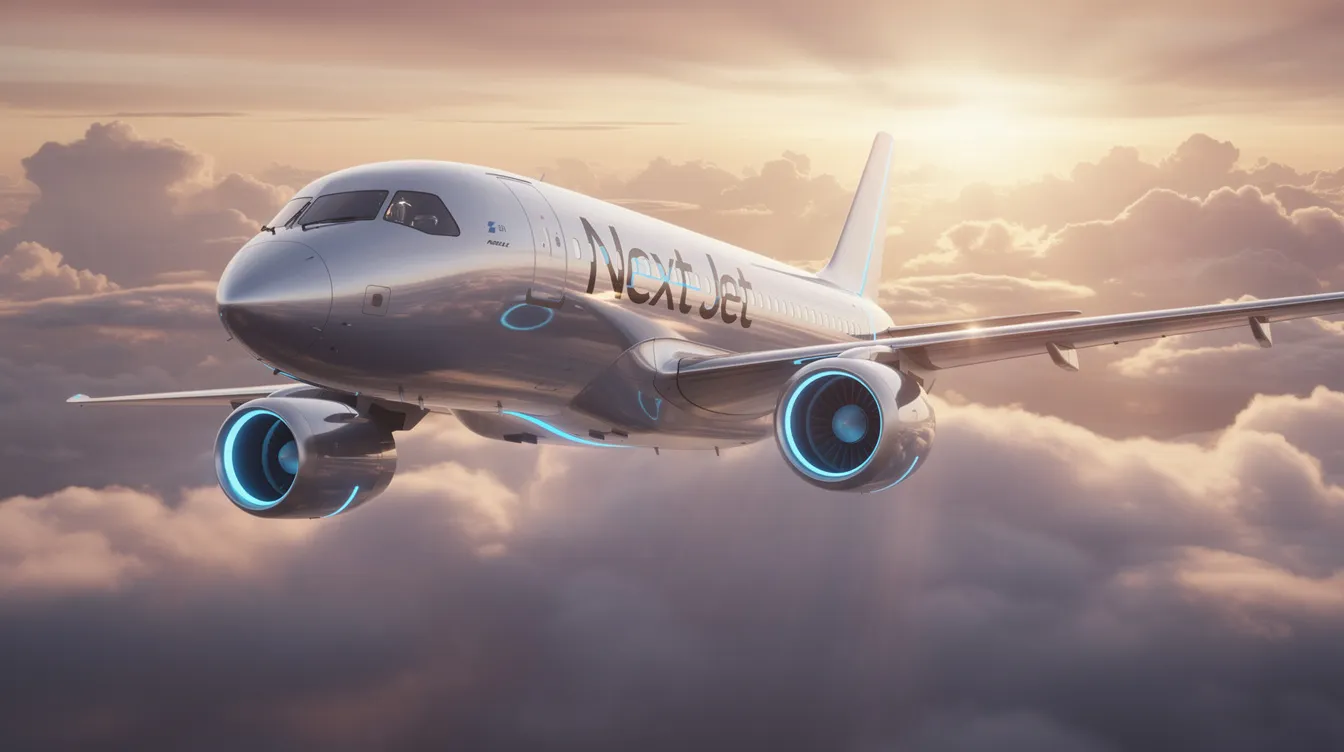
NetJets cost is not a single number: in 2026, entry pricing starts around $200,000 for a 25-hour light jet card and can climb past $500,000 for ultra-long-range aircraft, before federal excise tax, fuel surcharges, and other program fees. Between jet card programs, fractional ownership, and lease structures, private jet costs under NetJets involve multiple layers of fees that are not always obvious at first glance.
For corporate executives, high-net-worth individuals, and families who fly often enough to consider a program but still want cost transparency and flexibility, this guide breaks down what you actually pay at each level. It walks through NetJets pricing by aircraft category, the difference between fixed and variable costs, and the tradeoffs between long-term commitments and on-demand charter through platforms like Jettly. That matters because NetJets can make sense for heavy private flyers, while travelers with lighter or less predictable schedules often find pay-per-trip charter offers lower hourly costs, no upfront commitment, and a more flexible way to book private aviation.
NetJets 25-hour light jet cards cost approximately $200,000–$220,000 before the 7.5% federal excise tax and fuel surcharges. Midsize jets run closer to $250,000–$300,000, while large cabin jets start at $400,000 or more.
NetJets cost includes three layers: an upfront jet card or aircraft share purchase, ongoing monthly management fees (often $10,000–$25,000+), and per-flight-hour charges covering fuel, taxes, and surcharges.
Fractional jet ownership and lease programs typically make financial sense only for travelers flying 50–200+ flight hours per year. Below that threshold, the fixed costs erode any per-hour savings.
On-demand charter through platforms like Jettly eliminates upfront six-figure commitments, monthly management fees, and long-term commitments - travelers pay only for actual trips with transparent pricing.
For travelers flying under approximately 75–100 hours annually, flexible on-demand charter is usually more cost-effective than any NetJets program.
The short answer: it depends on how you fly. NetJets offers a 25-hour lease for $205,000 to $400,000, depending on aircraft type. A light jet card runs roughly $200,000–$220,000 for 25 hours. Midsize jets sit around $250,000–$300,000, and large cabin or ultra-long-range jets push past $400,000–$500,000. These are pre-tax figures - add the 7.5% federal excise tax on domestic flights and variable fuel surcharges, and the effective hourly rate climbs further.
Here's how typical all-in hourly costs compare between NetJets and on-demand charter:
|
Aircraft Category |
NetJets Effective Rate (per hour) |
Jettly On-Demand Charter Rate (per hour) |
|---|---|---|
|
Light Jets |
$8,600–$10,000 |
$4,000–$6,000 |
|
Midsize Jets |
$10,000–$14,000 |
$6,000–$9,000 |
|
Large Cabin / Ultra Long Range |
$16,000–$20,000+ |
$10,000–$18,000 |
NetJets cost usually breaks down into a simple breakdown with three layers: the upfront buy-in (card, share, or lease deposit), the monthly management fee, and variable per-flight-hour charges (fuel, taxes, landing fees, catering), mirroring the broader cost structure of private jet ownership and use. Most NetJets programs target frequent flyers logging 50–200+ hours per year. Travelers with lighter or irregular schedules often save with on-demand charter or independent jet card programs, especially when they compare options using resources that highlight the best jet card programs and top companies compared.
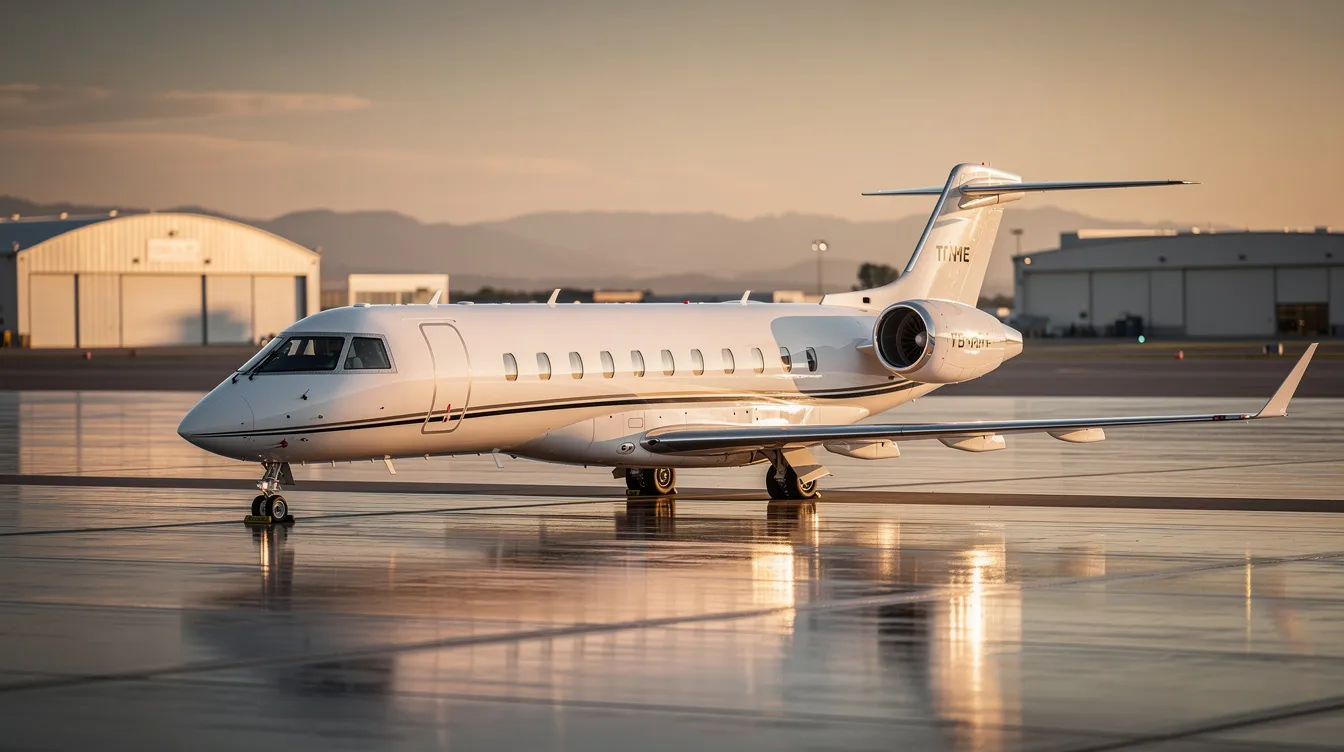
NetJets pioneered fractional ownership in private aviation and now offers three core products: the NetJets jet card, NetJets Share (fractional), and NetJets Lease. The company operates a fleet of over 750 aircraft worldwide, giving it one of the deepest inventories in the industry, a footprint explored in detail in this overview of NetJets as an industry leader in private aviation.
Each model carries different entry costs, contract lengths, and hourly rates. Jet cards are typically valid for 24 months, while shares and leases often lock clients in for 36 months or longer. That time commitment directly affects the total private jet cost. By contrast, Jettly's pay-as-you-fly model requires no ownership stake, no asset risk, and no long-term obligation - travelers book each trip independently.
The NetJets jet card works like a prepaid block of flight hours. Clients purchase 25 or more hours in a specific aircraft category and receive guaranteed availability with advance notice - typically within 4 to 24 hours. Jet card holders enjoy fixed hourly rates for budgeting accuracy, and NetJets guarantees a similar or better model if a specific aircraft is unavailable.
Concrete 2026 pricing for the NetJets card builds on the general NetJets card cost ranges and program structures:
Light jets (e.g., Phenom 300): Card275 runs approximately $215,000 for 25 hours (~$8,600/hr base). Card320, with fewer blackout days, costs around $280,000 (~$11,200/hr). Light jets cost between $150,000 and $200,000 for a 25-hour lease option.
Midsize jets: 25-hour blocks typically cost around $250,000 for standard programs, scaling to $300,000+ for premium access tiers.
Heavy jets and large cabin jets: cards can cost approximately $400,000 for 25 hours, with ultra-long-range aircraft pushing past $500,000.
The net hourly bill includes the base rate plus fuel surcharges and the 7.5% federal excise tax on domestic flights, which is how private jet pricing works in practice for card users. Jet cards provide access to a global fleet of over 750 aircraft, and unused hours in jet card programs can be carried over to the next year.
Jettly's on-demand charter skips the upfront six-figure private jet card purchase entirely. Instead, travelers get transparent trip-by-trip pricing with access across multiple aircraft categories - no lock-in to one type of aircraft.
A NetJets share means buying a fraction - from 1/16th to 50% - of a specific aircraft. Fractional ownership allows sharing costs across multiple owners, with each share entitling the holder to a set number of flight hours per year (typically 50–200 hours depending on share size), following the same principles outlined in fractional jet ownership pros, cons, costs, and FAQs.
Private jet ownership costs range from $2 million to $100 million for an entire jet, but fractional shares reduce the upfront barrier, though travelers should weigh the good, bad, and ugly of fractional private jet ownership before committing. For 2026, approximate acquisition cost bands look like this:
1/16th share of a light jet: roughly $500,000–$750,000 upfront
1/16th share of a heavy or large cabin jet: well over $1 million
Monthly management fee: approximately $10,000–$15,000/month for a light jet share, scaling higher for larger aircraft - this covers crew salaries, insurance, hangar fees, and administration
Occupied flight hour rate: roughly $2,500–$4,000/hr for light and midsize jets when flying, plus fuel and surcharges
Depreciation affects the long-term financial cost of private jets, and exiting a share can mean selling at a discount. The NetJets lease offers a similar structure without the asset purchase - but still requires a deposit, monthly management fees, and a minimum 36-month commitment. Early-exit penalties can add to the overall cost.
These programs usually make sense only above roughly 50–75 flight hours per year, where fixed costs get diluted across enough trips. Jettly's charter marketplace is built for flexible or irregular flying patterns - no mandatory minimums, no monthly fees, and no asset risk.
NetJets' cost scales directly with aircraft size and range. The company provides access to light, midsize, and large cabin jets, each priced according to operating costs, passenger capacity, and mission capability. Private jet prices vary significantly based on age and size, and new aircraft can cost significantly more than pre-owned models, so understanding one-flight private jet cost drivers before renting helps set realistic expectations.
Light jets and very light jets seat 4–8 passengers with a typical range of 1,000–2,000 nautical miles. They're ideal for short regional trips like New York–Miami, Los Angeles–San Francisco, or London–Geneva.
Under a NetJets Card275, a Phenom 300 runs roughly $8,600/hr before surcharges. Once fuel surcharges and the 7.5% FET are layered on, the all-in cost typically lands between $9,500 and $10,500 per flight hour. Operating costs for light jets run about $1,000 to $1,100 per direct flight hour in direct operating costs (fuel, maintenance reserves, crew), but the all-in rate passengers pay through NetJets includes fleet overhead on top of that.
On-demand charter for a similar light jet through Jettly often starts around $4,000–$6,000 per block hour on dense US routes when booked in advance, fitting within the broader guide to how much it costs to rent a private jet. Many travelers start in this category - light jets and very light jets dominate short-haul business travel across North America and Europe.

Midsize jets and the super midsize jet category - think Praetor 600 or Challenger 350 - add range and a more spacious cabin. They support US coast-to-coast or intra-Europe missions with 8–10 passengers. Larger jets tend to command higher prices due to increased range and passenger capacity.
2026 NetJets cost ranges for these categories:
Midsize / super midsize: effective hourly is often $10,000–$14,000 when all fees are included. Midsize jets typically cost around $250,000 for a 25-hour card. Typical annual operating costs for midsize jets exceed $1 million when accounting for crew, maintenance, and overhead.
Large cabin and ultra-long-range jets (Global 7500, Gulfstream G650): often $16,000–$20,000+ per flight hour all-in. The NetJets fleet includes the Bombardier Global 8000, the fastest civilian jet. Heavy jets can cost around $400,000 for a 25-hour jet card.
These larger aircraft handle missions like New York–London, Los Angeles–Tokyo, or Dubai–London nonstop. Operating costs rise sharply with aircraft size.
On-demand charter through Jettly prices midsize jets from roughly $6,000–$9,000 per hour, while heavy and ultra-long-range aircraft run approximately $10,000–$18,000 per hour, depending on route, date, and aircraft year. Choosing the right aircraft type for each mission is one of the easiest ways to control private jet charter cost, especially when you can select from a broad private charter aircraft inventory across light, midsize, and long-range jets.
Every NetJets program blends fixed costs with variable costs. Fixed costs include the monthly management fee, minimum annual commitments, and the upfront card or share purchase. Variable costs cover per-flight-hour operating costs like fuel, routine maintenance, landing fees, in-flight catering, and taxes.
Even jet card customers effectively pay a blend of both: the card purchase locks in a minimum spend, functioning like a fixed-cost prepayment. This differs fundamentally from on-demand charter through Jettly, where there are almost no fixed costs - customers pay per trip with transparent line-item pricing.
The NetJets share and lease monthly management fee typically covers:
Aircraft management and scheduling
Crew salaries and training
Hangar and insurance allocation
Administration and regulatory compliance
Fixed costs for owning a jet include salaries, insurance, and hangar fees. Annual ongoing costs for private jets can exceed $2 million, depending on the aircraft category. Realistic 2026 ranges for the monthly management fee run from low five figures per month for a light jet share to high five figures or even low six figures per month for a large cabin share, which is why many travelers compare these expenses to affordable private jet charter options with Jettly.
Minimum flight hour commitments - often 50+ hours per year - mean unused hours or early contract termination can inflate overall private jet cost. Annual operating costs can account for 5–15% of the aircraft's value.
Jettly's model carries no mandatory monthly management fee or annual minimums, making it better suited for unpredictable or seasonal flying patterns, and its ability to crowdsource private jet flights and share empty seats can further lower the per-seat cost for price-sensitive travelers.
Variable operating costs embedded in NetJets hourly rates include fuel, maintenance reserves, crew members' per diem costs, landing and handling fees, navigation charges, and in-flight services. Variable costs include fuel, maintenance, and landing fees - all passed through to the traveler.
Here's how surcharges work:
Fuel surcharges: indexed to market jet fuel prices. Fuel surcharges can significantly increase the total cost of private jet travel - industry estimates suggest $300–$500+ per flight hour in some market conditions.
Federal excise tax: 7.5% on most US domestic legs, plus per-segment fees per passenger. Peak day surcharges apply during high-demand travel periods like holidays and major events.
While NetJets simplifies billing, travelers still effectively pay these operating costs through their hourly rates and surcharges. Here's a quick example: a Phenom 300 Card275 lists at $8,600/hr. Add a ~$400/hr fuel surcharge plus 7.5% FET (~$645/hr), and the all-in effective rate reaches $9,500–$10,500 per flight hour for many flights. That's tens of thousands of dollars per trip that can catch travelers off guard if they focus only on the headline rate.
NetJets sits at the premium end of the market among private jet companies. Its brand recognition, vast fleet, and service consistency justify higher pricing compared to other private jet companies like Flexjet, Sentient Jet, or Magellan Jets, many of which appear in comprehensive lists of charter airlines and private flight providers.
Key pricing differentiators that affect the total cost:
Repositioning costs: NetJets often waives aircraft positioning fees within its collective service area, while some competitors charge separately. No repositioning fees are charged within standard service areas.
Minimum flight charges: some programs impose minimum billing per leg.
Blackout dates: Card275 has roughly 90 blackout days per year; Card320 reduces that to about 45, but restrictions still limit days of annual access.
Service tiers: higher tiers offer more annual access but at a steeper hourly rate.
A non-asset on-demand charter marketplace like Jettly sidesteps many of these structural costs. There's no fleet to maintain, no overnight expenses for crew bases, and no repositioning to manage - the platform sources the best-fit aircraft from a network of operators for each trip.
The NetJets jet card is a fleet-captive product: you fly NetJets aircraft on NetJets terms. Broker-issued jet card programs, by contrast, source aircraft from multiple operators across a global network, offering broader aircraft selection but sometimes less consistency, so it helps to understand what a jet card is, its costs, benefits, and how it works before choosing a provider.
Key variables to compare across jet card pricing models:
Upfront card buy-in (six figures for NetJets vs. lower minimums on some broker cards)
Monthly fees (NetJets may bundle, others may not charge)
Hourly rate bands for each aircraft category
Peak day premiums and blackout policies
Guaranteed access windows
Who fits where:
NetJets jet card: best for high-frequency flyers (75+ hours/year) with predictable patterns who prioritize guaranteed availability and consistent cabin experience on business jets, though some may prefer world-class corporate jet card programs like Jettly's for added flexibility.
Jettly on-demand charter: best for flexible travelers mixing business, leisure, and last-minute trips, or anyone flying private under ~75 hours per year who wants to avoid a long-term commitment, possibly paired with Jettly's private jet memberships for additional benefits.
The core question is utilization. Jet cards provide prepaid hours at fixed rates for private flights, but those fixed rates only become competitive when spread across enough flight time. Chartering a jet is often more cost-effective for fewer than 150 hours annually. Ownership becomes cost-effective for users flying 150–250 hours or more per year. Chartering is also more cost-effective for flying under 200 hours annually when total cost - including all fixed overhead - is factored in.
Typical break-even points:
Jet card or lease: around 50–75+ hours/year, depending on aircraft size.
Fractional ownership: 100–200+ hours/year.
Full ownership: 150–250+ hours/year, where annual ongoing costs for ownership can exceed $2 million but get diluted over heavy use.
NetJets delivers real value in specific flying scenarios:
Corporations running regular shuttle routes between fixed city pairs (e.g., Houston–Midland twice weekly).
Executives flying weekly between predictable destinations who need guaranteed access and predictable pricing.
Families consistently spend 50–200 hours per year on similar routes.
At these utilization levels, the higher NetJets cost per hour is offset by internal time savings, eliminated scheduling friction, and predictable budgeting. Consider an executive flying 120 hours annually on a light jet card: 120 × ~$9,500 all-in = ~$1.14 million/year. The same hours via charter at ~$5,500/hr average would run ~$660,000 - but the NetJets traveler gains guaranteed availability, consistent cabin configuration, and reduced operational planning burden that may justify the premium.
Several traveler types typically overpay with NetJets:
For those flying fewer than ~50 hours per year, the fixed costs dominate.
Seasonal travelers with heavy use in summer or holidays but months of inactivity.
Groups frequently change passenger counts, route types, and aircraft categories.
Jettly's model offers access to over 20,000 aircraft worldwide, letting travelers choose a smaller aircraft for a two-person business trip and a larger aircraft for a family vacation - all without conversion formulas or surcharges. Charter services provide flexibility without ownership commitments, and chartering eliminates maintenance, crew, and insurance costs from the traveler's responsibility, making Jettly a compelling NetJets alternative for flying private at lower cost.
Concrete examples:
Toronto–Vancouver business trip: on-demand charter on a midsize jet might run $6,000–$8,000/hr vs. a NetJets card rate of $10,000+/hr.
Los Angeles–Las Vegas weekend: a light jet charter at ~$4,500–$6,000/hr versus an $8,600+ NetJets rate.
London–Ibiza holiday: charter pricing adjusts to available aircraft, often with empty-leg discounts.
Jettly's transparent pricing, optional memberships, and availability of empty-leg flights can reduce one-way private jet cost dramatically for flexible travelers.
Follow this framework to estimate your actual annual spend under each model:
Track your flights: log all business and leisure trips over 6–12 months, including passenger counts, routes, and how flexible your timing is.
Categorize by aircraft need: map each trip to a light jet, midsize, super midsize jet, or heavy jet based on passenger count and range requirements.
Calculate total flight hours: sum up the hours by aircraft category.
Model NetJets cost: multiply hours by estimated all-in hourly rates for each category, then add monthly management fees (if considering a share or lease) and the upfront card or acquisition cost, then compare with estimates from a jet card flight cost estimator.
Model charter cost: use Jettly's online cost estimator to get live quotes for your typical routes across matching aircraft categories.
Don't forget to factor in the federal excise tax, in-flight catering, ground transport, and possible international fees when evaluating the total private jet cost. These additional costs can add 10–20% to headline rates regardless of which model you choose, but strategies like memberships, empty legs, and flight sharing described in guides on how to get a seat on a private jet can easily offset part of the burden.
NetJets bundles many base services into its hourly rates - including the aircraft, crew members, and standard landing fees. However, several costs hit separately: fuel surcharges (variable with fuel prices), the 7.5% federal excise tax on domestic flights, de-icing in winter, special or premium in-flight catering, and some international handling fees. While NetJets offers relatively predictable pricing, invoices often contain line items above the base hourly rate, especially for complex or international flights. Request a sample invoice for a typical mission profile and compare it to an all-in Jettly charter quote for the same route.
NetJets enforces cancellation windows - typically 48–72 hours for standard programs. Late changes or cancellations within these windows can add hundreds or thousands of dollars to the effective trip cost, turning an already premium hourly rate into an even more expensive one. Peak day restrictions further limit flexibility. Jettly's partner operators also have cancellation rules, but costs are clear on a per-trip basis without being tied to a multi-year contract or large prepaid balance. Travelers who often reschedule should pay close attention to these terms when calculating the real annual private jet cost and unexpected expenses.
NetJets allows category moves - for instance, trading light jet hours for a midsize or large cabin flight. However, conversion ratios mean you consume more prepaid hours when moving up. Trading a light jet hour for a heavy jet hour might cost 1.5–2x the hours, and surcharges may apply. This means the total trip cost can rise sharply compared with staying in the contracted category. Jettly takes an à la carte approach: each trip is priced independently on any available aircraft category from turboprops to large jets, with no conversion formulas.
International private jet travel adds several cost layers: overflight permits, international handling fees, head taxes, premium fuel pricing at some airports, and crew overnight expenses. Both NetJets and charter operators pass these through to clients, so cross-border trips cost materially more per flight hour than domestic segments. For example, a New York–London trip on a large cabin jet might run $180,000–$250,000+ via NetJets, compared with $150,000–$220,000 through an on-demand charter quote sourced through Jettly - though the range depends heavily on specific aircraft, timing, and fuel prices. Many of these international charters are flown by Part 135 charter companies and operators, whose regulatory framework and safety standards also factor into cost.
If annual hours fall or your mission profile shifts - say from long-haul to short regional trips - a NetJets contract can become less economical quickly. Exiting or downsizing a share may involve penalties or selling at a discount. The monthly management fee keeps billing whether you fly or not. On-demand charter through Jettly naturally adjusts to changing patterns because there's no long-term commitment or minimum flight hour requirement. Travelers with uncertain future demand should consider starting with an on-demand charter to build a usage history before locking into any long-term program. Compare real-time charter quotes at Jettly's website for a transparent benchmark.

NetJets' cost in 2026 ranges from roughly $200,000 for a 25-hour light jet card to over $500,000 for ultra-long-range aircraft, before taxes and surcharges push the effective hourly rate higher. Fixed costs like monthly management fees and minimum commitments add up whether you fly or not, while variable costs for fuel, taxes, and landing fees scale with every trip. For travelers consistently logging 75–150+ flight hours per year on predictable routes, NetJets delivers real value through guaranteed availability, fleet consistency, and simplified operations.
For many travelers flying private under that threshold - or anyone with irregular, seasonal, or multi-destination travel patterns - on-demand charter through a digital marketplace like Jettly typically delivers lower total private jet cost and far greater flexibility. No private plane sitting idle. No monthly fees during quiet months. No six-figure upfront commitment.
Run your own numbers. Compare NetJets quotes with instant, transparent Jettly charter pricing across light jets, midsize, and ultra-long-range categories. The difference might change how you think about flying private entirely.
Discover the cost of private jet travel tailored to your routes. Browse flight options or get a personalized quote at https://www.jettly.com.
Share this post:
Jay Franco Serevilla
Jul 10, 2026
|
5
min read
Discover tips and trends in the industry.
5
min read
How Much Weight Can a Plane Hold? (From Small Planes to Private Jets and Airliners)
Understanding how much weight a plane can hold is crucial for safe flight operations. Each aircraft has a certified maximum takeoff weight (MTOW) that dictates its capacity for passengers, baggage, and fuel. This knowledge helps travelers and pilots make informed decisions about flight planning and safety.
Read More
5
min read
What Are Empty Leg Flights? A Practical Guide to Discounted Private Jet Travel
Empty leg flights are discounted private jet journeys that occur when a jet is repositioning without passengers. These flights offer travelers the luxury of private aviation at a fraction of the cost, typically 50% to 80% cheaper than standard charters. This guide explains how to find and book these flights, making private travel more accessible for those with flexible schedules.
Read MoreStay updated with our latest insights and tips to elevate your journey with us.
MEMBERSHIPS AND ASSOCIATIONS



Disclaimer: Jettly operates as a charter broker, offering access to a global digital jet charter marketplace. Jettly is not a direct air carrier and does not own or operate aircraft. All advertised flights are conducted by third-party air carriers that are fully licensed and hold the appropriate Part 135 or Part 121 certifications issued by the Federal Aviation Administration (FAA) or equivalent regulatory authorities under U.S. or foreign law. Jettly complies fully with the U.S. Department of Transportation's Part 295 and Part 298 Charter Broker regulations. Jettly does not carry additional liability insurance. Passengers are covered by aircraft operator insurance. TICO: 50023770


