



Login
Get Instant Pricing On 23,000+ Aircraft

>
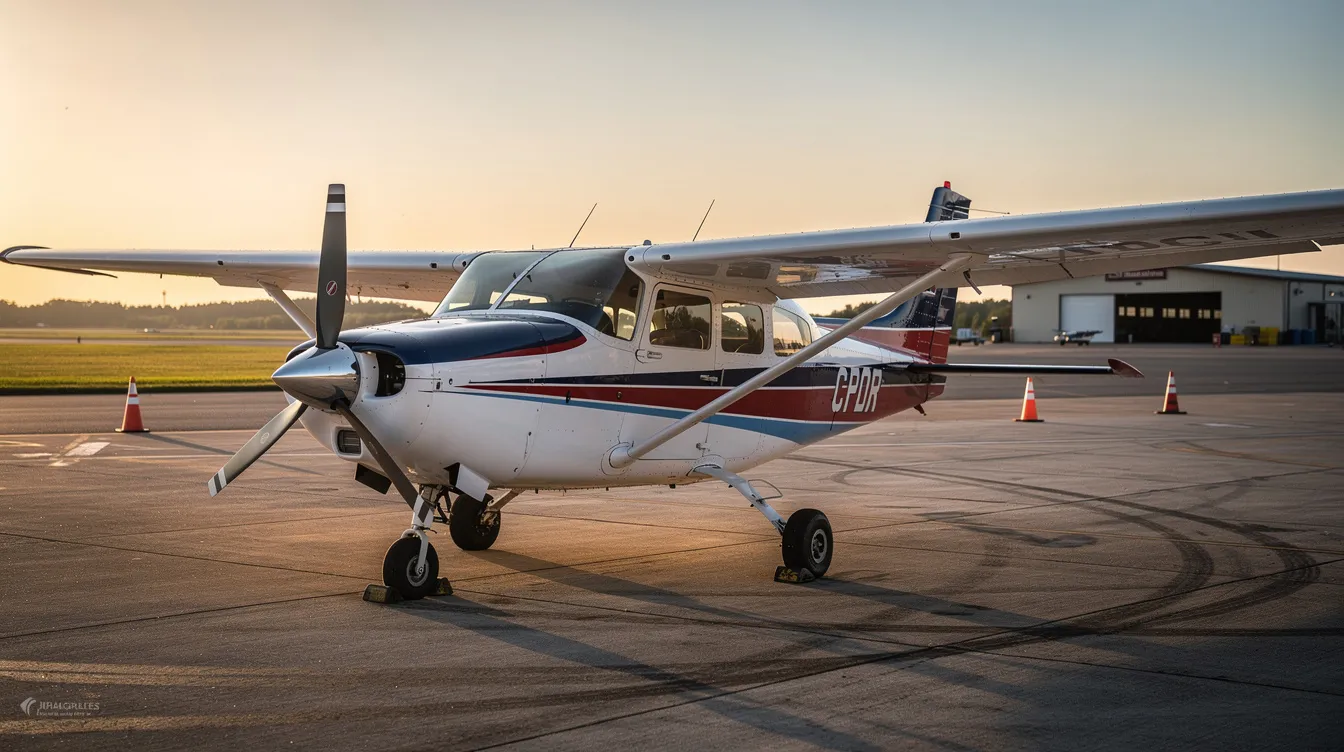
Every aircraft owner flying under Part 91 faces the same calendar-driven reality: the annual inspection. An annual inspection is a comprehensive review of the aircraft's airframe, engine, and systems, required every 12 calendar months under FAR Part 91. For Piper Cherokee owners specifically, understanding what this costs in 2026—and what drives the final bill—is essential for keeping the airplane affordable and airworthy. This guide is for current and prospective Piper Cherokee owners, pilots, and anyone budgeting for general aviation aircraft maintenance in 2026. Knowing what to expect helps owners budget accurately, avoid surprises, and make informed decisions about ownership versus charter alternatives.
Annual inspection costs for a Piper Cherokee range from $800 to $1,400 for inspection labor alone, with total annual cost (including common repairs) typically landing between $2,000 and $4,000 for a well-maintained fixed-gear PA 28 like a Cherokee 140.
The inspection fee covers only labor to open, inspect, and close the airplane. The inspection fee covers only the labor required to open, inspect, and close the aircraft; it does not include the cost of repairs or parts. Parts and additional labor to clear the squawk list are billed separately and often exceed the base fee.
Main cost drivers include shop hourly rate, aircraft condition, time since major maintenance (engine overhaul, hoses, avionics), and whether owner-assisted annuals or DIY oil change routines help reduce labor charges. Owner-assisted annuals allow the aircraft owner to perform certain non-technical tasks under supervision, reducing labor costs.
Some owners eventually move from personal ownership in general aviation to on-demand private charter through platforms like Jettly, eliminating recurring annual inspection and maintenance costs entirely.
The Piper Cherokee annual inspection cost in 2026 typically ranges from about $1,000 to $1,800 for inspection labor, with the full annual cost often doubling once repairs are included. Under FAR Part 91, every aircraft operated in general aviation must be inspected every 12 calendar months. FAR Part 43 Appendix D defines the minimum scope of the inspection for compliance, covering the entire airframe, engine, propeller, systems, and documentation. No exceptions exist based on hours flown.
This applies to every Cherokee model, from the PA 28 140 to the Cherokee 235. Because these are fixed-gear, naturally aspirated singles, they sit at the lower end of the inspection price bracket compared to retractable or turbocharged aircraft, though costs can still shift over the course of ownership or from one annual cycle to the next. Fewer systems mean fewer things to check, which means less annual time on the shop floor.
That said, ongoing fixed costs like hangar fees, insurance, and the annual inspection itself are a key reason some frequent travelers choose to skip ownership altogether. Platforms like Jettly offer a pay-per-trip alternative that eliminates these recurring obligations.
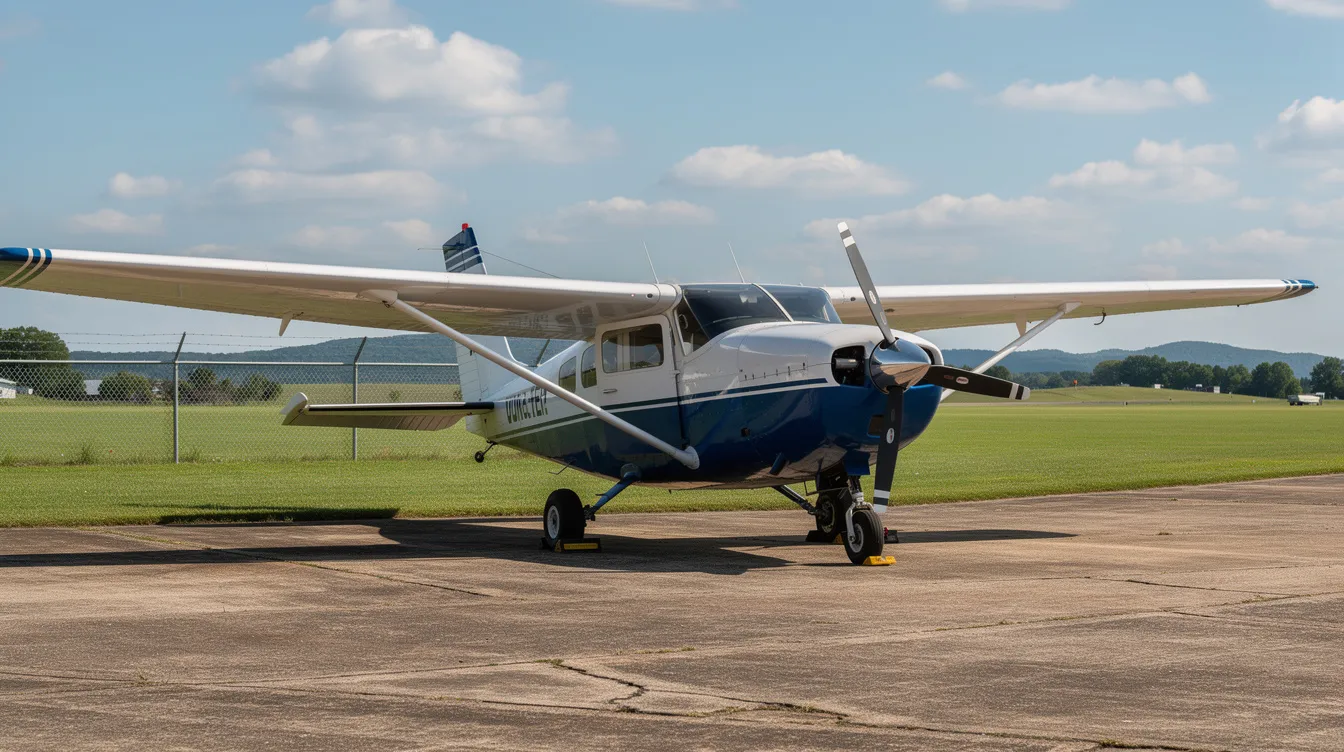
Understanding the difference between the inspection fee and the total bill prevents sticker shock every year.
The inspection fee covers only the labor required to open, inspect, and close the aircraft; it does not include the cost of repairs or parts.
A typical annual inspection takes eight to sixteen labor hours for a fixed-gear Cherokee.
A&P labor rates will rise to $110 to $140 per hour in 2026.
A shop charging $129/hr and quoting 10–12 hours produces a base price of roughly $1,300–$1,550 before any discrepancies.
Inspection fees do not include repair costs, which are billed separately.
Parts, materials, and additional labor to fix items on the squawk list are all extras.
A squawk list is a record of discrepancies or maintenance issues found during the inspection that require attention.
A realistic example bill for a healthy Cherokee 140 might look like this:
$1,300 inspection labor
$400 additional labor
$600 in parts (hoses, bulbs, filters, minor repairs)
Total: approximately $2,300
For a plane with deferred maintenance or a first annual on a recently purchased aircraft, expect $3,500–$5,000 as more deferred items surface at once.
For fixed-gear PA-28 models in 2026, here are ballpark figures based on aircraft condition:
Cherokee 140 / PA-28-140: Inspection labor $1,000–$1,500. Total cost for a maintained aircraft: $2,000–$3,000. Neglected or recently imported airframes with corrosion and AD compliance issues can run $3,500–$6,000.
Cherokee 160 / 180: Similar labor to the 140, but slightly higher parts costs on fuel system components and exhaust.
Cherokee 235: A higher-horsepower engine means more expensive engine and fuel system parts. Plan for the upper end of the range.
By comparison, Cessna 172 inspection fees range from $1,500 to $2,200, while twin-engine aircraft inspections cost $3,500 to $6,000. Cherokees consistently land on the more affordable side.
Avionics upgrades and autopilot installations can increase inspection time—more systems for the mechanic to check—but often reduce unscheduled maintenance costs thanks to newer, more reliable equipment. Geographic region also matters directly: busy coastal shops charge $130–$150/hr, while rural facilities may still bill closer to $100–$120/hr, and that rate difference multiplies across every labor hour.
|
Inspection Component |
Estimated Cost Range (2026) |
Notes |
|---|---|---|
|
Base Inspection Labor |
$1,000 – $1,500 |
8–16 labor hours at $110–$140/hr |
|
Additional Labor for Repairs |
$400 – $1,000 |
Depends on the squawk list and condition |
|
Parts and Materials |
$600 – $1,500 |
Hoses, bulbs, filters, brake pads, etc. |
|
Total Annual Inspection Cost |
$2,000 – $4,000 (typical) |
Can exceed $6,000 for deferred or neglected aircraft |
|
Owner-Assisted Labor Savings |
$200 – $600 (potential savings) |
Removing panels, oil changes under supervision |
Annual inspections follow the standardized checklist in FAR Part 43 Appendix D, but mechanics experienced with PA-28s know exactly where to look for trouble. Major areas inspected include:
Airframe: wings, fuselage, and tail structure
Control surfaces, cables, and linkages
Landing gear, brakes, and tires
Fuel system (tanks, lines, caps, selectors)
Electrical system (wiring, instruments, lights, avionics)
Engine and propeller condition
Exhaust system integrity
Cabin and safety equipment
Documentation: logbooks, AD compliance, weight and balance
Removing inspection panels, checking control cable tensions, inspecting the carry-through spar, and examining fuel tanks for leaks drive most of the base labor hours. Cherokee-specific issues frequently uncovered include stabilator bushing wear, exhaust system cracks, fuel tank seepage, and aging wing root and window seals that invite corrosion if ignored.
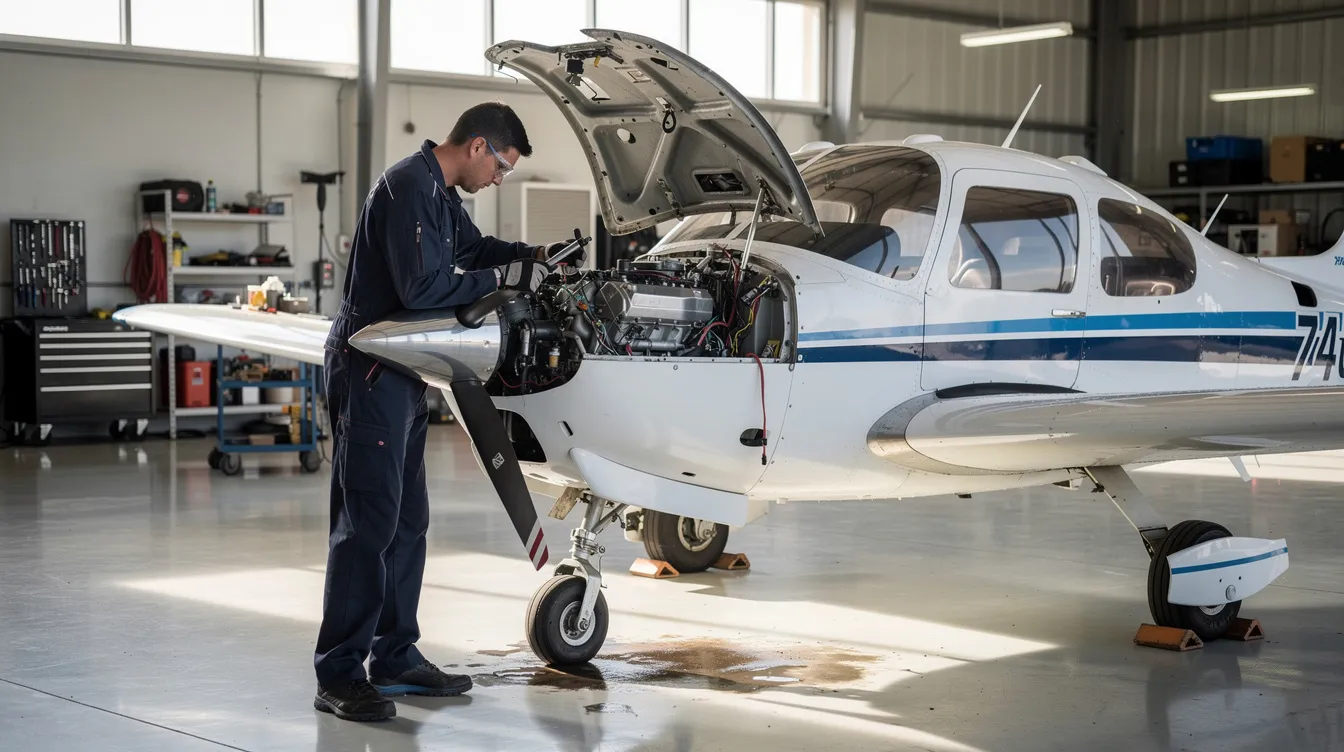
The mechanic uses these findings to generate the squawk list—a detailed record of airworthiness items and recommended fixes. The aircraft owner must approve each repair before additional labor or parts are installed. A thorough annual inspection is an investment in safety and resale value, especially valuable when the plane is later sold and a buyer requests a thorough pre-purchase inspection.
The health of a Piper Cherokee going into an annual inspection largely determines whether the final bill stays near the base inspection fee or climbs significantly. Common repairs can add $600 to $1,500 to the total inspection cost, depending on what's found. Parts costs have also increased due to post-pandemic inflation, pushing even routine items higher than a few years ago.
Fuel and oil hose replacement (past 5–10 years): $600–$1,500
Brake pads, discs, and tire replacement: $400–$900
Corrosion treatment (wing roots, lap joints, tail cone): a few hundred dollars for minor repairs; serious structural corrosion can reach thousands of dollars
Exhaust leaks or cracked manifolds: $300–$1,800
Worn control rod ends and spark plug cleaning: varies, but labor adds up
Outdated avionics or transponder non-compliance: hundreds to thousands, depending on the upgrade path
Every additional finding multiplies the cost through both parts and additional labor. An oil leak requiring accessory removal could add 3–5 hours plus seals and gaskets. ADs specific to the PA 28 series may require repetitive inspections at set intervals, affecting annual cost even on low-hour airframes. Staying current on maintenance costs less than letting deferred items pile up—a lesson many owners learn the expensive way.
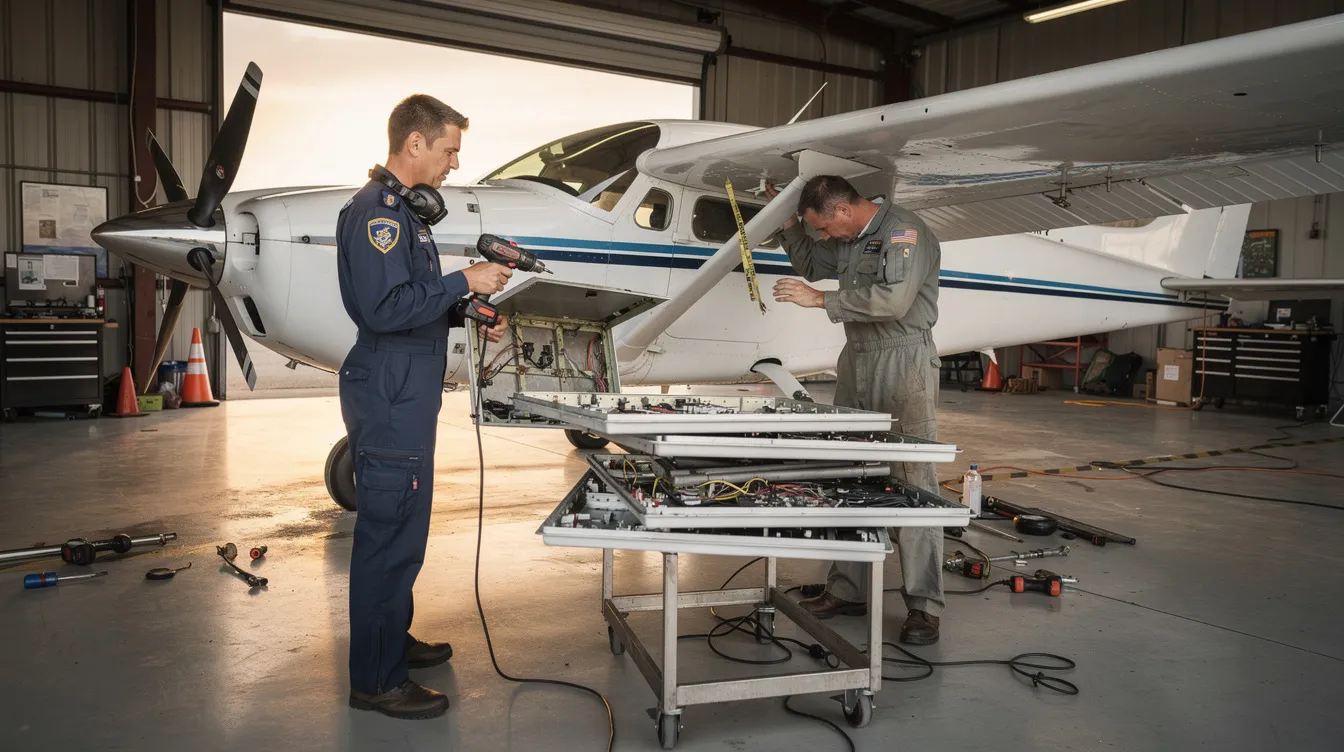
Many A&P/IA shops allow Cherokee owners to handle non-technical tasks under supervision, and this is where owner-assisted annuals can save money without compromising safety. Owner-assisted annuals allow the aircraft owner to perform certain non-technical tasks under supervision, reducing labor costs.
Under FAR 43.3(g) and FAR 43 Appendix A, owners can legally help with tasks like:
Removing and reinstalling inspection panels (can save $150 to $400 by cutting 3–4 labor hours)
Servicing tires
Replacing bulbs
Performing an oil change
The owner cannot sign off on the annual inspection itself—only an A&P with Inspection Authorization can do that.
Owner-assisted annuals can save $200 to $600 in labor, depending on the shop and how much the owner contributes.
Performing owner-completed oil changes every 40–50 hours can halve oil change costs over a year while also catching engine issues early through oil analysis.
Arrive with a clean aircraft, organized logbooks, and a short written list of known issues. This reduces diagnostic time so the mechanic focuses on real problems rather than hunting through paperwork.
Even with owner involvement, all work must be supervised as required, and the final completion and sign-off stay with the IA—ensuring the plane meets airworthiness standards.
Fixed costs for a Piper Cherokee owner are expenses that hit whether the airplane flies 200 hours or sits in the hangar all year. These include hangar or tie-down, insurance, subscriptions, and the annual inspection.
Hangar at $350/month ($4,200/year)
Insurance at $900–$1,200/year
Typical annual plus common squawks at $2,000–$3,000
Total fixed costs: roughly $7,000–$8,500 annually before a single gallon of fuel is burned
Flying more hours spreads these fixed costs, lowering the effective hourly rate.
An owner flying 100 hours per year pays about $75–$85/hour in fixed costs alone.
Someone flying only 25–40 hours pays $175–$340/hour before fuel or oil even enters the picture.
Variable costs like fuel, oil changes, and engine overhaul reserves stack on top, which is why accurate annual inspection budgeting matters for anyone trying to afford long-term ownership.
This math is why some owners who primarily fly for transportation—rather than the hobby itself—eventually compare the true cost of aircraft ownership with the pay-per-trip model of chartering through platforms like Jettly, much like those evaluating how much a private jet really costs.
A pre-purchase inspection on a Piper Cherokee uses many of the same checks as an annual inspection, but happens before money changes hands. This protects buyers from inheriting a costly squawk list.
A buyer might pay roughly $1,200–$1,800 in 2026 for a pre-purchase inspection on a candidate Cherokee 140—but could save $5,000–$10,000 by walking away from a plane with severe corrosion or major deferred maintenance.
Thorough logbook review during this process helps estimate the upcoming annual cost, including how long until the next engine overhaul, fuel tank reseal, or avionics replacement.
For long-time owners facing repeated high annual bills, a fresh pre-purchase inspection on a different aircraft may be more financially rational than continuing to pour money into an aging airframe. A thorough pre-purchase inspection can also reveal whether older models like the Tri Pacer or J3 J4 series carry hidden expenses relative to more modern Cherokees.
Some owners who mainly need efficient point-to-point travel choose to sell after a clean annual and switch to general aviation or business aircraft charters, using platforms like Jettly to access a range of aircraft without annual inspections or fixed ownership costs and to explore affordable private jet charter options.
Many pilots start in general aviation with aircraft like the Piper Cherokee, but find their flying missions eventually shift toward business trips or multi-city family travel where time and flexibility matter more than hands-on ownership.
Recurring fixed costs—annual inspections, insurance, hangar, ongoing oil changes, engine reserves—can easily total $10,000+ per year for a regularly flown Cherokee once fuel and reserves are added. That's before any upgrade or unexpected repairs. A traveler who flies mostly for business may compare this to private jet charter: pay only for flights used, with no squawk list to manage and no downtime while the plane sits in the shop for two days or more, especially after understanding how much it costs to rent a private jet.
Private jet charter services operate on a B2C marketplace model, connecting travelers directly with operators through instant-book private jet marketplaces. Jettly provides access to over 20,000 private charter aircraft for private jet rental globally—from turboprops and light jets to long-range jets and helicopters—with transparent pricing models, instant pricing and booking, and digital booking that enhances the customer experience. Private jet travel offers convenience and flexibility without ownership burdens, including airport access at thousands of facilities, in-flight catering, and ground transportation integration.
Frequent flyers who use these services include corporate executives and high-net-worth individuals who value flight safety and operator regulation without managing maintenance themselves. Empty-leg flights can offer cost-effective private jet options for flexible schedules, and private jet memberships differ from on-demand access depending on travel frequency. Global aircraft inventory is a key feature of modern charter services like Jettly.
Former or current Cherokee owners can use Jettly to book aircraft for missions a PA 28 cannot efficiently cover—same-day multi-city meetings, cross-country family trips, or last-minute travel using the private jet charter cost estimator.
The best way to control Piper Cherokee annual inspection cost is not to chase the lowest quote but to reduce surprises through disciplined year-round maintenance.
Build a running squawk list. Log small issues—sticky latches, intermittent nav lights, oil seeps—as they appear. Building a squawk list helps address issues early and cheaply during routine visits like oil changes rather than waiting for the annual visit.
Schedule a mid-year maintenance visit. Combine an oil change with a quick look at common wear items and a logbook review. Regular interim maintenance visits can reduce annual costs by catching problems before they become expensive line items.
Keep logbooks organized. Clean records with digital backups reduce the time spent by the A&P/IA deciphering history, trimming the inspection labor bill. This is especially important if you plan ahead to sell or conduct a pre-purchase inspection for a buyer.
Set an estimated budget with your mechanic. Before the inspection begins, discuss priorities and separate airworthiness items from "nice to have" upgrades. This prevents spending from exceeding what you can reasonably afford in that annual cycle.
Those who prefer predictable travel costs with zero maintenance surprises can offload all inspection worries by relying on on-demand charter through platforms like Jettly.
For a typical private owner flying 75–100 hours per year, a realistic 2026 all-in annual budget for a Cherokee 140 is approximately $8,000–$12,000. This covers the annual inspection, routine maintenance, hangar or tie-down, insurance, fuel, oil changes, and an engine overhaul reserve fund. Low-time flyers under 40 hours per year experience much higher cost per hour because fixed costs and the annual inspection occur regardless of how much time is spent flying. Budget realistically and avoid the temptation to assume you'll fly more hours than you actually do.
Some shops advertise a flat-rate annual fee for fixed-gear singles—sometimes as low as $1,200 for a Piper Cherokee. These typically cover a fixed number of labor hours (often 8–12) for the inspection itself, but exclude parts and additional labor to fix anything on the squawk list. Before committing, ask exactly what the fee includes: how many hours, which tasks are covered, and how overages are billed. Very low flat-rate quotes can be offset by higher parts markups or aggressive squawk recommendations that push the total cost well beyond the initial quote. Key competitors in the private aviation charter space, like NetJets and Flexjet, also use different pricing structures—owners comparing these options may look at comprehensive guides to NetJets or NetJets alternatives like Jettly—but for airplane maintenance, understanding the schedule of charges matters more than the headline number.
No. Under U.S. regulations, annual inspections are required every 12 calendar months for aircraft used in general aviation, regardless of hours flown. An out-of-annual airplane cannot be legally flown—with narrow exceptions like a ferry permit to reach a maintenance facility. Not flying can actually increase corrosion risks and degrade rubber components like hoses and seals, making a thorough annual inspection even more important for aircraft that sit unused. The money spent to keep the inspection current is almost always less than what you'd pay to bring a neglected plane back to airworthy condition.
Many buyers ask the mechanic to conduct an annual inspection as the pre-purchase inspection, so the plane leaves with a fresh annual inspection. The key difference is who authorizes repairs and how discrepancies influence the sale price. A dedicated pre-purchase inspection may include additional focus on accident history, undocumented modifications, and market value considerations beyond simple airworthiness. This helps buyers avoid an airplane that will generate large annual bills post-purchase. If you've recently purchased a Cherokee, having the annual and pre-purchase inspection completed together is an efficient way to establish a clean maintenance baseline.
There's no single threshold, but recurring annuals over $4,000–$6,000—plus rising fixed costs for hangar, insurance, and reserves—often trigger owners to reassess. If you primarily care about efficient travel rather than hands-on flying, compare your total yearly ownership spend with the cost of booking equivalent trips through a charter platform. Membership models differ from on-demand access depending on how often you fly, and both can eliminate maintenance risk entirely. Owners considering this shift can explore aircraft options and instant pricing at https://www.jettly.com.
Ready to experience private travel on your terms? You can compare jet card flight cost estimates, explore jet card programs, review top private jet charter companies, or even look at private jet charter options in specific regions such as Kolkata, West Bengal, before you explore flight options or request a quote at https://www.jettly.com.
In 2026, the Piper Cherokee annual inspection cost remains a manageable but essential part of aircraft ownership. Understanding the breakdown between inspection labor, repair costs, and the benefits of owner-assisted maintenance helps owners budget effectively and avoid unexpected expenses. While fixed costs like hangar and insurance add to the financial picture, disciplined year-round maintenance and timely inspections keep the aircraft safe, reliable, and ready to fly.
For those seeking flexibility without the burdens of ownership, platforms like Jettly offer an attractive alternative. Jettly’s digital private jet charter marketplace provides instant access to thousands of aircraft worldwide, transparent pricing, and on-demand booking—all without the hassle of annual inspections or ongoing maintenance costs. Whether flying for business or leisure, Jettly enables travelers to enjoy private aviation’s convenience and efficiency on their terms.
Ready to experience private travel on your terms? Explore flight options or request a quote at https://www.jettly.com.
Share this post:
Jay Franco Serevilla
Jul 17, 2026
|
5
min read
Discover tips and trends in the industry.

5
min read
Havasu Falls Helicopter Price: Costs, Schedule, and How to Book in 2026
Planning a trip to Havasu Falls in 2026? The helicopter service offers a quick alternative to the challenging hike, costing approximately $300 one-way. Flights operate on select days and are first-come, first-served, so early arrival is essential. Remember, a valid permit is required for all visitors to access the falls.
Read More
5
min read
How Long Does It Take to Get a Helicopter License? Timeline, Training, and Costs
Becoming a helicopter pilot can take anywhere from 2 months to 2 years, depending on the type of license and training frequency. A private pilot license typically requires 40 flight hours, while a commercial license demands 150 hours. Factors such as training intensity, weather conditions, and flight school choice significantly influence the timeline and costs involved.
Read MoreStay updated with our latest insights and tips to elevate your journey with us.
MEMBERSHIPS AND ASSOCIATIONS



Disclaimer: Jettly operates as a charter broker, offering access to a global digital jet charter marketplace. Jettly is not a direct air carrier and does not own or operate aircraft. All advertised flights are conducted by third-party air carriers that are fully licensed and hold the appropriate Part 135 or Part 121 certifications issued by the Federal Aviation Administration (FAA) or equivalent regulatory authorities under U.S. or foreign law. Jettly complies fully with the U.S. Department of Transportation's Part 295 and Part 298 Charter Broker regulations. Jettly does not carry additional liability insurance. Passengers are covered by aircraft operator insurance. TICO: 50023770


