


Login
Get Instant Pricing On 23,000+ Aircraft

>
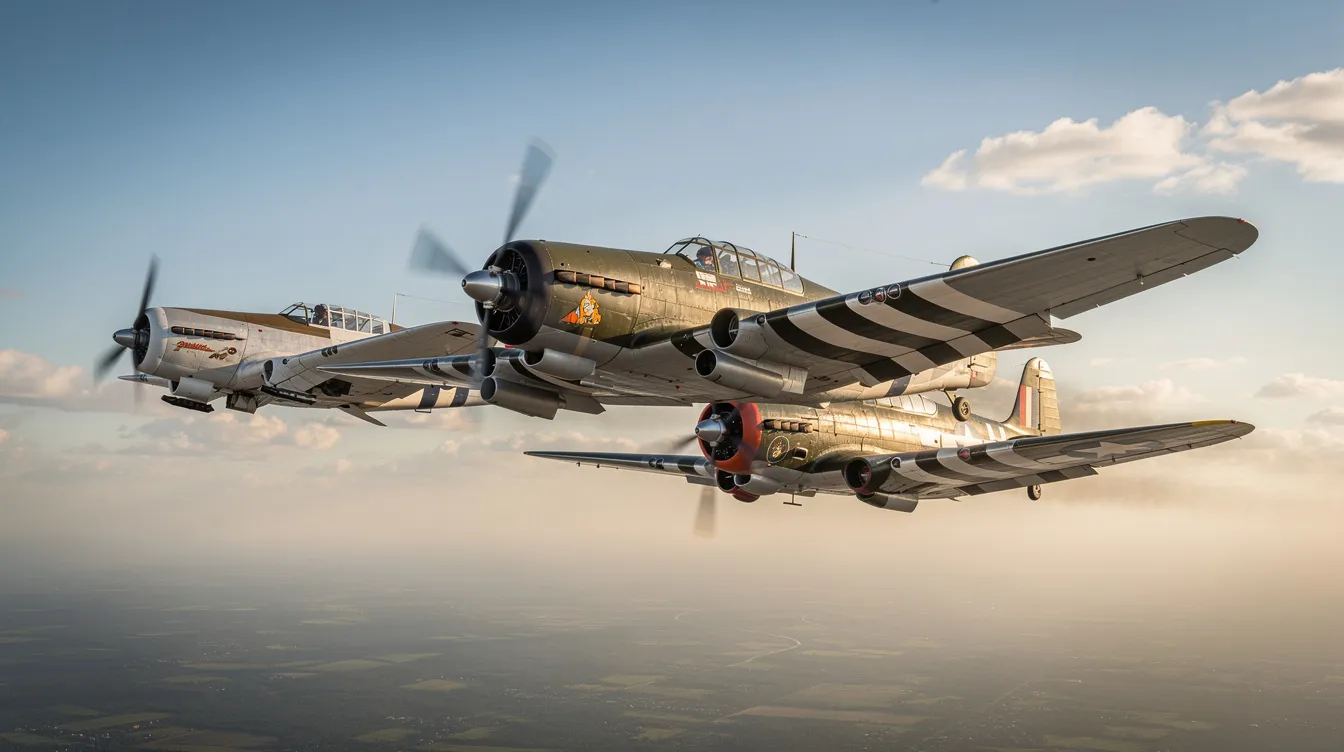
Prop planes power a surprisingly large share of private aviation. From piston-driven trainers to twin-engine turboprop shuttles, propeller-driven aircraft connect cities, serve remote communities, and carry business travelers where jets simply can't go. This guide breaks down the differences between turboprop aircraft and piston models, explains how they compare with jet aircraft, and helps you decide when a prop plane is the smartest choice for your next charter.
Prop planes are aircraft powered by propellers, driven by either piston engines or turboprop engines. They generate forward thrust by spinning blades that push air backward, producing a reaction force that moves the aircraft forward. Propeller planes typically cruise at speeds up to 300 knots and operate at lower altitudes than jet aircraft, making them a distinct category from pure jets.
Prop planes dominate short regional routes under 1,500 kilometers and connect remote airports that jets can't reach. They are widely used by regional airlines and private operators for commuter flights and cargo transport.
Business turboprops like the Beechcraft King Air and Pilatus PC-12 deliver pressurized, jet-like cabins with lower operating costs on flights under 1,000 nm, making them a strong fit for small groups and executive travel.
Jettly's digital platform lets travelers compare turboprops, light jets, and other aircraft categories in real time with transparent pricing, removing guesswork from the booking process.
For cost-efficient, flexible private travel, especially with small passenger counts or destinations at smaller airports, prop planes consistently outperform jets on a door-to-door basis.
Prop planes are aircraft powered by a propeller driven either by piston engines or a gas turbine engine (in the case of turboprop aircraft). Unlike pure jet aircraft that generate thrust from high-velocity exhaust, prop planes rely on propeller propulsion to move through the air.
Propeller planes differ from jet aircraft primarily in speed and operating altitude. Typical cruise flight speeds range from about 180 to 330 knots, with operating altitudes between FL150 and FL300. This makes them ideal for regional and short-haul aviation missions where jets would be oversized or uneconomical.
Prop planes fall into several main categories:
Small piston trainers and tourers - Cessna 172, Piper PA-28
Single engine turboprops - Pilatus PC-12, Cessna Caravan, Quest Kodiak
Twin-engine business turboprops - Beechcraft King Air C90, 260, 360
Larger regional turboprops - ATR 42/72, De Havilland Canada Dash 8, used by regional airlines on scheduled routes
How does a propeller create thrust? Each propeller blade is shaped like an airfoil. As it spins, the pressure difference across the blade surfaces pushes air backward, and by Newton's third law, the aircraft moves forward. It's the same principle as a wing generating lift, just oriented horizontally.
Many of the 20,000+ aircraft accessible through Jettly's marketplace are propeller-driven, particularly for missions under two hours or destinations at smaller airports.
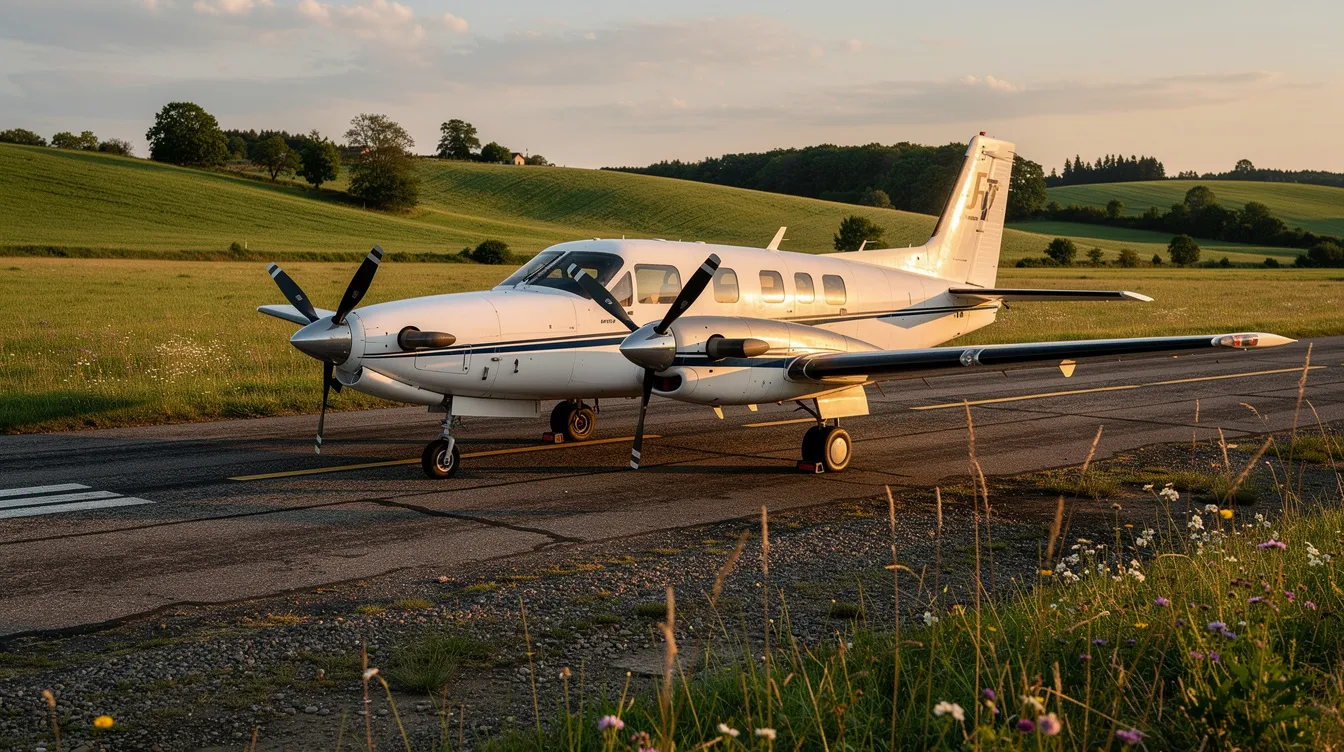
Both turboprop and piston prop planes use propellers, but the engines behind them are fundamentally different. Turboprop aircraft use a gas turbine engine to drive the propeller through a reduction gearbox, while piston-powered aircraft rely on reciprocating internal combustion engines, similar in concept to a car engine.
Piston engines offer lower acquisition and operating costs. Piston-driven aircraft like the Cessna 172 cruise at roughly 122–129 knots with a service ceiling around 13,500 feet. They're the most commonly flown model category for training, personal flights, and very short hops. But they carry less payload, fly slower, and generally lack pressurized cabins.
Turboprop engines deliver a higher power-to-weight ratio. Modern turboprop aircraft like the Pilatus PC-12 NGX cruise at approximately 290 knots, reach 30,000 feet, and carry up to nine passengers over 1,548 nm. The King Air 350i, produced by Textron Aviation, pushes cruise speeds to about 312 knots with a range of about 1,800 nm. Propeller planes excel in low and medium subsonic flight and are cost-effective for short distances, and turboprops are most efficient at flight speeds below 725 km/h (450 mph).
Propeller planes are more fuel-efficient at lower altitudes and slower speeds than jets, which is precisely where turboprops spend most of their time.
When should a Jettly customer choose which type?
|
Factor |
Piston |
Turboprop |
Light Jet |
|---|---|---|---|
|
Best range |
Under 300 nm |
300–1,500 nm |
800–2,000 nm |
|
Cruise speed |
120–170 knots |
250–330 knots |
400–450 knots |
|
Hourly cost |
~$400–$800 |
~$2,000–$3,500 |
~$4,000–$6,000 |
|
Pressurized cabin |
Rarely |
Usually |
Always |
|
Best for |
Budget short hops |
Regional, remote fields |
Longer legs, speed priority |
A turboprop engine is a type of gas turbine engine that drives a propeller through a reduction gearbox. Unlike jet engines, where thrust comes from high-speed exhaust, the vast majority of a turboprop's thrust is generated by the propeller system itself, with only a small fraction from exhaust gases.
Main components in simple terms:
Air intake - compressed air enters the engine
Compressor - raises the pressure and temperature of incoming air through turbine stages
Combustor - fuel is injected and mixed with compressed air, creating fuel-air mixtures that ignite
High-pressure turbine - hot combustion gases expand through the turbine, driving the compressor
Power turbine - a separate free turbine extracts remaining energy, generating power for the propeller
Reduction gearbox - converts high-RPM shaft rotation into slower propeller rotation suitable for efficient blade tips operation
Constant-speed propeller - adjusts blade pitch for takeoff, climb, and cruise
Modern turboprop engines feature digital engine control systems like FADEC (Full Authority Digital Engine Control), which automate fuel flow, propeller pitch, and power management. The PC-12 NGX's PT6E-67XP was the first single-engine turboprop to integrate full FADEC, improving fuel efficiency and reducing pilot workload on the flight deck.
Turboprops lose efficiency at high speeds near the speed of sound. Their performance envelope is strongest below about Mach 0.6–0.7, making them particularly competitive with regional jets on routes under roughly 1,500 km.
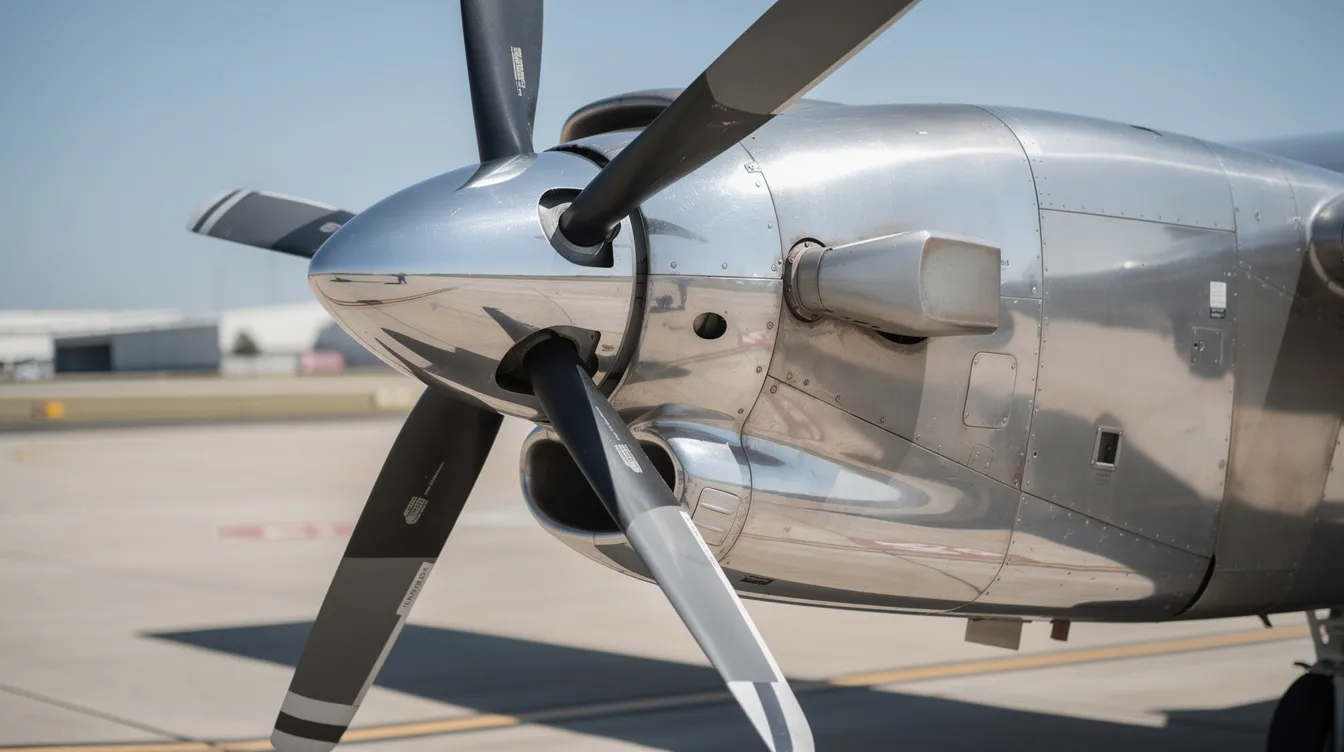
The choice between a single-engine turboprop and a twin-engine turboprop comes down to mission profile, budget, and safety requirements.
Single-engine turboprops like the Pilatus PC-12 and Cessna Caravan offer lower operating costs, simpler maintenance, and strong short-field performance. They typically feature large cargo doors for utility missions, medevac, freight, and bush operations. Maintenance costs are lower because there's only one engine turboprop powerplant to service. Safety data backs them up: historical comparisons show accident rates per flight hour for single-engine turboprops in business flying (~1.99 per 100,000 hours) are comparable to twin-engine models (~2.37 per 100,000 hours).
Twin-engine turboprops like the Beechcraft King Air series add engine redundancy, higher cruise speeds, better climb performance in hot and high conditions, and more payload capacity. The King Air 360 offers a cabin volume of roughly 355 cubic feet, seating 8–9 passengers in executive layouts with a range of around 1,800 nm, attractive for corporate travelers and families who need space and comfort.
As of July 2024, there are 16,265 business turboprops in operation worldwide, spanning both single and twin configurations. The fleet has grown steadily, reflecting confidence in turboprop technology across private and commercial sectors.
How Jettly clients typically choose:
Single engine - short hops to remote airports, small groups (2–4 passengers), budget-sensitive trips
Twin-engine - executive shuttles, medical teams, time-sensitive business trips, or routes requiring engine redundancy over water or mountains
The turboprop-versus-jet decision isn't about which is "better"-it's about matching the right tool to the trip.
Private jets cruise faster (often 400–450 knots) and higher (FL390+), making them the clear choice for longer sectors like New York–Miami or Toronto–Dallas. But propeller planes require significantly less runway length for takeoff and landing compared to jets, which opens up a much larger network of airports.
Private turboprops have access to around 10 times more airports than airlines. Turboprop engines allow access to smaller airports that cannot accommodate larger jets, and that translates directly into shorter ground transfers and faster door-to-door travel times.
Real-world use cases where turboprops win:
A King Air charter from Toronto to Muskoka, direct to a 3,500-ft strip that no jet can use
LA to Mammoth Lakes-steep mountain approach, short runway
Intra-European island hops-small airfields across the Mediterranean or Scottish Highlands
For longer trunk routes, jets are faster in the air, and the speed advantage compounds. But on legs under 600 nm, the time saved by landing closer to the final destination often erases the jet's speed edge.
Jettly's private jet charter cost estimator and instant pricing tools allow side-by-side cost and time comparison between turboprop aircraft and private jets for any given itinerary, showing both airborne time and estimated door-to-door travel time.
One of the primary reasons travelers choose prop planes, especially turboprops, is access to remote airports with short and unpaved runways that jets simply cannot use.
Turboprops can operate from runways as short as 750 meters. Some models handle as little as 1,100 meters, even at heavier weights. They can take off from unpaved and rough runways, including gravel, grass, and semi-prepared strips. Turboprop planes are also less affected by conditions at high-altitude airports compared to jets, where thin air degrades jet engine performance more severely.
Approximately 34% of airports globally rely exclusively on turboprop aircraft. That's a massive network of airfields, many serving resort communities, mining operations, island chains, and rural regions, that would be completely inaccessible by jet.
Aircraft built for this mission:
Cessna Caravan - rugged utility workhorse for bush strips in Alaska, Northern Canada, and Africa
Quest Kodiak - designed for unpaved runways and steep approaches
De Havilland Twin Otter - the definitive short-field, rough-strip aircraft, serving island communities worldwide
Key performance factors for short-field operations include aircraft weight, density altitude, runway slope, surface condition, and use of reverse thrust and high-lift flaps.

Jettly's flight advisors match aircraft type to specific remote airports using an airport locator tool, verifying runway compatibility and regulatory compliance before confirming any charter.
Turboprops and piston prop planes occupy a crucial cost-efficient niche between helicopters and jets. They are ideal for regional routes under 1,500 kilometers, where their cost efficiency and operational flexibility are hard to beat.
Regional airlines rely heavily on ATR turboprop aircraft like the ATR 42/72 and De Havilland Canada Dash 8 to connect small cities on routes with lower passenger demand. These passenger turboprops serve scheduled airlines on short-haul routes under 400–500 nm, consuming significantly less fuel per seat-mile than regional jets. Turboprops consume up to 50% less fuel than regional jets on comparable routes, and turboprops have lower operating costs than jets on short sectors. Airlines will need about 2,100 new passenger turboprops by 2044 to replace aging fleets and meet growing demand for short-haul aviation.
Cargo and special missions include overnight courier operations, medevac flights, and humanitarian relief using aircraft like the Cessna Caravan and King Air freighters. Propeller aircraft are often used for regional commuter flights and cargo transport to remote areas where jet infrastructure doesn't exist.
Private and corporate charter is where business turboprops shine. A King Air or PC-12 charter for executive roadshows, multi-city day trips, or family travel to secondary airports typically runs $2,000–$3,500 per hour, often 20–40% less than a comparable light jet mission. The power generated by modern turboprop engines delivers high-performance aircraft capability at a fraction of jet operating costs, and Jettly offers affordable private jet charter options that make these savings clear at quote time.
Fuel efficiency and emissions matter increasingly in aircraft selection. Turboprops emit fewer CO₂ emissions than regional jets on equivalent routes, and they are less likely to produce contrails than jets because they fly at lower altitudes where contrail formation is rare.
Turboprops have a lower noise footprint compared to jets, making them suitable for noise-sensitive and urban-proximity airports. Modern turboprop aircraft incorporate advanced materials, composite propeller blades, and durable components that reduce vibration and passenger fatigue.
Turboprop technology has evolved significantly in recent years. Key developments include:
Sustainable Aviation Fuels (SAF) - turboprop aircraft are designed to operate on alternative fuels and synthetic aviation fuels, with many modern turboprop engines already certified for SAF blends
Hybrid-electric concepts - several manufacturers are developing hybrid and fully electric propeller-driven small subsonic aircraft for very short hops
Improved engine efficiency - modern turboprop engines outperform previous generation engines in fuel consumption while generating power more cleanly
Noise reduction - technological advancements in blade design and cabin insulation address noise concerns at blade tips and throughout the cabin
For Jettly users interested in lower-impact flying, selecting a modern turboprop for regional trips offers both environmental and cost advantages over jets, especially when combined with tips for booking the cheapest private jet flights.
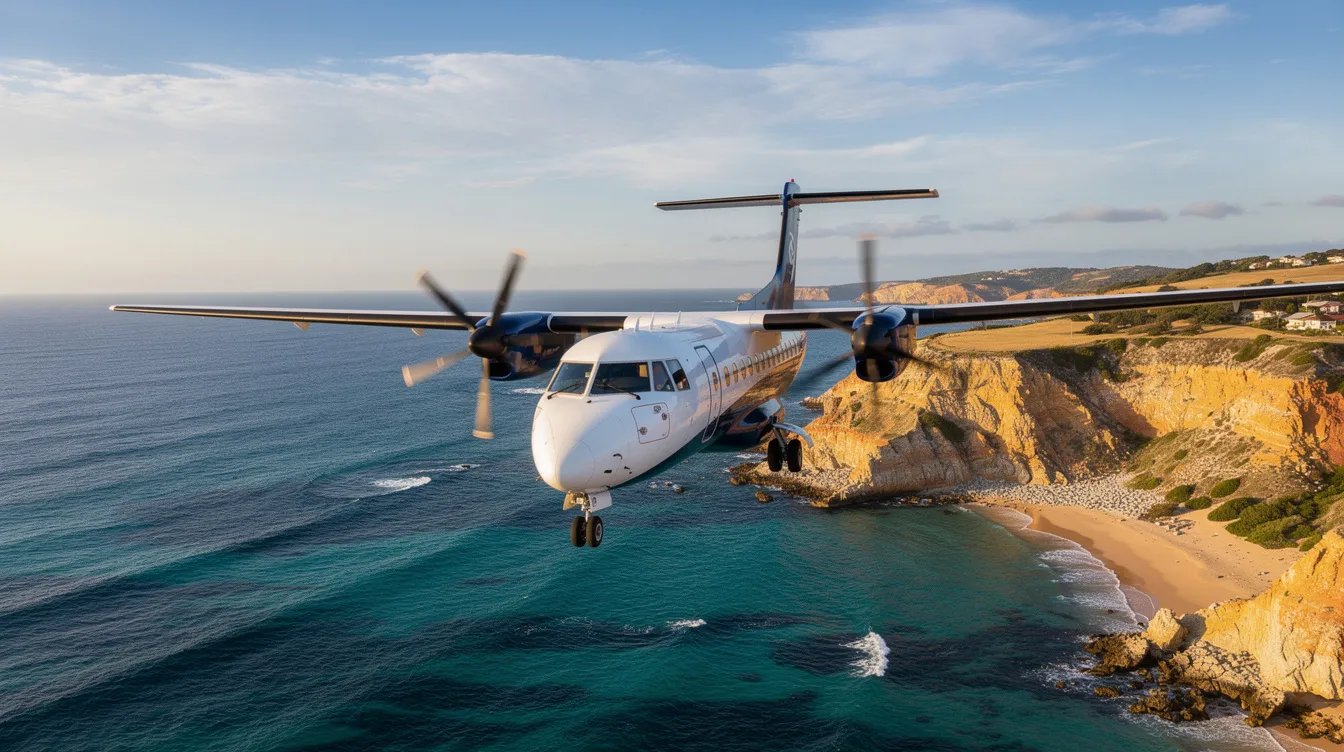
Jettly is a digital private aviation platform that simplifies selecting between prop planes and jets for each mission. Rather than guessing which aircraft category fits, travelers can compare options based on their actual trip parameters.
The platform aggregates thousands of turboprop and piston aircraft in operation worldwide, enabling instant quote comparisons across categories. Whether the trip calls for a single-engine PC-12, a twin-engine King Air, or a light jet from Jettly's global private charter aircraft network, the pricing and timing are presented transparently.
Key factors Jettly advisors consider:
Passenger count and baggage weight
Runway length and surface at origin and destination
Weather conditions and density altitude
Budget and schedule flexibility
Regulatory requirements for specific airports or regions
Jettly offers both private jet memberships and on-demand access with transparent pricing-no long-term ownership commitments, no complex jet card structures. The first flight on the platform is designed to be as simple as the tenth.
Learn more about Jettly's charter options at https://www.jettly.com.
Modern turboprop aircraft operated under commercial regulations (such as Part 135 in the U.S. or equivalent standards elsewhere) maintain strong safety records comparable to jets, and they are a staple of the wider charter airlines and private aviation landscape. Safety depends far more on operator standards, pilot training, and maintenance quality than on propulsion type alone. The British turboprop engine lineage, beginning with the first British turboprop engine, the Rolls-Royce Dart, set safety and reliability benchmarks that Dart engines established across decades of operation worldwide. Today's turbine-powered charter fleet benefits from that heritage. Jettly works exclusively with vetted operators meeting recognized safety and regulatory requirements.
Turboprops are ideal for flights under roughly 500–700 nm, especially where runway length is limited, or destinations involve secondary or remote airports, and they pair well with modern options for getting a seat on a private jet easily when travelers want to mix turboprop and jet legs. On these missions, a turboprop often delivers similar door-to-door time at a lower hourly cost because it can land closer to the final destination. Jets become more attractive as distance increases, generally beyond 700–1,000 nm, where higher cruising speeds and the ability to fly at low speeds become less relevant and covering distance quickly matters most.
Single-engine turboprops like the Pilatus PC-12 typically seat 6–8 passengers in a business layout. Beechcraft King Air models, among the most commonly flown models in business aviation, commonly carry 6–9 passengers depending on the variant. Exact capacity depends on interior configuration, baggage needs, and performance limits for specific routes. Jettly's booking interface displays seating and baggage details for each available aircraft option.
Commercially operated prop planes used for charter are equipped with modern avionics, de-icing or anti-icing systems, and full IFR capability. They routinely fly at night and in low-visibility conditions within regulatory and operational limits, much like jets. Compressed air from the engines powers pneumatic de-icing boots on many turboprops, while others use heated leading edges. Jettly's partner operators evaluate weather, alternatives, and airport facilities before dispatching each flight.
Many business turboprops offer 1,000–1,800 nautical miles of range depending on type, payload, and weather conditions. A King Air 350i can handle nonstop legs like Chicago–New York or London–Madrid under normal conditions, a high-performance aircraft covering serious distances without jet fuel consumption rates. During trip planning, Jettly's system automatically accounts for fuel stops if needed, presenting realistic routing and timing. The platform factors in less fuel burn on shorter segments, helping customers see exactly where turboprops deliver the best value.
Prop planes, especially turboprop aircraft, offer a versatile and cost-effective solution for private charter travel on regional routes. Their ability to operate from shorter and unpaved runways opens access to many airports that jets cannot reach, providing greater flexibility and convenience. With lower operating costs, strong fuel efficiency, and competitive performance on trips under 1,500 kilometers, turboprops are an excellent choice for small groups and travelers prioritizing access over speed. Jettly’s platform simplifies the process of comparing and booking prop planes alongside jets, ensuring travelers find the right aircraft for their mission with transparent pricing and instant quotes. Whether flying to remote destinations or short-haul business trips, prop planes remain a smart, sustainable, and practical option in private aviation.
Ready to experience private travel on your terms? Explore flight options or request a quote at https://www.jettly.com.
Share this post:
Jay Franco Serevilla
Jun 15, 2026
|
5
min read
Discover tips and trends in the industry.

5
min read
Pets on Private Jets in 2026: Size Limits, Crate vs. Cabin Rules, and International Paperwork
This comprehensive guide for pet owners covers everything you need to know about flying with pets on private jets in 2026. It details size limits, cabin versus crate rules, and essential international paperwork to ensure a smooth travel experience. Understanding these guidelines helps avoid surprises and keeps your pet comfortable during the journey.
Read More
5
min read
Jettly Private Jet Charters Miami, FL
Jettly offers private jet charters in Miami, providing fast and flexible flights tailored to your schedule. With over 221 jets available and multiple airports, travelers can enjoy a seamless experience, avoiding commercial terminal hassles. Whether for business or leisure, Jettly ensures privacy, comfort, and convenience for every journey.
Read MoreStay updated with our latest insights and tips to elevate your journey with us.
MEMBERSHIPS AND ASSOCIATIONS



Disclaimer: Jettly operates as a charter broker, offering access to a global digital jet charter marketplace. Jettly is not a direct air carrier and does not own or operate aircraft. All advertised flights are conducted by third-party air carriers that are fully licensed and hold the appropriate Part 135 or Part 121 certifications issued by the Federal Aviation Administration (FAA) or equivalent regulatory authorities under U.S. or foreign law. Jettly complies fully with the U.S. Department of Transportation's Part 295 and Part 298 Charter Broker regulations. Jettly does not carry additional liability insurance. Passengers are covered by aircraft operator insurance. TICO: 50023770


