


Login
Get Instant Pricing On 23,000+ Aircraft

>
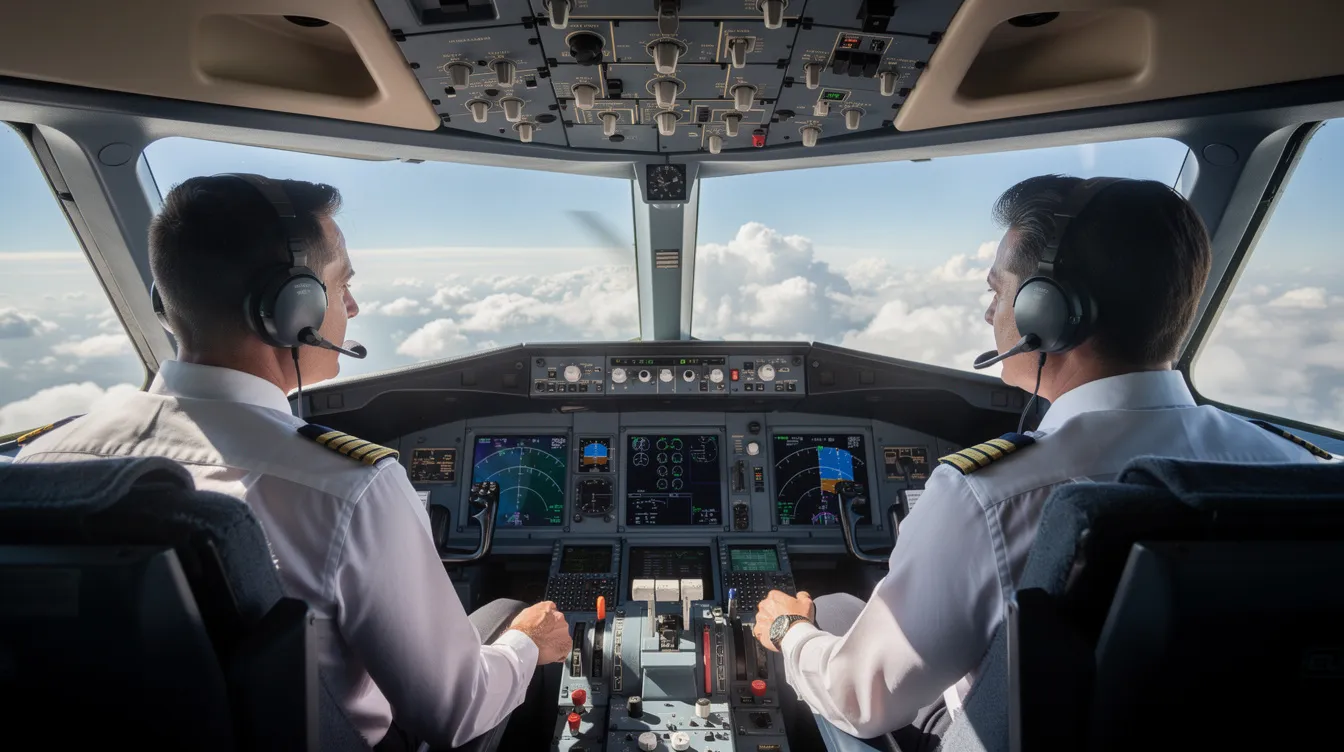
A co-pilot, formerly known as a first officer, is the second-in-command in the cockpit, and the salary of a co-pilot in 2026 typically starts around $70,000 to $90,000 at regional airlines, rises to roughly $100,000 to $155,000 at major airlines, and can exceed $200,000 on widebody aircraft with seniority. They share flying duties with the captain, handle navigation and communications, and can operate the aircraft under supervision. For aspiring pilots, working aviation professionals, and anyone comparing pilot career paths, those numbers shape decisions about training, debt, and long-term earning potential.
The numbers paint an encouraging picture. First-year regional co-pilots can earn $70,000 to $90,000, while first officers at major airlines can progress into the $150,000 to $220,000 range with experience and widebody aircraft assignments. Pilot salaries range from $85,000 to $450,000 annually across the industry, depending on role and seniority. The average salary for a co-pilot in the U.S. is around $130,916 per year when accounting for all airline types and experience levels.
It's important to distinguish between airline pilots at scheduled passenger carriers, cargo airlines, and charter or business aviation operators. Each sector has different pay structures, schedules, and career trajectories, and this guide breaks down salary ranges by airline type, compensation structure, career progression, the effect of seniority and aircraft type, private jet charter versus commercial airline pay, training costs, and the pilot job outlook through the 2030s. The Bureau of Labor Statistics reports a median annual salary for airline pilots of $226,600, but that is broader than the average airline pilot salary or a co-pilot's pay specifically, and average airline pilot salary figures can vary by state, employer, and cost of living. Many co-pilots also fly corporate jets or charter aircraft that travelers can book on-demand via digital platforms such as Jettly.
First officers earn $70,000 to $90,000 annually at regional airlines in their first year. At major airlines, most co-pilot salaries range between $100,000 and $155,000, with experienced pilots on widebody aircraft exceeding $200,000.
According to recent data from the Bureau of Labor Statistics, the median annual wage for airline pilots, copilots, and flight engineers is about $226,600.
Co-pilots typically sit below this median early in their career, while senior captains at major airlines can earn $450,000 or more.
Airline pilot pay is usually based on hourly pay multiplied by guaranteed credit hours each month, not a flat salary. Total compensation varies significantly by airline type, aircraft type, and seniority.
Co-pilots flying private jet charters and business aircraft can earn competitive pay, and platforms like Jettly connect travelers with professionally crewed flights across a global network of charter aircraft.
Demand for commercial pilots and airline pilots remains strong through the 2020s, reflecting strong demand from retirements and fleet expansion, which supports continued growth in co-pilot salaries.
Most airline pilot salaries, including those for co-pilots, are not structured as a single flat salary. Instead, pilots are paid hourly based on flight time or credit hours. Airlines guarantee a minimum number of monthly flight hours, typically 70 to 85 per month, so pilots receive that baseline pay even during lighter schedules.
Here's how base salary components typically break down:
Guaranteed minimum pay: Based on hourly pay multiplied by the monthly credit-hour guarantee (e.g., 75 hours × hourly rate)
Overtime and premium trip pay: Additional compensation for flying beyond the guarantee, night flying, early-morning departures, or international routes
Training pay: Compensation during simulator sessions and recurrent training, sometimes at a reduced rate
At many U.S. legacy airlines in 2026, first officer hourly rates fall in the $100 to $120 range for year-one hires, translating to roughly $105,000 to $115,000 annually before extras. At regionals, hourly rates start around $50 to $90 per hour, with total annual pay rising when bonuses are included.
Compensation packages for pilots often include per diem payments and bonuses, along with health, dental, and vision insurance. Most airlines also offer retirement plans with generous 401(k) matching, travel privileges for family members, and profit sharing at some carriers. In charter and business aviation, co-pilots may receive a more traditional annual salary plus day rates or per-leg compensation, especially on private jets booked through brokers and digital platforms that provide access to extensive fleets of private charter aircraft.
The airline tier affects salary levels for co-pilots significantly. Airline type is the single largest factor separating a $70,000 first-year paycheck from a $200,000 mid-career one.
Regional airlines feed passengers into hub airports and typically pay the least for first officers
Legacy major airlines (Delta Air Lines, American Airlines, United Airlines) offer the highest long-term earning potential
Low-cost and ultra-low-cost carriers fall in between, with some approaching legacy pay
Cargo airlines (FedEx, UPS) rank among the top-paying employers for pilots
Charter and corporate operators offer a different pay model with more variability
A first-year regional first officer might earn $75,000, while a mid-career major airline first officer on a widebody could clear $200,000 or more. A cargo first officer flying international widebody routes might earn $250,000. The range is enormous, and airline type affects salary more than almost any other variable.
Regional airlines like SkyWest, Envoy Air, and Republic Airways operate smaller regional jet and turboprop aircraft, connecting passengers to hub airports for major carriers. They are the most common entry point for new pilots beginning aviation careers.
First officers at regional airlines earn $70,000 to $90,000 annually in their first year, with some carriers offering base salaries closer to $80,000 to $90,000 plus signing bonuses. Pay has risen sharply since 2022, with many airlines pushing first-year total compensation (base plus bonuses and per diem) above $90,000 to $110,000.
Regional co-pilot hourly rates may start around $50 to $90 per hour after recent contract improvements. Pay rises quickly over the first three to five years as pilots gain seniority and flight hours. Additional incentives include:
Signing bonuses of $10,000 to $30,000 or more
Retention bonuses are paid annually
Tuition reimbursement and pathway programs for major airlines
Higher pay tiers for regional jet flying versus turboprops
Regional airline experience is still one of the most common stepping stones for first-year regional pilots aiming for higher airline pilot salary levels at major carriers. Many pilots spend two to four years at a regional before upgrading to regional captain or moving to a major airline.
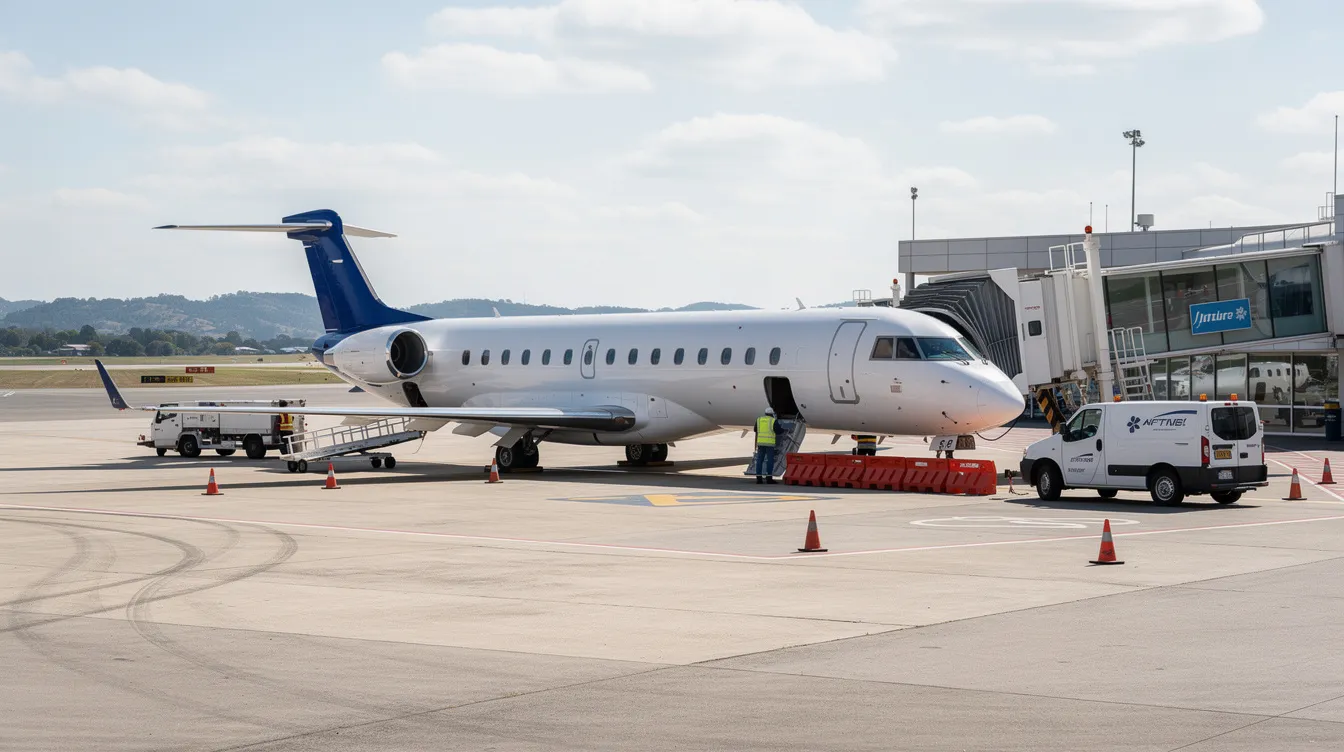
Legacy carriers serve as benchmarks for top-tier pilot pay. Delta Air Lines, American Airlines, and United Airlines have all negotiated contracts in recent years that significantly boosted first officer compensation. Major airlines offer higher salaries compared to regional airlines at every stage of a pilot's career.
According to 2026 salary data from industry sources, new-hire first officers on narrowbody aircraft at these carriers start around $105,000 to $115,000 in base salary. By years five to ten, first officers on narrowbody equipment may see base pay reach $170,000 to $200,000. Widebody international assignments push these numbers even higher.
Key factors driving pay at major carriers include:
Seniority: Pay tables are heavily tiered by year of service
Equipment: Widebody long-haul flying pays the most
Profit sharing: Delta, for example, distributes significant profit sharing to pilots
Retirement contributions: Some carriers offer 16% or more in 401(k) matching
A mid-career first officer at Delta Air Lines or American Airlines can earn a total compensation package (annual salary plus profit sharing and retirement contributions) that rivals many corporate executive roles. United Airlines pilots and Southwest Airlines pilots also see competitive pay under their respective contracts, with American Airlines pilots benefiting from recent contract improvements as well.
Low-cost carriers (LCCs) and ultra-low-cost carriers (ULCCs) like Southwest, JetBlue, Spirit, and Frontier operate with different business models, and their airline pilot salary structures reflect this.
Southwest Airlines pilots are notably well-compensated, with experienced first officers earning near legacy airline levels. Other ULCCs may start first officers lower, but many pilots still reach six-figure annual pay within a few years, depending on union contracts and fleet growth. Typical LCC first officer salary ranges fall between $90,000 and $180,000, depending on seniority.
One advantage at rapidly expanding low-cost airlines is faster upgrade times. Co-pilots at these carriers may move to captain in two to four years, which dramatically increases pay and long-term earnings. For many pilots working toward higher compensation, an LCC can offer a faster career path to the left seat.
Cargo airlines like FedEx, UPS, and Amazon Air are among the best-paying employers in commercial aviation. Cargo pilots, including first officers, consistently rank near the top for total compensation.
Entry-level first officers at cargo carriers commonly clear six figures even in their early years. Senior widebody cargo first officers often earn between $250,000 and $300,000 annually in base salary before per diem and extras. Average cargo pilot salaries typically fall in the $140,000 to $200,000 range across experience levels.
Several factors contribute to these high pay rates for cargo pilots:
Night flying premiums
International routes flown regularly
Strong union contracts
Widebody aircraft assignments
Cargo roles often require significant prior flight experience, meaning many co-pilots in this sector already have substantial flight hours from regional or charter work. The lifestyle is different from that of passenger airlines. Fewer passenger-facing duties and overnight schedules appeal to some pilots, while the strong airline pilot pay makes the trade-offs worthwhile for many pilots.
Charter and corporate aviation includes private jet charter companies, fractional ownership providers, and in-house flight departments for corporations and high-net-worth individuals. For co-pilots, this sector offers a distinct alternative to airline flying.
Typical 2026 co-pilot salary ranges in this segment fall roughly between $70,000 and $150,000 or more, depending on aircraft type (light jet versus large-cabin), schedule structure, and company size. Pay structures often include an annual base salary plus day rates or per-leg compensation.
Many private jet co-pilots fly business jets that travelers can book through digital platforms like Jettly, which connects clients to a global inventory of charter aircraft and reflects the broader charter airline landscape. These roles can be attractive for pilots who prefer smaller crews, varied destinations, closer interaction with clients, and the private aviation environment rather than large airline operations.
Co-pilot salaries vary significantly worldwide. Gulf carriers like Emirates and Qatar Airways often pay first officers total packages exceeding $150,000 to $250,000 USD equivalent, sometimes including tax-free income and housing allowances.
European and Asia-Pacific carriers pay experienced co-pilots salaries broadly comparable to U.S. legacy airlines, though benefits, tax treatment, and cost of living differ. In emerging markets, nominal USD salaries may appear lower, but purchasing power locally can be strong when factoring in housing and education allowances.
Private jet co-pilots working internationally, including those serving demand generated by Jettly-style marketplace platforms, may be compensated differently depending on local regulations and contract types, especially on routes where private jets fly internationally under varying regulatory and customs regimes. Commercial airlines in each region set pay based on local labor statistics and competitive pressures.
Co-pilot salaries vary by airline and experience level. The main variables that shape actual pay include:
Airline type: Major airlines and large cargo carriers pay more than regional airlines or smaller charter operators. Airline type affects salary; major airlines pay more than regional ones.
Aircraft type: Aircraft type influences a co-pilot's pay scale, with larger aircraft yielding higher pay. Co-pilots flying larger, long-haul aircraft generally earn more than those flying smaller planes.
Seniority: Pay rates increase with each year of service under most union contracts
Base location: High-cost hubs may have higher pay bands but also higher living expenses
Union contracts: Union contracts often dictate pilot pay scales and benefits, including annual raises, profit sharing, and retirement terms
Additional factors that can boost the salary of a co-pilot include language skills, instructor duties, check airman roles, and premium trip pay for holidays or undesirable schedules, particularly for pilots employed by Part 135 charter companies operating under commercial charter regulations. Monthly flight hours significantly affect pilot salary and compensation, as pilots who fly more hours above the guarantee earn proportionally more.
Seniority systems at major airlines determine schedules, equipment assignments, and pay scales. Experience level significantly influences pilot salary potential, and pay increases rapidly with years of service and flight hours.
The typical career path follows a predictable pattern:
Flight school and initial ratings
Time-building as a certified flight instructor or in entry-level commercial pilot roles
Regional first officer position (2 to 4 years)
Major airline first officer or lateral move to cargo or corporate aviation
Captain upgrade at the current airline
First officers must log 1,500 flight hours to qualify for airlines under federal law, which typically takes one to two years of instruction or light commercial flying. Once at a regional, earnings often double or triple within the first five to ten years as co-pilots move to major airlines or larger aircraft.
Even within the co-pilot rank, moving from a regional jet to a widebody at a major carrier transforms compensation. A junior first officer earning $80,000 at a regional might earn $180,000 as a mid-career first officer at a legacy carrier five years later.

Both positions are airline pilots, but captains hold final authority and receive higher pay to reflect their responsibilities. Captains earn more than co-pilots due to higher responsibilities, and captains typically have more flight hours than first officers.
At many airlines in 2026, captains may earn 40 to 80 percent more than first officers on the same aircraft type. Senior captains at major airlines can earn $450,000 or more, with a senior widebody captain at legacy or cargo carriers reaching $350,000 to $500,000 annually before bonuses or per diem. Co-pilots typically earn less than captains at every stage.
Faster upgrade times at some regional and low-cost carriers can boost total career earnings, since more years are spent at captain pay scales. That said, co-pilot roles are highly skilled, well-paying positions in their own right. Experienced pilots holding the first officer seat at a major airline or large charter operator still earn high six-figure incomes.
A realistic career roadmap from flight school to a senior first officer position looks something like this:
Flight instructor (years 1–2): Earning $35,000 to $60,000 while building flight hours toward airline minimums
Regional first officer (years 2–5): Starting pay around $70,000 to $90,000, rising to $90,000 to $110,000 with bonuses
Major airline first officer (years 5–10): Base salary of $110,000 to $200,000, depending on equipment
Senior first officer or captain (years 10+): $200,000 to $350,000 or more at majors and cargo
The salary of a co-pilot typically crosses $100,000 within a few years of airline employment in the current market. Choices like pursuing widebody qualifications, going to a cargo airline, or entering corporate aviation or other segments of the best private jet charter companies can significantly alter the earnings trajectory.
Under federal law, the FAA mandates a retirement age of 65 for airline pilots in the U.S. This shapes long-term career planning, as most pilots have a roughly 25- to 35-year flying career that can generate several million dollars in total pre-tax earnings.
Becoming an airline transport pilot requires a substantial investment. Flight school typically costs $80,000 to $150,000 or more for training through commercial and ATP ratings. This represents a significant financial commitment for new pilots entering flying careers.
Early-career co-pilot pay, especially at regional airlines, must be weighed against student loan payments, much like travelers must balance budget realities when seeking affordable luxury private jet flights. A regional first officer earning $80,000 and carrying $120,000 in training debt faces meaningful monthly obligations. However, many airlines now offer tuition reimbursement, signing bonuses of $20,000 or more, and pathway programs that ease the financial burden.
The math improves quickly. A co-pilot earning $80,000 in year one who progresses to $150,000 within five years can realistically pay down flight school loans while building savings. The long-term airline pilot salary potential, especially at major carriers where senior first officers earn $200,000 or more, makes the investment compelling for most aspiring commercial airline pilots.
Growing demand for on-demand private jet charter has opened additional career paths for co-pilots outside traditional airlines. Business aviation is expanding steadily, and platforms like Jettly aggregate thousands of charter aircraft globally, each operated by certified commercial pilots and first officers whose salaries are funded by charter revenue.
Co-pilots in this sector fly light jets, midsize jets, and large-cabin aircraft on high-frequency business routes, often serving clients who closely track how much a private jet costs for different trip profiles. Popular routes include New York to Miami, Los Angeles to Las Vegas, and Toronto to Vancouver. Pay can be competitive, especially on larger jets, and the work environment differs markedly from scheduled airline operations.
While some private jet co-pilot starting salaries may sit below legacy airline pay, the roles offer schedule flexibility, smaller crews, and exposure to high-end clientele. Readers curious about how private jet charter works can explore the operational model that supports these co-pilot positions and see how operators structure pricing in resources like Jettly’s guide on affordable private jet charter costs.
Here are four concrete scenarios illustrating how co-pilot earnings vary in 2026:
First-Year Regional First Officer:
A regional first officer at Envoy Air earns $65 per hour with a monthly guarantee of 76 credit hours. That translates to roughly $59,280 in annual base pay. Add a $20,000 signing bonus, per diem averaging $5,000 per year, and overtime, and actual pay lands around $85,000 to $90,000.
Third-Year LCC First Officer:
A JetBlue first officer in their third year earns $130 per hour with a 75-hour monthly guarantee. The annual base comes to approximately $117,000. With per diem and occasional premium trip assignments on holidays, total annual compensation reaches around $130,000.
Mid-Career Cargo First Officer:
A FedEx first officer with eight years of experience flying the Boeing 777 earns roughly $270 per hour. At 85 guaranteed monthly hours, that produces an annual base pay of about $275,400. Night premiums and international per diem push total compensation above $300,000.
Private Jet Co-Pilot on a Midsize Jet:
A co-pilot flying a Challenger 350 for a charter operator serving routes between New York, Los Angeles, London, and Dubai earns a $90,000 annual base salary plus $400 per day on duty days. Flying 180 duty days per year, total compensation reaches approximately $162,000. This operator's aircraft is bookable through marketplaces like Jettly.
While the salary of a co-pilot may cap below captain levels in any given year, total career earnings across 25 to 30 years in airline or charter roles can reach several million dollars. An average of $175,000 to $225,000 per year across a long career, accounting for progression from co-pilot to captain, can exceed $5 to $7 million in pre-tax earnings, not unlike the cumulative investment high-net-worth travelers make when they buy a seat on a private jet regularly over many years.
Pilots who reach senior captain positions at Delta Air Lines, American Airlines, or large cargo airlines can see individual peak years of $400,000 to $500,000, lifting lifetime averages. Even co-pilots who remain in the first officer seat enjoy strong six-figure earning potential at many airlines and charter operators later in their careers.
Smart financial planning matters. Experienced pilots should prioritize retirement savings, tax strategies, and lifestyle choices early, given the high income potential in aviation careers, just as travelers should choose wisely among the many options for getting a seat on a private jet to optimize value.
The working life of a co-pilot at a scheduled commercial airline differs substantially from that in a private jet charter or a corporate flight department.
|
Factor |
Commercial Airline |
Private Jet Charter |
|---|---|---|
|
Schedule |
Monthly bid lines, predictable |
On-demand, more irregular |
|
Airports |
Major hubs |
Smaller, non-hub airports |
|
Crew size |
Large pilot group |
Small team |
|
Pay ceiling |
Higher at majors/cargo |
Competitive on large-cabin jets |
|
Home time |
Seniority-dependent |
Often more flexible |
Some charter and corporate roles offer slightly lower headline salaries but offset this with more home time, different benefits, or location flexibility, similar to how fractional providers such as NetJets and its private aviation model trade schedule control for premium pricing. Jettly customers benefit from this diversity of operations, accessing aircraft crewed by experienced co-pilots from both airline and business aviation backgrounds, with platforms like Jettly positioning themselves as a NetJets alternative for flexible private flying. There is no single best path. Co-pilots should align career choices with preferred schedule, income goals, and flying style.
Digital private aviation platforms have changed how travelers book private jets, leading to more consistent aircraft utilization for operators and more stable work for co-pilots, especially when paired with tools like an airport locator for private jet flights that simplify trip planning. Jettly's marketplace model connects clients to over 20,000 aircraft globally, each staffed by qualified commercial pilots and first officers whose compensation is tied to aircraft usage and charter demand.
Greater transparency and instant pricing on platforms like Jettly help operators plan better, which can support competitive salaries and predictable schedules for co-pilots in the charter segment, while membership-based models such as private jet memberships can further stabilize demand. While Jettly focuses on customer-facing charter services, its growth reflects broader demand trends that positively affect employment and pay for co-pilots in private aviation.
Readers interested in the private side of the industry can see how charter operations are structured by exploring Jettly's flight options and pricing or using tools such as a jet card flight cost estimator to understand typical route pricing.
The Bureau of Labor Statistics projects around 6 percent employment growth for airline pilots, co-pilots, and flight engineers through 2032, supported in part by growing demand from frequent flyers who use structured solutions like jet card programs for private jet travel. Mandatory retirements under the FAA's age-65 rule, fleet expansion, and growth in both commercial airlines and private jet charter all contribute to sustained hiring needs.
Pilot shortages have led to increased first officer wages recently, with many airlines raising starting pay and offering bonuses to attract and retain co-pilots, while demand for private flights on routes such as private jet charters to Chennai continues to expand the overall market. Pilot salaries have risen due to increased demand and retirements across the industry. While economic cycles and fuel prices can cause temporary slowdowns, long-term trends since the early 2020s show strong demand for airline pilots overall, reflecting strong demand that is expected to continue, including growth in specialist markets like private jet charter in Kolkata.
Aspiring co-pilots should focus on high-quality training, flexible career planning, and careful selection of employer type to maximize salary growth and job stability, whether they aim for major airlines or busy private jet hubs such as New Delhi for charter flights. The rewarding career of a commercial pilot continues to deliver strong financial rewards alongside the satisfaction of flight.

Below are answers to common questions about co-pilot compensation that go beyond the main topics covered above.
Most pilots pay out-of-pocket or through loans for initial flight school and are not paid as co-pilots until hired by an airline or operator. However, some airlines offer cadet programs or tuition assistance once candidates reach certain training milestones, partially offsetting costs before employment begins.
Once hired as a first officer, pilots are typically paid during type rating training and initial operating experience, although this may be at a reduced rate compared with full line flying. Many pilots also earn income as certified flight instructors while building hours toward the 1,500 total required for an airline transport pilot certificate, effectively offsetting training costs before moving into co-pilot roles.
Most airline first officers are full-time employees with schedules based on monthly bids, but some carriers and charter operators offer reduced schedules or flexible contracts. Fewer credit hours lead directly to lower total annual income, though hourly rates remain the same under union contracts or company policies.
Part-time arrangements are more common in business aviation, corporate flight departments, and on-demand charter than at large scheduled airlines. Pilots working reduced schedules should expect proportionally reduced annual pay, which is an important consideration when evaluating salary data for co-pilots.
Pilots trained outside the U.S. or EU typically need to convert their licenses to FAA or EASA standards before being hired by airlines in those regions. This conversion can involve additional exams, flight checks, and associated costs.
Once hired, co-pilot salaries are usually based on the airline's standard pay scale, not on where the pilot trained. A converted license does not usually reduce pay. However, visa and work-permit rules can be a bigger obstacle than licensing when it comes to working as a co-pilot in high-paying markets such as the U.S., the UK, or the Gulf region.
Long-haul international flying is typically associated with larger aircraft and higher hourly rates, so co-pilots on widebodies generally earn more than those on a regional jet or narrowbody aircraft. Routes flown matter significantly in determining total compensation.
Additional pay elements such as international overrides, night-duty pay, and higher per diem rates further boost income on long-haul routes. However, lifestyle trade-offs, including jet lag and longer time away from home, are important considerations when pursuing these higher-paying assignments.
Early-career private jet co-pilots may earn salaries similar to or slightly below those at regional airlines, while experienced co-pilots on large-cabin jets can rival or exceed some airline first officer roles. Commercial pilots earn higher ceiling pay at legacy or cargo carriers due to widebody captain progressions, but charter and corporate careers can compete when factoring in schedule, home-basing, and lifestyle.
Digital charter platforms like Jettly help keep aircraft busy, which supports stable, well-compensated positions for co-pilots in private aviation over many years, especially when they enable travelers to crowdsource private jet flights and share empty seats. The choice between airline and charter often comes down to personal priorities rather than a clear financial winner.
The salary of a co-pilot in 2026 demonstrates a strong earning potential that grows significantly with experience, seniority, and the type of airline or operator. Starting salaries at regional airlines provide a solid foundation, while major carriers, cargo airlines, and private jet charter operators offer substantial pay increases as pilots advance. Although flight training requires a significant investment, the long-term financial rewards and career stability make becoming a co-pilot a compelling choice for aspiring aviators.
Platforms like Jettly highlight the expanding opportunities in private aviation, where co-pilots can find competitive compensation and diverse flying experiences. With ongoing pilot demand through the 2030s, the outlook remains positive for co-pilots seeking both commercial and private sector careers.
For those passionate about flying and ready to invest in their training, the co-pilot role offers not only a rewarding profession but also a financially viable path. Explore private flight options or request a personalized quote to begin your journey with Jettly today at https://www.jettly.com.
Share this post:
Jay Franco Serevilla
Jul 7, 2026
|
5
min read
Discover tips and trends in the industry.
5
min read
Jet Market Outlook: Private Jet Demand, Regional Growth, and Charter Opportunities
The private jet market is experiencing significant growth, projected to rise from USD 25.5 billion in 2024 to USD 38.25 billion by 2033. Key drivers include increasing demand from high-net-worth individuals, technological advancements, and a shift towards charter services over ownership. Jettly offers a flexible platform for travelers to access a vast network of private jets, catering to the evolving needs of business and leisure travelers.
Read More
5
min read
Jet It Cost: What Private Jet Travel Really Costs in 2026
In 2026, private jet rental costs range from $2,000 to $24,000 per flight hour, influenced by aircraft type and route. This guide provides insights into hourly rates, hidden fees, and cost-saving strategies, helping travelers choose the best access model for their needs. Jettly's digital marketplace offers instant pricing and transparency for private jet bookings.
Read MoreStay updated with our latest insights and tips to elevate your journey with us.
MEMBERSHIPS AND ASSOCIATIONS



Disclaimer: Jettly operates as a charter broker, offering access to a global digital jet charter marketplace. Jettly is not a direct air carrier and does not own or operate aircraft. All advertised flights are conducted by third-party air carriers that are fully licensed and hold the appropriate Part 135 or Part 121 certifications issued by the Federal Aviation Administration (FAA) or equivalent regulatory authorities under U.S. or foreign law. Jettly complies fully with the U.S. Department of Transportation's Part 295 and Part 298 Charter Broker regulations. Jettly does not carry additional liability insurance. Passengers are covered by aircraft operator insurance. TICO: 50023770


