



Login
Get Instant Pricing On 23,000+ Aircraft

>
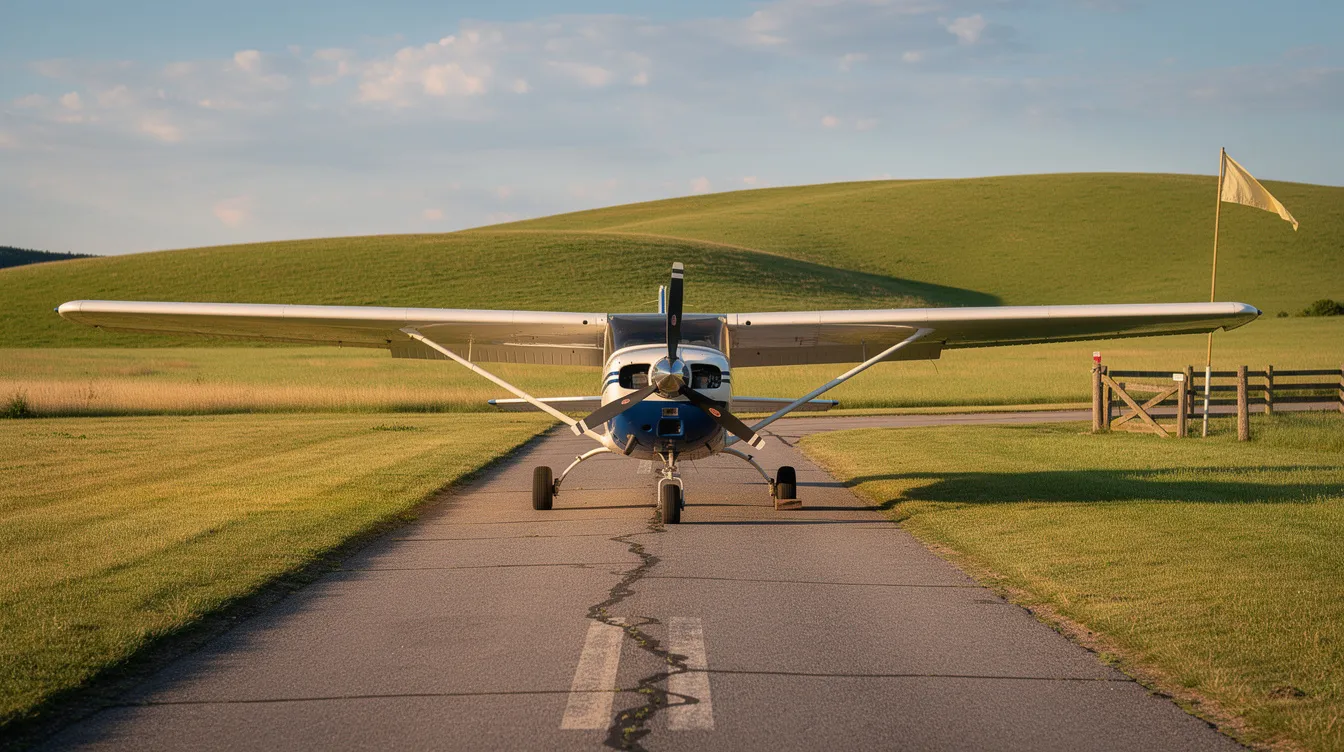
A single-engine plane - powered by one piston or turboprop engine driving a propeller - remains the foundation of general aviation in 2026. From training flights to regional business hops, these aircraft offer a unique blend of efficiency, affordability, and flexibility that keeps them relevant for pilots and travelers alike.
A single-engine plane is any fixed-wing aircraft with one engine, spanning basic trainers to pressurized turboprops. In 2026, they still account for the majority of general aviation flight hours in the United States, serving roles from flight training to personal travel and regional business transport.
Modern piston singles like the Cirrus SR22T, Diamond DA50 RG, and Cessna 172 deliver cruise speed figures from roughly 120 to 220 knots and ranges up to about 1,100 nautical miles. Single-engine aircraft generally consume less fuel and have lower maintenance costs than multi-engine alternatives.
Annual ownership costs for a typical single-engine piston aircraft commonly run $20,000–$40,000+ once hangar fees, insurance, maintenance, fuel, and engine reserves are factored in - and can climb higher for more complex airframes.
For many private owners flying 20–60 hours per year, chartering via a platform like Jettly often makes more sense financially than full ownership, eliminating capital outlay, hangar obligations, and maintenance scheduling.
Jettly offers on-demand access to piston singles, turboprops, and private jets worldwide. Explore options at Jettly.com.
A single-engine plane is an aircraft with one engine - either a piston engine burning avgas or a turboprop - turning a propeller. They typically feature simpler operational systems, making them easier to fly than multi-engine alternatives. Single-engine planes are common in general aviation for their efficiency and affordability.
Two broad classes exist within single-engine aircraft:
Piston singles (e.g., Cessna 172, Piper Archer, Cirrus SR20): usually unpressurized, optimized for altitudes below 12,000–15,000 feet, cruise speeds between 110–160 knots, and acquisition costs in the low-to-mid hundreds of thousands.
Single-engine turboprops (e.g., Pilatus PC-12 NGX, TBM 960, Piper M600 SLS): pressurized cabins, cruise speeds of 250–300+ knots, service ceilings above 30,000 feet, and higher acquisition and operating costs.
Common missions in 2026 include flight training for private and instrument ratings, weekend trips under 500–700 nm, regional business hops under 1,000 nm, and light cargo or utility work. Typical cruise speeds range from 110 to 220 knots. Range spans 400–1,200 nm depending on fuel capacity and power settings. Seating fits 2–6 passengers depending on the model.
High-performance aircraft like the Cirrus SR22T and Diamond DA50 RG can feel private jet–like on shorter legs - but with dramatically lower ownership costs than an actual private jet.
Not all single-engine planes are alike. They span from basic two-seat trainers to pressurized aircraft and turboprops capable of flying above weather. Operational simplicity at the trainer level transitions to cutting-edge features and greater speed as pilots move up the performance ladder.
Key categories include:
Basic trainers (Cessna 152/172, Piper Warrior): 110–130 knots cruise, 400–700 nm range. These are the workhorses of flight schools, chosen for docile handling and low operating costs.
Step-up touring aircraft (Piper Archer, Diamond DA40): 130–150 knots, improved avionics, and enhanced comfort for personal travel and instrument training.
High-performance piston singles (Cirrus SR22/SR22T, Beechcraft Bonanza G36, Mooney Acclaim Ultra, Diamond DA50 RG): 180–220+ knots, retractable gear on some models, high-resolution displays, and advanced safety features. These serve owner pilots who fly frequent cross-country missions. The Piper M350 stands out as the only pressurized aircraft in its piston single category.
Single-engine turboprops (TBM 960, Pilatus PC-12 NGX, Piper M600 SLS): 250–300+ knots, significant payload capacity, pressurized cabins, and the capability to access shorter runways. The Cessna T206 Turbo Stationair HD - known as the "SUV of the skies" - also fills heavy-lift utility roles.
Cirrus aircraft and TBM models represent leading high-performance options for private owners and pilots seeking efficient performance paired with modern avionics. Mission profile and pilot experience drive the transition path - from trainer to high-performance single and potentially later to a light jet or turboprop charter.
Buyers and charter users gravitate toward proven airframes with long production histories and strong parts support. Models like the Cessna 172S Skyhawk, Cirrus SR20/SR22, Piper PA-28 family, Diamond DA40/DA50, and Cessna 182/206 dominate flight schools, private owners, and utility operators. The Cessna 172S Skyhawk remains the most popular training aircraft worldwide.
Current 2025–2026 used price ranges reflect high demand for quality single-engine piston airplanes:
|
Model |
Typical Used Price |
Notes |
|---|---|---|
|
Cessna 172S (mid-2000s) |
$150,000–$250,000 |
Standard trainer, strong parts network |
|
Cirrus SR22 G6/G7 |
$500,000–$900,000 |
Top-tier piston performance, CAPS equipped |
|
Diamond DA40 NG |
$400,000–$500,000+ |
Modern glass panel, impressive fuel efficiency |
|
Piper Warrior/Archer |
$80,000–$150,000 |
Affordable entry-level step-up |
|
Cessna 182 Skylane |
$150,000–$350,000 |
Greater useful load, rugged versatility |
A key 2024 milestone: the Diamond DA50 RG entered the U.S. market after receiving FAA certification, establishing itself as a leading high-performance piston single with a low-wing design. The average total time of a single-engine piston aircraft currently on the market sits around 1,598 hours, reflecting a mix of newer and legacy airframes.
Many of these models are also available in charter fleets, so travelers can experience them through platforms like Jettly before deciding whether ownership makes more sense or even explore buying a seat on a private jet when a larger aircraft is better suited to the trip.
Raw top-speed numbers look good in marketing materials but mean little in flight planning. What matters is understanding real-world cruise speed, range, and useful load together - this unique combination determines what an aircraft actually delivers on a given mission.
Cruise speed (KTAS) is the speed flown during cross-country phases. Practical examples:
Cessna 172: ~120–130 knots true airspeed
Cessna 182 Skylane: ~145 knots (aviatize.com)
Cirrus SR22T: approximately 213 knots - one of the fastest piston singles flying
Pilatus PC-12 NGX: ~285 knots
Range with reserves determines how far a pilot can fly before refueling. The Cirrus SR22T has a range exceeding 1,000 nautical miles under economy cruise settings. A Piper Archer typically manages 700–900 nm. A Beechcraft Bonanza G36 stretches to 800–1,100 nm depending on configuration. Single-engine planes are ideal for personal trips under 1,000 nautical miles.
Useful load drives the payload-vs-fuel trade-off. The Cirrus SR22T carries about 1,238 lbs of useful load. The Cessna 206 Stationair has a useful load of over 1,500 lbs, making it a top choice for utility and cargo roles. At full fuel, piston performance often requires trade-offs in passenger or baggage weight. They have lower payload capacities and range compared to multi-engine aircraft, but for most pilots on regional missions, a well-loaded piston single covers the job.
Vne (never-exceed speed) is a structural safety limit, not a cruise target. Writers and buyers should avoid treating it as a practical performance number.

Acquisition is only part of the picture. Ongoing annual expenses for a single-engine plane often exceed what first-time aircraft owners expect.
For a 180–230 hp piston single (Cessna 172, Piper Archer), typical 2025–2026 annual cost components include:
|
Cost Category |
Annual Range |
|---|---|
|
Hangar or tie-down |
$3,000–$8,000 |
|
Insurance |
$2,000–$8,000+ |
|
Annual inspections |
$2,000–$6,000 |
|
Routine maintenance |
$3,000–$10,000 |
|
Fuel (100 hrs at 9–12 gph) |
$5,000–$8,500 |
|
Engine overhaul reserve |
$3,000–$6,000/yr |
|
Avionics subscriptions |
$500–$1,500 |
Engine overhauls typically cost $30,000 to $60,000 per cycle, and most owners set aside annual reserves to spread that cost. Over a 10-year ownership period, total cost - including upgrades like ADS-B compliance, paint, or a new glass panel - often doubles or exceeds the initial purchase price. Annual ownership costs range from $20,000 to $40,000+ for a standard piston single.
Contrast this with trip-based charter through Jettly, where travelers pay only for flight hours and optional services and can use a private jet charter cost estimator to forecast expenses in advance or consult guides that break down one private charter flight cost by aircraft category. Hourly rates for chartering a small piston aircraft run roughly $300–$600, with no capital outlay, no maintenance risk, and no hangar bills collecting dust during months the aircraft sits idle.
The decision hinges on annual flight hours, schedule control, and appetite for managing an aircraft asset. Ownership allows flying on your own schedule and customizing usage - but the economics only work at sufficient volume.
Ownership typically makes more sense when:
A pilot flies 100–150+ hours per year
The aircraft is configured to specific preferences (avionics, interior, paint)
Frequent trips connect smaller airports not served by commercial airlines
The plane doubles as a business tool with potential tax advantages
Building time toward advanced ratings or a commercial certificate is the goal
Owning a single-engine plane provides convenience and operational flexibility for pilots seeking regular access without scheduling constraints.
Charter or membership models work better when:
Annual flying stays in the 20–60 hour range
The priority is point-to-point transportation rather than the aviation journey itself
Predictable, variable trip-based costs are preferred over ongoing fixed expenses
Travelers want to match aircraft type to each mission - a piston single for a short hop, a turboprop or private jet for longer legs
A practical path: estimate realistic annual usage, compare fixed vs variable costs, and consider a trial period using charter, flight clubs, or other affordable aeroplane rental options before committing to a purchase, while also exploring strategies for getting a seat on a private jet easily when missions outgrow a piston single. This approach can save money and clarify true needs.
Safety in a single-engine plane is driven primarily by pilot training, maintenance quality, and modern avionics - not engine count alone. About 70% of general aviation accidents stem from pilot-induced factors such as loss of control, weather-related decisions, and navigational errors.
Single-engine planes have no engine redundancy; an engine failure requires immediate landing planning. However, engine failures occur roughly once per 10,000 flight hours, and modern single-engine aircraft often feature advanced avionics and safety systems that significantly mitigate risk.
ADS-B Out compliance became mandatory in U.S. controlled airspace in 2020. By 2026, most active single-engine fleets carry ADS-B Out, with many also equipped for ADS-B In traffic and weather awareness on touchscreen controllers and high-resolution displays.
Popular avionics suites include:
Garmin G1000 NXi in Cessna 172/182/206 and Diamond DA40
Cirrus Perspective+ with synthetic vision in SR20/SR22 models
Advanced Garmin/Honeywell suites in turboprops like TBM 960 and PC-12 NGX
Notable safety technologies add an extra layer of protection: autopilots with envelope protection, terrain and traffic awareness, and systems like the Cirrus CAPS parachute - which has demonstrated over 90% success rates in real-world activations. Garmin's Safe Return Autoland, available on current Cirrus SR20 G7+ and select Piper M600 SLS models, can autonomously land the aircraft if the pilot becomes incapacitated.
Single-engine piston airplanes are multi-role tools: training platforms, personal travel machines, and business transportation assets. Single-engine planes are used for personal travel, business trips, and recreational flying across thousands of airports. Many student pilots earn licenses in single-engine aircraft because they are easier to manage.
Training: Flight schools rely on models like the Cessna 172S, Piper Warrior, and Diamond DA40 for Private and Instrument training. Predictable fuel burn, legendary durability, and strong parts support keep per-hour costs manageable.
Business: An owner-pilot in 2026 might use a Cirrus SR22T or Beechcraft Bonanza G36 for same-day round trips - Dallas to Houston or Munich to Geneva - avoiding overnight hotel stays and commercial scheduling. Single-engine aircraft can operate from smaller airports and shorter runways, opening access to thousands of fields that commercial carriers ignore.
Leisure: Families use a piston single for weekend ski or beach trips. Backcountry pilots load a Cessna 182 or 206 for short strips and remote destinations. The flying experience in a well-equipped modern single is remarkably comfortable for 2–4 passengers on legs under 500 nm.
For trips requiring more passengers, long distance travel, or stricter schedules, stepping up to a turboprop or private jet via charter delivers higher cruise speed, enhanced comfort, and greater overall utilization, and many travelers start by reviewing the cheapest private aircraft options across single-engine planes, turboprops, and light jets, comparing the best private jet charter companies, or consulting a comprehensive list of charter airlines before choosing a provider.

Jettly is a digital private aviation platform connecting travelers with 20,000+ aircraft worldwide, including many single-engine piston aircraft, turboprops, and private jets, giving customers access to a broad range of private charter aircraft and positioning itself as a flexible NetJets alternative for flying private. Regulatory oversight differs for charter operators under FAA Part 135, which imposes stricter maintenance and crew standards than private ownership under Part 91.
The on-demand charter process is straightforward:
Search or request a quote online
Receive instant or rapid pricing across aircraft options
Compare two aircraft or more - piston single vs Pilatus PC-12 vs light jet
Confirm booking digitally
Typical single-engine missions flown via Jettly include regional business hops between secondary airports, same-day site visits, family weekend getaways, and access to runways too short for larger jets, often planned with the help of an airport locator tool to identify the most convenient fields, streamlined through private jet membership plans that simplify repeat booking, or made more affordable via crowdsourced and shared private jet flights that fill empty seats.
Benefits vs ownership are clear: no hangar, insurance, or annual inspections to manage. Variable trip-based pricing means travelers only pay for what they use. And instead of being locked into one aircraft type, each mission can be matched to the right aircraft - a cost-effective piston single for a 200 nm hop or a turboprop for a 600 nm leg.
Learn more about Jettly's charter options at jettly.com and compare single-engine, turboprop, and jet solutions for your next trip.
Piston singles and turboprops excel for 2–5 passengers on regional routes. Private jets shine on longer legs, higher altitudes, and tighter schedules. The choice depends on mission distance, passenger count, and time sensitivity.
High-performance piston aircraft like the Cirrus SR22T, Diamond DA50 RG, and Piper M350 offer cruise speeds above 200 knots and ranges approaching 1,000 nm - but they still trail light jets in cabin altitude comfort and greater speed above FL250.
Single-engine turboprops bridge the gap. The TBM 960, Pilatus PC-12 NGX, and Piper M600 SLS provide near light-jet-efficient performance for 4–8 passengers with lower fuel burn and the ability to use shorter runways. A Cessna Caravan fills utility and regional shuttle roles with impressive fuel efficiency relative to its cabin size, sitting alongside well-known private plane manufacturers like Textron, Pilatus, and others that dominate this market segment, including large fractional operators such as NetJets, the industry leader in private aviation.
Concrete examples:
PC-12 or TBM for New York–Nashville or Paris–Ibiza (600–900 nm): turboprop speed and comfort at a fraction of jet cost
Light jet for New York–Miami or London–Nice (1,000+ nm nonstop): higher cruise speed, pressurized cabin comfort, and no fuel stops
Jettly allows travelers to choose case-by-case: a cost-effective piston single or turboprop for shorter trips and a private jet for longer or time-critical missions, while tools that explain one private flight cost in detail and a dedicated jet card flight cost estimator help clarify the trade-offs between aircraft categories.
Aircraft ownership carries genuine emotional appeal - the freedom of flight on demand, the satisfaction of maintaining a machine, the community. But it also demands financial commitment and time.
Ownership makes more sense when:
Flying 150+ hours per year
Controlling equipment configuration matters (specific avionics, interior, maintenance history)
The aircraft serves as a business tool with documented tax benefits
The hobby and community aspects are part of the aviation journey
Charter, fractional access, or a flying club is likely better when:
Flying 20–80 hours per year
Schedules are unpredictable
Turnkey travel is preferred over managing damage history reviews, hidden issues, and maintenance scheduling
Capital preservation matters more than pride of ownership
Think beyond acquisition price. Factor in depreciation, upgrade cycles (ADS-B, glass cockpits), and engine overhauls over a 10–15 year horizon. A single engine plane worth $350,000 today may require $200,000+ in upkeep over a decade.
A practical choice for many: use Jettly or similar charter access for one or two years to clarify mission profile and aircraft preferences before committing to buying a piston single or high performance aircraft, especially after understanding how much a private jet really costs to own or operate, whether fractional jet ownership might be a better fit, or if structured solutions like jet card programs align better with expected usage.
These questions cover practical topics not fully addressed above, aimed at prospective owners and charter users.
Single-engine piston planes can legally fly at night and over water under VFR or IFR, provided the pilot holds the appropriate ratings and the aircraft meets equipment requirements. However, with one engine, there is no engine redundancy - meaning an engine failure requires immediate landing planning. For extended over-water flights or frequent night operations, many pilots prefer a single-engine turboprop or twin for the added safety margin. Insurance premiums also reflect this: night and over-water operations in piston singles typically carry higher rates.
Licensed pilots may use chartered aircraft with a certified flight instructor aboard to log dual instruction time. However, initial flight training - for a Private Pilot certificate - typically happens at dedicated flight schools using their own aircraft fleet under Part 61 or Part 141 programs. Jettly's charter fleet operates under Part 135, so it best serves rated pilots exploring new aircraft types or building cross-country experience.
Hourly charter rates for single-engine piston aircraft generally fall between $300–$600/hour. A 300–500 nm trip in a piston single cruising at 150 knots would take roughly 2–3.5 hours, putting total flight cost in the $600–$2,100 range before landing fees and positioning charges. Turboprop charter rates run $1,000–$2,000/hour for faster options, and dedicated guides to affordable private jet charter pricing can help benchmark these figures against light and midsize jets.
Most piston singles carry enough fuel for 400–900 nm with legal reserves, depending on fuel capacity, power settings, and weight. High-performance models like the Cirrus SR22T can exceed 1,000 nm at economy cruise. Turboprops like the PC-12 NGX extend that to roughly 1,800 nm - making them practical for nonstop long-distance travel across continents.
Jettly's network includes piston singles like the Cirrus SR22, Cessna 182, and Beechcraft Bonanza, along with single-engine turboprops such as the Pilatus PC-12 and TBM series. Each aircraft offers a different balance of speed, range, and cabin size. Travelers can compare options and select the aircraft type that best fits their route and budget.
Single-engine piston and turboprop aircraft offer a practical balance of fuel efficiency, cruise speed, and flexibility for training, personal, and business flying. They remain the most accessible entry point into private aviation - whether through ownership or on-demand charter.
The core trade-offs are clear: ownership costs and responsibilities on one side, convenience and flexibility of charter on the other. Modern safety technology, ADS-B compliance, and advanced avionics - including synthetic vision and autoland systems - make today's single-engine fleet more capable and reassuring than ever for regional missions.
For pilots and travelers ready to explore both paths, Jettly provides a low-commitment way to experience private aviation before deciding on ownership. Compare single-engine, turboprop, and jet charter options or request instant pricing at jettly.com.
Ready to experience private travel on your terms? Explore flight options or request a quote at https://www.jettly.com.
Share this post:
Jay Franco Serevilla
Jul 15, 2026
|
5
min read
Discover tips and trends in the industry.
5
min read
Dallas Helicopter Ride and Dinner: How to Plan an Unforgettable Night in the Sky
Experience the magic of Dallas from above with a helicopter ride followed by a delightful dinner. This unique package offers breathtaking views of the city skyline, making it perfect for romantic evenings or special celebrations. With options for custom routes and dining experiences, planning an unforgettable night in the sky has never been easier.
Read More
5
min read
Zimex Aviation: Specialist Missions, Fleet, and Career Opportunities
Zimex Aviation, established in 1969, specializes in flying to remote and challenging environments where conventional airlines often cannot operate. With a diverse fleet of turboprop aircraft, Zimex provides essential services such as oil and gas logistics, humanitarian airlift, and express cargo. The company emphasizes safety and operational excellence, making it a key player in the global logistics and humanitarian support sectors.
Read MoreStay updated with our latest insights and tips to elevate your journey with us.
MEMBERSHIPS AND ASSOCIATIONS



Disclaimer: Jettly operates as a charter broker, offering access to a global digital jet charter marketplace. Jettly is not a direct air carrier and does not own or operate aircraft. All advertised flights are conducted by third-party air carriers that are fully licensed and hold the appropriate Part 135 or Part 121 certifications issued by the Federal Aviation Administration (FAA) or equivalent regulatory authorities under U.S. or foreign law. Jettly complies fully with the U.S. Department of Transportation's Part 295 and Part 298 Charter Broker regulations. Jettly does not carry additional liability insurance. Passengers are covered by aircraft operator insurance. TICO: 50023770


