



Login
Get Instant Pricing On 23,000+ Aircraft

>
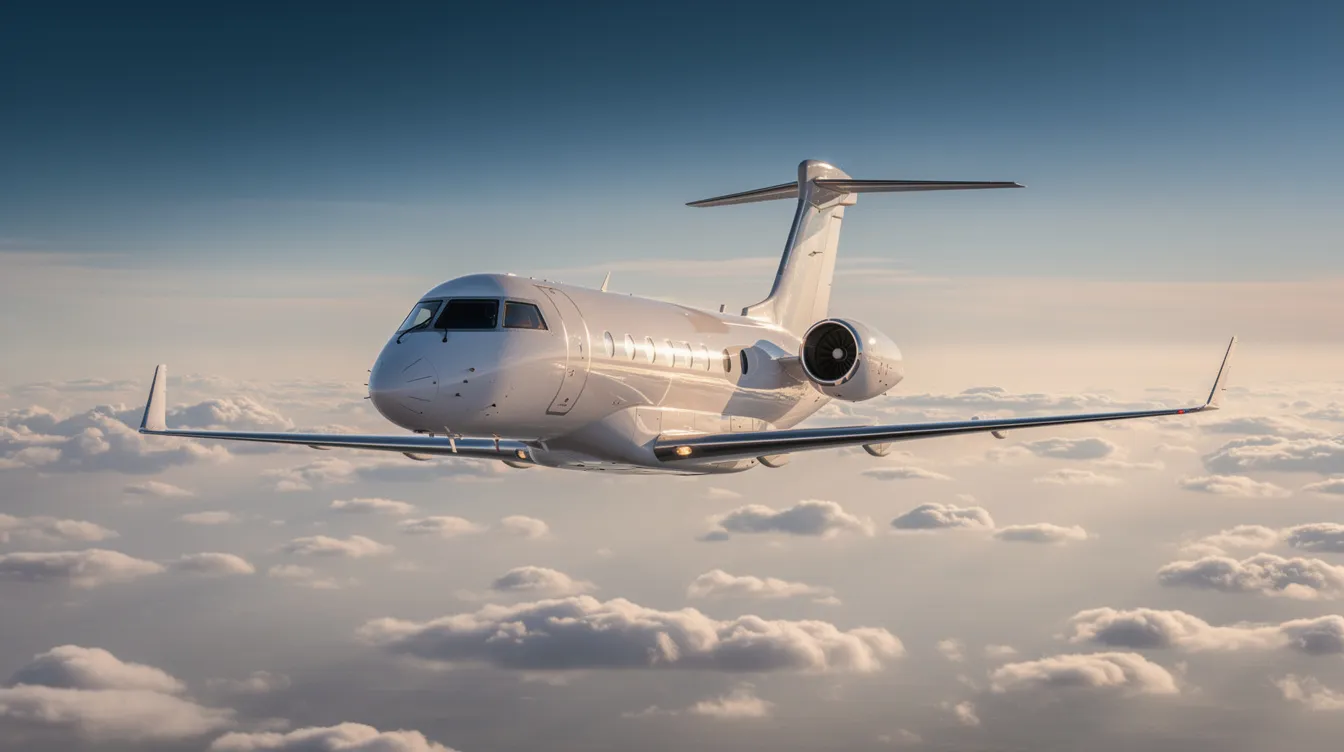
The Westwind 2, also called the Westwind II, is a midsize twin-engine business jet developed by Israel Aircraft Industries (IAI) starting in 1980 from the Jet Commander program, which IAI acquired in 1968. The aircraft typically accommodates 7 to 10 passengers in its cabin, powered by two Honeywell TFE731-3-1G turbofan engines. It features a redesigned "Sigma" wing and distinctive winglets that enhance aerodynamic efficiency, range, and fuel economy. With a maximum range of 2,900 nautical miles when equipped with auxiliary tanks, the Westwind II offers transcontinental capability, cruising at speeds up to 436 knots and operating efficiently from high-elevation airports thanks to its improved performance. Its service ceiling reaches 45,000 feet, and the maximum takeoff weight is 23,500 lbs.
For business and leisure travelers—especially frequent flyers, corporate executives, and high-net-worth individuals comparing flexible private charter options—this guide explains what the aircraft offers, how Westwind II charters fit into Jettly’s on-demand booking platform, and when it can be a practical choice for medium-haul trips without the cost or commitment of ownership. The Westwind II is recognized for its adaptability to both leisure and business travel demands and is used in private charters as well as aeromedical missions due to its low-slung fuselage, which allows easy patient loading. Travel professionals and influencers can also monetize this interest through Jettly’s ULTRA high ticket affiliate program, earning commissions when clients book flights or memberships.
The Westwind 2 name also appears in a very different context: a beachfront resort in Nassau. To make the search intent clear, this guide covers both the aircraft’s history, design, performance, cabin, and charter use, as well as the unrelated Westwind II Club resort, so readers can quickly sort out which “Westwind 2” fits their trip planning.
The Westwind II (IAI 1124A) traces its lineage back to the Aero Commander Jet Commander. IAI acquired the original Jet Commander design in 1968, then introduced the Westwind II around 1980 with redesigned wings, added winglets, and efficient Honeywell TFE731 turbofan engines. IAI built its last Westwind in 1987 after producing 442 units across the series.
The aircraft typically seats 7 to 10 passengers in a comfortable club layout, cruises at up to 436 knots, and features a range of 2,500 nautical miles with reserves, extending to 2,900 nautical miles with auxiliary tanks, making it a solid choice for medium-haul private jet charter missions.
The Westwind II offers about 49 cubic feet of baggage capacity for passenger convenience, with a cabin measuring 4.9 feet high, 4.8 feet wide, and 15.9 feet long.
The Westwind II Club in Nassau is a separate concept entirely: a beachfront resort near Cable Beach, often used by private travelers combining business flights with a Bahamas holiday.
Jettly provides access to Westwind II and comparable midsize jets on-demand, with instant pricing and transparent cost breakdowns. Travelers can also explore structured solutions such as world-class corporate jet card programs alongside on-demand charter. Explore flight options at Jettly.
The story starts in 1963, when the Aero Commander 1121 Jet Commander first flew as an American twin-engine business jet powered by General Electric CJ610 turbojets. After Rockwell acquired Aero Commander and faced antitrust pressure, the program changed hands. Israel Aircraft Industries (IAI) bought the Jet Commander rights, tooling, and production line in 1968, long before today’s larger charter workhorses like the Boeing 737-800 redefined short-haul group travel.
IAI wasted no time attempting improvements. The company stretched the fuselage, raised the maximum takeoff weight to 23,500 lbs, and added tip tanks, drooped leading edges, and double-slotted flaps. These modifications sharpened low-speed handling and increased payload capacity. The result was the IAI 1123 Westwind.
The bigger leap came with replacing the original CJ610 turbojets with Garrett (now Honeywell) TFE731 turbofan engines. The new powerplants cut fuel burn, lowered noise, and extended range while improving climb performance at altitude, putting the Westwind line closer in efficiency to smaller options like the Cessna 340 for certain regional missions.
IAI produced the Westwind II starting in 1980 as the model 1124A. This variant introduced a redesigned Sigma wing center-section and winglets on the tip tanks, which reduced drag and boosted cruise efficiency—key considerations when comparing the best cross-country planes for travel. The Westwind II replaced earlier variants in production. Total output across the Jet Commander and Westwind series reached 442 airframes before IAI delivered the final aircraft in 1987 and shifted focus to newer designs like the Astra (later the Gulfstream G100).
To clarify naming: "Westwind 2" and "Westwind II" both refer to the 1124A variant. The Westwind II Club, however, is unrelated to the aircraft. It is a resort property in the Bahamas.
The Westwind II is a midsize, twin-engine business aircraft optimized for medium-haul sectors between roughly 1,000 and 2,500 NM. Its design balances range, speed, and runway flexibility in a package that remains cost-effective for charter operators.
Airframe and wing: The Sigma wing geometry with winglets on the tip tanks increases lift at cruise and reduces induced drag. The strengthened center-section supports a maximum takeoff weight of 23,500 lbs, while increased fuel volume allows the aircraft to carry enough fuel for long-range missions, extending the maximum range to 2,900 nautical miles with auxiliary tanks.
Engines: The Westwind II is powered by two Honeywell TFE731-3-1G engines, each delivering approximately 3,700 lbf of thrust. These turbofans are widely supported in the charter market, with established overhaul programs and reliable performance.
Key performance figures:
|
Metric |
Value |
|---|---|
|
Max cruise speed |
436 knots |
|
Economy cruise |
~400 knots |
|
Range (NBAA IFR reserves) |
2,500 NM |
|
Max range (with tanks) |
2,900 NM |
|
Service ceiling |
45,000 ft |
|
Balanced field length |
~6,200 ft at sea level |
|
Payload with full fuel |
~920 lb |
|
Average fuel burn |
190 to 243 gallons per hour |
|
Baggage capacity |
49 cubic feet |
|
Cabin layout: The cabin measures 4.9 feet high, 4.8 feet wide, and 15.9 feet long. Most charter configurations seat about 7 to 10 passengers in a club arrangement plus a side-facing divan. Stand-up height is partial, so passengers may need to stoop slightly in some zones. Baggage capacity includes roughly 49 cubic feet of external storage. |
|
|
Use cases: Routes like New York–Dallas (~1,350 NM), Toronto–Fort Lauderdale (~1,150 NM), or Miami–Nassau work well. Compared with similar-era aircraft such as the Learjet 55, the Westwind II offers competitive fuel efficiency and cabin volume at a lower acquisition cost, with pre-owned market prices typically ranging from $350,000 to $600,000 depending on condition—positioning it among affordable planes and budget-friendly aircraft choices for operators. This cost-to-range ratio makes it a value-focused midsize option many operators still sell to charter customers today. |
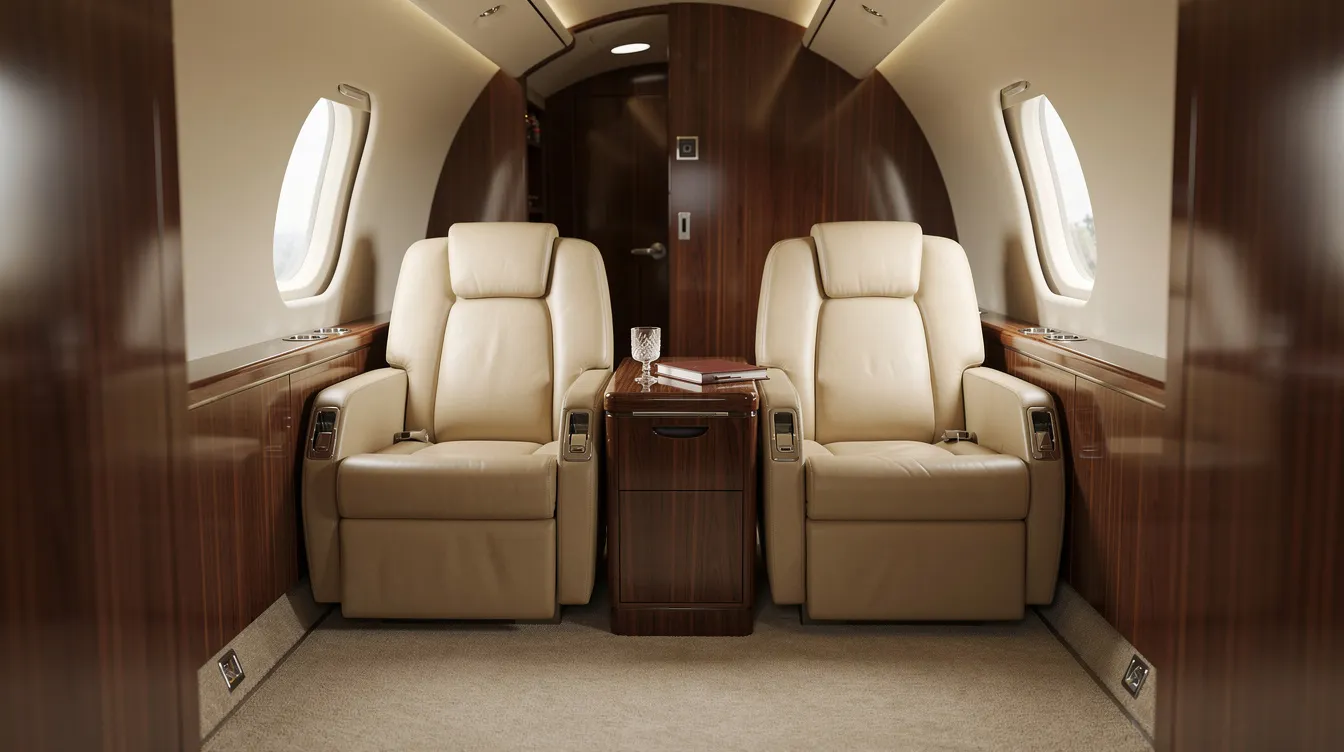
The Westwind II remains a mature, proven midsize jet in charter fleets across North America, Europe, and the Middle East. Operators based in cost-sensitive markets value its economics and often include it among their broader private charter aircraft offerings: the Westwind II has a maximum takeoff weight of 23,500 lbs and enough range to cover most domestic and regional routes without a fuel stop, with maximum range reaching 2,900 nautical miles with auxiliary tanks.
Typical charter roles include:
Mid-range corporate trips for 4–7 passengers
Point-to-point leisure flights to islands or secondary airports, where travelers may choose to crowdsource private jet flights and share empty seats to reduce per-person costs
Medical and urgent transport missions, leveraging the low-slung fuselage for easy patient loading
Cost expectations: Westwind II hourly rates often fall below newer midsize jets, typically in the USD $3,000–$4,500 per flight hour range depending on region, aircraft year, and availability. Exact pricing varies and is shown dynamically on Jettly's Private Jet Cost Calculator. Travelers can also check empty leg flights for potential savings and apply additional tips for booking the cheapest private jet flights to optimize their budget. In the pre-owned market, Westwind II aircraft listed for sale can also appeal to operators focused on lower acquisition costs.
How Jettly works with the Westwind II: The platform displays aircraft profile cards with photos, seating diagrams, and performance data, including about 49 cubic feet of baggage capacity for passenger convenience. Instant quote tools calculate price for routes like Chicago–Teterboro or Houston–Cancún, with side-by-side comparison against other aircraft categories, and can be paired with dedicated jet card flight cost estimators or broader private jet memberships depending on travel frequency. There are no jet cards or fractional ownership commitments required.
Safety and compliance: Westwind II charters booked through Jettly are operated by licensed carriers complying with FAA Part 135 in the U.S. or EASA equivalents in Europe, aligning with best practices for Part 135 charter companies. Operators maintain detailed records for the TFE731 engines and airframe, and pilots hold current type ratings with recurrent training. Average fuel burn is approximately 190 to 243 gallons per hour.
Choose the Westwind II when you need more cabin and range than a light jet but want to optimize cost compared with a newer midsize, or explore other options if you simply want to understand affordable private jet charter pricing dynamics. Learn more about how to charter a private jet.
The Westwind II Club is a beachfront resort on Cable Beach in Nassau, Bahamas. It has no connection to the IAI aircraft or Jettly's marketplace, but the shared name frequently leads travelers to search for both, including tools like Jettly’s jet card flight cost estimator when comparing different ways to reach the islands.
Location: The resort sits near Baha Mar and the restaurants along West Bay Street. Lynden Pindling International Airport is about 10–15 minutes by car. The beach access and proximity to local attractions make it a practical home base for families or small groups visiting the islands, especially for travelers using Jettly's private jet memberships for frequent Bahamas trips.
Accommodations: Units typically include 2-bedroom ocean-view layouts with full kitchens, suitable for up to 6 guests. Published rates start around $193 per night off-peak, with weekly stays often totaling $1,600–$1,800. Guest ratings average roughly 4.4/5, with staff friendliness and beach location frequently praised, making it an appealing base for travelers who budget carefully for lodging and jet card costs alike.
Private travel integration: Jet travelers often fly from hubs like Miami, Fort Lauderdale, or Atlanta to Nassau, clear customs at a private FBO, and transfer directly to the resort. A family chartering a light jet from Toronto or a group flying from New York–Teterboro on a midsize jet can maximize time at the beach by arriving midday while keeping an eye on how much a private jet costs overall. Check private plane to Bahamas cost or explore Jettly's Nassau charter page for route-specific pricing.
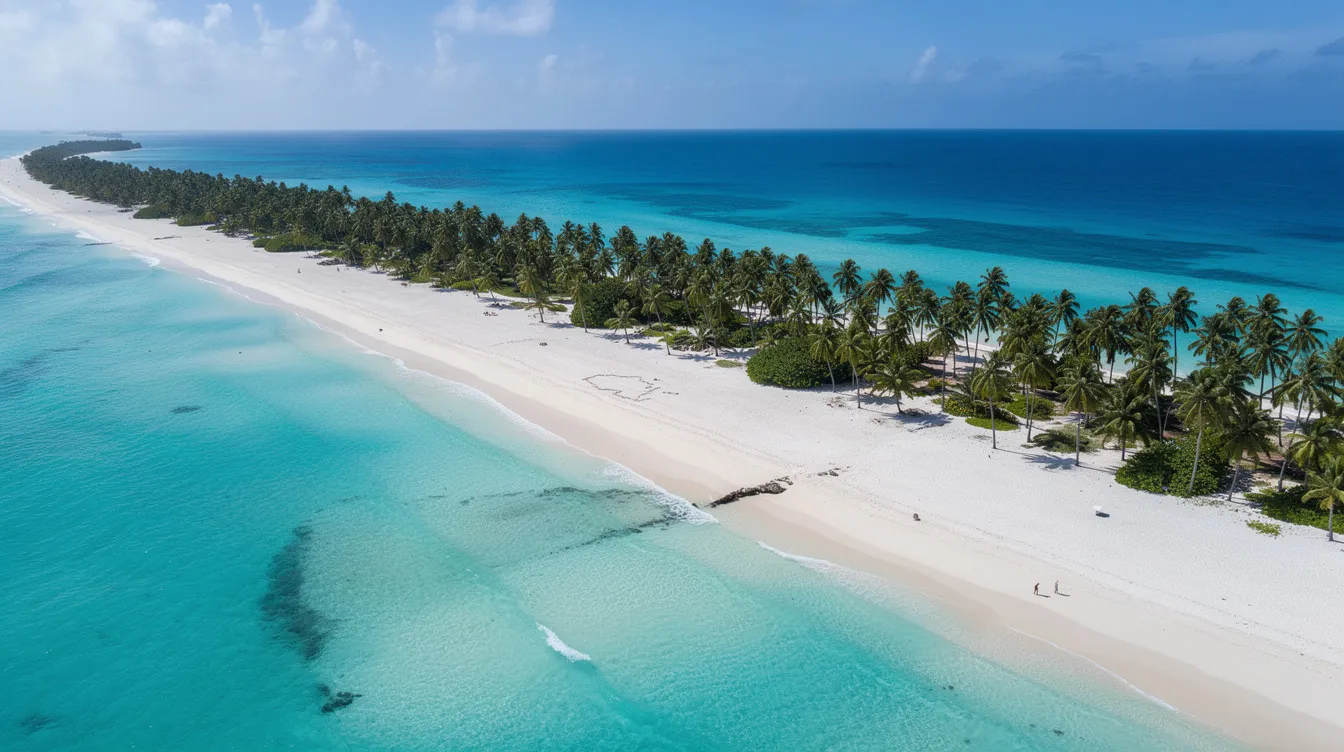
Planning a private trip to a site like the Westwind II Club or any Caribbean destination starts with a few inputs on Jettly: origin, destination, dates, and passenger count. The platform returns instant pricing across aircraft categories, from turboprops to heavy jets, and can serve as a flexible NetJets alternative for flying private without long-term commitments or ownership.
Sample routes to consider:
New York–Nassau (~1,100 NM): a Westwind II handles this comfortably with full fuel
Miami–Nassau (~185 NM): a turboprop offers a cost-conscious alternative
Toronto–Nassau: a midsize jet balances speed, capacity, and comfort for the longer increases in distance
Time savings over commercial travel add up fast. Skip security lines, depart from smaller airports closer to home using tools like Jettly's airport locator tool, and arrive at Nassau with zero connection risk. Customization options like in-flight catering or integrated ground transportation mean a car is waiting at the FBO on arrival.
One consideration: older jets like the Westwind II may burn more fuel per hour than select newer designs, so understanding how much it costs to fuel a private jet can be useful when budgeting. Jettly helps travelers compare aircraft efficiency and explore optimized routing to manage emissions. Use the platform to balance budget, comfort, and sustainability for each trip. Ready to explore private travel on your terms? Request a quote at https://www.jettly.com.
Below are answers to common questions about the Westwind II aircraft, the Nassau resort, and chartering through Jettly that cover details not fully addressed above.
Yes. Although the design dates from the late 1970s and 1980s, every Westwind II in charter service must comply with current regulatory standards. Operators under FAA Part 135 or EASA equivalents conduct regular engine overhauls, structural inspections, and avionics upgrades. Third-party safety audits from organizations like ARG/US or Wyvern provide additional verification.
Most charter configurations seat about 7 to 10 passengers plus two pilots. For flights over three hours with moderate luggage, 5–6 passengers is often ideal for a comfortable experience, especially if travelers plan to work or rest during their flight.
Travelers can request a specific model when available on a given route and date. Availability depends on operator location and maintenance schedules. If a Westwind II is not available, Jettly shows comparable midsize aircraft with similar range and seating, while helping you understand one private jet flight cost so you can compare options clearly.
It is a resort and timeshare-style property on Cable Beach in Nassau with no operational link to the IAI Westwind II aircraft or Jettly. The shared name causes frequent confusion in search results.
For peak season in the Bahamas (winter months and holidays), booking 1–2 weeks ahead is recommended. Jettly can also arrange same-day charters when operators and aircraft are available, though pricing and aircraft choice may be less flexible on short notice, similar to how broader aeroplane rental costs and options shift with demand and availability.
The Westwind II remains a compelling midsize private jet option for travelers seeking a balance of range, performance, and cost efficiency. Its redesigned wing and winglets reduce drag and turbulence, enhancing fuel economy and comfort on medium-haul flights. With seating for up to 10 passengers and a practical cabin layout, it suits both business and leisure missions. Through Jettly’s platform, accessing Westwind II charters is straightforward, offering transparent pricing and instant booking without ownership commitments. Whether flying to destinations like Nassau or regional business hubs, the Westwind II delivers reliable, flexible private travel. For those planning trips involving the Westwind II Club resort, combining private jet convenience with beachfront amenities creates a seamless luxury experience. Ready to explore private travel on your terms? Request a quote or browse available flights at https://www.jettly.com.
Share this post:
Jay Franco Serevilla
Jul 13, 2026
|
5
min read
Discover tips and trends in the industry.
5
min read
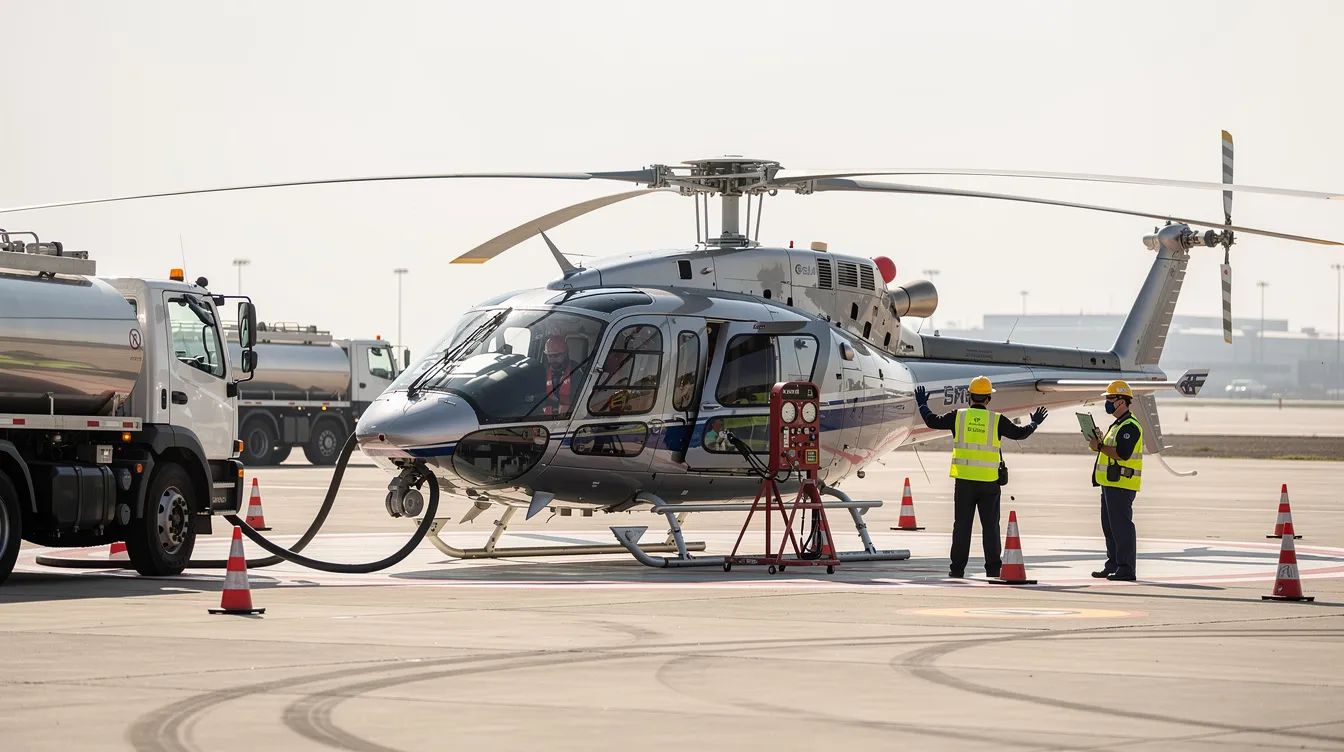
Price of Helicopter Fuel: What It Really Costs to Fly
Understanding helicopter fuel prices is essential for charter flight customers, as fuel is the largest variable cost in helicopter operations. This article details current fuel prices, burn rates across various helicopter models, and regional price variations, helping customers make informed decisions. Jettly's transparent pricing model incorporates these factors, ensuring no surprises during booking.
Read More
5
min read
Best Time to Book Local Flights: How to Time Your Tickets (and When Private Jets Make Sense)
Finding the best time to book local flights can be challenging due to fluctuating prices. This guide provides insights on optimal booking windows, travel days, and when private jets may be a cost-effective alternative. By understanding pricing dynamics and utilizing flexible travel strategies, travelers can secure the best deals on domestic flights.
Read MoreStay updated with our latest insights and tips to elevate your journey with us.
MEMBERSHIPS AND ASSOCIATIONS



Disclaimer: Jettly operates as a charter broker, offering access to a global digital jet charter marketplace. Jettly is not a direct air carrier and does not own or operate aircraft. All advertised flights are conducted by third-party air carriers that are fully licensed and hold the appropriate Part 135 or Part 121 certifications issued by the Federal Aviation Administration (FAA) or equivalent regulatory authorities under U.S. or foreign law. Jettly complies fully with the U.S. Department of Transportation's Part 295 and Part 298 Charter Broker regulations. Jettly does not carry additional liability insurance. Passengers are covered by aircraft operator insurance. TICO: 50023770


