


Login
Get Instant Pricing On 23,000+ Aircraft

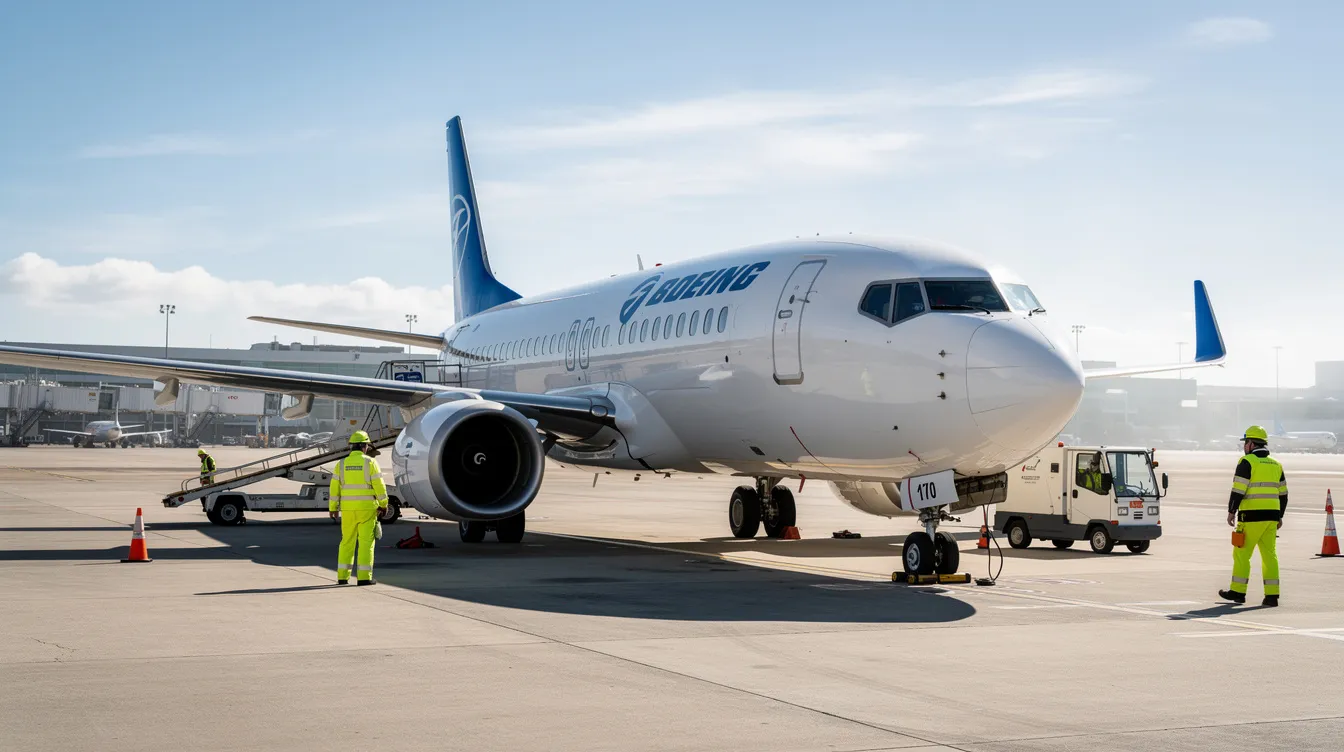
The Boeing 737 is the most-produced commercial jetliner, with a seating capacity ranging from 85 to 230 passengers depending on the variant and configuration. This guide explores the seating capacities of various 737 models, highlighting how cabin layouts and airline choices impact passenger comfort and efficiency. Understanding these factors is crucial for travelers and airline planners alike.
Jay Franco Serevilla
Aug 26, 2026
|
5
min read



View all
Private jet charter brokers simplify the booking process for travelers by acting as intermediaries between clients and licensed aircraft operators. They handle all aspects of the trip, from pricing to safety checks, ensuring a seamless experience. With platforms like Jettly, clients gain access to a vast inventory of aircraft and transparent pricing without long-term commitments.
Jay Franco Serevilla
Aug 24, 2026
|
5
min read

View all
Rao's Scottsdale brings a legendary Italian dining experience from East Harlem to Arizona, making it a prime destination for food enthusiasts. With Jettly's private jet charter services, travelers can seamlessly combine luxury aviation with a memorable meal at Rao's, ensuring a hassle-free journey to this iconic restaurant.
Jay Franco Serevilla
Aug 24, 2026
|
5
min read

View all
The Beechcraft King Air 200 is a versatile twin-turboprop aircraft known for its short takeoff distance, typically ranging from 2,479 to 3,300 feet. This capability allows it to access smaller regional airports, making it a popular choice for charter clients. Factors such as aircraft weight, temperature, and runway conditions significantly influence its performance, which is crucial for operational planning.
Jay Franco Serevilla
Aug 24, 2026
|
5
min read
View all
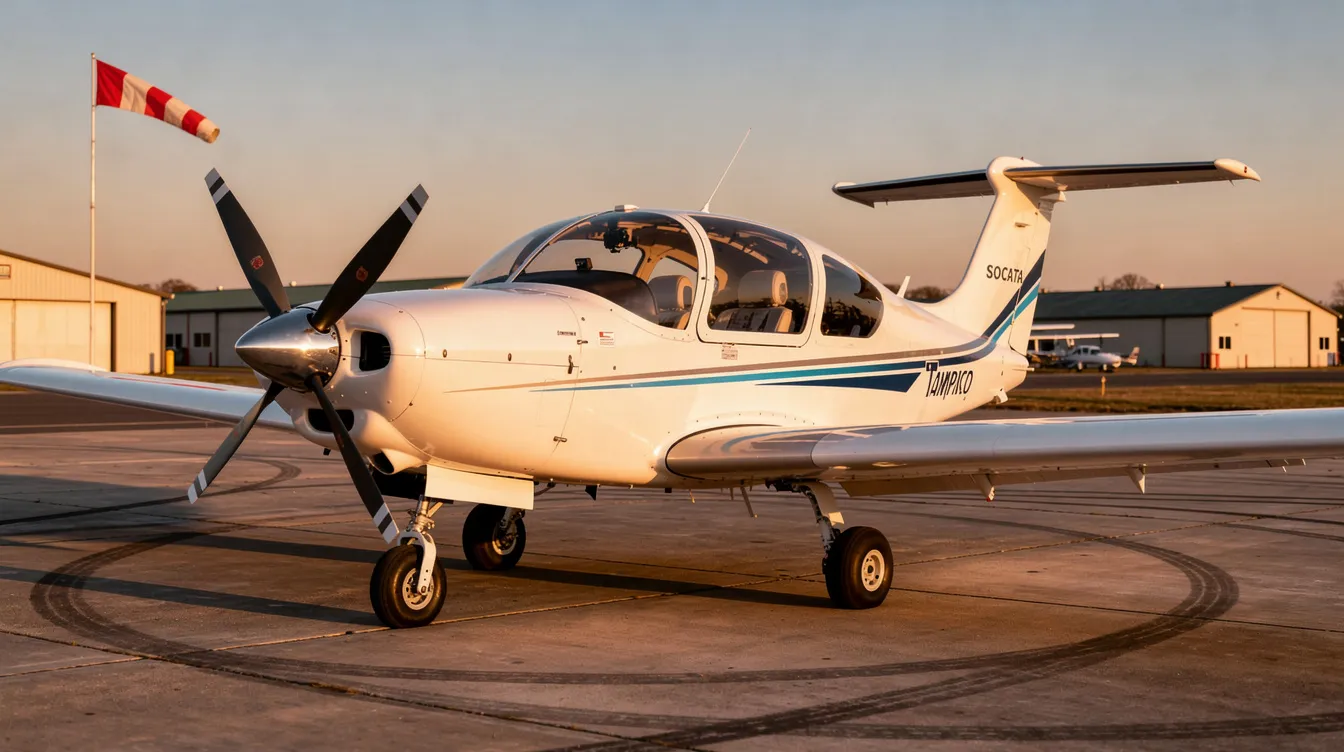
The SOCATA TB 9 Tampico is a versatile single-engine aircraft known for its stable handling and comfortable cabin, making it a popular choice for flight training and light touring since the 1980s. While it remains a reliable option for aspiring pilots, modern charter services like Jettly now offer faster and more efficient alternatives for similar missions.
Jay Franco Serevilla
Aug 24, 2026
|
5
min read

View all
The aviation industry is responsible for 2-3% of global CO₂ emissions, but airlines are adopting greener practices to achieve net-zero emissions by 2050. This guide highlights how travelers can reduce their carbon footprint through sustainable aviation fuels, efficient aircraft, and platforms like Jettly that facilitate greener flying options. By making informed choices, frequent flyers can significantly impact the industry's environmental footprint.
Jay Franco Serevilla
Aug 24, 2026
|
5
min read

View all
The Airbus A340 is a long-range, four-engine commercial jet designed for intercontinental flights, known for its spacious cabins and reliability. Although largely replaced by more fuel-efficient twin-engine aircraft, it remains popular for charter services, VIP transport, and government missions. This guide explores the A340's variants, performance, and its evolving role in the aviation market.
Jay Franco Serevilla
Aug 24, 2026
|
5
min read
Explore our latest articles and updates.

5
min read
Tiger Woods' Gulfstream G550: How elite athletes manage multicity travel
This article explores Tiger Woods' $53 million Gulfstream G550 and how high-performance private aviation serves as a crucial tool for top athletes. Beyond comfort and luxury, the jet's low cabin altitude pressurization, massive storage for specialized physio equipment, and direct long-range flight capabilities help Woods manage chronic injuries and travel fatigue while navigating a demanding global competition schedule.
Read More
5
min read
Helicopter Flying Time: How Long Your Flight Should Really Be
This guide provides insights into helicopter flying times, helping travelers understand what to expect when booking a flight. Factors such as distance, weather, and aircraft type influence the duration of flights, with typical airborne times ranging from 15 to 60 minutes. Knowing these details allows for better planning and a more enjoyable charter experience.
Read MoreJoin our community and receive the latest blog updates directly in your inbox.
MEMBERSHIPS AND ASSOCIATIONS



Disclaimer: Jettly operates as a charter broker, offering access to a global digital jet charter marketplace. Jettly is not a direct air carrier and does not own or operate aircraft. All advertised flights are conducted by third-party air carriers that are fully licensed and hold the appropriate Part 135 or Part 121 certifications issued by the Federal Aviation Administration (FAA) or equivalent regulatory authorities under U.S. or foreign law. Jettly complies fully with the U.S. Department of Transportation's Part 295 and Part 298 Charter Broker regulations. Jettly does not carry additional liability insurance. Passengers are covered by aircraft operator insurance. TICO: 50023770


