


Login
Get Instant Pricing On 23,000+ Aircraft


The Cessna 182T Skylane is a versatile four-seat aircraft known for its performance and reliability, powered by a 230 hp Lycoming engine and equipped with advanced Garmin avionics. It offers a cruise speed of 140-145 knots and a service ceiling above 18,000 feet, making it suitable for various roles including training, personal travel, and commercial operations like skydiving and government patrols. The aircraft's high-wing design enhances visibility and stability, while its spacious cabin accommodates passengers comfortably. Charter services, such as those provided by Jettly, connect users to operators of the Cessna 182T for regional travel and adventure access.
Jay Franco Serevilla
Apr 24, 2026
|
5
min read



View all
flyExclusive is a major U.S. private jet operator with a fleet of over 90 Cessna Citation and Challenger jets, offering charter, fractional ownership, and Jet Club membership for consistent service. In contrast, Jettly operates as a digital marketplace, providing on-demand access to over 20,000 aircraft globally, allowing travelers to compare prices and options without long-term commitments. While flyExclusive emphasizes brand consistency and reliability for frequent flyers, Jettly offers greater flexibility and a wider variety of aircraft for those with less predictable travel needs. Ultimately, the choice between the two depends on individual travel frequency, route preferences, and the desire for either a dedicated fleet or broader aircraft options.
Jay Franco Serevilla
Jun 29, 2026
|
5
min read

View all
This guide outlines travel options to Romblon Island in the Philippines, emphasizing the limited air access that typically requires routing through Manila. Most travelers fly into Ninoy Aquino International Airport (MNL) before connecting to Tugdan Airport (TBH) on Tablas Island via domestic flights or private charters. Jettly offers on-demand private charters, allowing travelers to bypass crowded terminals and lengthy ferry rides, significantly reducing travel time. The guide also highlights key airports, flight durations, and booking tips, making it easier for travelers to plan their trips efficiently.
Jay Franco Serevilla
Jun 29, 2026
|
5
min read

View all
The global airplane manufacturing market, valued at over $426 billion in 2024, is dominated by major players like Airbus and Boeing in commercial aviation, and Bombardier, Gulfstream, and Embraer in business jets. These manufacturers significantly influence aircraft availability, safety, and innovation, impacting both commercial and private aviation sectors. Platforms like Jettly connect travelers to a diverse fleet of over 20,000 aircraft, facilitating access to private jets without ownership burdens. Future trends in the industry focus on sustainability, efficiency, and advanced technologies, enhancing the overall travel experience for users.
Jay Franco Serevilla
Jun 29, 2026
|
5
min read
View all
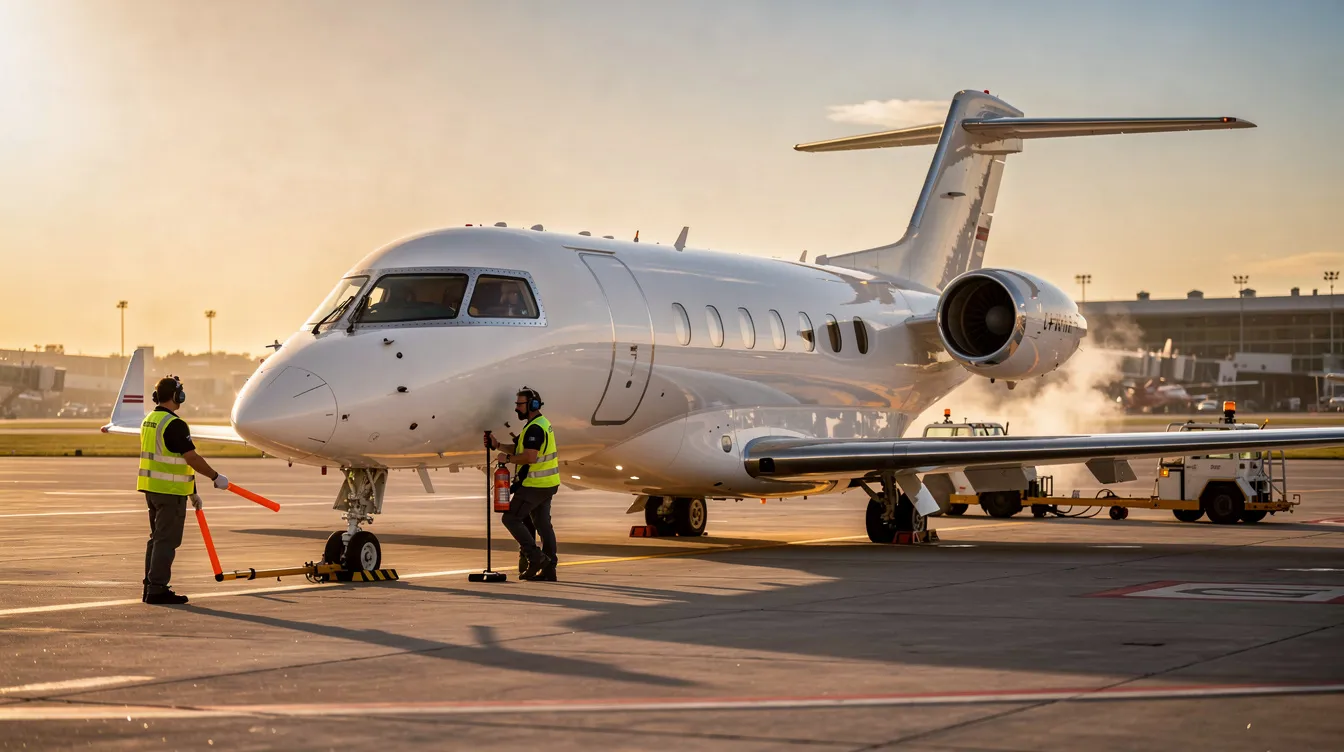
Flight price estimators are essential tools for travelers and corporate planners, allowing them to predict and manage private jet costs effectively. Jettly's platform provides real-time pricing based on current market conditions, factoring in variables like fuel prices, aircraft availability, and demand, making it invaluable in today's volatile travel landscape. Understanding how these estimators work helps users avoid unexpected costs and optimize their travel budgets, especially as prices fluctuate due to factors like seasonality and route popularity. By utilizing Jettly's instant quotes and transparent cost breakdowns, travelers can make informed decisions about their private jet charter options.
Jay Franco Serevilla
Jun 29, 2026
|
5
min read
View all
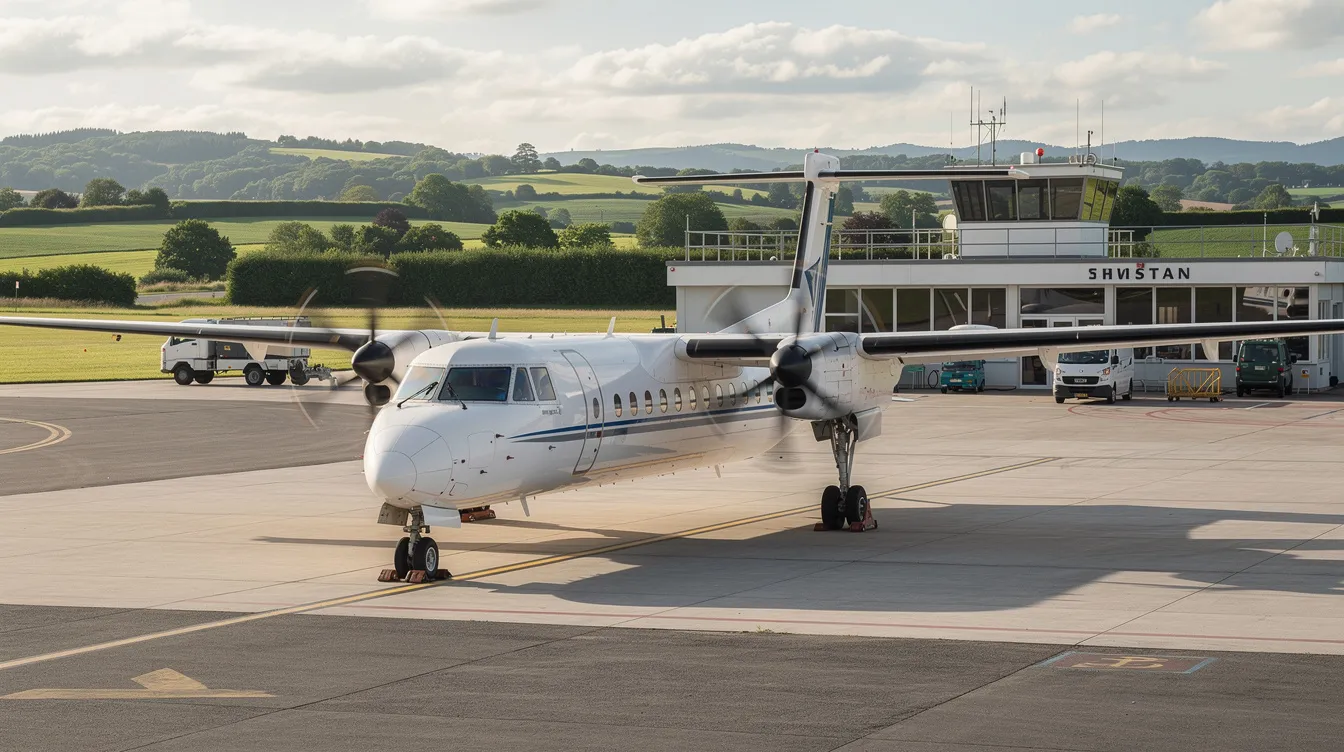
The Saab 340 is a twin-engine turboprop regional airliner that accommodates 30 to 36 passengers, making it ideal for corporate shuttles, group charters, and cargo transport on short to medium routes. Despite production ending in 1999, many Saab 340s remain in service, benefiting from a robust design and modern upgrades, including active noise control features. Chartering a Saab 340 through Jettly offers travelers access to smaller airports, efficient booking, and competitive pricing, making it a practical choice for various travel needs. Overall, the Saab 340 combines capacity, performance, and cost-effectiveness, appealing to those seeking reliable regional air travel solutions.
Jay Franco Serevilla
Jun 29, 2026
|
5
min read

View all
PlaneSense offers fractional aircraft ownership, allowing frequent flyers to purchase shares in a managed fleet of Pilatus PC-12 turboprops and PC-24 light jets, providing predictable costs and consistent service. This model is ideal for travelers flying 50-200+ hours annually, as it includes fixed annual hours and guaranteed scheduling. In contrast, on-demand charter services like Jettly offer greater flexibility with no upfront costs and access to a wide range of aircraft, making them suitable for those flying less frequently or with variable travel needs. Ultimately, the choice between fractional ownership and charter depends on individual flight frequency, financial preferences, and desired flexibility.
Jay Franco Serevilla
Jun 28, 2026
|
5
min read
Explore our latest articles and updates.
5
min read
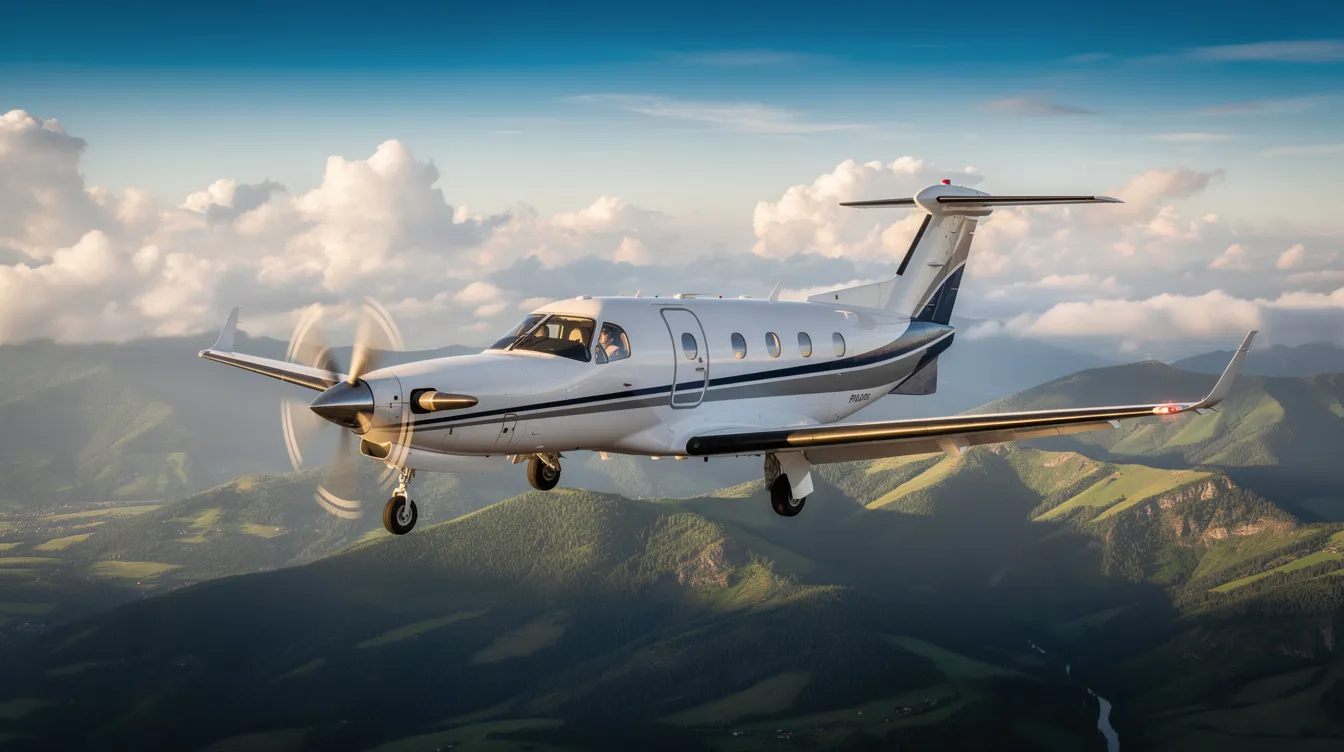
Pilatus Fractional Ownership: PC-12 Access vs. On‑Demand Charter with Jettly
Pilatus fractional ownership allows travelers to share the costs of a PC-12 aircraft, making private aviation more accessible. This option is ideal for frequent flyers with predictable travel patterns, while Jettly's on-demand charter offers flexibility for those with varied schedules. Understanding the differences in costs and commitments can help you choose the best option for your aviation needs.
Read More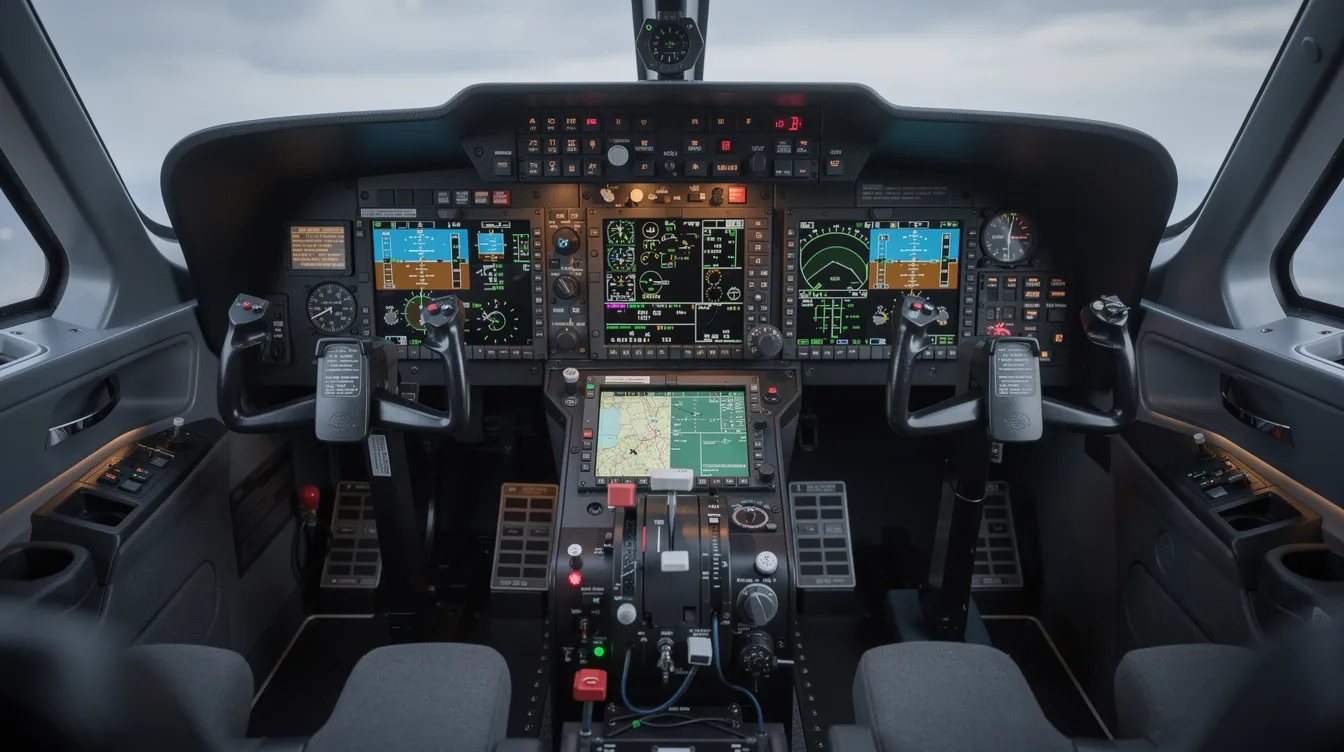
5
min read
Helicopter Cockpit: Controls, Instruments, and What Sets It Apart from Other Aircraft
The helicopter cockpit is uniquely designed for rotorcraft flight, featuring cyclic and collective controls that differ significantly from fixed-wing aircraft. With advanced avionics and enhanced visibility, it allows pilots to manage vertical takeoff and low-speed maneuvers effectively. Platforms like Jettly facilitate access to various helicopter types, ensuring travelers can find the right aircraft for their needs.
Read MoreJoin our community and receive the latest blog updates directly in your inbox.
MEMBERSHIPS AND ASSOCIATIONS



Disclaimer: Jettly operates as a charter broker, offering access to a global digital jet charter marketplace. Jettly is not a direct air carrier and does not own or operate aircraft. All advertised flights are conducted by third-party air carriers that are fully licensed and hold the appropriate Part 135 or Part 121 certifications issued by the Federal Aviation Administration (FAA) or equivalent regulatory authorities under U.S. or foreign law. Jettly complies fully with the U.S. Department of Transportation's Part 295 and Part 298 Charter Broker regulations. Jettly does not carry additional liability insurance. Passengers are covered by aircraft operator insurance. TICO: 50023770


