



Login
Get Instant Pricing On 23,000+ Aircraft


Certain aircraft have gained notoriety for their poor safety records, particularly the Fokker F28 and McDonnell Douglas MD-11, which exhibit high hull loss rates. While the Boeing 737 family has the highest total fatalities, this is largely due to its extensive use rather than inherent danger. Understanding these statistics is crucial for travelers assessing aviation safety.
Jeff Ryan Serevilla
Oct 22, 2026
|
5
min read



View all
Hiring a private jet for family travel with Jettly simplifies the flying experience by offering flexibility, safety, and convenience. Families can skip crowded terminals, arrive just minutes before departure, and enjoy tailored in-flight services. With access to over 20,000 aircraft worldwide, Jettly ensures a stress-free journey for families of all sizes.
Jay Franco Serevilla
Aug 12, 2026
|
5
min read
View all
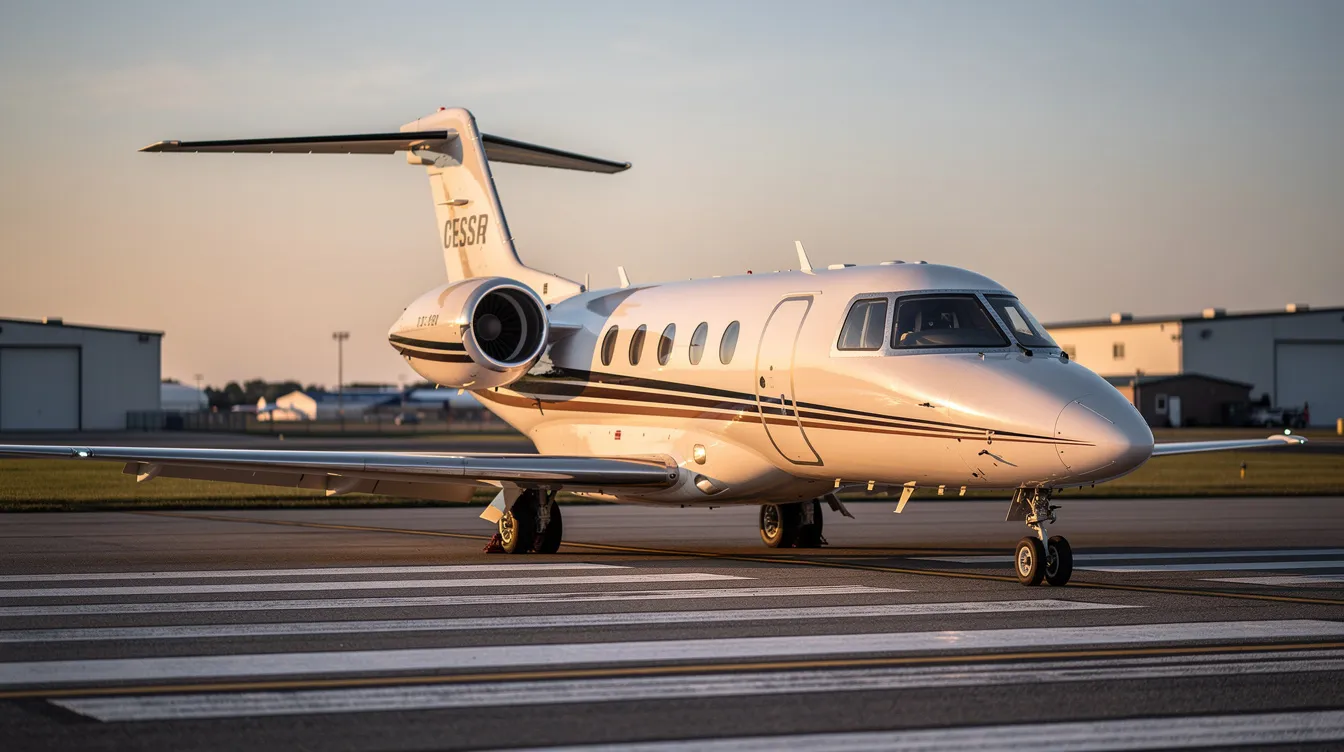
The Cessna Citation II SP is a popular single-pilot certified light jet, ideal for regional business owners and air taxi operators. With prices ranging from $800,000 to $1,500,000, this guide explores its performance, specifications, and ownership versus chartering options through Jettly. It offers insights into evaluating the aircraft and understanding the costs involved in private aviation.
Jay Franco Serevilla
Aug 12, 2026
|
5
min read
View all
Runway Visual Range (RVR) is essential for safe private jet operations, especially in low-visibility conditions. This guide explains how RVR is measured, its significance for flight decisions, and how platforms like Jettly utilize RVR data for efficient charter services.
Jay Franco Serevilla
Aug 12, 2026
|
5
min read

View all
Private jet extra seats allow travelers to purchase individual seats on shared charters, semi-private flights, and empty leg flights, making private aviation more accessible and affordable. Jettly's digital marketplace simplifies the booking process, offering transparent pricing and a wide range of options for routes between major cities worldwide. This innovative model can save travelers 30% to 75% compared to traditional private jet charters.
Jay Franco Serevilla
Aug 12, 2026
|
5
min read

View all
Puerto Rico is a short flight away from many major U.S. cities, with distances ranging from approximately 1,040 miles from Miami to 1,600 miles from New York City. Once on the island, travel times are quick, making it easy to explore its diverse attractions. Private jet options can further reduce travel time, enhancing the overall experience for both business and leisure travelers.
Jay Franco Serevilla
Aug 12, 2026
|
5
min read
View all
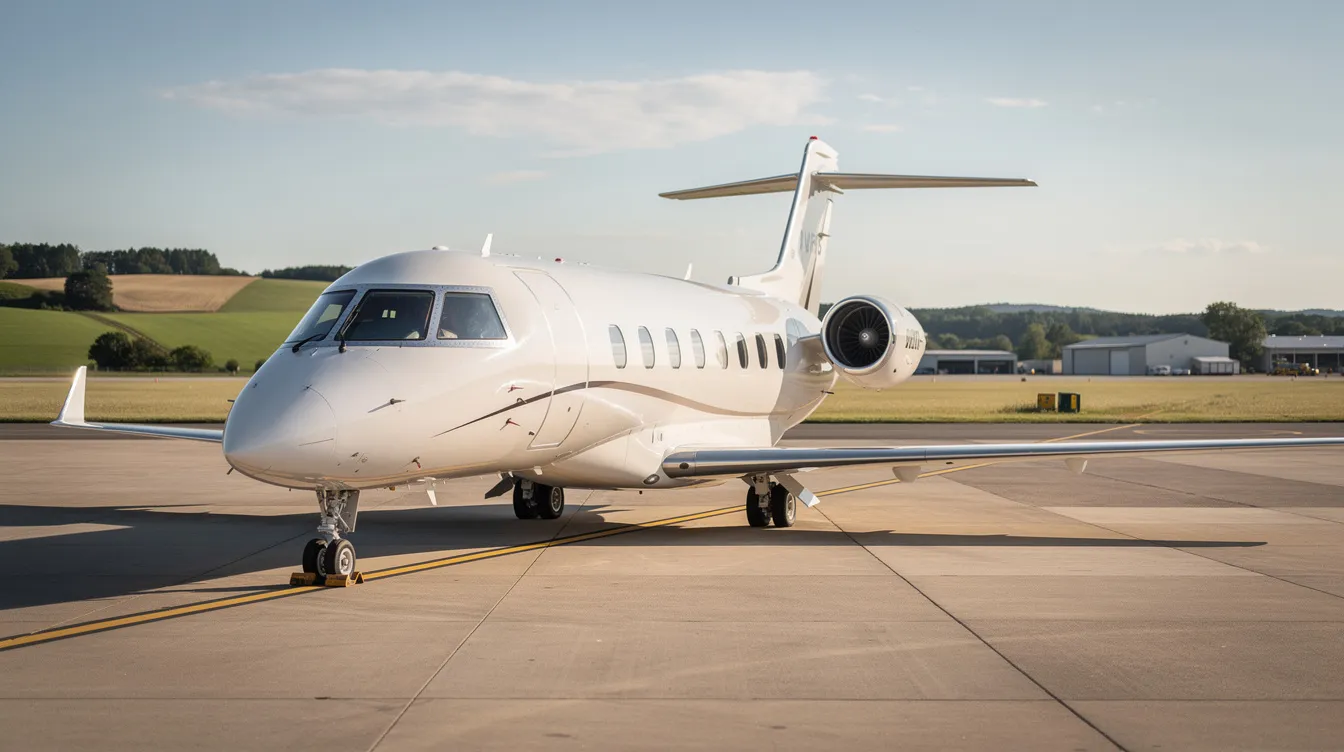
Chicago Jet Group is a premier private jet charter service based in Sugar Grove, IL, offering a range of aviation services including aircraft management and maintenance. With a specialized fleet of Falcon jets, they provide flexible and convenient travel options for both business and leisure. Travelers can easily book flights through Jettly's digital marketplace, ensuring transparent pricing and instant access to over 20,000 aircraft.
Jay Franco Serevilla
Aug 12, 2026
|
5
min read
Explore our latest articles and updates.

5
min read
Fractional Jet Ownership Cost: The Complete Pricing Breakdown
Fractional jet ownership in 2026 typically requires an upfront investment of $500,000 to over $1.5 million for a share, along with monthly management fees ranging from $8,000 to $25,000 and hourly flight costs of $4,000 to $9,000, leading to total five-year costs that can exceed $1 million. The structure includes various fees such as acquisition costs, management fees, fuel surcharges, and depreciation, making it essential for potential buyers to understand the complete financial implications. While fractional ownership offers flexibility and access to aircraft, it may not be cost-effective for those flying under 150 hours annually, where alternatives like jet cards could provide better value. A thorough analysis of all costs and usage patterns is crucial for informed decision-making in private aviation investments.
Read More
5
min read
Jet Card Tax Guide: FET, Business Deductibility & State Sales Tax
The Jet Card Tax Guide outlines key tax considerations for private jet card users, including Federal Excise Tax (FET), state sales tax, and business deductibility rules, aimed at CFOs and finance teams managing aviation budgets. FET is a 7.5% tax on domestic flights, with pricing typically quoted as either "all-in" (including FET) or "plus-FET" (added on top). Jet card flights may be tax-deductible if they meet IRS criteria for business expenses, while personal travel is generally non-deductible. The guide emphasizes the importance of understanding tax implications for effective financial planning and compliance in private aviation.
Read MoreJoin our community and receive the latest blog updates directly in your inbox.
MEMBERSHIPS AND ASSOCIATIONS



Disclaimer: Jettly operates as a charter broker, offering access to a global digital jet charter marketplace. Jettly is not a direct air carrier and does not own or operate aircraft. All advertised flights are conducted by third-party air carriers that are fully licensed and hold the appropriate Part 135 or Part 121 certifications issued by the Federal Aviation Administration (FAA) or equivalent regulatory authorities under U.S. or foreign law. Jettly complies fully with the U.S. Department of Transportation's Part 295 and Part 298 Charter Broker regulations. Jettly does not carry additional liability insurance. Passengers are covered by aircraft operator insurance. TICO: 50023770


