


Login
Get Instant Pricing On 23,000+ Aircraft


Finding the best time to buy international airline tickets to Europe can save travelers hundreds of dollars. Booking 3 to 7 months in advance typically yields the best prices, especially during shoulder seasons. This guide offers insights on timing, fare tracking, and alternative airports to maximize savings and flexibility.
Jay Franco Serevilla
Oct 7, 2026
|
5
min read



View all
Understanding private jet baggage limits is crucial for travelers. Unlike commercial airlines, private jets have unique restrictions based on aircraft type, baggage volume, and door geometry. This guide provides essential insights into luggage capacity, especially for bulky items like skis and golf bags, ensuring a smooth travel experience.
Jay Franco Serevilla
Jul 25, 2026
|
5
min read
View all
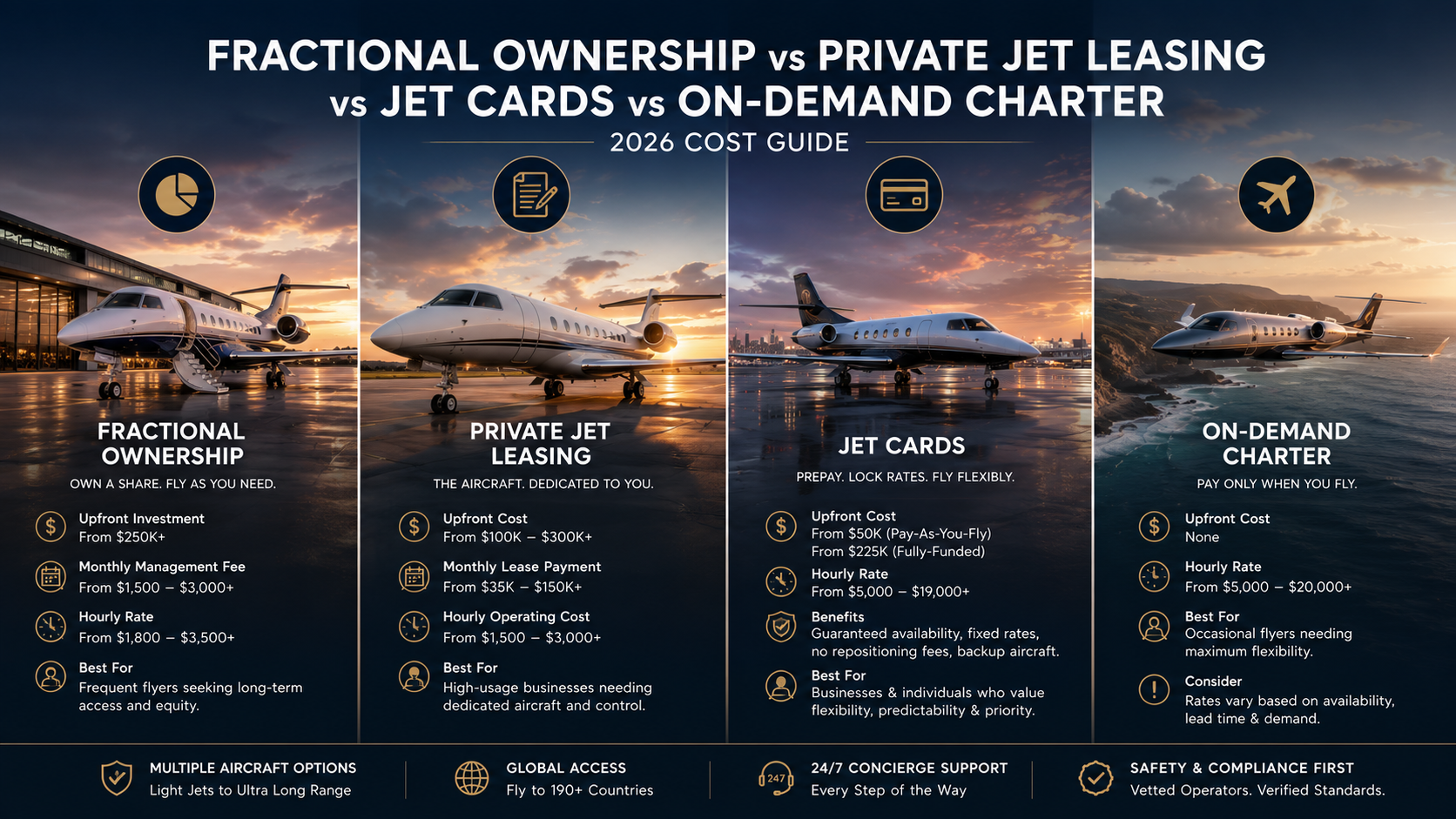
Navigating private jet access models can be complex, with options like fractional ownership, leasing, jet cards, and on-demand charter each offering unique pricing structures. Understanding these models is crucial for making informed decisions based on your flying habits and financial commitments. This guide breaks down the costs and benefits of each option, helping you choose the best fit for your travel needs.
Jay Franco Serevilla
Jul 25, 2026
|
5
min read
View all
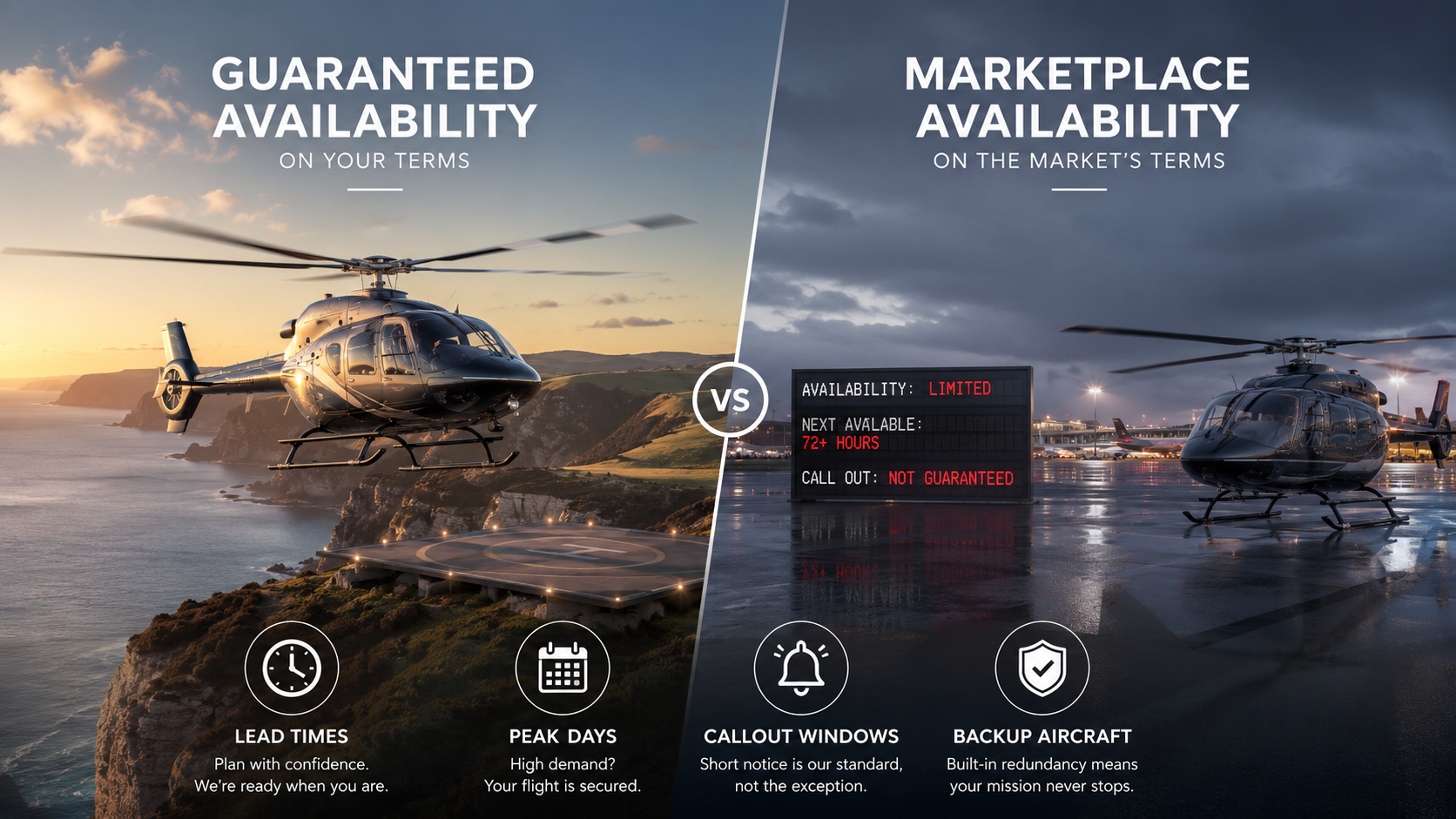
In private aviation, guaranteed availability offers a contract-backed promise for aircraft access, while marketplace availability provides real-time access to a larger fleet based on supply and demand. Understanding the differences in lead times, peak days, and backup aircraft options is crucial for making informed decisions. This guide breaks down the nuances of both models to help you choose the best fit for your flying needs.
Jay Franco Serevilla
Jul 25, 2026
|
5
min read

View all
Helicopter passenger capacity varies significantly based on the model, typically accommodating 2 to 8 passengers plus a pilot. Larger helicopters can carry 15 or more, but real-world factors like weight, baggage, and safety regulations often limit the actual number of passengers. Jettly's platform simplifies the process of selecting the right helicopter for your travel needs.
Jay Franco Serevilla
Jul 25, 2026
|
5
min read
View all
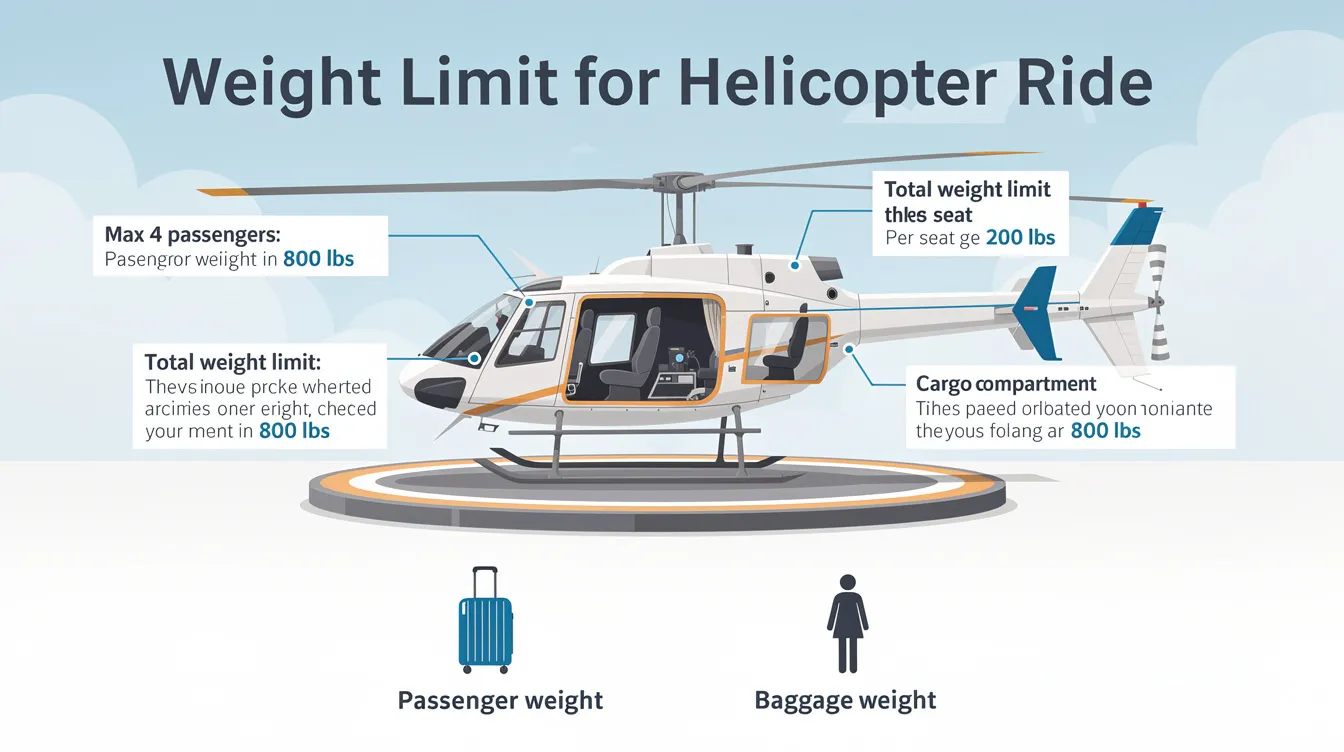
Understanding helicopter weight limits is crucial for ensuring safety and comfort during flights. Each helicopter has specific weight restrictions that can affect seating arrangements and costs. Passengers should be aware of these limits and plan accordingly to avoid surprises.
Jay Franco Serevilla
Jul 25, 2026
|
5
min read

View all
Helicopter specs provide essential performance data that define a rotorcraft's capabilities, including weight, speed, range, and passenger capacity. Understanding these specifications is crucial for selecting the right helicopter for various missions, from VIP transfers to emergency services. This guide simplifies complex technical details, helping users make informed decisions based on their travel needs.
Jay Franco Serevilla
Jul 25, 2026
|
5
min read
Explore our latest articles and updates.

5
min read
Fractional Ownership vs Jet Card vs Charter: Which Is Right for You?
This guide compares three private aviation options: fractional ownership, jet cards, and on-demand charter, highlighting their distinct trade-offs in cost, commitment, flexibility, and aircraft consistency. Fractional ownership requires a significant upfront investment and long-term commitment, making it suitable for frequent flyers (100-200+ hours/year) who value consistent access to a specific aircraft. Jet cards offer a more flexible, pay-as-you-go model ideal for moderate flyers (25-100 hours/year) seeking predictable pricing without ownership risks. On-demand charter is the most flexible and cost-effective option for occasional flyers (under 25 hours/year), allowing users to pay only for the flights they take without any long-term commitments.
Read More
5
min read
How Fractional Jet Ownership Works: The Complete Guide
Fractional jet ownership allows individuals or companies to purchase a share of a specific aircraft, typically ranging from 1/16 to 1/2, granting them a proportional number of flight hours annually and access to equivalent aircraft when their own is unavailable. This model provides the benefits of private jet travel, including professional management and operational ease, while reducing the financial burden compared to full ownership. Owners can expect to fly between 50 to 400 hours per year, depending on their share size, and the management company handles all operational aspects under FAA regulations. While fractional ownership requires a significant initial investment and ongoing fees, it offers equity and flexibility, making it suitable for frequent flyers, whereas those flying less may prefer alternatives like jet cards or charter services.
Read MoreJoin our community and receive the latest blog updates directly in your inbox.
MEMBERSHIPS AND ASSOCIATIONS



Disclaimer: Jettly operates as a charter broker, offering access to a global digital jet charter marketplace. Jettly is not a direct air carrier and does not own or operate aircraft. All advertised flights are conducted by third-party air carriers that are fully licensed and hold the appropriate Part 135 or Part 121 certifications issued by the Federal Aviation Administration (FAA) or equivalent regulatory authorities under U.S. or foreign law. Jettly complies fully with the U.S. Department of Transportation's Part 295 and Part 298 Charter Broker regulations. Jettly does not carry additional liability insurance. Passengers are covered by aircraft operator insurance. TICO: 50023770


