



Login
Get Instant Pricing On 23,000+ Aircraft

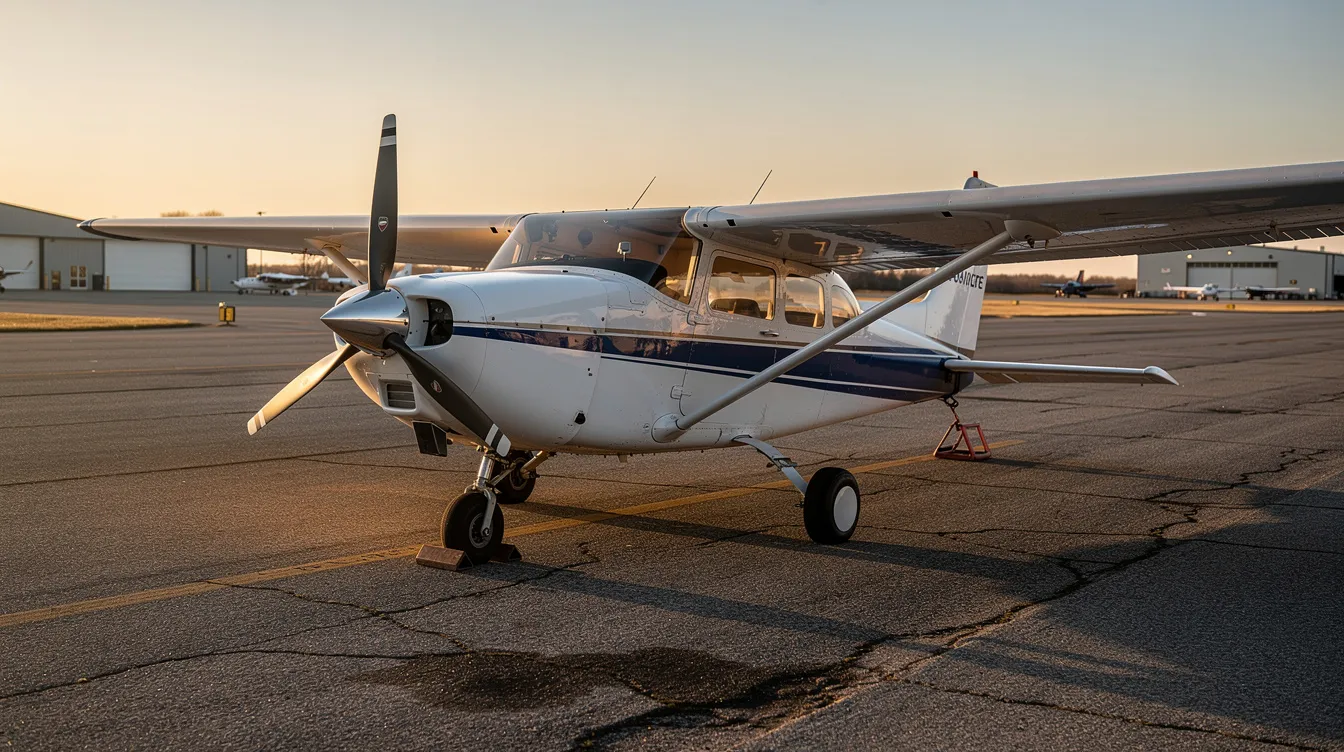
Lodi, CA, offers two primary airports for private flying: Lodi Airport (1O3) and Lodi Airpark (L53). This guide provides essential information for private pilots and charter travelers, detailing airport features, services, and nearby alternatives for efficient travel planning to the Central Valley's wine country.
Jeff Ryan Serevilla
Oct 19, 2026
|
5
min read


View all
Southwest Airlines offers rolling flight schedules that are updated periodically, allowing travelers to plan their trips effectively. For those facing delays or cancellations, Jettly provides private jet charter options as a flexible alternative, ensuring timely arrivals. Travelers can check flight statuses using official tools like the Adani OneApp for real-time updates.
Jay Franco Serevilla
Aug 4, 2026
|
5
min read

View all
The airline year pass offers unlimited flights for a flat fee, appealing to frequent travelers and digital nomads. However, it comes with restrictions like blackout dates and limited baggage allowances. In contrast, private jet travel through platforms like Jettly provides greater flexibility, privacy, and access to a wider range of airports, making it ideal for business travelers and those seeking bespoke travel experiences.
Jay Franco Serevilla
Aug 4, 2026
|
5
min read
View all
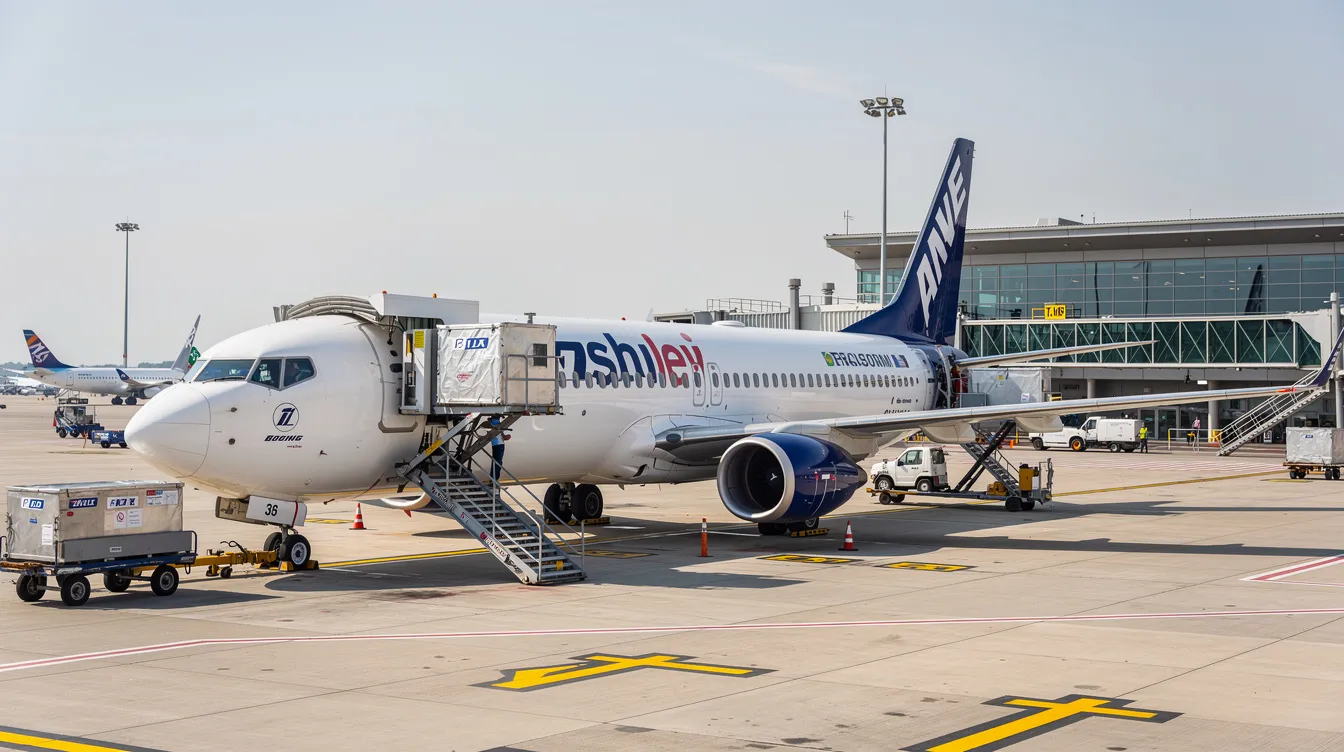
The Southwest Boeing 737-800 is a popular choice for domestic travel, featuring 175 economy seats in a 3-3 layout. This guide explores its cabin layout, fare options, and how it compares to private jet charters, highlighting the benefits of each for different travel needs.
Jay Franco Serevilla
Aug 4, 2026
|
5
min read

View all
The American Airlines 787 Dreamliner offers advanced technology and comfort on long-haul flights, featuring premium cabins like the Flagship Suite®. However, for travelers seeking privacy and flexibility, private jet charters through platforms like Jettly provide distinct advantages, including tailored services and direct airport access.
Jay Franco Serevilla
Aug 4, 2026
|
5
min read

View all
Small planes revolutionize private travel by significantly reducing travel time and providing access to thousands of regional airports. Jettly's platform connects travelers to over 20,000 aircraft, offering flexible booking options without the need for ownership. This guide explores various small aircraft categories, their costs, and how to effectively utilize Jettly for smarter travel decisions.
Jay Franco Serevilla
Aug 4, 2026
|
5
min read

View all
Ultralight airplanes are lightweight, simple aircraft designed for recreational flying, offering an accessible entry point into aviation. Governed by FAA Part 103, they allow pilots to fly without a license under specific weight and speed limits. This guide covers the essentials of ultralight flying, including regulations, types of aircraft, training, and how they compare to private jet charters.
Jay Franco Serevilla
Aug 4, 2026
|
5
min read
Explore our latest articles and updates.
5
min read
Is Private Low Fares Legit Reddit: What Reviews Really Reveal
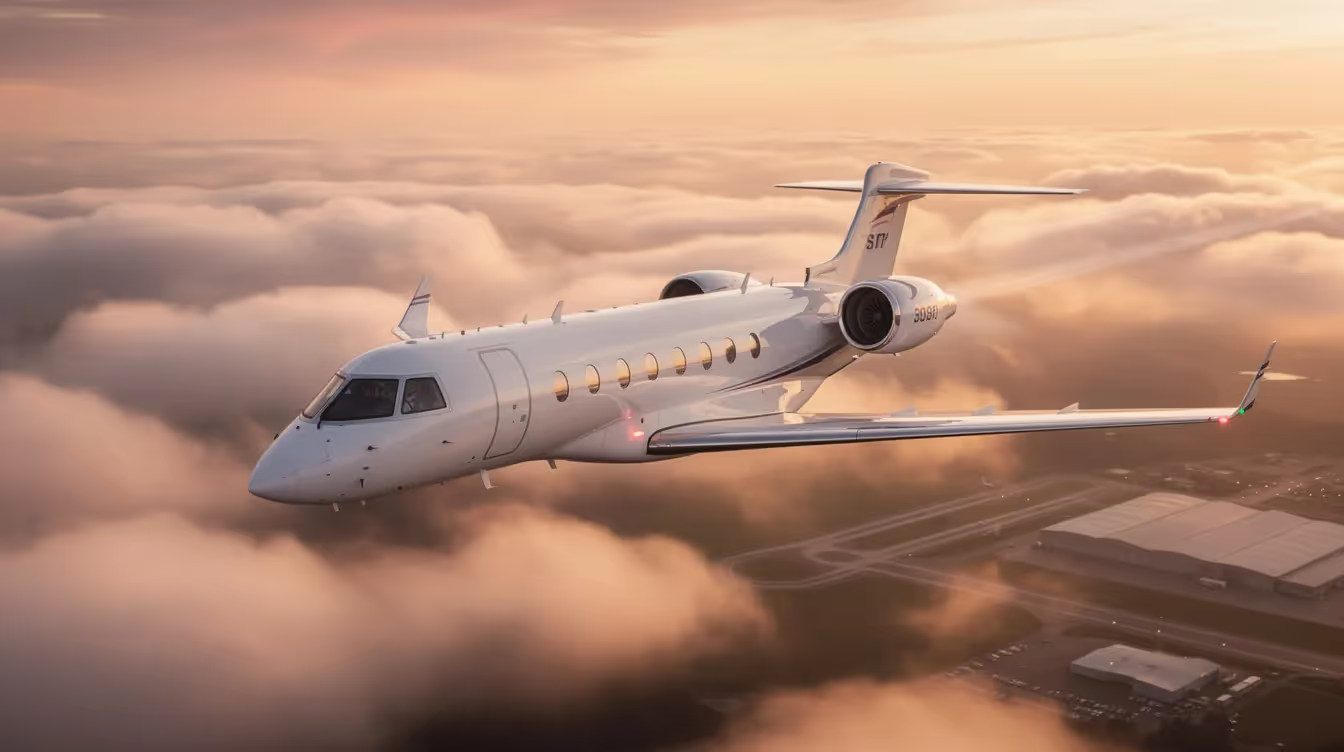
Private Low Fares is widely regarded as a scam by Reddit users, who report issues such as missing tickets, surprise charges, and personal data risks. Many travelers have experienced bait-and-switch tactics, where advertised low fares are suddenly unavailable, leading to demands for additional payments. Users are advised to book directly through airlines or reputable platforms like Google Flights to avoid these risks. For those seeking private jet charters, platforms like Jettly offer transparent pricing and confirmed bookings, distinguishing them from unreliable low-fare sites.
Read More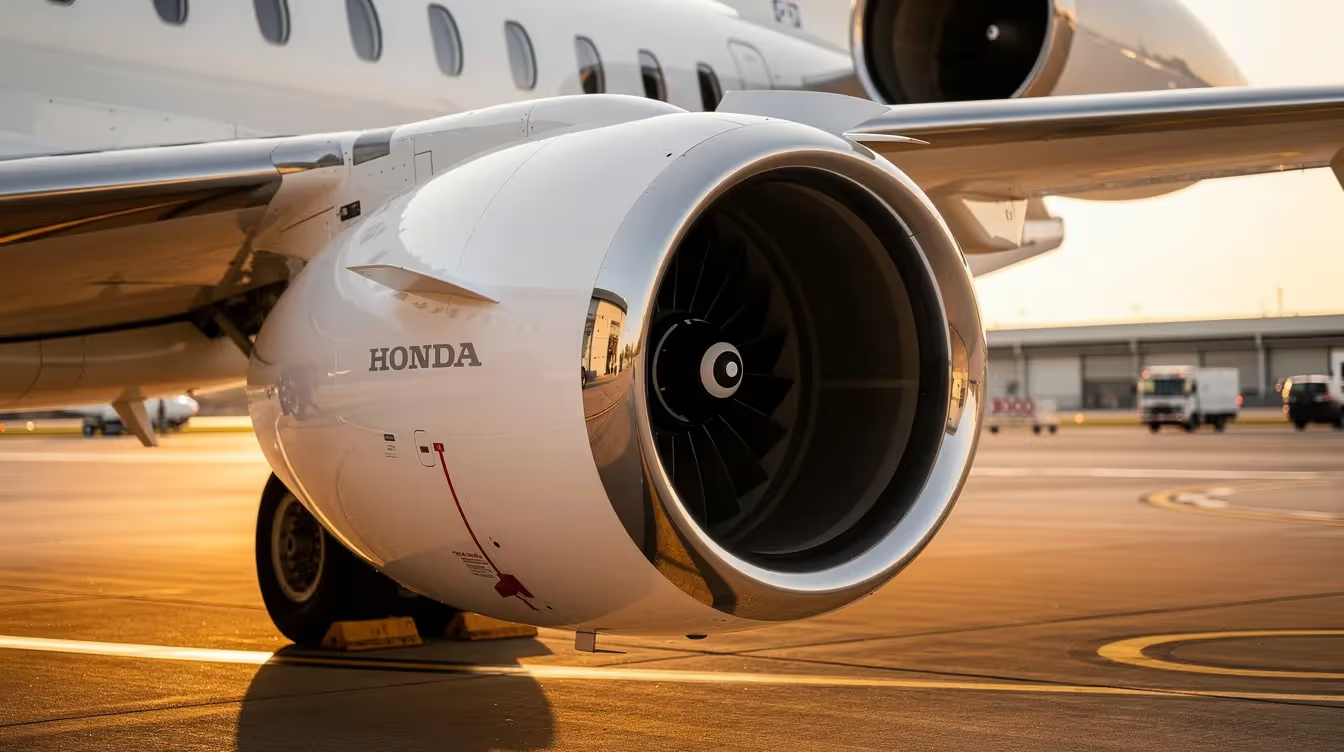
5
min read
Honda Jet Engine: HF120 Powerplant, Over-The-Wing Design & Charter Use Cases
The HondaJet features the GE Honda HF120 turbofan engine, known for its over-the-wing engine mount design, which enhances aerodynamic performance and fuel efficiency, making it a competitive option in the private jet charter market. With a range of approximately 1,000–1,200 nautical miles and a maximum cruising speed of 422 knots, the HondaJet is ideal for short to medium-range missions, accommodating 2-5 passengers comfortably. The aircraft's innovative design allows for increased cabin space and reduced noise, while its fuel efficiency can lead to lower operating costs for charter users. Jettly offers on-demand access to HondaJet charters, providing transparent pricing and a wide selection of aircraft for various travel needs.
Read MoreJoin our community and receive the latest blog updates directly in your inbox.
MEMBERSHIPS AND ASSOCIATIONS



Disclaimer: Jettly operates as a charter broker, offering access to a global digital jet charter marketplace. Jettly is not a direct air carrier and does not own or operate aircraft. All advertised flights are conducted by third-party air carriers that are fully licensed and hold the appropriate Part 135 or Part 121 certifications issued by the Federal Aviation Administration (FAA) or equivalent regulatory authorities under U.S. or foreign law. Jettly complies fully with the U.S. Department of Transportation's Part 295 and Part 298 Charter Broker regulations. Jettly does not carry additional liability insurance. Passengers are covered by aircraft operator insurance. TICO: 50023770


