


Login
Get Instant Pricing On 23,000+ Aircraft


This article explores Tiger Woods' $53 million Gulfstream G550 and how high-performance private aviation serves as a crucial tool for top athletes. Beyond comfort and luxury, the jet's low cabin altitude pressurization, massive storage for specialized physio equipment, and direct long-range flight capabilities help Woods manage chronic injuries and travel fatigue while navigating a demanding global competition schedule.
Roz C
Sep 1, 2026
|
5
min read



View all
SkySouth Aviation is a premier private jet charter and full-service FBO located at Burlington Alamance Regional Airport in North Carolina. Since 2003, it has provided exceptional services including charter flights, medical missions, and comprehensive ground support, making it a convenient alternative to larger commercial airports. With a focus on safety, flexibility, and personalized service, SkySouth caters to both business and leisure travelers.
Jay Franco Serevilla
Aug 23, 2026
|
5
min read
View all
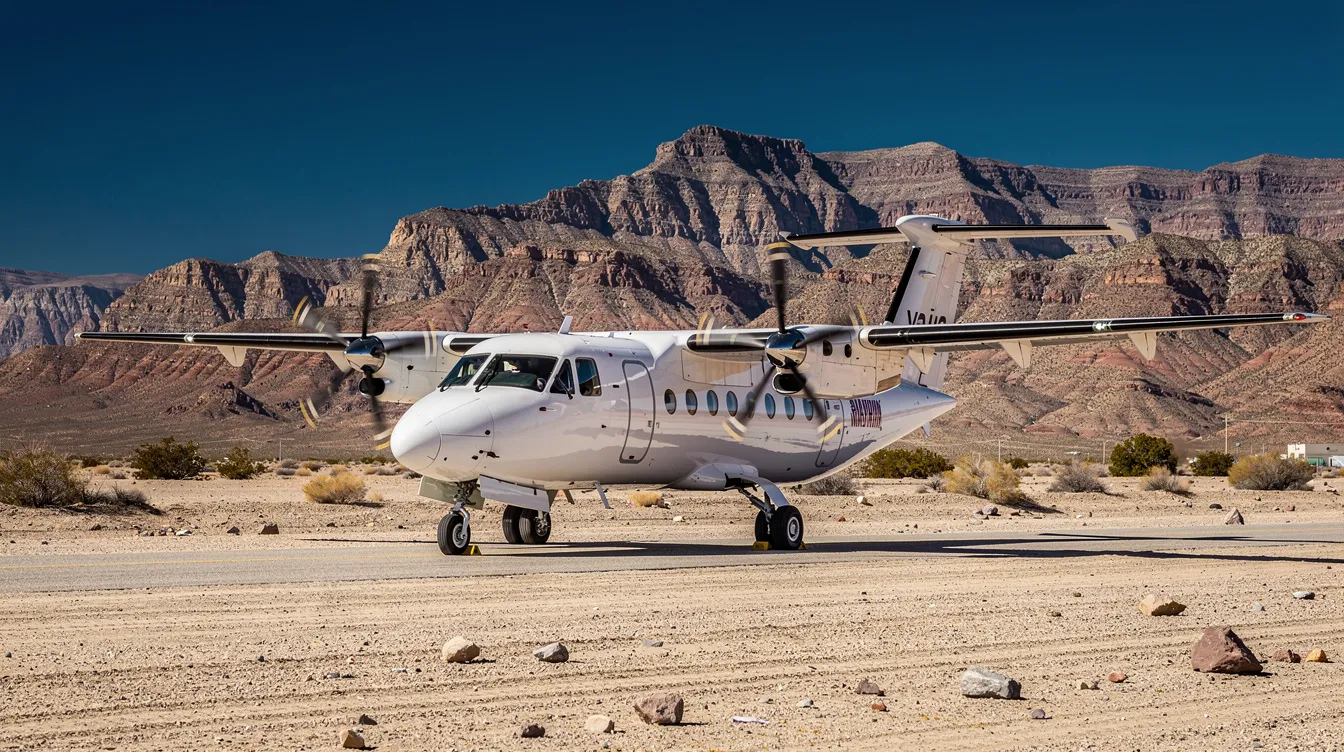
Steelman Aviation, operating as AirSmart, specializes in private charter flights using a fleet of Pilatus aircraft from North Las Vegas. With a focus on regional travel across the Western USA and Mexico, they offer tailored solutions for leisure and corporate trips. Travelers can easily access their services through Jettly's digital marketplace, ensuring transparent pricing and a variety of aircraft options.
Jay Franco Serevilla
Aug 23, 2026
|
5
min read

View all
Jet charter services in Scottsdale, AZ, offer travelers unparalleled convenience and flexibility for both business and leisure. With access to over 20,000 aircraft, Jettly provides instant pricing and tailored options for private flights to key markets. Enjoy quick terminal access and personalized in-flight services while saving valuable time compared to commercial flights.
Jay Franco Serevilla
Aug 23, 2026
|
5
min read

View all
GTA Air Inc, based in Addison, TX, specializes in the rapid transport of time-sensitive cargo across the U.S. using a fleet of piston aircraft. This article compares GTA Air's operations with private charter platforms like Jettly, highlighting their unique roles in logistics and travel. Both services prioritize speed and flexibility, catering to different needs in the air transport sector.
Jay Franco Serevilla
Aug 23, 2026
|
5
min read

View all
Private jet customs clearance is essential for international flights, requiring compliance with customs, immigration, and agricultural inspections. This guide explains the customs process, highlighting the differences between private and commercial flights, and offers tips for a seamless experience. Understanding pre-flight filings and on-site procedures can help travelers avoid delays and enjoy the benefits of flying private.
Jay Franco Serevilla
Aug 23, 2026
|
5
min read

View all
Waltzing Matilda Aviation LLC is a U.S.-based private charter operator known for its Bombardier and Cessna aircraft, offering personalized services from Hanscom Field. This article compares WMA's focused service model with the broader options available through digital marketplaces like Jettly, highlighting the trade-offs between consistency and flexibility in private aviation.
Jay Franco Serevilla
Aug 23, 2026
|
5
min read
Explore our latest articles and updates.

5
min read
Allegiant Air Flights vs Private Charter: How to Make the Right Travel Choice
Allegiant Air offers budget-friendly flights connecting underserved cities to popular vacation spots, focusing on unbundled pricing and limited schedules. In contrast, private jet charters like Jettly provide flexibility, comfort, and tailored travel experiences for those willing to invest more for convenience. This guide helps travelers weigh their options based on budget, comfort, and overall travel needs.
Read More
5
min read
CYPD Airport Guide: Allan J. MacEachen Port Hawkesbury Airport for Private Jet Travelers
Allan J. MacEachen Port Hawkesbury Airport (CYPD) is a key regional hub for private jet travelers, offering efficient access to Cape Breton Island and the Strait of Canso. With comprehensive facilities, 24-hour operations, and customs clearance, it provides a seamless travel experience for business and leisure flights. The airport's growth, driven by international golf tourism, has transformed it into a vital gateway for the region.
Read MoreJoin our community and receive the latest blog updates directly in your inbox.
MEMBERSHIPS AND ASSOCIATIONS



Disclaimer: Jettly operates as a charter broker, offering access to a global digital jet charter marketplace. Jettly is not a direct air carrier and does not own or operate aircraft. All advertised flights are conducted by third-party air carriers that are fully licensed and hold the appropriate Part 135 or Part 121 certifications issued by the Federal Aviation Administration (FAA) or equivalent regulatory authorities under U.S. or foreign law. Jettly complies fully with the U.S. Department of Transportation's Part 295 and Part 298 Charter Broker regulations. Jettly does not carry additional liability insurance. Passengers are covered by aircraft operator insurance. TICO: 50023770


