


Login
Get Instant Pricing On 23,000+ Aircraft


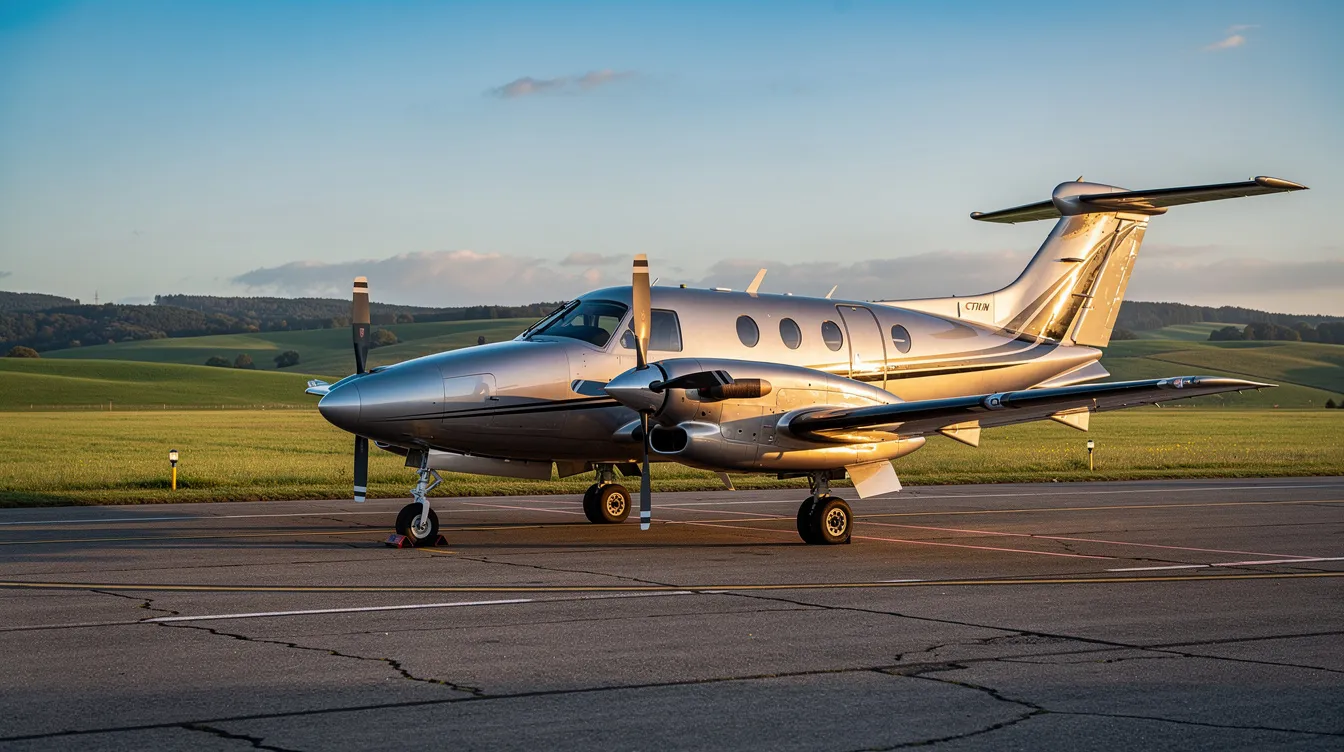
The Cessna 182T Skylane is a versatile four-seat aircraft known for its performance and reliability, powered by a 230 hp Lycoming engine and equipped with advanced Garmin avionics. It offers a cruise speed of 140-145 knots and a service ceiling above 18,000 feet, making it suitable for various roles including training, personal travel, and commercial operations like skydiving and government patrols. The aircraft's high-wing design enhances visibility and stability, while its spacious cabin accommodates passengers comfortably. Charter services, such as those provided by Jettly, connect users to operators of the Cessna 182T for regional travel and adventure access.
Jay Franco Serevilla
Apr 24, 2026
|
5
min read


View all
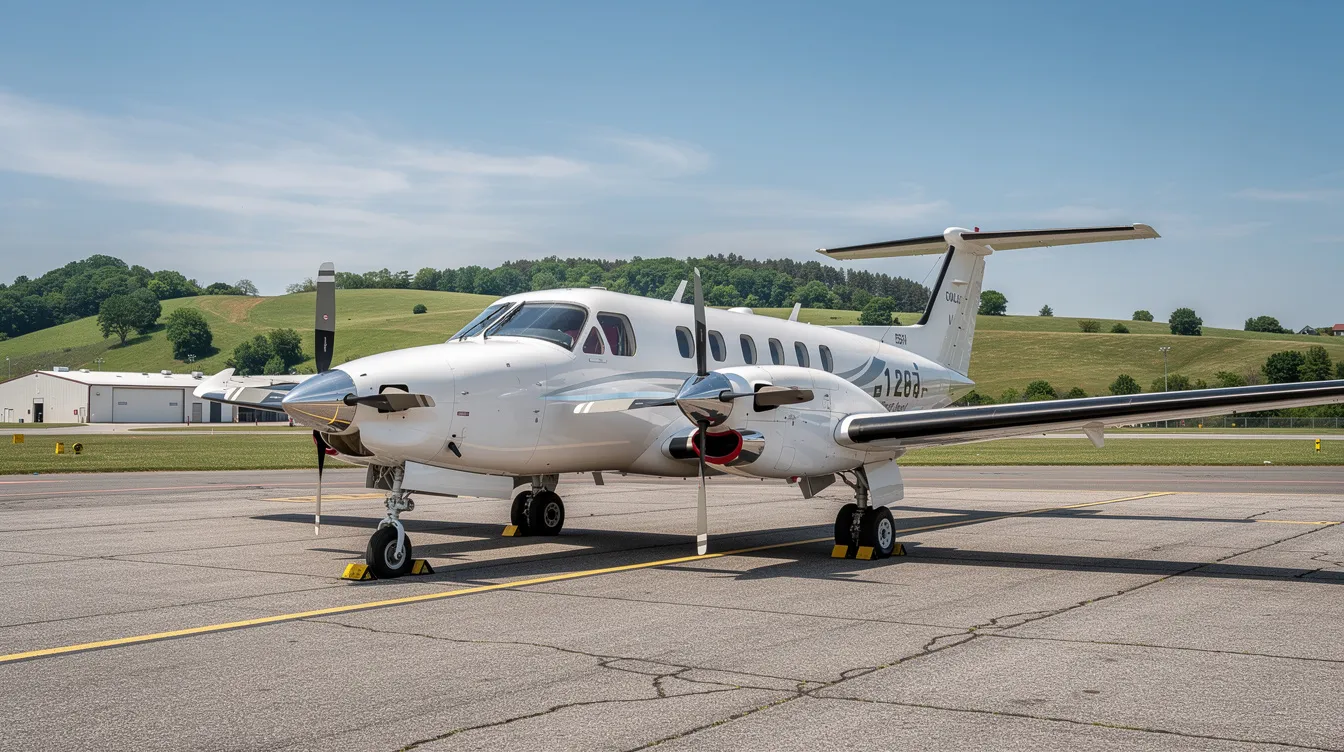
The Beechcraft Premier 1A is a light business jet produced from 2006 to 2013, designed for short- to mid-range travel with a range of approximately 1,500 nautical miles and a maximum cruise speed of Mach 0.80. It features a spacious cabin for up to six passengers, powered by twin Williams FJ44-2A engines, and is equipped with advanced Rockwell Collins Pro Line 21 avionics, allowing for single-pilot operation. Currently, pre-owned models are available for around $1.7 to $2.5 million, and charter rates typically range from $3,500 to $4,000 per hour, making it a cost-effective option for business and leisure travel. The Premier 1A remains popular in charter fleets and is well-regarded for its performance, comfort, and operational flexibility.
Jay Franco Serevilla
Jun 15, 2026
|
5
min read
View all
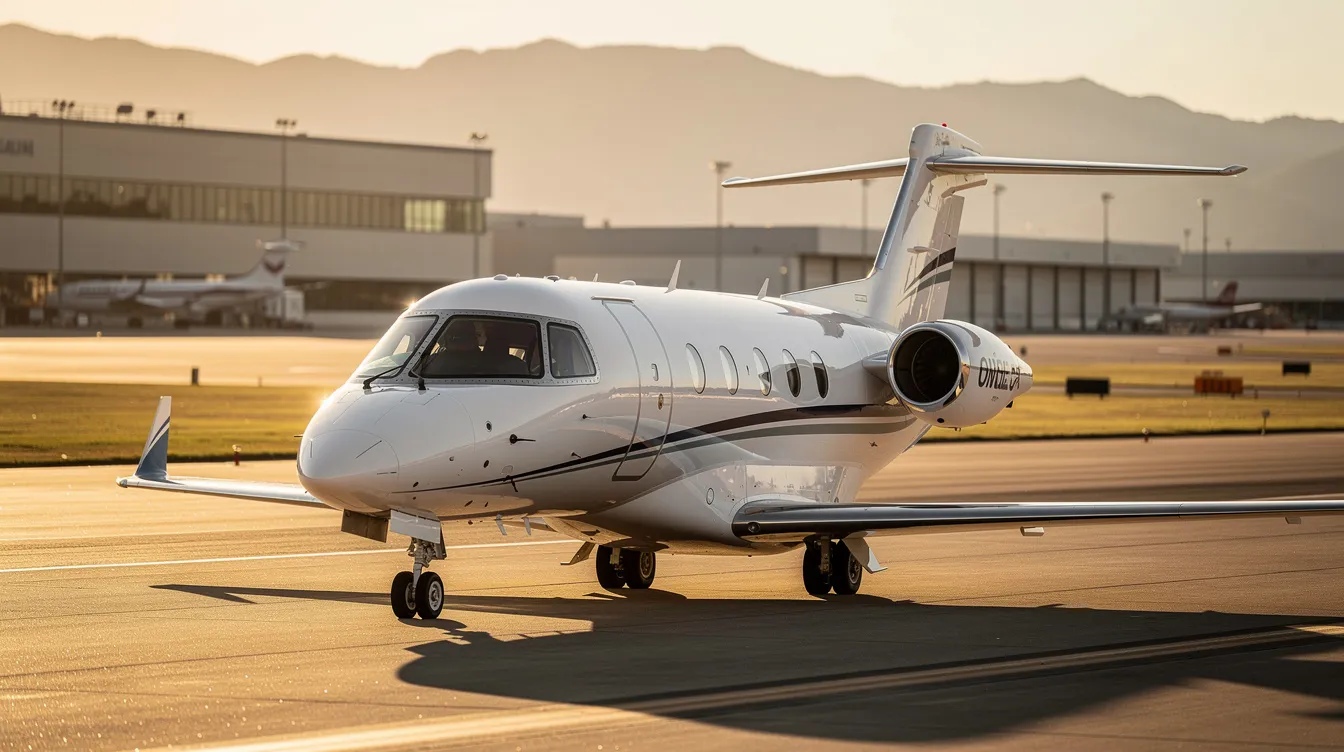
The Piper Meridian (PA-46-500TP) is a cost-effective and efficient single-engine turboprop ideal for private charter travelers, offering a maximum cruise speed of 267 knots and a range of approximately 1,000 nautical miles. Its pressurized cabin comfortably seats up to six passengers, making it suitable for both business and leisure trips, while modern avionics enhance safety and situational awareness. The aircraft's ability to operate from shorter runways provides added flexibility, allowing access to smaller airports. Jettly's platform offers transparent pricing and instant quotes for Piper Meridian charters, making it a convenient option for travelers seeking private aviation solutions.
Jay Franco Serevilla
Jun 15, 2026
|
5
min read
View all
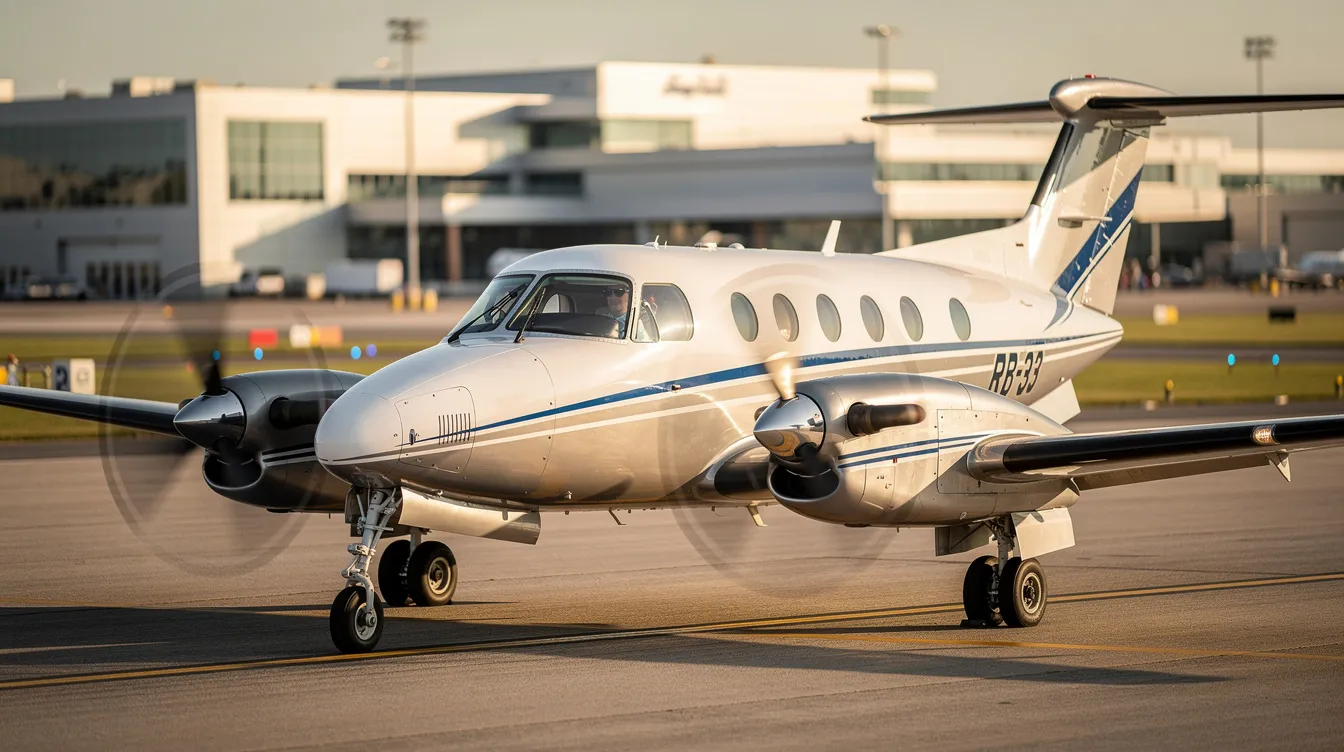
The Beechcraft Premier 1A is a light business jet produced from 2006 to 2013, designed for short- to mid-range travel with a range of approximately 1,500 nautical miles and a cruising speed of Mach 0.80. It features a spacious cabin for up to six passengers, powered by twin Williams FJ44-2A engines, and is certified for single-pilot operation, making it a practical choice for business and leisure travel. Currently, pre-owned models range from $1.687 million to $2.5 million, with charter rates typically between $3,500 and $4,000 per hour, offering a cost-effective option compared to midsize jets. Jettly provides an easy platform for booking the Premier 1A, allowing travelers to compare it with other light jets for their specific needs.
Jay Franco Serevilla
Jun 15, 2026
|
5
min read
View all
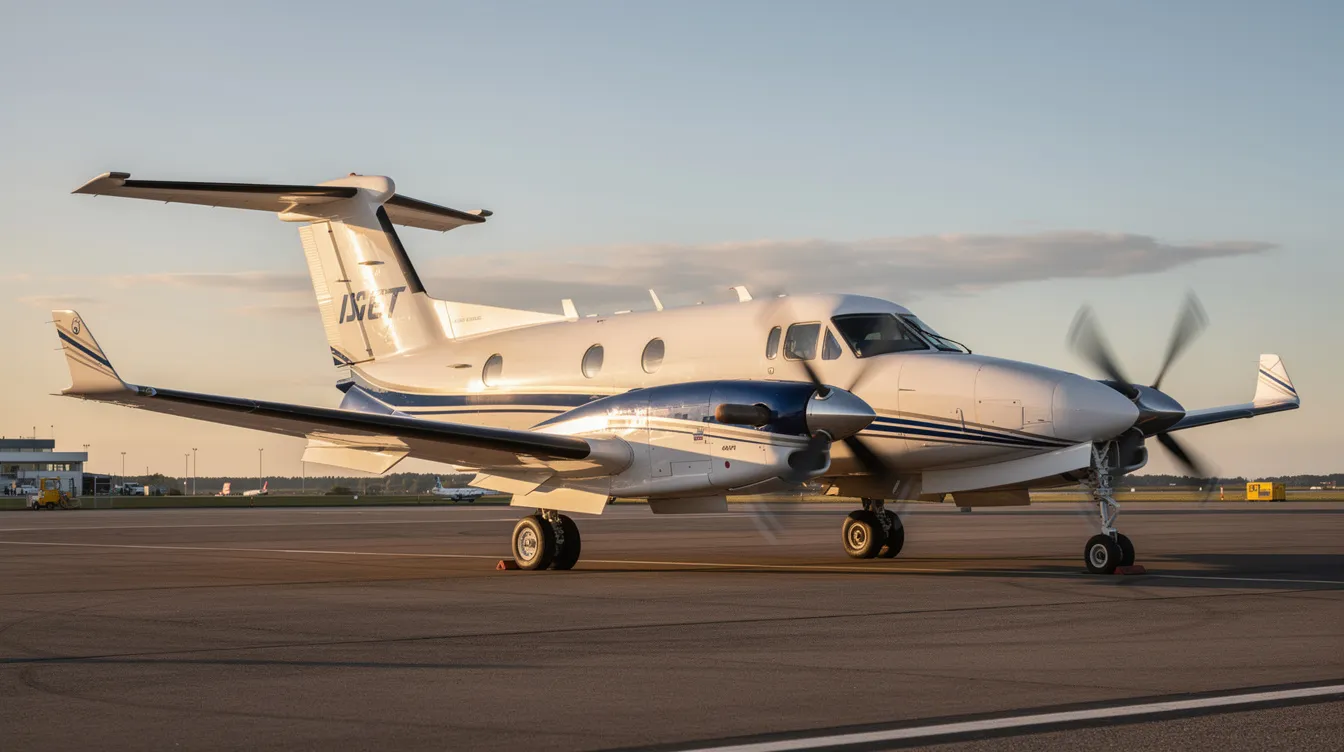
The Beechcraft King Air 360 is a modern turboprop aircraft that combines reliability, advanced avionics, and enhanced cabin comfort, making it an ideal choice for private charter services. With a maximum cruise speed of 312 knots and a range of 1,806 nautical miles, it efficiently serves regional routes while accessing smaller airports that jets cannot. The aircraft features a spacious cabin designed for up to 11 passengers, with improvements in soundproofing and seating comfort, catering to both business and leisure travelers. Jettly offers flexible charter options for the King Air 360, providing cost-effective solutions for various travel needs, including corporate shuttles and medical transport.
Jay Franco Serevilla
Jun 15, 2026
|
5
min read
View all
The Beechcraft King Air B200GT is a practical twin-engine turboprop popular for private charter and regional business missions, offering seating for 6-8 passengers, a range of 1,164 nautical miles, and a maximum cruise speed of 305 knots. With annual operating costs around $1,054,495 and efficient fuel consumption, it provides a cost-effective alternative to light jets, especially for trips between 300-800 nautical miles. The aircraft features modern avionics and a comfortable cabin, making it suitable for executive travel, medical evacuations, and cargo transport. Travelers can easily charter the King Air B200GT through Jettly's on-demand platform, which offers instant pricing and flexible booking options.
Jay Franco Serevilla
Jun 15, 2026
|
5
min read

View all
Prop planes, including turboprop and piston aircraft, play a significant role in private aviation, particularly for regional routes under 1,500 kilometers where jets are less economical. They offer advantages such as lower operating costs, access to smaller and unpaved airports, and the ability to connect remote communities. Turboprops, like the Beechcraft King Air and Pilatus PC-12, provide jet-like cabins and performance for short-haul flights, making them ideal for business travel. Jettly's platform facilitates real-time comparisons of turboprops and jets, ensuring travelers can choose the most suitable aircraft for their needs with transparent pricing.
Jay Franco Serevilla
Jun 15, 2026
|
5
min read
Explore our latest articles and updates.
5
min read
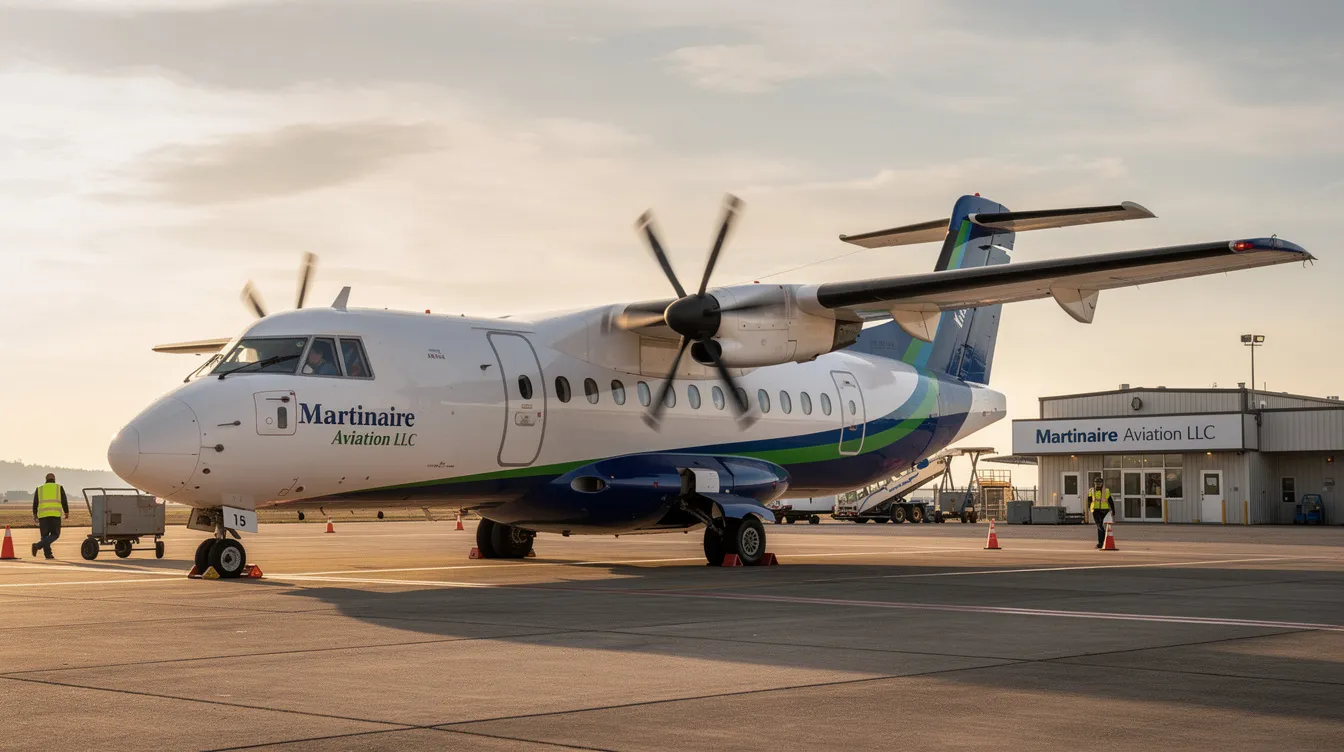
Martinaire Aviation LLC: Cargo Operations, Careers, and How It Compares to Private Charter
Martinaire Aviation LLC, founded in 1978, is a leading cargo feeder carrier in the U.S., specializing in overnight freight operations. With a fleet of turboprop aircraft, it connects regional airports to major sorting hubs, primarily serving integrators like UPS. This article explores Martinaire's operations, career opportunities, and how it contrasts with private charter services like Jettly.
Read More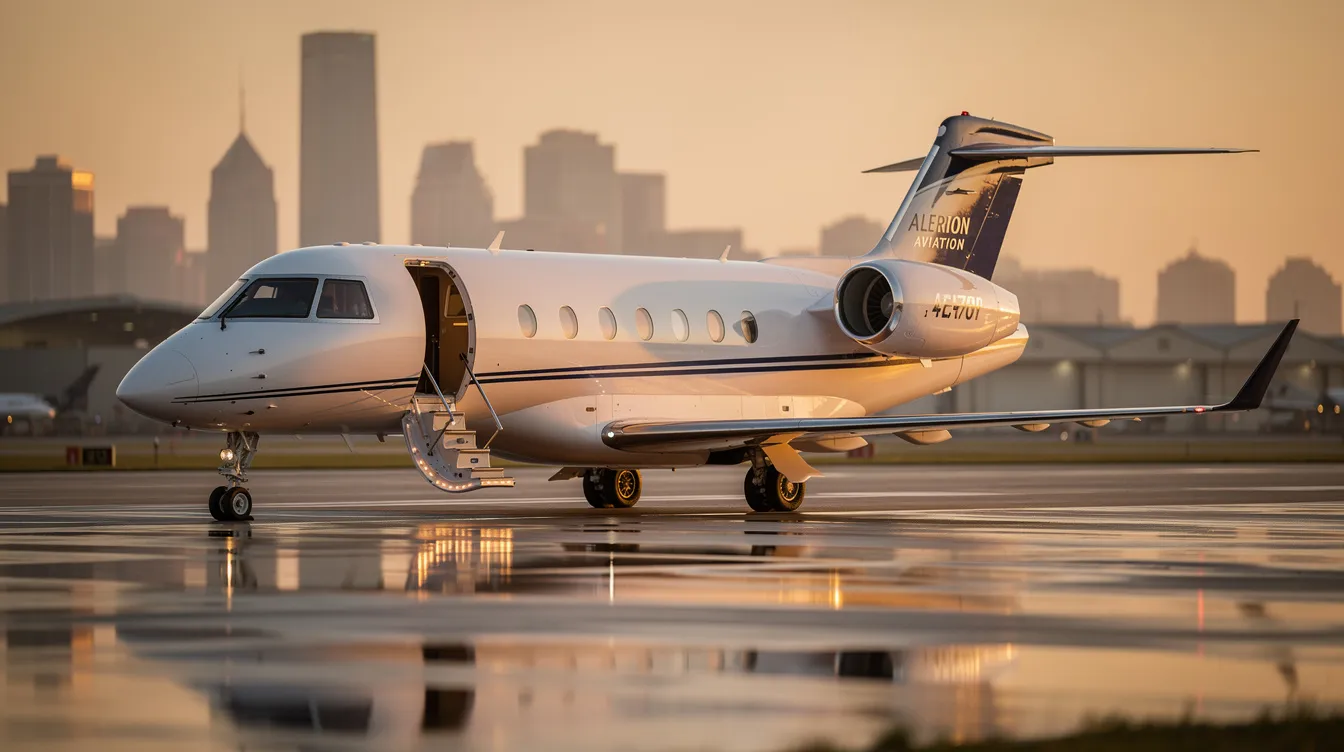
5
min read
Alerion Aviation: Charter, Aircraft Management, and How Jettly Helps You Compare Options
Alerion Aviation is a premier boutique private aviation company specializing in aircraft management, on-demand charter, and in-house maintenance. With a strong safety record and a large fleet operating from key U.S. locations, Alerion offers personalized service for travelers and aircraft owners. Jettly enhances the experience by providing a digital marketplace for comparing charter options, ensuring travelers find the best fit for their needs.
Read MoreJoin our community and receive the latest blog updates directly in your inbox.
MEMBERSHIPS AND ASSOCIATIONS



Disclaimer: Jettly operates as a charter broker, offering access to a global digital jet charter marketplace. Jettly is not a direct air carrier and does not own or operate aircraft. All advertised flights are conducted by third-party air carriers that are fully licensed and hold the appropriate Part 135 or Part 121 certifications issued by the Federal Aviation Administration (FAA) or equivalent regulatory authorities under U.S. or foreign law. Jettly complies fully with the U.S. Department of Transportation's Part 295 and Part 298 Charter Broker regulations. Jettly does not carry additional liability insurance. Passengers are covered by aircraft operator insurance. TICO: 50023770


