



Login
Get Instant Pricing On 23,000+ Aircraft


Certain aircraft have gained notoriety for their poor safety records, particularly the Fokker F28 and McDonnell Douglas MD-11, which exhibit high hull loss rates. While the Boeing 737 family has the highest total fatalities, this is largely due to its extensive use rather than inherent danger. Understanding these statistics is crucial for travelers assessing aviation safety.
Jeff Ryan Serevilla
Oct 22, 2026
|
5
min read



View all
A $10 million budget for a private jet offers access to top-tier light jets and pre-owned midsize jets, providing flexibility for business and family travel. This guide explores the aircraft options, operating costs, and the benefits of ownership versus chartering through platforms like Jettly. Understanding these factors can help buyers make informed decisions about their aviation needs.
Jay Franco Serevilla
Aug 5, 2026
|
5
min read

View all
Choosing the right private jet operator is crucial for a successful trip. This guide provides insights into how private jet operators function, their pricing structures, and when to utilize digital charter platforms like Jettly for optimal convenience and flexibility.
Jay Franco Serevilla
Aug 5, 2026
|
5
min read

View all
Traveling internationally by private jet offers unparalleled convenience and flexibility, allowing passengers to bypass crowded commercial airports and streamline customs processes. Jettly provides access to over 20,000 aircraft worldwide, making it easy to book tailored flights that fit individual schedules and preferences. This guide explores the unique aspects of international private flights, including costs, aircraft types, and the booking process.
Jay Franco Serevilla
Aug 5, 2026
|
5
min read
View all
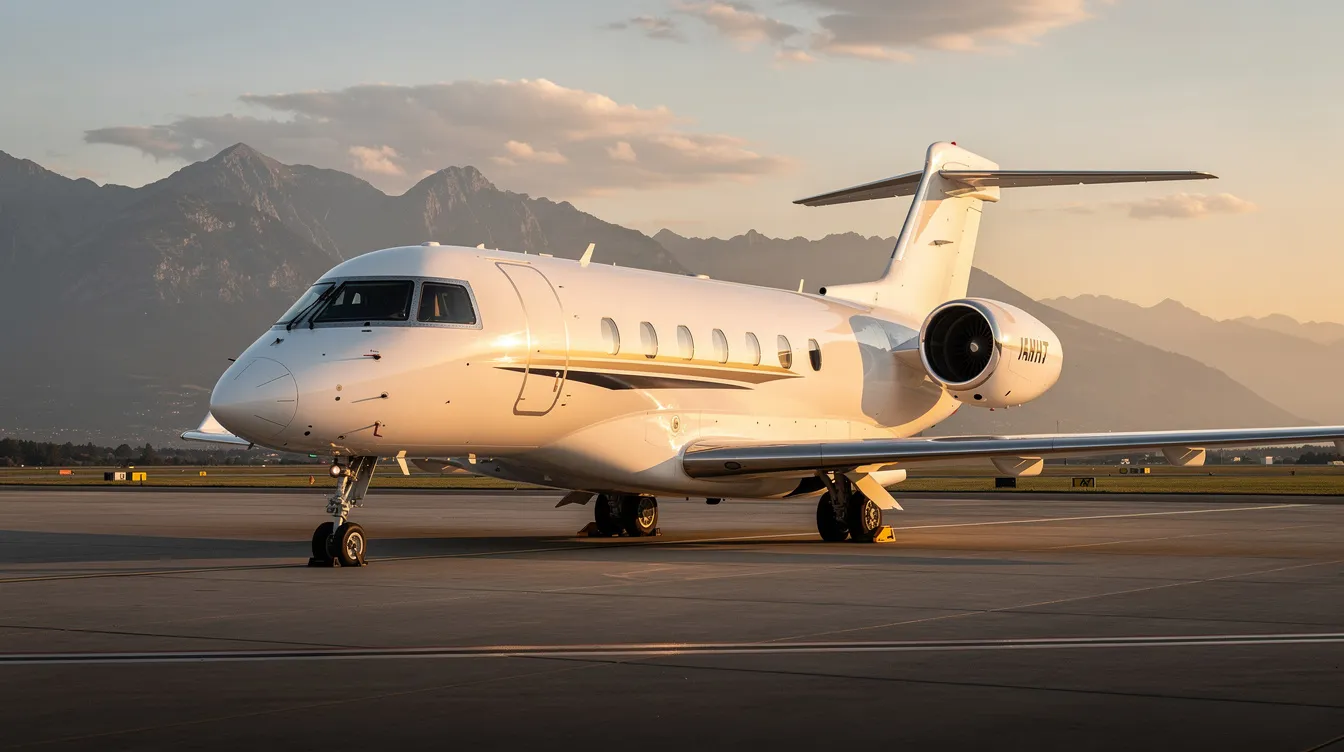
Choosing the right name for a plane company is crucial for branding and operational success in the aviation industry. This guide provides insights into effective naming strategies, legal considerations, and branding applications, drawing lessons from established airlines and aircraft manufacturers. By understanding the importance of trust, clarity, and memorability, aviation entrepreneurs can create impactful names that resonate with customers and regulators alike.
Jay Franco Serevilla
Aug 5, 2026
|
5
min read
View all
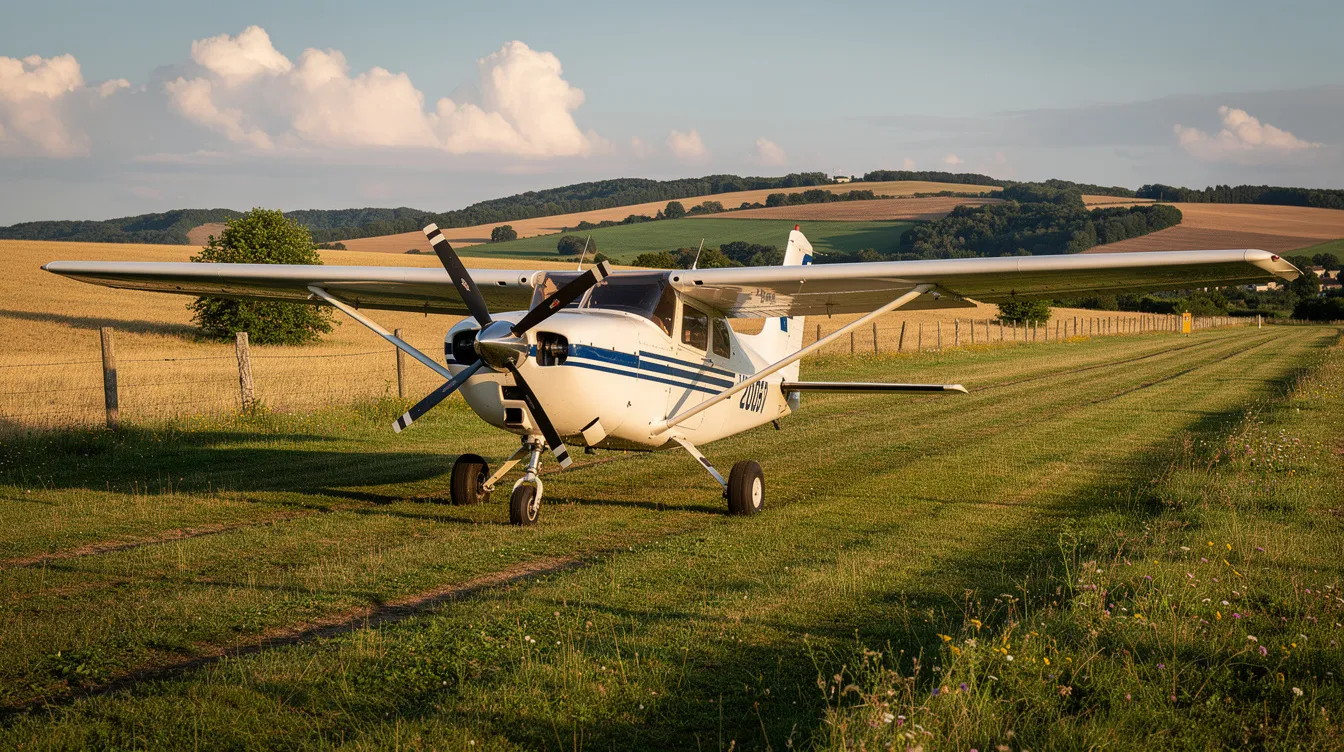
In 2026, the cheapest private planes start at around $25,000 for older piston aircraft, with turboprops costing between $300,000 and $600,000, and very light jets starting at about $1 million. This guide explores various aircraft types, their purchase prices, and ongoing costs, emphasizing that chartering through platforms like Jettly can often be more economical than ownership for infrequent flyers.
Jay Franco Serevilla
Aug 5, 2026
|
5
min read

View all
This comprehensive buyer's guide details the process of purchasing Zenith aircraft, including popular models like the STOL CH 701 and CH 750. It covers pricing trends from 2024 to 2026, key inspection points, and alternative options like chartering through Jettly. Buyers are encouraged to focus on build quality and maintenance history to ensure a sound investment.
Jay Franco Serevilla
Aug 5, 2026
|
5
min read
Explore our latest articles and updates.

5
min read
Jet Card Policies: Peak Days, Cancellation & Expiry Explained
Jet card programs typically allow flights during peak travel periods like holidays, but they impose stricter rules regarding availability, cancellation policies, and surcharges. Peak days often require longer booking lead times (5-10 days) and may incur surcharges of 10-40%, while cancellation policies can result in significant penalties for late cancellations. Many jet card hours expire within 12-36 months, and refundability is rare unless specified in the contract. Jettly offers a trip-based model that avoids hour expiry, providing flexibility and transparency in pricing without the constraints of traditional jet card memberships.
Read More
5
min read
Jet Card vs Charter vs Fractional Ownership vs Membership
This guide outlines four primary private jet access models: on-demand charter, jet cards, private jet memberships, and fractional ownership, each catering to different travel needs and budgets. On-demand charter offers maximum flexibility for infrequent flyers, while jet cards provide predictable pricing and guaranteed access for those flying 25-100 hours annually. Membership programs offer lower commitments but dynamic pricing, making them suitable for occasional travelers, whereas fractional ownership is best for frequent flyers (100+ hours/year) seeking consistent access and willing to invest significantly. Ultimately, the choice depends on individual travel patterns, budget, and the desired balance between flexibility and ownership control.
Read MoreJoin our community and receive the latest blog updates directly in your inbox.
MEMBERSHIPS AND ASSOCIATIONS



Disclaimer: Jettly operates as a charter broker, offering access to a global digital jet charter marketplace. Jettly is not a direct air carrier and does not own or operate aircraft. All advertised flights are conducted by third-party air carriers that are fully licensed and hold the appropriate Part 135 or Part 121 certifications issued by the Federal Aviation Administration (FAA) or equivalent regulatory authorities under U.S. or foreign law. Jettly complies fully with the U.S. Department of Transportation's Part 295 and Part 298 Charter Broker regulations. Jettly does not carry additional liability insurance. Passengers are covered by aircraft operator insurance. TICO: 50023770


