



Login
Get Instant Pricing On 23,000+ Aircraft


Certain aircraft have gained notoriety for their poor safety records, particularly the Fokker F28 and McDonnell Douglas MD-11, which exhibit high hull loss rates. While the Boeing 737 family has the highest total fatalities, this is largely due to its extensive use rather than inherent danger. Understanding these statistics is crucial for travelers assessing aviation safety.
Jeff Ryan Serevilla
Oct 22, 2026
|
5
min read



View all
Ultralight planes are an excellent choice for aviation enthusiasts and first-time buyers in 2026, offering affordable entry into personal flying. This guide covers essential information on prices, regulations, and how Jettly complements your flying plans, ensuring you make informed decisions. Understanding the differences between ultralights, light sport aircraft, and experimental builds is crucial for navigating the market.
Jay Franco Serevilla
Aug 5, 2026
|
5
min read

View all
This comprehensive guide explores the market for Velocity airplanes, detailing specifications, pricing, and essential considerations for potential buyers. It also highlights charter alternatives through Jettly, offering insights into the benefits of both ownership and chartering. Whether you're a pilot or an aviation enthusiast, understanding these options is crucial for making informed decisions.
Jay Franco Serevilla
Aug 5, 2026
|
5
min read
View all
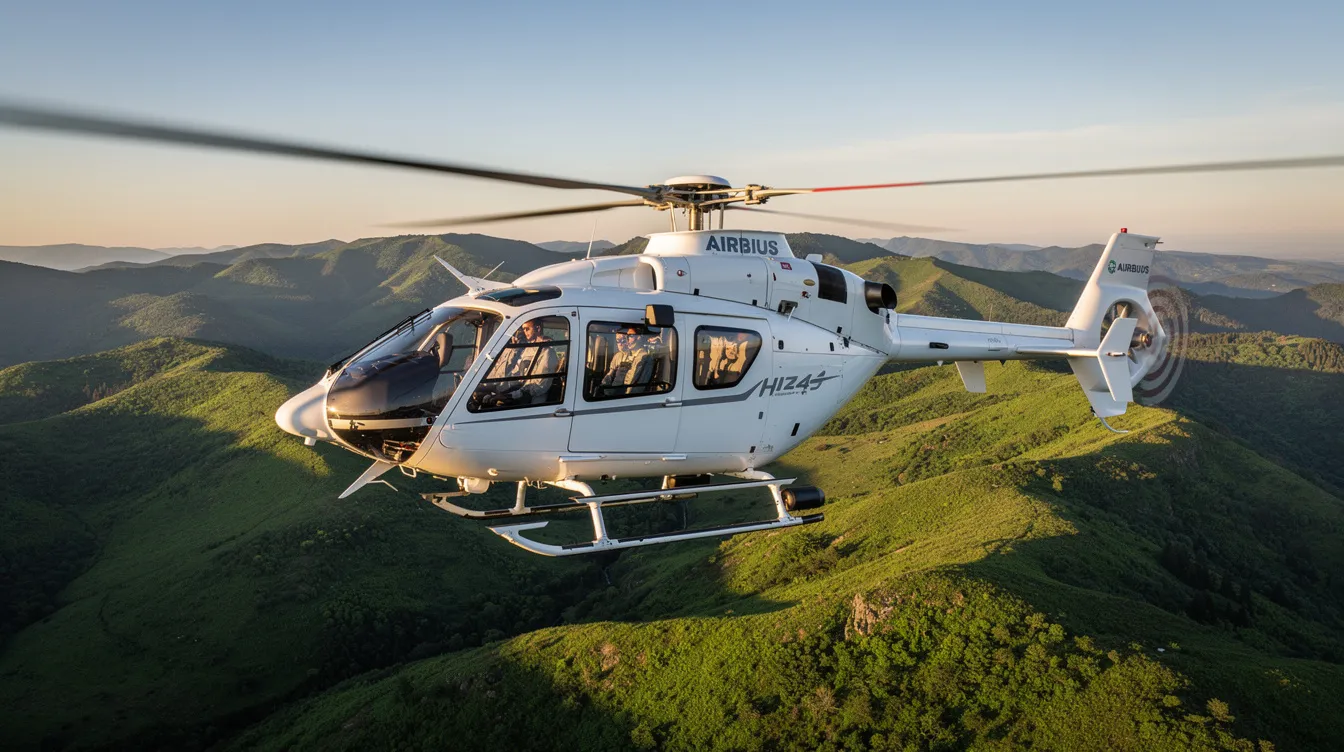
Airbus helicopters are highly sought after for various missions, from corporate travel to emergency services. This guide provides insights into pricing, operating costs, and the advantages of chartering through platforms like Jettly compared to ownership. With a range of models available, buyers can find options that suit their needs and budget.
Jay Franco Serevilla
Aug 5, 2026
|
5
min read

View all
The Airbus A380, the largest passenger airliner, is now available only as a used aircraft following the end of its production in December 2021. This guide provides insights into the current market, pricing, and operational costs for potential buyers, including airlines and investors. With prices ranging from $25 to $60 million, understanding the hidden costs and practical realities is crucial for making informed decisions.
Jay Franco Serevilla
Aug 5, 2026
|
5
min read

View all
Selling an airplane in 2026 requires meticulous preparation, including organizing maintenance records and ensuring all necessary documentation is in order. This comprehensive guide outlines the essential steps for a hassle-free aircraft transfer, from pricing and marketing to negotiating terms and completing the FAA-regulated transfer. With the right approach, sellers can navigate the complexities of aircraft sales and transition smoothly to on-demand charter options.
Jay Franco Serevilla
Aug 5, 2026
|
5
min read

View all
Flight insurance can be a valuable investment for travelers, particularly for high-value or international trips. It provides peace of mind against potential financial losses from cancellations or medical emergencies. However, for low-cost, refundable tickets, it may not be necessary. Understanding your specific travel needs and existing protections is key to making an informed decision.
Jay Franco Serevilla
Aug 5, 2026
|
5
min read
Explore our latest articles and updates.

5
min read
Fractional Ownership vs Jet Card vs Charter: Which Is Right for You?
This guide compares three private aviation options: fractional ownership, jet cards, and on-demand charter, highlighting their distinct trade-offs in cost, commitment, flexibility, and aircraft consistency. Fractional ownership requires a significant upfront investment and long-term commitment, making it suitable for frequent flyers (100-200+ hours/year) who value consistent access to a specific aircraft. Jet cards offer a more flexible, pay-as-you-go model ideal for moderate flyers (25-100 hours/year) seeking predictable pricing without ownership risks. On-demand charter is the most flexible and cost-effective option for occasional flyers (under 25 hours/year), allowing users to pay only for the flights they take without any long-term commitments.
Read More
5
min read
How Fractional Jet Ownership Works: The Complete Guide
Fractional jet ownership allows individuals or companies to purchase a share of a specific aircraft, typically ranging from 1/16 to 1/2, granting them a proportional number of flight hours annually and access to equivalent aircraft when their own is unavailable. This model provides the benefits of private jet travel, including professional management and operational ease, while reducing the financial burden compared to full ownership. Owners can expect to fly between 50 to 400 hours per year, depending on their share size, and the management company handles all operational aspects under FAA regulations. While fractional ownership requires a significant initial investment and ongoing fees, it offers equity and flexibility, making it suitable for frequent flyers, whereas those flying less may prefer alternatives like jet cards or charter services.
Read MoreJoin our community and receive the latest blog updates directly in your inbox.
MEMBERSHIPS AND ASSOCIATIONS



Disclaimer: Jettly operates as a charter broker, offering access to a global digital jet charter marketplace. Jettly is not a direct air carrier and does not own or operate aircraft. All advertised flights are conducted by third-party air carriers that are fully licensed and hold the appropriate Part 135 or Part 121 certifications issued by the Federal Aviation Administration (FAA) or equivalent regulatory authorities under U.S. or foreign law. Jettly complies fully with the U.S. Department of Transportation's Part 295 and Part 298 Charter Broker regulations. Jettly does not carry additional liability insurance. Passengers are covered by aircraft operator insurance. TICO: 50023770


