


Login
Get Instant Pricing On 23,000+ Aircraft

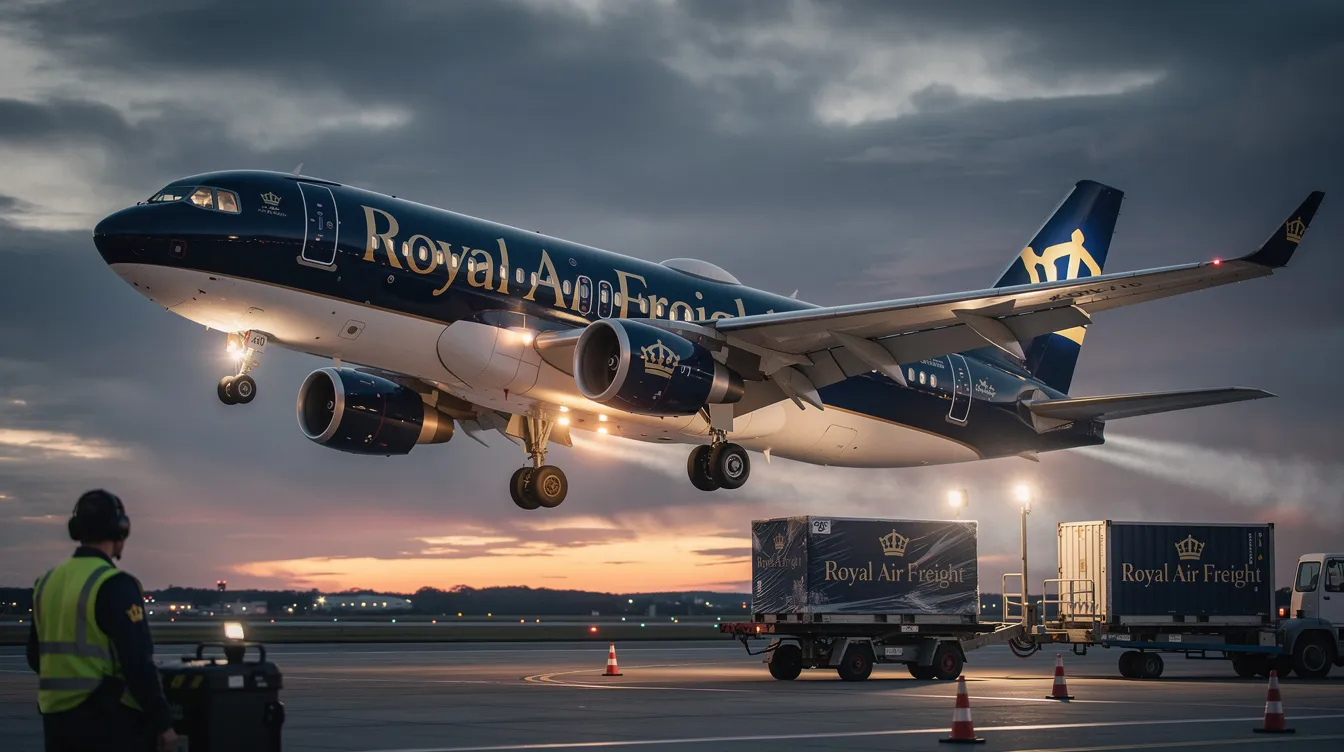
Royal Air Freight Inc. has been a trusted name in charter and air freight services since 1961, specializing in expedited cargo and passenger flights across North America. Jettly, a digital charter broker, offers a broader marketplace for comparing private jet and cargo flight options, providing travelers with greater flexibility and instant pricing.
Jay Franco Serevilla
Sep 27, 2026
|
5
min read


View all
Fighter jets are named to convey speed, agility, and dominance, often using themes from nature, mythology, and national symbols. The evolution of naming conventions reflects the aircraft's roles and capabilities, from World War II icons to modern stealth fighters. Understanding these names provides insight into military strategy and the cultural significance behind each aircraft.
Jay Franco Serevilla
Jul 13, 2026
|
5
min read

View all
Jet fighter planes are specialized military aircraft designed for air-to-air combat, emphasizing speed, maneuverability, and precision. This article explores the evolution of these fighters from their inception in the 1940s to the advanced fifth-generation models like the F-35 and emerging sixth-generation concepts. Understanding their capabilities and roles is essential for grasping modern military aviation and air superiority.
Jay Franco Serevilla
Jul 13, 2026
|
5
min read
View all
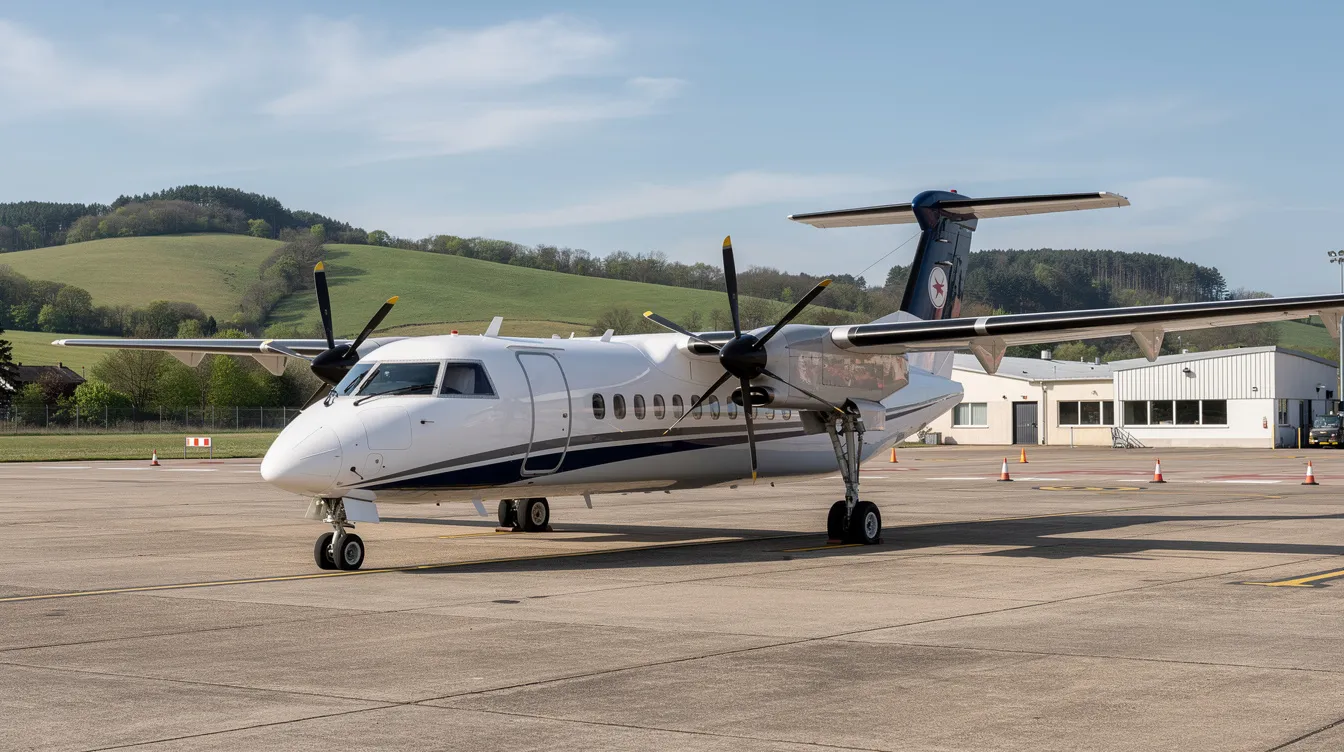
The Saab 340A is a reliable twin-engine turboprop airliner designed for regional markets, accommodating 25 to 36 passengers. With a maximum cruising speed of 271 knots and a service ceiling of 25,000 feet, it remains a strong choice for charter operations. Jettly offers easy access to Saab 340A charters, providing transparent pricing and on-demand booking for various travel needs.
Jay Franco Serevilla
Jul 13, 2026
|
5
min read

View all
Owning a million-dollar private jet offers freedom and flexibility, but it often comes with unexpected costs. In 2026, this budget typically buys older light jets or turboprops, with annual operating costs that can exceed the purchase price. For many, chartering through platforms like Jettly proves to be a more economical choice, especially for those flying less frequently.
Jay Franco Serevilla
Jul 13, 2026
|
5
min read

View all
CYCK Airport, also known as Chatham-Kent Airport, is a regional airport in Ontario that caters to private jet charters. With a single 5,502-foot runway and 24-hour operations, it offers a low-congestion alternative for business and leisure travelers seeking flexible air travel options. Jettly provides seamless booking and access to various aircraft types for efficient travel to and from this airport.
Jay Franco Serevilla
Jul 13, 2026
|
5
min read

View all
Terrell Municipal Airport (TRL) is a key hub for private aviation located 30 minutes east of Dallas, Texas. With a 5,006-foot runway and full FBO services, it caters to general aviation, corporate travel, and flight training, while also offering a rich World War II history. Jettly connects travelers to TRL for flexible and efficient private flight options.
Jay Franco Serevilla
Jul 13, 2026
|
5
min read
Explore our latest articles and updates.
5
min read
ATR 72-500: Regional Workhorse and Charter-Capable Turboprop
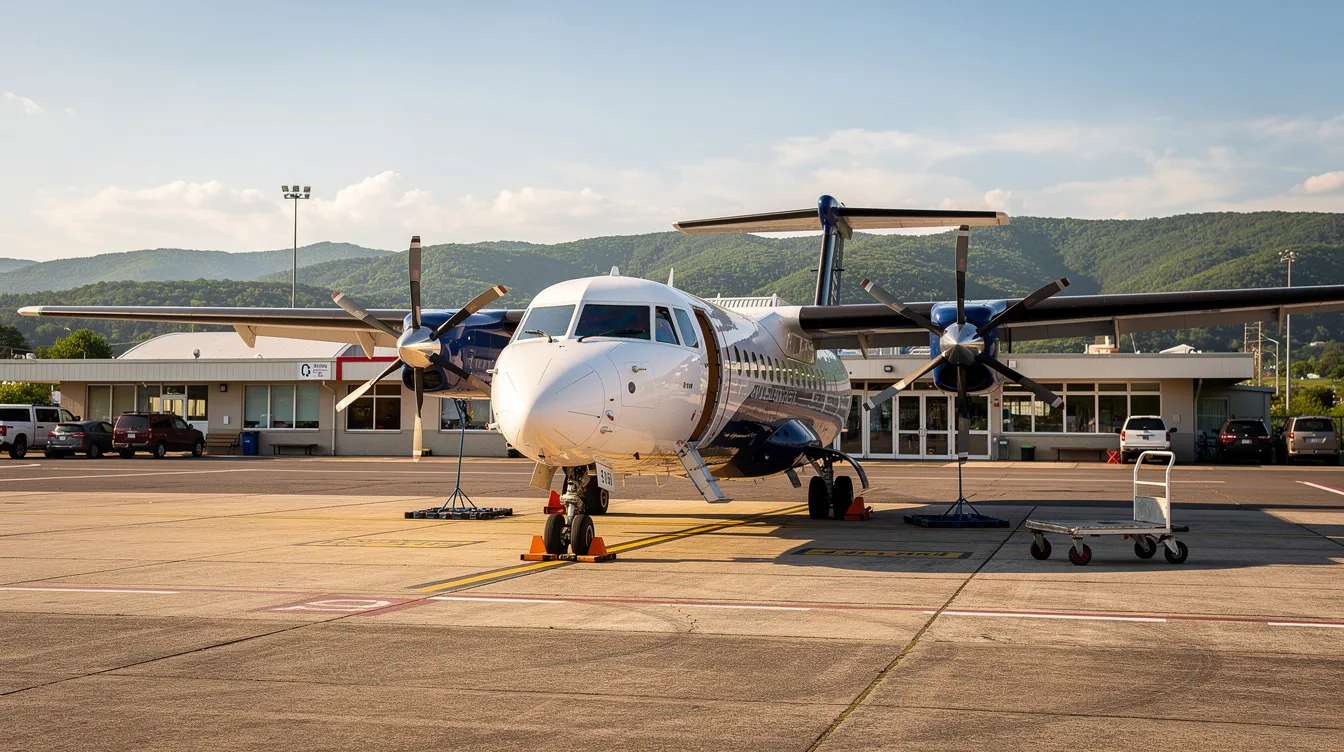
The ATR 72-500 is a cost-efficient turboprop aircraft designed for regional routes, offering low operating costs and the ability to access smaller airports that larger jets cannot serve. With a seating capacity of 68 to 74 passengers and a maximum operating cost of approximately $2,879 per hour, it is favored by regional airlines and charter operators for its fuel efficiency and versatility. The aircraft features advanced systems for improved performance and passenger comfort, making it suitable for both passenger and cargo operations. Platforms like Jettly facilitate access to the ATR 72-500 for group charters, emphasizing its economic advantages for large travel groups and regional logistics.
Read More
5
min read
Embraer ERJ 190 Private Charter Guide: Cabin, Performance, and Costs
The Embraer ERJ 190 is a regional jet ideal for chartering, accommodating 50 to 100 passengers with a comfortable 2+2 seating layout and a maximum range of approximately 2,400 nautical miles. Charter rates typically start at $14,000 to $16,000 per flight hour, making it a cost-effective option for group travel compared to splitting into smaller jets or booking larger airliners. The aircraft's ability to operate from shorter runways allows access to regional airports, enhancing its versatility for corporate shuttles, sports teams, and event logistics. Jettly provides a streamlined online booking process for the ERJ 190, offering transparent pricing and support for customized itineraries.
Read MoreJoin our community and receive the latest blog updates directly in your inbox.
MEMBERSHIPS AND ASSOCIATIONS



Disclaimer: Jettly operates as a charter broker, offering access to a global digital jet charter marketplace. Jettly is not a direct air carrier and does not own or operate aircraft. All advertised flights are conducted by third-party air carriers that are fully licensed and hold the appropriate Part 135 or Part 121 certifications issued by the Federal Aviation Administration (FAA) or equivalent regulatory authorities under U.S. or foreign law. Jettly complies fully with the U.S. Department of Transportation's Part 295 and Part 298 Charter Broker regulations. Jettly does not carry additional liability insurance. Passengers are covered by aircraft operator insurance. TICO: 50023770


