



Login
Get Instant Pricing On 23,000+ Aircraft

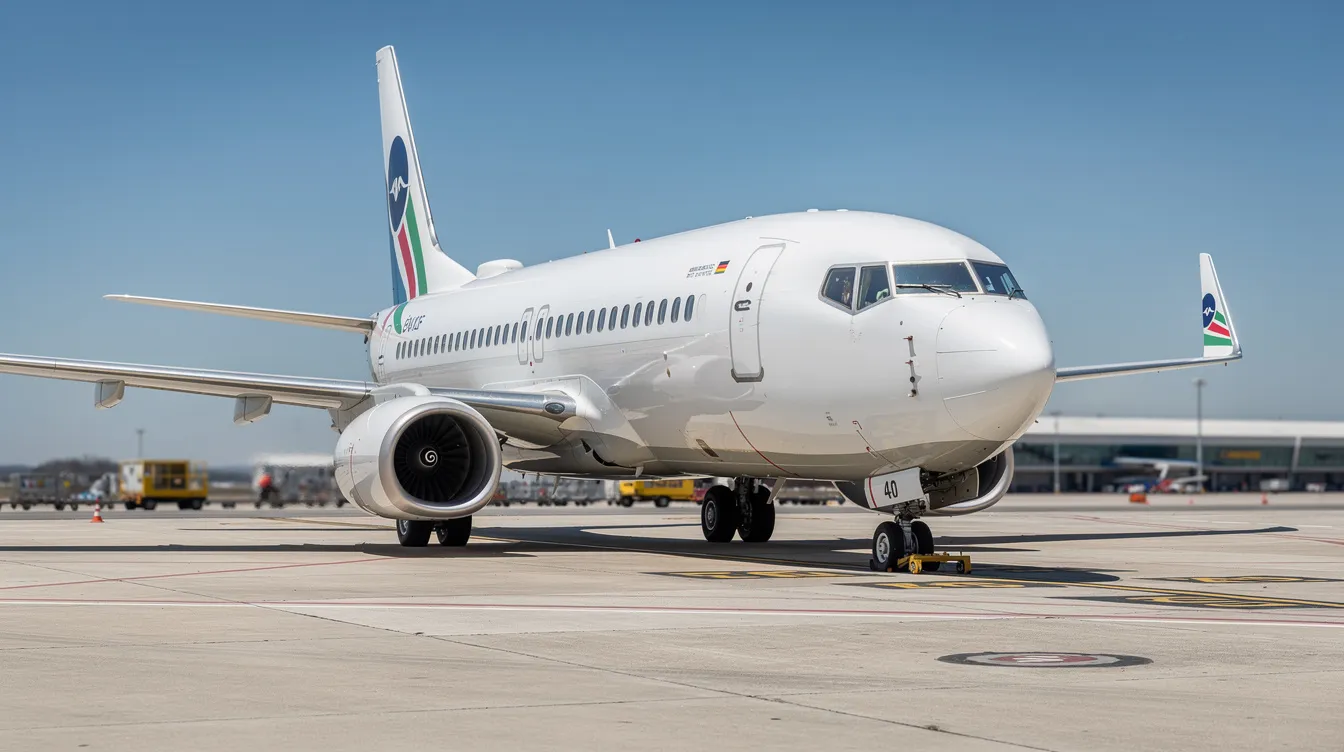
The Boeing 737-700 boasts a strong safety record since its introduction in 1998, distinct from the 737 MAX series. Governed by the FAA and other global regulators, its safety is maintained through rigorous inspections and operator compliance. Passengers can trust the 737-700 for both commercial and private charters, as it lacks the controversial MCAS system found in the MAX models.
Jay Franco Serevilla
Oct 17, 2026
|
5
min read



View all
St James Municipal Airport (KJYG) is a key gateway for private flyers into southern Minnesota, featuring a 4,000-foot paved runway and essential facilities. This guide provides insights into airport operations, charter options through Jettly, and the airport's role in supporting local business and recreational travel.
Jay Franco Serevilla
Jul 29, 2026
|
5
min read

View all
Billy Mitchell Airport (HSE) is a public-use general aviation airport located on Hatteras Island, North Carolina, primarily serving private pilots and charter travelers. This guide provides essential information about the airport's facilities, operations, and nearby alternatives, ensuring a smooth travel experience to the scenic Outer Banks region.
Jay Franco Serevilla
Jul 29, 2026
|
5
min read

View all
Putian currently lacks a commercial airport, requiring travelers to use nearby hubs like Fuzhou Changle International Airport for access. This guide details transfer options, the status of the under-construction Putian Beigao Airport, and how private jet services through Jettly can enhance travel convenience. Whether for business or leisure, understanding these logistics is essential for a smooth trip to Putian.
Jay Franco Serevilla
Jul 29, 2026
|
5
min read

View all
KNBC Airport, or Marine Corps Air Station Beaufort, offers unique private jet charter opportunities for travelers with approved access. This guide outlines access rules, runway specifications, and alternative airports for those flying to or from Beaufort, SC. Jettly simplifies the booking process, ensuring travelers can navigate permissions and find suitable flight options.
Jay Franco Serevilla
Jul 29, 2026
|
5
min read
View all
Putian currently lacks a commercial airport, requiring travelers to use nearby hubs like Fuzhou Changle International Airport for access. This guide details transfer options, the status of the under-construction Putian Beigao Airport, and how private jet services through Jettly can enhance travel convenience. Whether for business or leisure, understanding these logistics is essential for a smooth trip to Putian.
Jay Franco Serevilla
Jul 29, 2026
|
5
min read

View all
Key West International Airport (EYW) is the main airport for flights to Key West, with direct service from 23 U.S. cities. Private jet options are available through platforms like Jettly, offering flexibility and access to nearby airports. This guide compares commercial and private travel options to help you choose the best route to the island.
Jay Franco Serevilla
Jul 29, 2026
|
5
min read
Explore our latest articles and updates.

5
min read
JetBlue Private: How JetBlue Mint Compares to On‑Demand Private Jet Travel
This guide compares JetBlue's premium Mint service and charter options to true private jet travel, helping travelers choose based on comfort, privacy, flexibility, and value. "JetBlue private" typically refers to JetBlue Mint, Mint Studio, or JetBlue Charters, which offer premium commercial experiences rather than traditional private jet services. While JetBlue provides strong amenities like lie-flat seats and priority boarding, true private jet services, such as those offered by Jettly, allow for on-demand scheduling, greater privacy, and access to a wider range of airports. Ultimately, travelers should consider JetBlue for cost-effective, straightforward routes and Jettly for more complex or time-sensitive travel needs.
Read More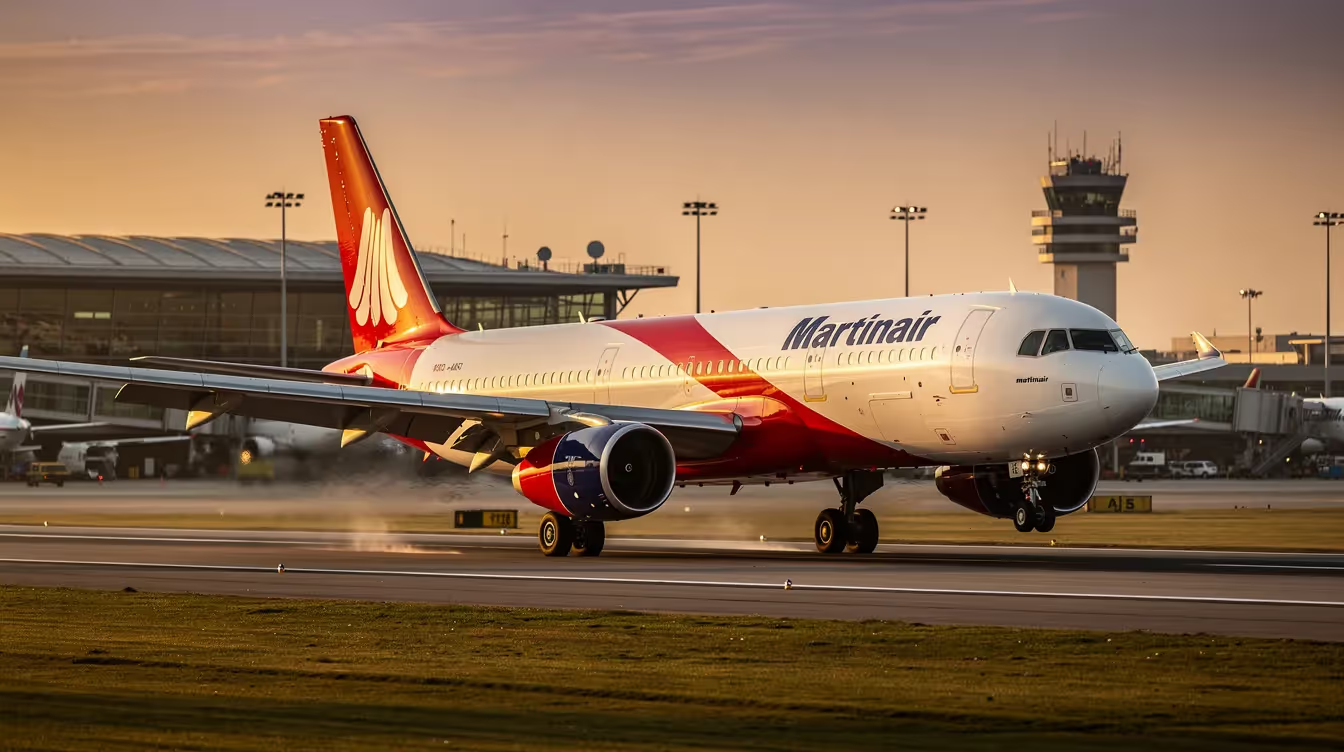
5
min read
Martinair: Cargo Operations, Aircraft Charter Services, and Career Opportunities
Martinair is a Dutch cargo airline under the Air France–KLM group, specializing in global freight transportation with a fleet of Boeing 747 freighters, while U.S. operators like MartinAir and Martinaire focus on regional aircraft charter and cargo services. Since ceasing passenger flights in 2011, Martinair has concentrated on heavy logistics, express cargo, and specialized shipments, such as perishables and pharmaceuticals. For travelers and businesses needing flexible air travel, Jettly offers a digital marketplace for on-demand private charters, providing access to over 20,000 aircraft globally. This allows customers to efficiently compare options for both scheduled cargo services with Martinair and urgent charter needs through Jettly.
Read MoreJoin our community and receive the latest blog updates directly in your inbox.
MEMBERSHIPS AND ASSOCIATIONS



Disclaimer: Jettly operates as a charter broker, offering access to a global digital jet charter marketplace. Jettly is not a direct air carrier and does not own or operate aircraft. All advertised flights are conducted by third-party air carriers that are fully licensed and hold the appropriate Part 135 or Part 121 certifications issued by the Federal Aviation Administration (FAA) or equivalent regulatory authorities under U.S. or foreign law. Jettly complies fully with the U.S. Department of Transportation's Part 295 and Part 298 Charter Broker regulations. Jettly does not carry additional liability insurance. Passengers are covered by aircraft operator insurance. TICO: 50023770


