



Login
Get Instant Pricing On 23,000+ Aircraft


Delta Air Lines utilizes a structured boarding system with eight numbered zones plus pre-boarding, determining the order in which passengers board based on cabin class, fare type, and loyalty status. Understanding this system is crucial for travelers considering commercial flights versus private jet charters, as it impacts overhead bin space and wait times. For those seeking a more streamlined experience, private jet options like Jettly eliminate the complexities of boarding zones altogether.
Jay Franco Serevilla
Oct 25, 2026
|
5
min read


View all
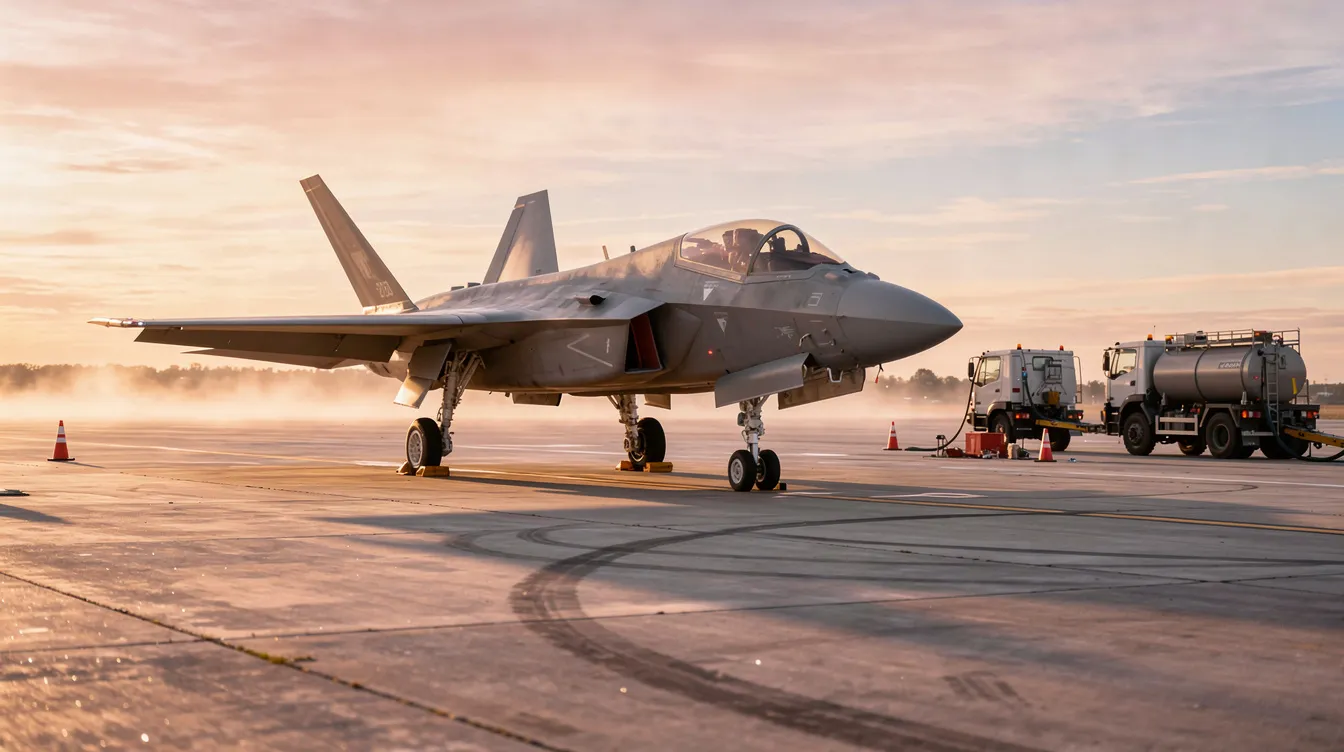
JP-4 fuel, once a staple in military aviation, has been phased out due to safety concerns related to its high volatility and health risks. This article explores its properties, military use, and the implications for modern private aviation travelers, who now benefit from safer fuel alternatives like Jet A and Jet A-1. Understanding these changes is crucial for both veterans and those considering private air travel.
Jay Franco Serevilla
Jul 29, 2026
|
5
min read
View all
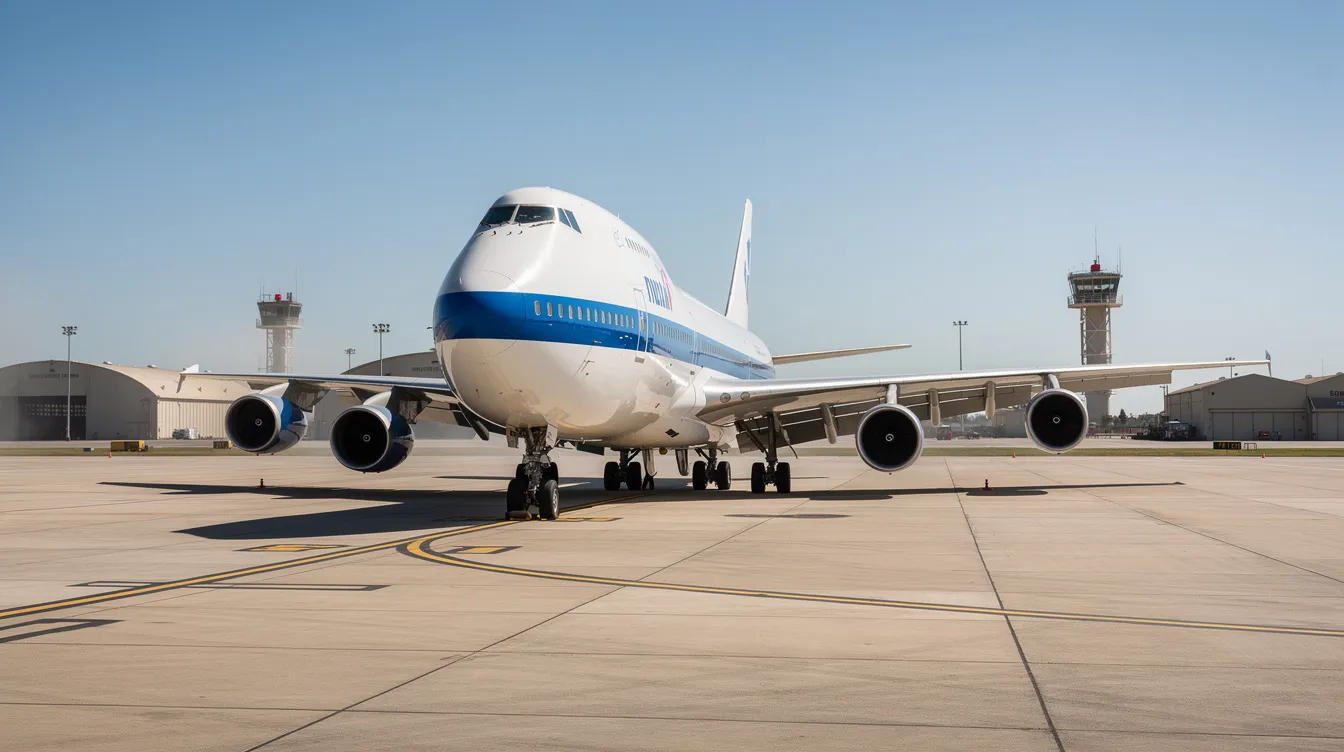
Air Force One, the iconic aircraft used by the U.S. president, is a modified Boeing 747-200B designed for security and functionality. With 4,000 square feet of space, it includes a presidential suite, a flying Oval Office, and advanced communication systems. This article explores its history, technical specifications, and how it compares to modern private aviation options.
Jay Franco Serevilla
Jul 29, 2026
|
5
min read

View all
Choosing the best cross country plane hinges on your specific mission, whether it's family trips, business travel, or backcountry adventures. Key contenders include the Cirrus SR22 for speed, the Cessna Turbo Stationair HD for payload, and charter options for flexibility without ownership costs. Understanding your priorities in speed, range, and comfort is essential for making the right choice.
Jay Franco Serevilla
Jul 29, 2026
|
5
min read
View all
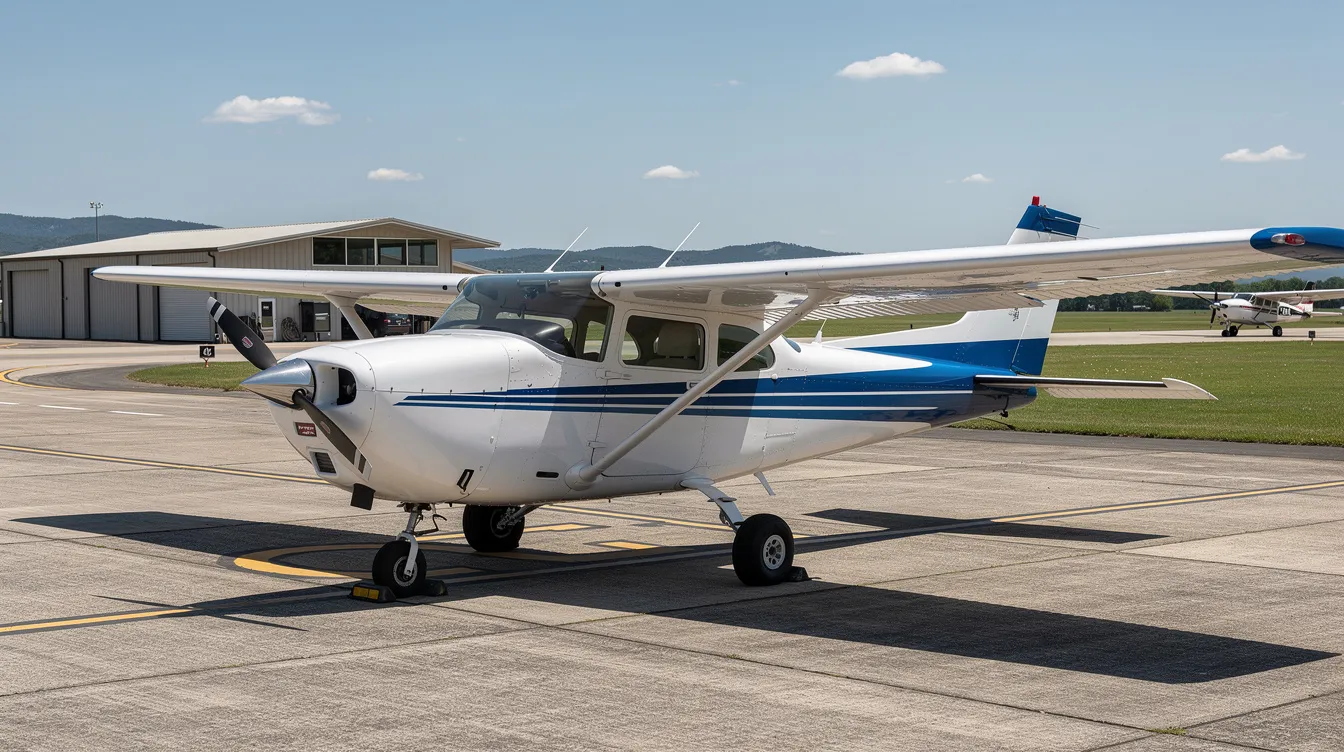
In 2026, the best four-seater planes offer a balance of affordability, performance, and versatility. Top contenders include the Cessna 172S, Piper PA-28, and Mooney M20, catering to various needs from family travel to speed. This guide evaluates ownership costs and when chartering may be a more economical choice.
Jay Franco Serevilla
Jul 29, 2026
|
5
min read

View all
Choosing the best starter plane is crucial for new pilots, impacting their flying habits and costs. This guide outlines practical aircraft options, ownership costs, and the benefits of mixing rental flying with private jet charter for more complex missions. Key considerations include mission definition, budget, and experience level, with popular choices like the Cessna 172 and Piper PA-28 highlighted for their stability and support networks.
Jay Franco Serevilla
Jul 29, 2026
|
5
min read

View all
Choosing the best plane is subjective and varies based on individual needs, whether for commercial or private travel. This guide evaluates aircraft based on comfort, efficiency, and practical use cases, helping travelers make informed decisions. From the Airbus A350 for long-haul comfort to private jets like the Gulfstream G650 for business trips, the right choice depends on the mission profile.
Jay Franco Serevilla
Jul 29, 2026
|
5
min read
Explore our latest articles and updates.
5
min read
Fractional Jet Ownership Cost: The Complete Pricing Breakdown
Fractional jet ownership in 2026 typically requires an upfront investment of $500,000 to over $1.5 million for a share, along with monthly management fees ranging from $8,000 to $25,000 and hourly flight costs of $4,000 to $9,000, leading to total five-year costs that can exceed $1 million. The structure includes various fees such as acquisition costs, management fees, fuel surcharges, and depreciation, making it essential for potential buyers to understand the complete financial implications. While fractional ownership offers flexibility and access to aircraft, it may not be cost-effective for those flying under 150 hours annually, where alternatives like jet cards could provide better value. A thorough analysis of all costs and usage patterns is crucial for informed decision-making in private aviation investments.
Read More
5
min read
Jet Card Tax Guide: FET, Business Deductibility & State Sales Tax
The Jet Card Tax Guide outlines key tax considerations for private jet card users, including Federal Excise Tax (FET), state sales tax, and business deductibility rules, aimed at CFOs and finance teams managing aviation budgets. FET is a 7.5% tax on domestic flights, with pricing typically quoted as either "all-in" (including FET) or "plus-FET" (added on top). Jet card flights may be tax-deductible if they meet IRS criteria for business expenses, while personal travel is generally non-deductible. The guide emphasizes the importance of understanding tax implications for effective financial planning and compliance in private aviation.
Read MoreJoin our community and receive the latest blog updates directly in your inbox.
MEMBERSHIPS AND ASSOCIATIONS



Disclaimer: Jettly operates as a charter broker, offering access to a global digital jet charter marketplace. Jettly is not a direct air carrier and does not own or operate aircraft. All advertised flights are conducted by third-party air carriers that are fully licensed and hold the appropriate Part 135 or Part 121 certifications issued by the Federal Aviation Administration (FAA) or equivalent regulatory authorities under U.S. or foreign law. Jettly complies fully with the U.S. Department of Transportation's Part 295 and Part 298 Charter Broker regulations. Jettly does not carry additional liability insurance. Passengers are covered by aircraft operator insurance. TICO: 50023770


