


Login
Get Instant Pricing On 23,000+ Aircraft

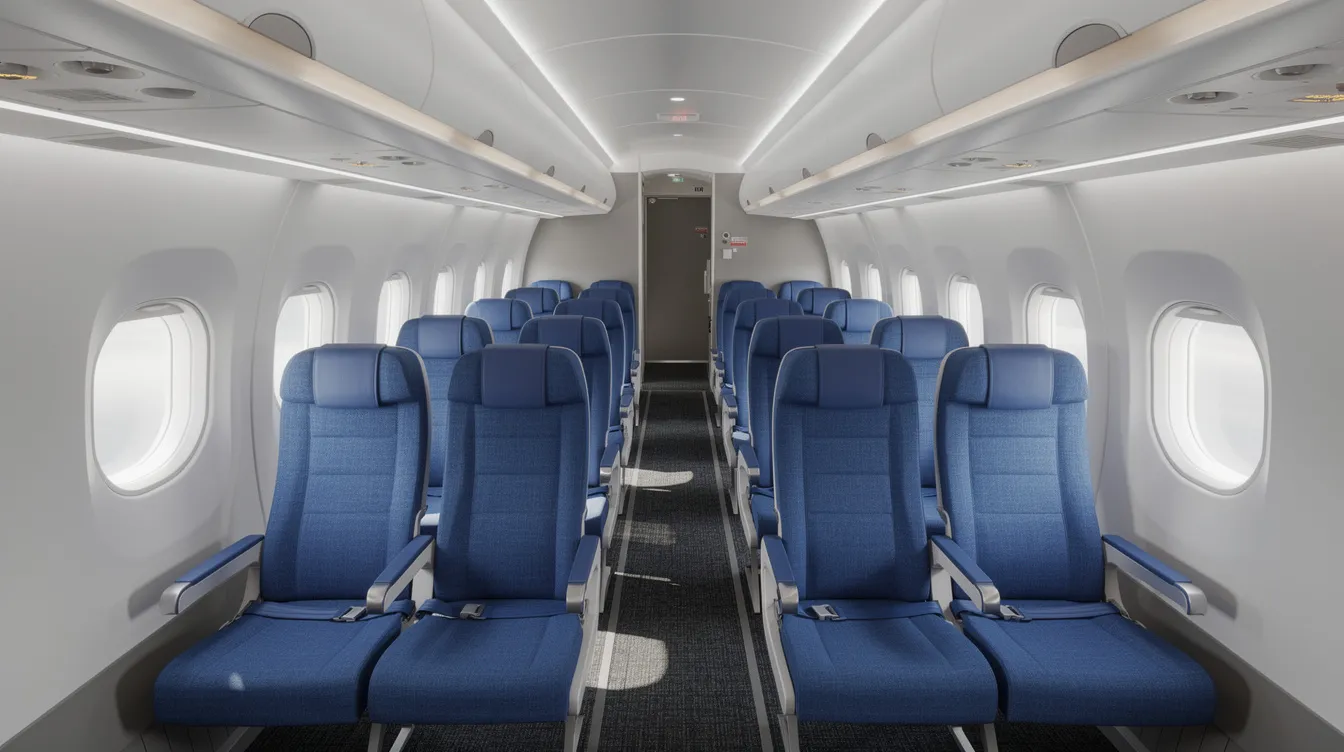
The Boeing 737-700 features a 3-3 economy layout with 137 to 143 seats, making seat selection crucial for comfort. Rows 1-6 and exit row 15 offer extra legroom, while the last rows near lavatories are less desirable. For those seeking flexibility and comfort, private jet charters through Jettly provide a tailored flying experience.
Jay Franco Serevilla
Aug 9, 2026
|
5
min read



View all
The abbreviation BBJ has multiple meanings based on context: in adult slang, it refers to "Bare Blow Job," indicating unprotected oral sex, while in aviation, it stands for "Boeing Business Jet" and is also the airport code for Bitburg Airport in Germany. Understanding the term requires attention to the surrounding conversation, as its implications differ significantly between adult discussions and aviation contexts. Jettly, a private jet charter platform, uses BBJ exclusively to refer to aircraft, emphasizing clarity and safety in its communications. Users should be mindful of context to avoid misunderstandings when encountering the term.
Jay Franco Serevilla
Jun 30, 2026
|
5
min read

View all
The Bombardier CRJ 200 is a 50-seat regional jet that has transitioned from commercial airline service to private charter, offering configurations for corporate shuttles and VIP travel. With a maximum range of approximately 1,956 statute miles, it is well-suited for short to medium-haul flights, making it ideal for transporting larger groups efficiently. The aircraft features various cabin layouts, from standard airline seating to luxurious VIP conversions, allowing for flexibility based on customer needs. Chartering through platforms like Jettly provides access to competitive pricing and a range of options tailored to specific travel requirements.
Jay Franco Serevilla
Jun 30, 2026
|
5
min read

View all
Private pilots can earn money legally, but only under specific and regulated circumstances, primarily outlined in 14 CFR 61.113. They may share flight costs with passengers, conduct business-related flights, participate in charity events, and engage in activities like towing gliders or performing demo flights for aircraft sales, among others. However, substantial income typically requires a commercial pilot license, which opens up more paid flying opportunities. While private pilots can offset costs through limited avenues, a commercial pilot certificate is essential for a stable and meaningful aviation career.
Jay Franco Serevilla
Jun 30, 2026
|
5
min read

View all
A Private Pilot License (PPL) allows holders to fly single-engine and some multi-engine aircraft for personal and business travel, carry passengers, and operate under Visual Flight Rules (VFR) in good weather. While pilots cannot fly for compensation, they can share operating expenses with passengers and enjoy various flying experiences, including scenic flights, cross-country trips, and volunteer missions. The PPL serves as a foundation for further aviation training, such as obtaining an instrument rating or a commercial pilot license. Additionally, many pilots complement their flying with private jet charters for longer or more complex trips, enhancing their travel flexibility.
Jay Franco Serevilla
Jun 30, 2026
|
5
min read

View all
In aviation, a "deadhead pilot" refers to a crew member traveling as a passenger to reposition for a work assignment, a practice that applies to both pilots and flight attendants. Deadheading is a paid duty status, distinct from unpaid commuting, and is essential for maintaining operational coverage after disruptions or irregular schedules. Airlines may utilize deadheading on their own flights or through agreements with other carriers, while private aviation platforms like Jettly optimize similar repositioning flights to enhance cost efficiency for travelers. Understanding deadheading is crucial for appreciating the complexities of crew scheduling and the benefits of flexible private air travel.
Jay Franco Serevilla
Jun 30, 2026
|
5
min read

View all
Jettly is a digital marketplace that connects travelers with certified pilots and a network of over 20,000 private jets, streamlining the process of booking private air travel. By sourcing vetted operators, Jettly ensures that all flights meet safety and regulatory standards, eliminating the risks associated with informal pilot hiring. The platform offers instant pricing and supports on-demand charters from smaller airports, making private aviation more accessible and efficient. For pilots, Jettly generates job opportunities within charter and corporate operators, reflecting the growing demand for private aviation services.
Jay Franco Serevilla
Jun 29, 2026
|
5
min read
Explore our latest articles and updates.

5
min read
Jettly Launches Special Missions, Expanding On-Demand Access to Helicopters, Group Charter, Cargo, Medevac and VIP Airliners
Jettly has launched "Special Missions," integrating complex charter categories—including helicopters, group charter (18–200 seats), cargo freighters, medevac flights, and VIP airliners—into its instant-pricing digital marketplace. Supported by a network of over 23,000 aircraft and 24/7 flight operations, the feature replaces slow, offline sourcing with transparent digital access for high-stakes, specialized flying.
Read More
5
min read
Tom Brady's Aviation Habits After His Retirement From Pro Football
Tom Brady’s post-NFL career has transformed his travel needs from those of a professional athlete into those of a broadcaster, investor, and business executive. While he has long been associated with the Gulfstream G550, the economics of private aviation suggest that flexible access can be more efficient than whole-aircraft ownership for travelers flying fewer than several hundred hours per year. His evolving schedule illustrates why depreciation, fixed operating costs, productivity, and fleet flexibility increasingly shape how ultra-high-net-worth travelers approach private aviation.
Read MoreJoin our community and receive the latest blog updates directly in your inbox.
MEMBERSHIPS AND ASSOCIATIONS



Disclaimer: Jettly operates as a charter broker, offering access to a global digital jet charter marketplace. Jettly is not a direct air carrier and does not own or operate aircraft. All advertised flights are conducted by third-party air carriers that are fully licensed and hold the appropriate Part 135 or Part 121 certifications issued by the Federal Aviation Administration (FAA) or equivalent regulatory authorities under U.S. or foreign law. Jettly complies fully with the U.S. Department of Transportation's Part 295 and Part 298 Charter Broker regulations. Jettly does not carry additional liability insurance. Passengers are covered by aircraft operator insurance. TICO: 50023770


