


Login
Get Instant Pricing On 23,000+ Aircraft

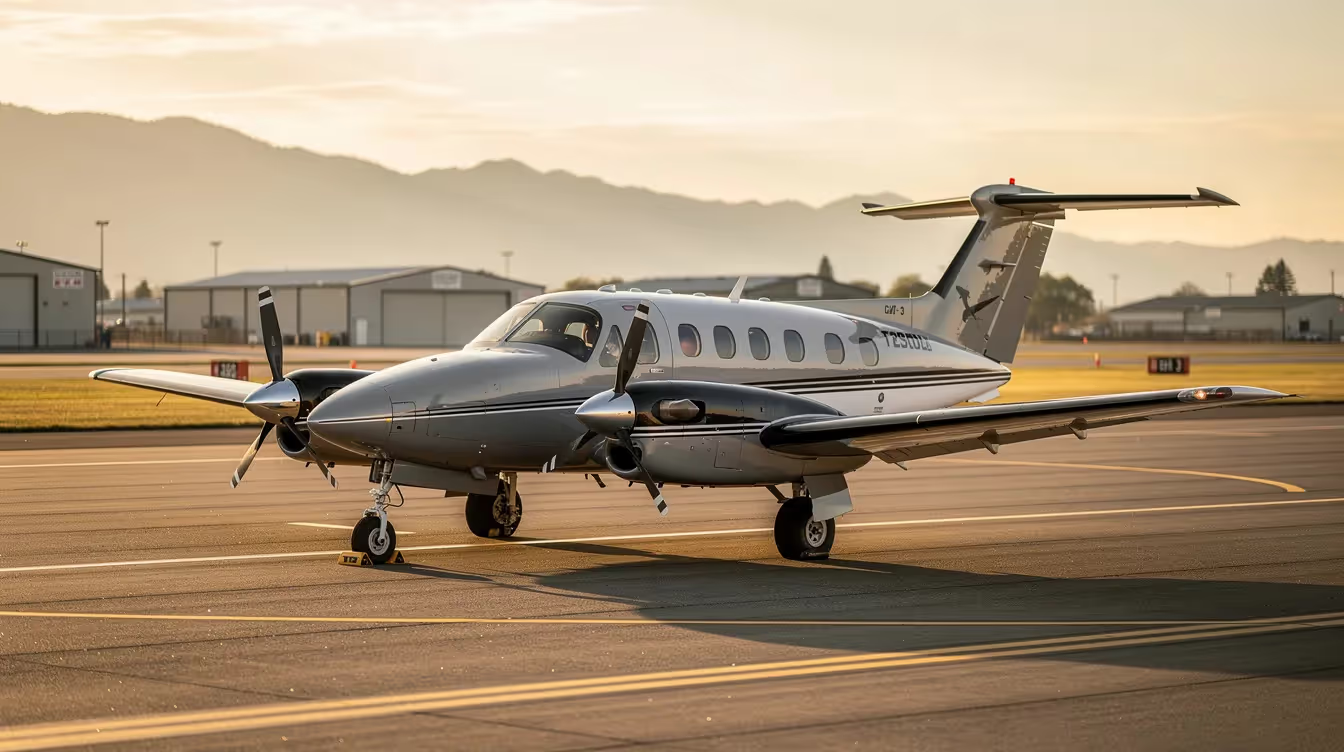
The Cessna 425 Corsair, introduced in 1980, is a pressurized twin-engine turboprop designed for pilots transitioning from piston aircraft, offering reliability and higher cruise speeds. After upgrades in 1983, it was rebranded as the Cessna 425 Conquest I, enhancing cabin space and maximum takeoff weight. With typical cruise speeds of 250-260 knots and a range of 1,300-1,460 nautical miles, it is well-suited for regional charter missions, accommodating 4-6 passengers comfortably. Jettly's platform facilitates charter bookings for the Cessna 425, providing cost-effective options for private travel compared to light jets.
Jay Franco Serevilla
May 4, 2026
|
5
min read



View all
Modern jet engines have revolutionized aviation since the late 1940s, enabling faster and more efficient flights for both private and commercial travelers. Key engine types include turbojet, turbofan, turboprop, and turboshaft, each optimized for specific performance characteristics such as speed, range, and fuel efficiency. Understanding these engines is crucial for travelers as they impact flight experience, safety, and costs, with platforms like Jettly offering tools to help select the right aircraft based on engine type and travel needs. Overall, advancements in jet engine technology have improved operational efficiency and reduced environmental impact, enhancing the overall travel experience.
Jay Franco Serevilla
May 13, 2026
|
5
min read
View all
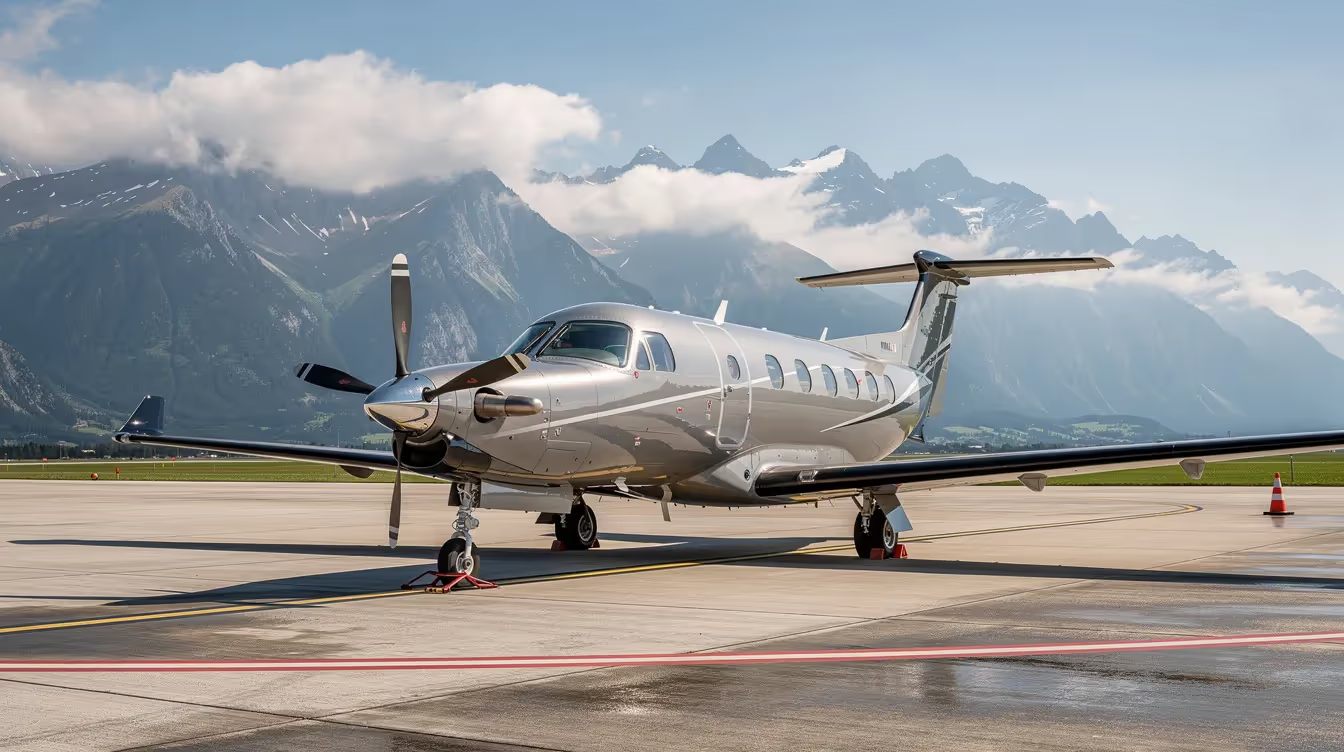
The Pilatus PC-12 charter offers a cost-effective and versatile private flight option, combining the flexibility of a private jet with the economics of a turboprop for regional travel. Ideal for groups of 4-8 passengers, it features a spacious cabin, operates from shorter runways, and has a maximum range of approximately 1,700 nautical miles. Charter rates typically range from $1,200 to $2,200 per flight hour, making it a competitive alternative to light jets, which can cost significantly more. Jettly's platform facilitates easy booking and access to a global fleet of Pilatus PC-12 aircraft, catering to both casual travelers and frequent flyers.
Jay Franco Serevilla
May 13, 2026
|
5
min read

View all
The Gulfstream V is a highly regarded ultra-long-range business jet, capable of non-stop intercontinental flights with a range of 6,250 to 6,500 nautical miles. It features a spacious cabin accommodating 12 to 16 passengers, designed for comfort during long flights, and is equipped with advanced avionics for safety and efficiency. Chartering a Gulfstream V through platforms like Jettly offers flexible access without the high costs of ownership, making it a cost-effective option for those flying under 200-300 hours annually. The aircraft remains popular among corporate travelers, families, and government operators, reflecting its enduring appeal in the private aviation market.
Jay Franco Serevilla
May 13, 2026
|
5
min read

View all
Maine helicopter tours provide a unique opportunity to experience the state's scenic beauty, including its rugged coastline, historic lighthouses, and national parks, from an aerial perspective. With options ranging from short scenic flights to customized private charters, these tours cater to various preferences and occasions, making them ideal for both leisure and business travelers. Jettly's platform streamlines the booking process, offering transparent pricing and access to a variety of aircraft and operators, while also allowing travelers to coordinate multi-leg journeys seamlessly. Overall, Maine helicopter tours promise unforgettable experiences and breathtaking views, enhancing any visit to the region.
Jay Franco Serevilla
May 12, 2026
|
5
min read

View all
Aviation fuel is a major expense in private jet travel, accounting for 20%–40% of operating costs, which significantly impacts charter pricing. In March 2026, U.S. aviation fuel averaged $3.13 per gallon, reflecting a 30.9% increase from February, driven by crude oil prices, geopolitical tensions, and supply chain disruptions. Platforms like Jettly provide transparent, real-time pricing that includes fuel costs, helping travelers avoid unexpected surcharges and manage budgets effectively. Understanding the factors influencing fuel prices, such as regional variations and aircraft efficiency, allows travelers to make informed decisions for cost-effective private jet travel.
Jay Franco Serevilla
May 12, 2026
|
5
min read
View all
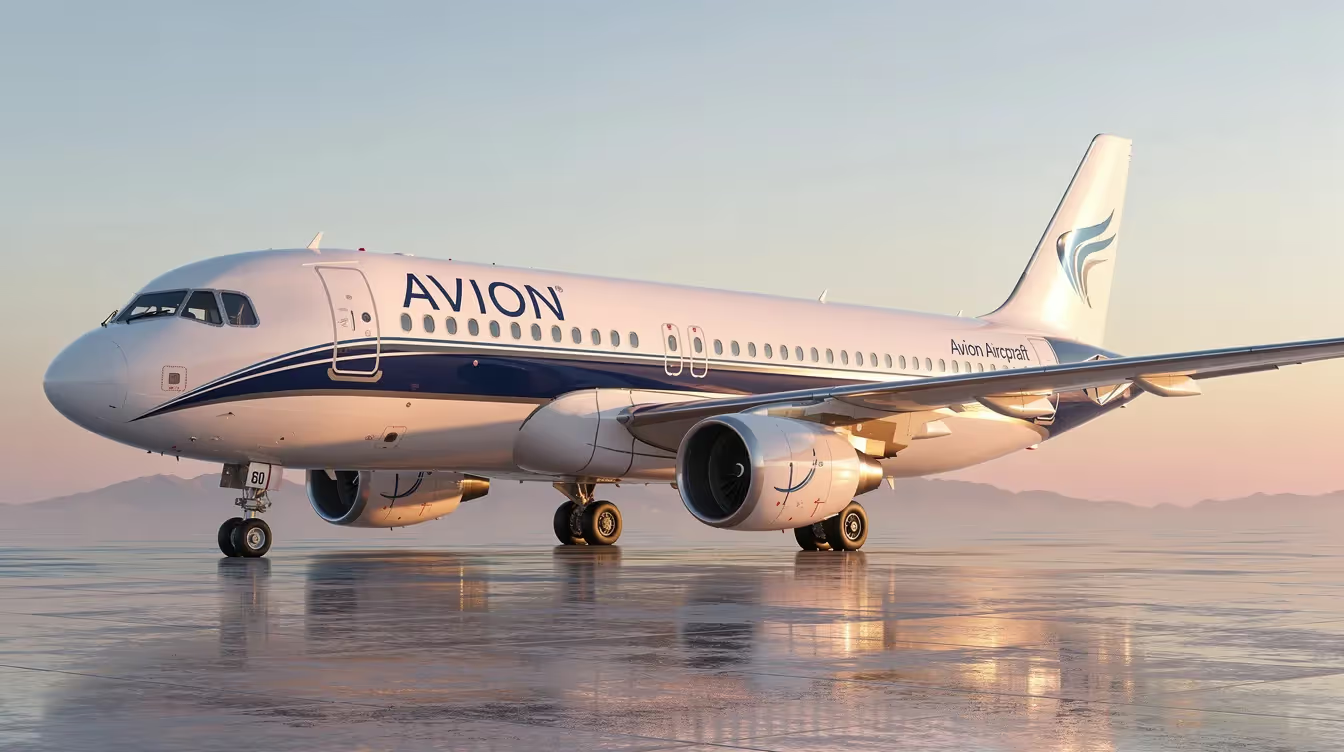
Avion Aircraft Charter, facilitated by Jettly, offers travelers access to a diverse fleet of over 20,000 private aircraft for both business and leisure travel. Jettly operates as a digital marketplace, allowing users to compare aircraft types and receive instant pricing without the need for fractional ownership. The platform emphasizes safety, transparent pricing, and personalized service, catering to various travel needs, from last-minute meetings to family getaways. With a focus on flexibility and efficiency, Jettly simplifies the private air travel experience, making it an attractive option for those seeking convenience and comfort.
Jay Franco Serevilla
May 12, 2026
|
5
min read
Explore our latest articles and updates.

5
min read
Busy airports for private jets during back-to-school season
Late August to early September triggers a surge in private aviation as summer travel ends, corporate travel resumes, and families transport students to major universities. Key hubs like Teterboro Airport (KTEB) and Dallas Love Field (KDAL) experience significant congestion, tight landing slots, and higher rates. To navigate these seasonal bottlenecks, charter operators must plan logistics and crew schedules in advance to accommodate flyer demand and ensure seamless travel.
Read More
5
min read
Tiger Woods' Gulfstream G550: How elite athletes manage multicity travel
This article explores Tiger Woods' $53 million Gulfstream G550 and how high-performance private aviation serves as a crucial tool for top athletes. Beyond comfort and luxury, the jet's low cabin altitude pressurization, massive storage for specialized physio equipment, and direct long-range flight capabilities help Woods manage chronic injuries and travel fatigue while navigating a demanding global competition schedule.
Read MoreJoin our community and receive the latest blog updates directly in your inbox.
MEMBERSHIPS AND ASSOCIATIONS



Disclaimer: Jettly operates as a charter broker, offering access to a global digital jet charter marketplace. Jettly is not a direct air carrier and does not own or operate aircraft. All advertised flights are conducted by third-party air carriers that are fully licensed and hold the appropriate Part 135 or Part 121 certifications issued by the Federal Aviation Administration (FAA) or equivalent regulatory authorities under U.S. or foreign law. Jettly complies fully with the U.S. Department of Transportation's Part 295 and Part 298 Charter Broker regulations. Jettly does not carry additional liability insurance. Passengers are covered by aircraft operator insurance. TICO: 50023770


