



Login
Get Instant Pricing On 23,000+ Aircraft


Metropolis Municipal Airport (M30) in southern Illinois offers a convenient and efficient alternative for private jet travelers. With a 4,002-foot runway accommodating various aircraft types, it ensures hassle-free access to regional and national destinations. Jettly enhances the experience with instant pricing and seamless booking options, making private aviation accessible and flexible.
Jay Franco Serevilla
Jul 29, 2026
|
5
min read



View all
The Boeing 757, a versatile narrow-body airliner, has been a staple in aviation since its first flight in 1982. Known for its fuel efficiency and capacity, it continues to serve airlines and charter markets, particularly for large groups and VIP configurations. This guide explores its history, variants, and modern applications in charter services, highlighting how platforms like Jettly facilitate access to this iconic aircraft.
Jay Franco Serevilla
Jul 17, 2026
|
5
min read

View all
The Airbus A320 is a leading single-aisle jetliner known for its efficiency and modern technology. Since its introduction in 1988, it has become the most successful narrow-body aircraft, serving various airlines and charter markets worldwide. This guide covers its history, variants, performance, and how to book or charter an A320 for your travel needs.
Jay Franco Serevilla
Jul 17, 2026
|
5
min read
View all
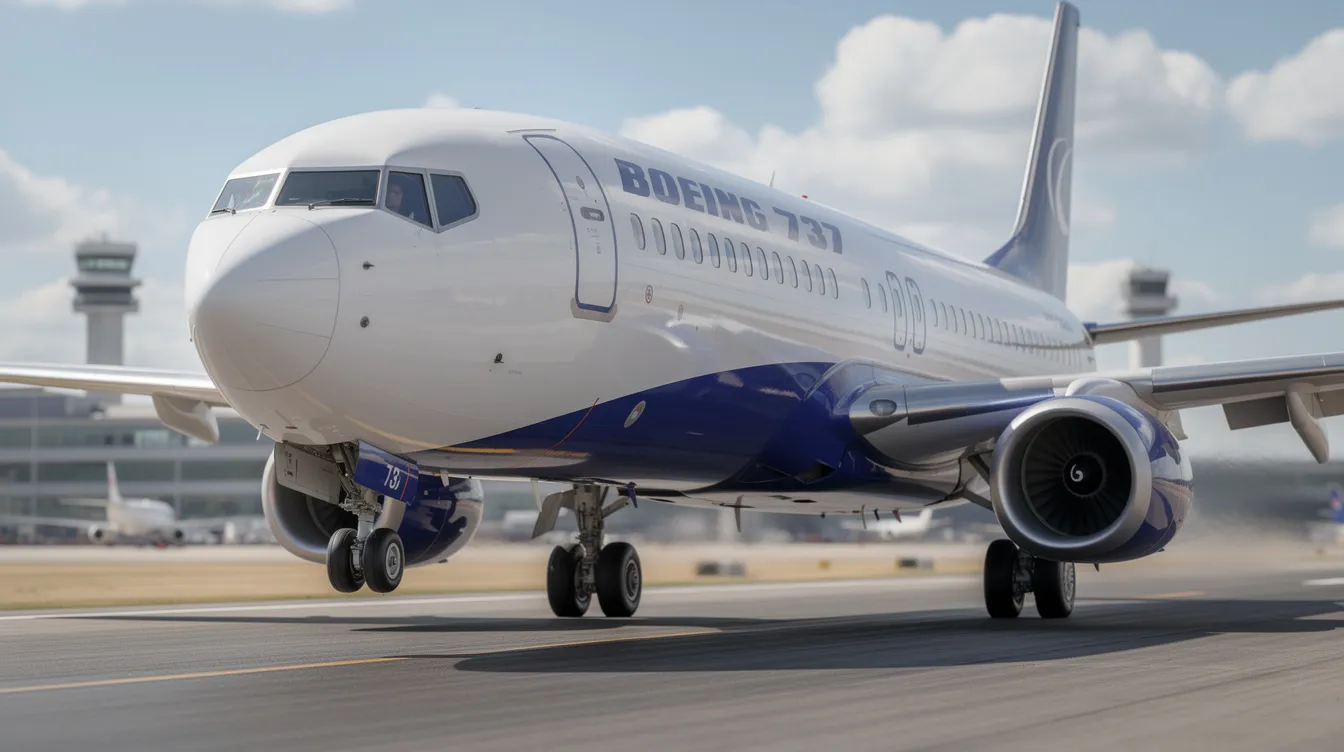
The Boeing 737 has been a cornerstone of commercial aviation since its debut in 1967, evolving through generations to meet modern travel demands. Despite facing significant challenges, particularly with the 737 MAX, ongoing improvements and regulatory oversight have reshaped its safety profile. Travelers now have more options than ever, including private jet charters, to enhance their flying experience.
Jay Franco Serevilla
Jul 17, 2026
|
5
min read
View all
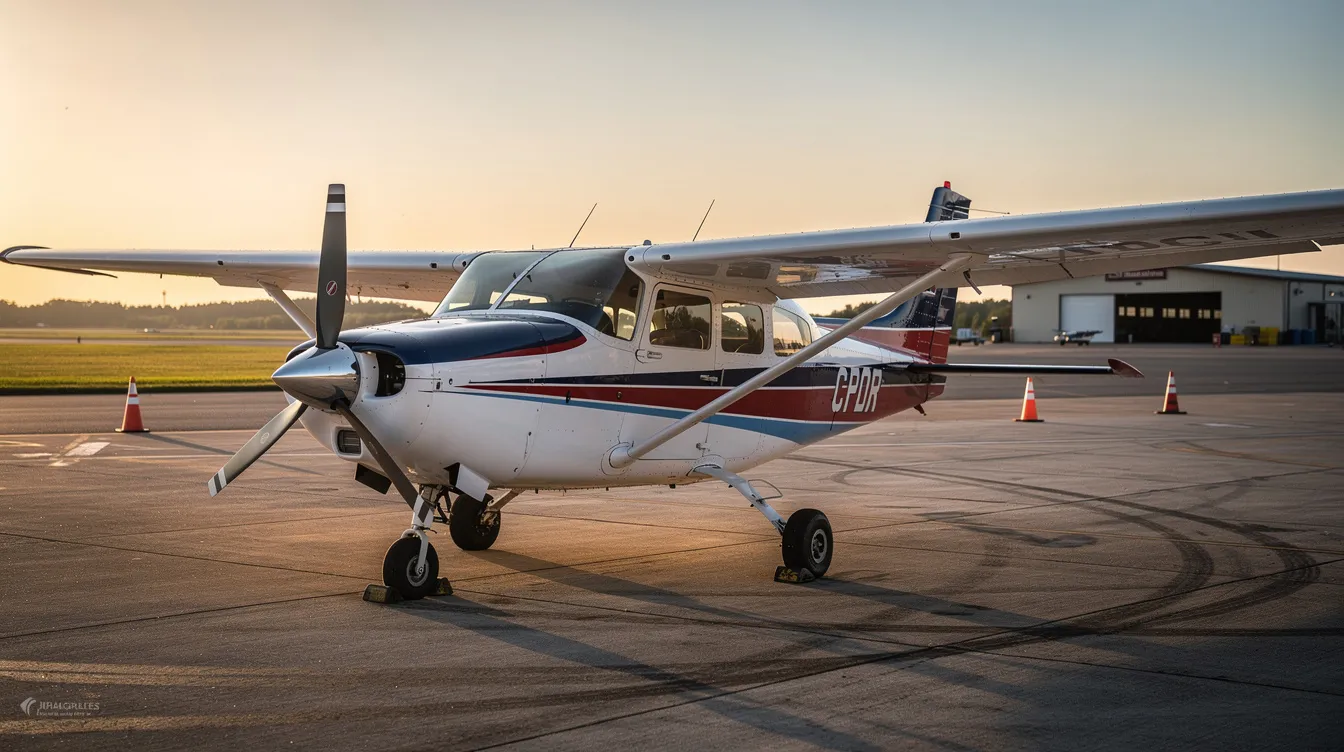
In 2026, Piper Cherokee owners can expect annual inspection costs to range from $2,000 to $4,000, depending on the aircraft's condition and necessary repairs. Understanding these costs is crucial for budgeting and maintaining airworthiness, as well as deciding between ownership and charter alternatives. Owner-assisted maintenance can help reduce expenses, making it easier to manage ongoing costs.
Jay Franco Serevilla
Jul 17, 2026
|
5
min read
View all
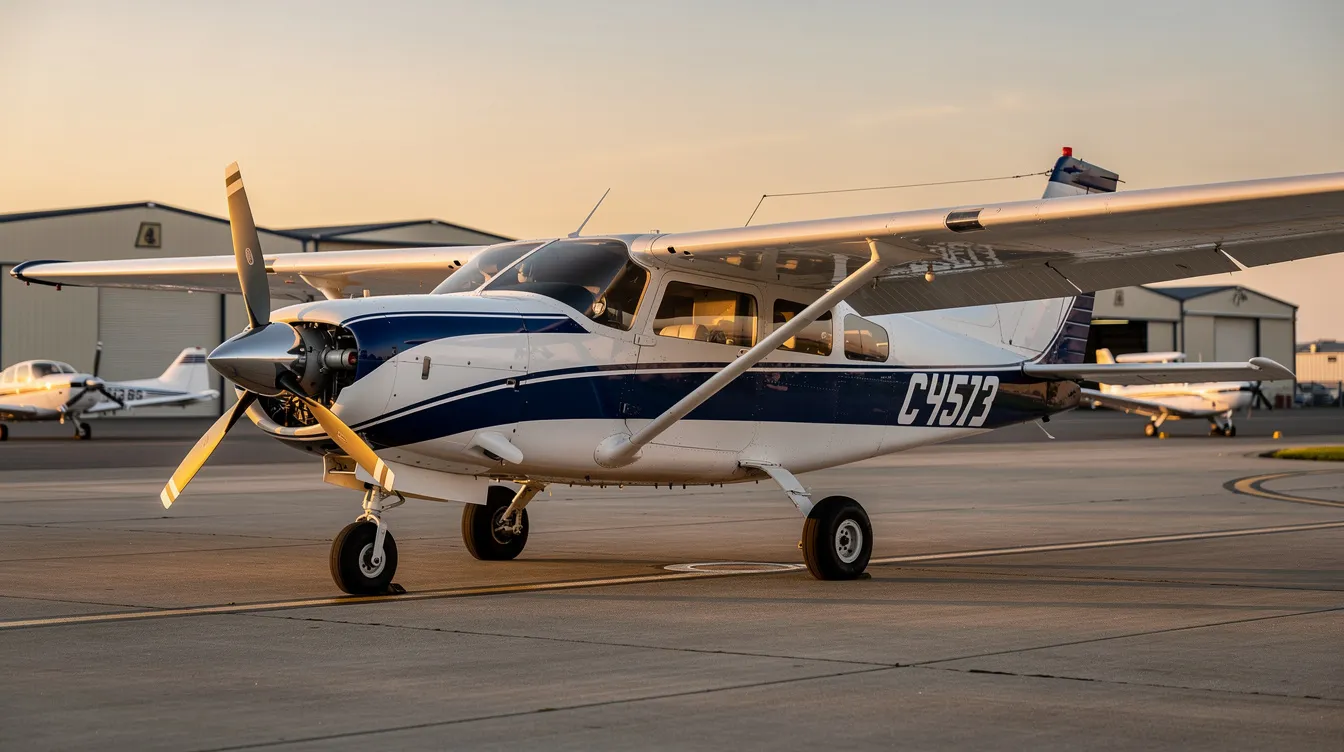
The Piper Cherokee Six (PA-32) is a versatile single-engine aircraft known for its spacious cabin and strong payload capabilities, making it ideal for family travel, air taxi services, and cargo transport. This guide covers its key features, specifications, and operational considerations, while also highlighting modern charter options through platforms like Jettly for those seeking similar aircraft without ownership responsibilities.
Jay Franco Serevilla
Jul 17, 2026
|
5
min read
View all
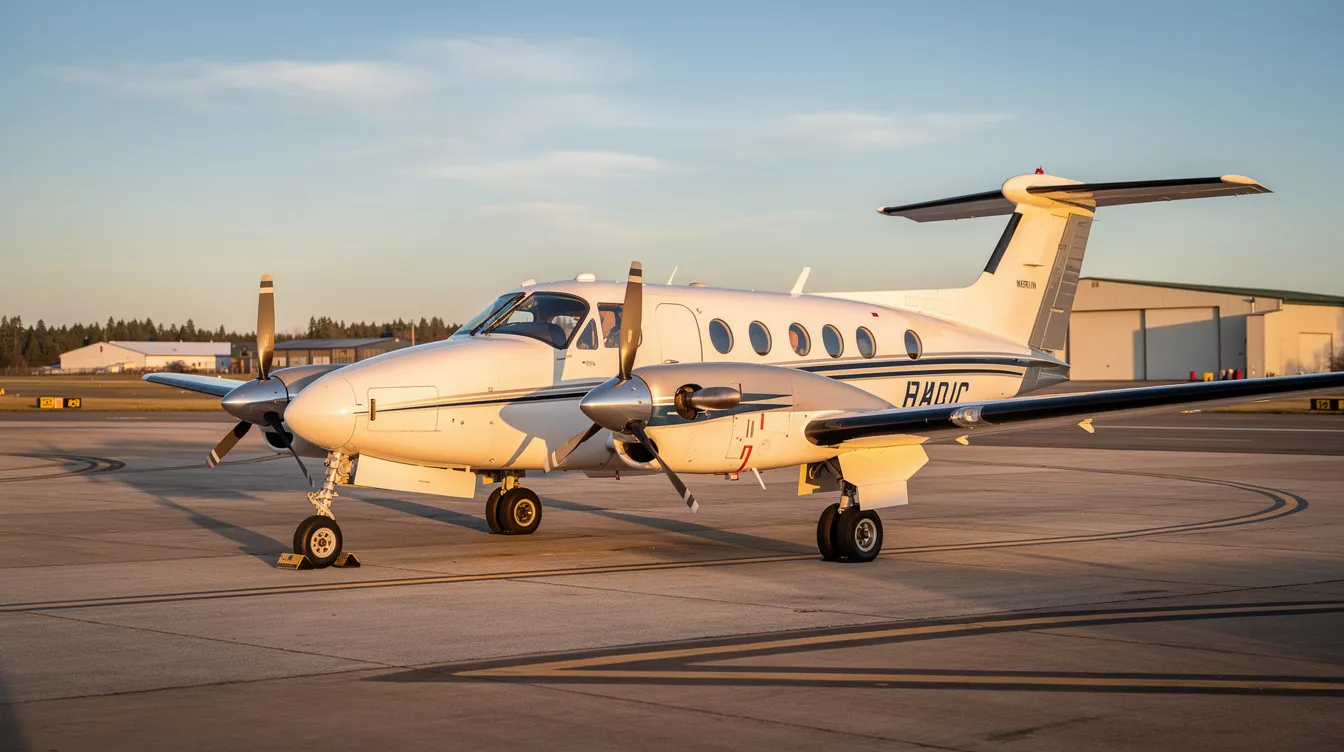
The Swearingen Merlin 3 is a versatile twin turboprop aircraft ideal for private charter travelers seeking efficiency and speed. With a pressurized cabin and the ability to operate from shorter runways, it offers a practical alternative to light jets for both business and leisure flights. Jettly provides easy access to Merlin III options with transparent pricing and a wide network of operators.
Jay Franco Serevilla
Jul 17, 2026
|
5
min read
Explore our latest articles and updates.

5
min read
Havasu Falls Helicopter Price: Costs, Schedule, and How to Book in 2026
Planning a trip to Havasu Falls in 2026? The helicopter service offers a quick alternative to the challenging hike, costing approximately $300 one-way. Flights operate on select days and are first-come, first-served, so early arrival is essential. Remember, a valid permit is required for all visitors to access the falls.
Read More
5
min read
How Long Does It Take to Get a Helicopter License? Timeline, Training, and Costs
Becoming a helicopter pilot can take anywhere from 2 months to 2 years, depending on the type of license and training frequency. A private pilot license typically requires 40 flight hours, while a commercial license demands 150 hours. Factors such as training intensity, weather conditions, and flight school choice significantly influence the timeline and costs involved.
Read MoreJoin our community and receive the latest blog updates directly in your inbox.
MEMBERSHIPS AND ASSOCIATIONS



Disclaimer: Jettly operates as a charter broker, offering access to a global digital jet charter marketplace. Jettly is not a direct air carrier and does not own or operate aircraft. All advertised flights are conducted by third-party air carriers that are fully licensed and hold the appropriate Part 135 or Part 121 certifications issued by the Federal Aviation Administration (FAA) or equivalent regulatory authorities under U.S. or foreign law. Jettly complies fully with the U.S. Department of Transportation's Part 295 and Part 298 Charter Broker regulations. Jettly does not carry additional liability insurance. Passengers are covered by aircraft operator insurance. TICO: 50023770


