


Login
Get Instant Pricing On 23,000+ Aircraft

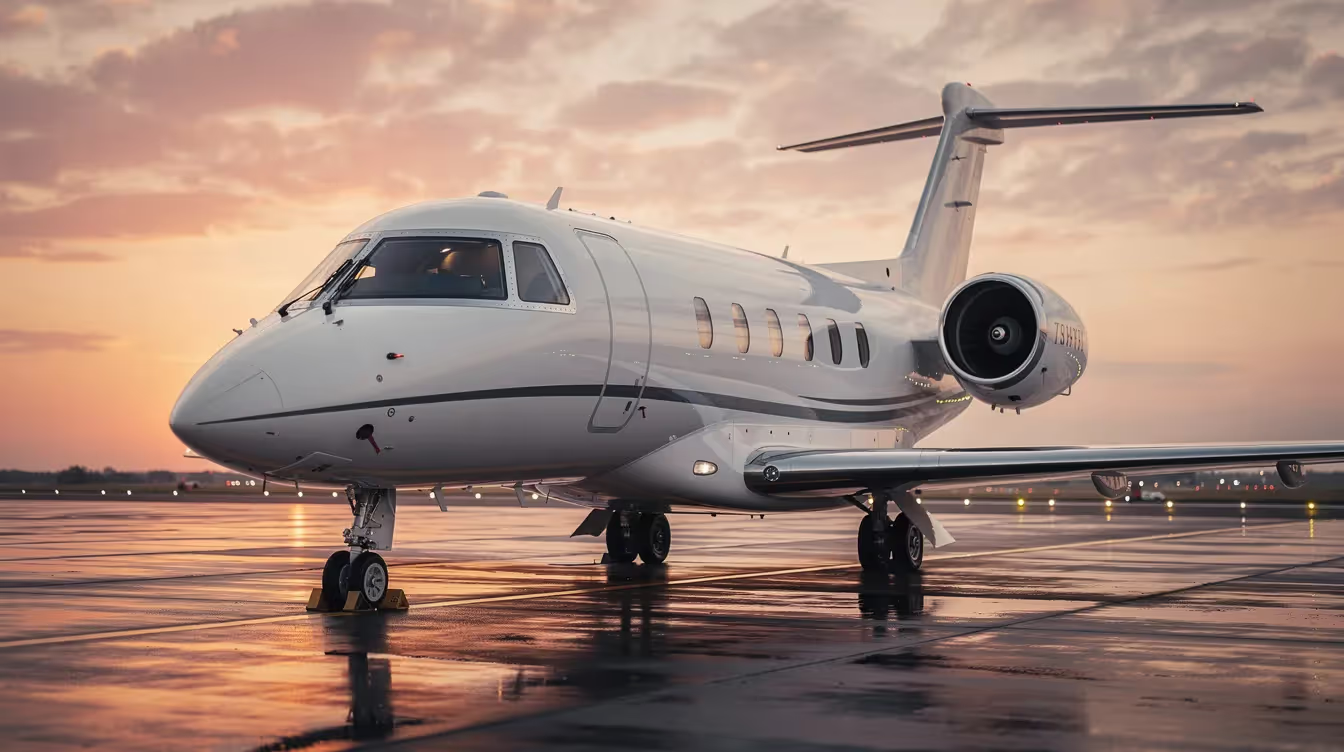
The cost of obtaining a helicopter pilot license in the U.S. ranges from approximately $25,000 to $35,000 for a Private Helicopter Pilot License (PPL-H) and can exceed $100,000 for a full commercial certification, depending on factors like flight hours, helicopter type, and geographic location. Key expenses include flight training, ground school, exams, and aircraft rental fees, with the Robinson R22 being a more affordable training option compared to the R44. While pursuing a helicopter license can lead to rewarding career opportunities, travelers seeking occasional private flights may find chartering options, such as those offered by Jettly, to be more cost-effective than investing in training. Overall, budgeting for training should include not only tuition but also additional costs like gear, insurance, and ongoing proficiency checks.
Jay Franco Serevilla
May 3, 2026
|
5
min read


View all
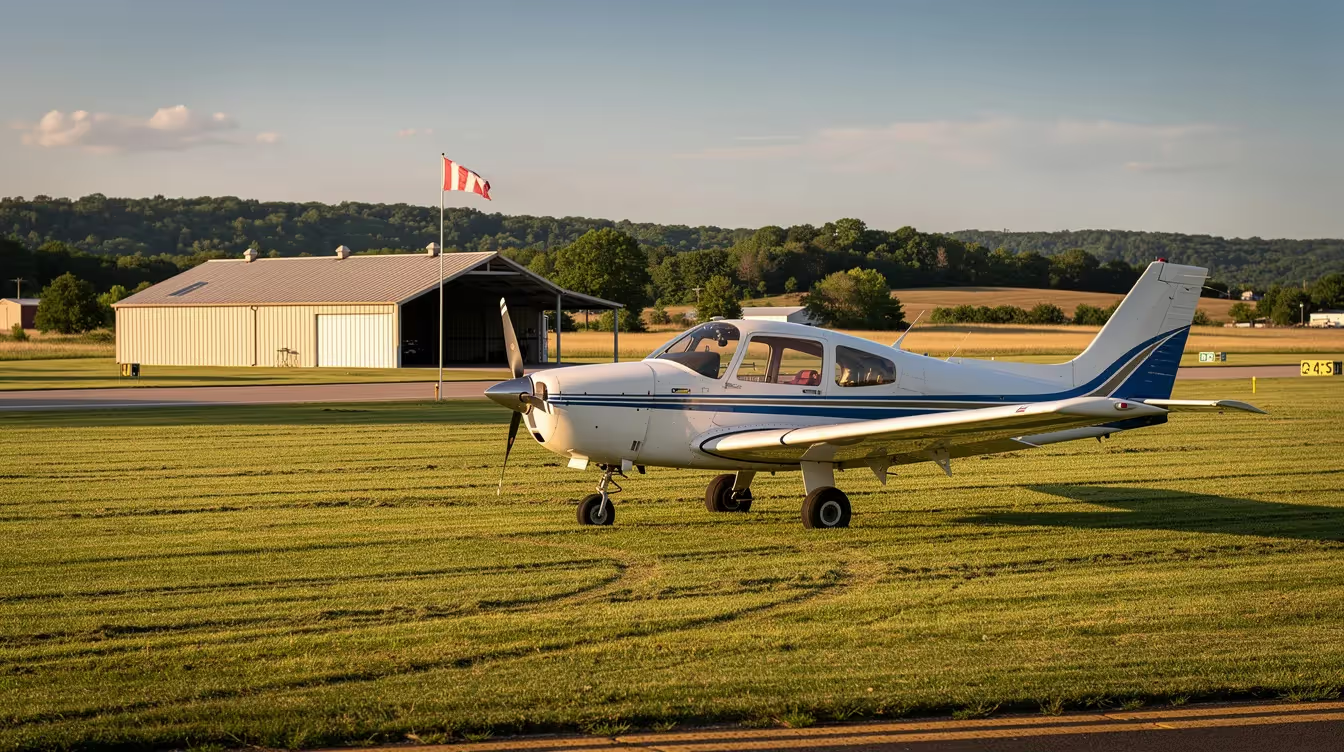
The cost of buying a plane varies widely, with used two-seat trainers starting around $15,000 and new large business jets exceeding $75 million. Buyers must also consider ongoing expenses, which can equal or surpass the purchase price over time, including maintenance, fuel, insurance, and crew salaries, with annual operating costs often ranging from $500,000 to over $1 million. For those flying less than 150 hours annually, chartering through platforms like Jettly may be more cost-effective than ownership, as it eliminates asset risk and maintenance responsibilities. Ultimately, the decision between buying and chartering should be based on individual flying needs and financial considerations.
Jay Franco Serevilla
Apr 18, 2026
|
5
min read
View all
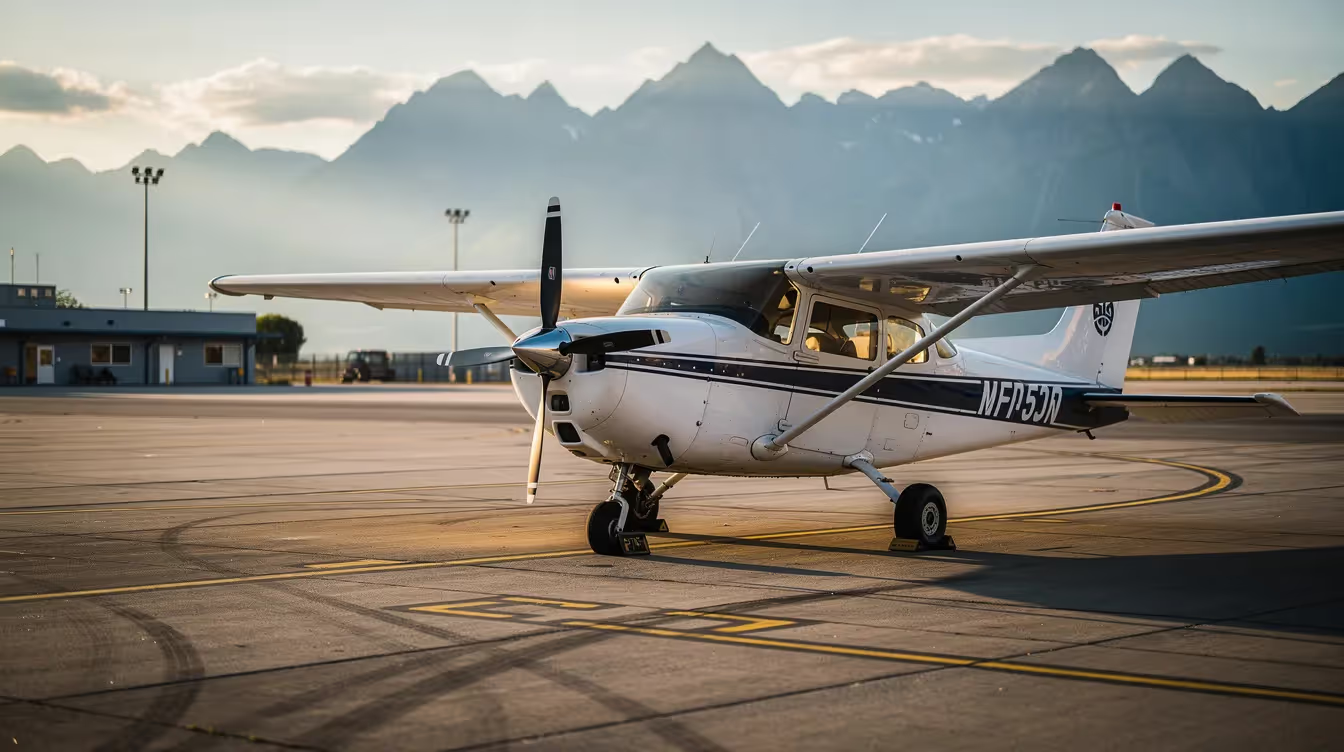
Plane operating costs encompass the ongoing expenses necessary to keep an aircraft operational, distinct from its purchase price. These costs vary significantly by aircraft type, with small pistons costing around $150–$250 per flight hour, while heavy jets can exceed $8,000 per hour. For travelers flying less than 150–200 hours annually, chartering through platforms like Jettly is often more economical than ownership, which involves substantial fixed and variable costs. Jettly provides access to over 20,000 private charter aircraft globally, allowing users to avoid the complexities and financial burdens of aircraft ownership while enjoying the benefits of private aviation.
Jay Franco Serevilla
Apr 18, 2026
|
5
min read
View all
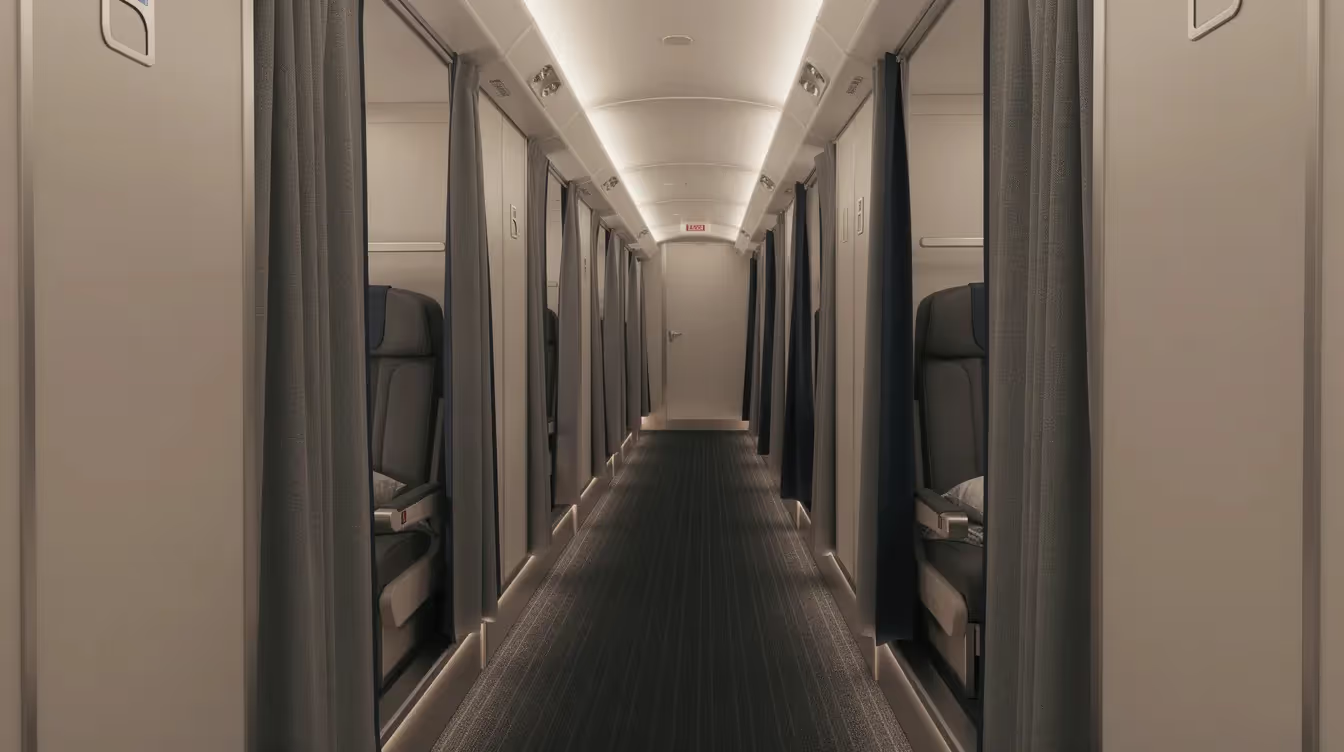
The article explores the various sleeping arrangements available on airplanes, including hidden crew bunks for flight attendants and pilots, as well as luxurious lie-flat beds in premium cabins and private jet staterooms. It highlights the importance of these spaces for safety and comfort during long-haul flights, with regulations mandating crew rest areas on flights exceeding 8-12 hours. Jettly's platform simplifies the process of finding flights with ideal sleeping arrangements, allowing travelers to compare options for both commercial and private aviation. Ultimately, the choice of sleeping accommodations depends on budget, route, and personal preferences.
Jay Franco Serevilla
Apr 18, 2026
|
5
min read
View all
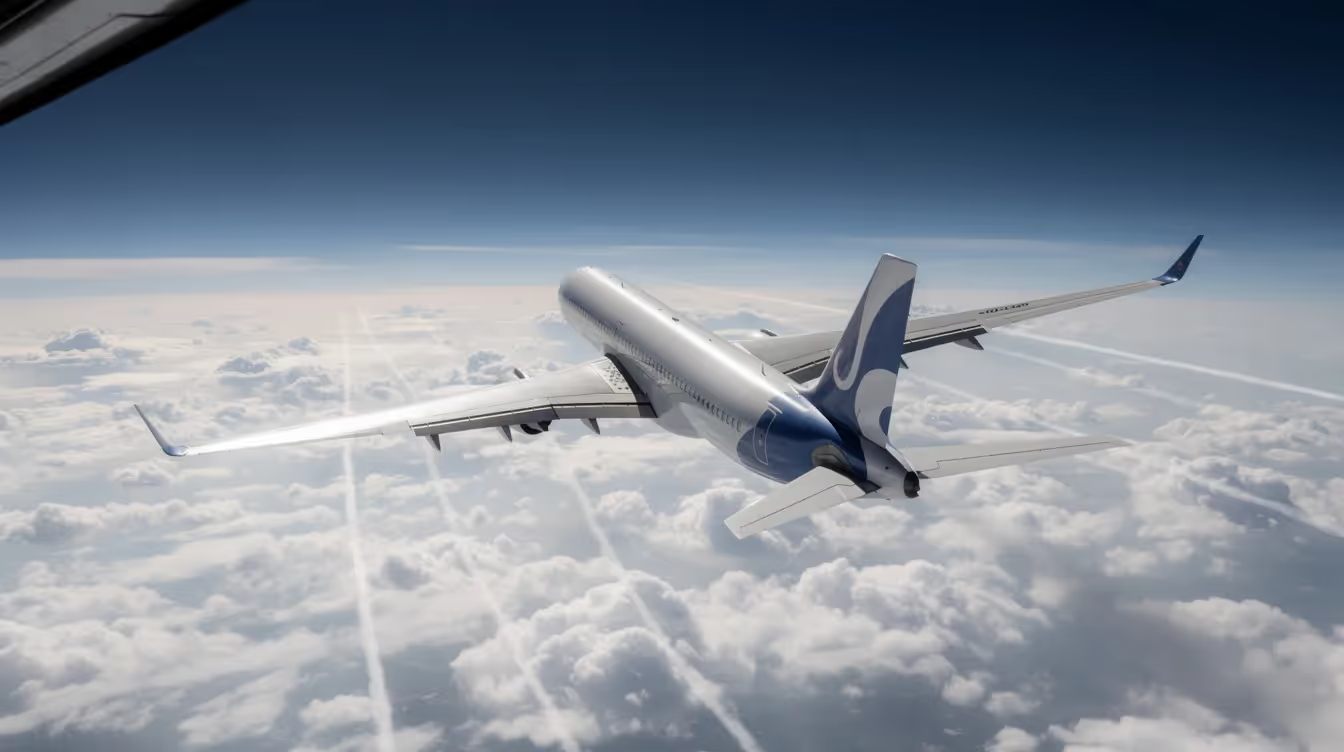
Modern jet airliners typically cruise at speeds between 550 and 600 mph (Mach 0.85 to 0.90), while private jets may operate at similar or slightly higher speeds but can save time by avoiding hub airports and delays. Factors such as aircraft design, altitude, wind conditions, and regulatory limits influence actual flight speeds. Despite advancements in technology, commercial airliner speeds have remained relatively stable due to economic and environmental considerations. Understanding these dynamics helps travelers make informed choices between commercial and private aviation options.
Jay Franco Serevilla
Apr 18, 2026
|
5
min read
View all
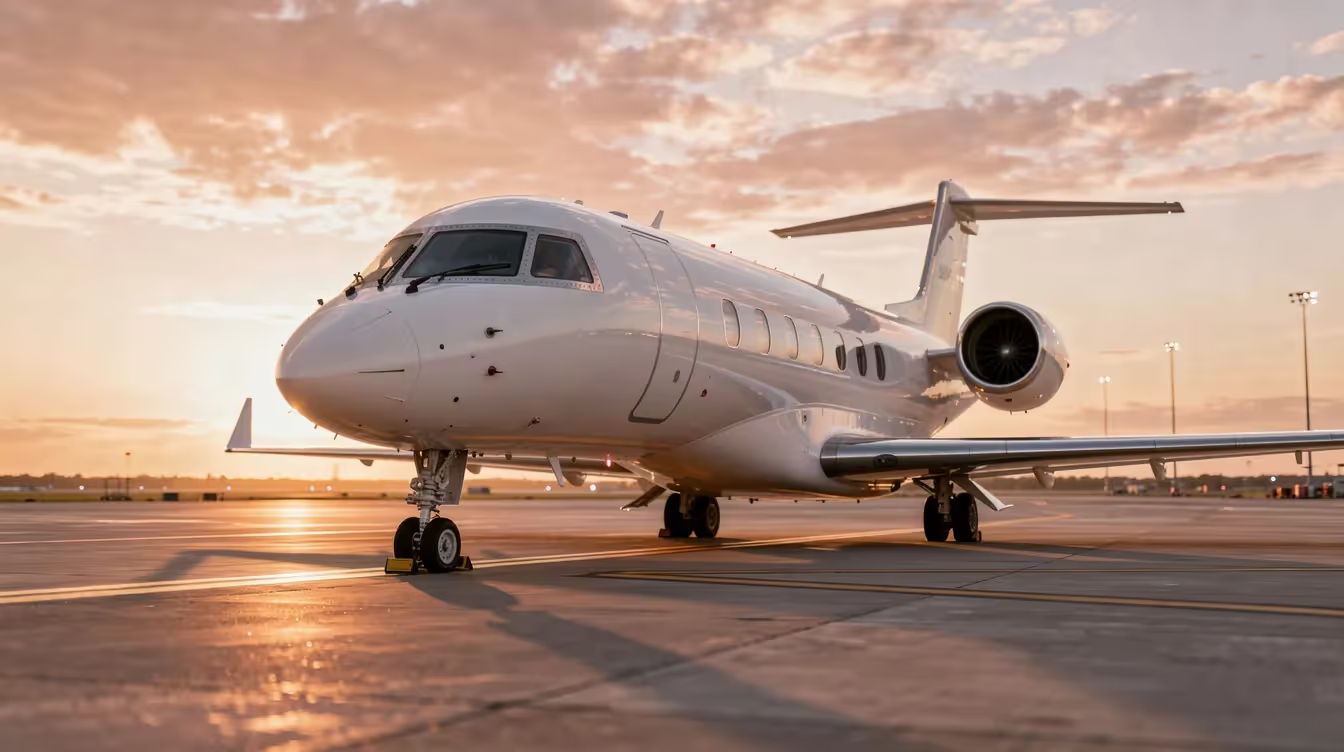
In 2026, the cost of jet aircraft varies significantly, with new private jets priced from $2 million for very light jets to over $400 million for customized VIP airliners, while charter rates range from $1,500 to $28,000 per hour based on aircraft type. For most business travelers, chartering is more economical than ownership, especially for those flying fewer than 200-300 hours annually, as ownership entails substantial fixed and variable costs. Jettly, a digital private jet charter platform, offers a transparent marketplace for on-demand bookings, allowing users to compare costs and access over 20,000 aircraft globally. Key strategies for reducing costs include choosing the right aircraft size, being flexible with travel times, and utilizing empty leg flights.
Jay Franco Serevilla
Apr 18, 2026
|
5
min read
View all
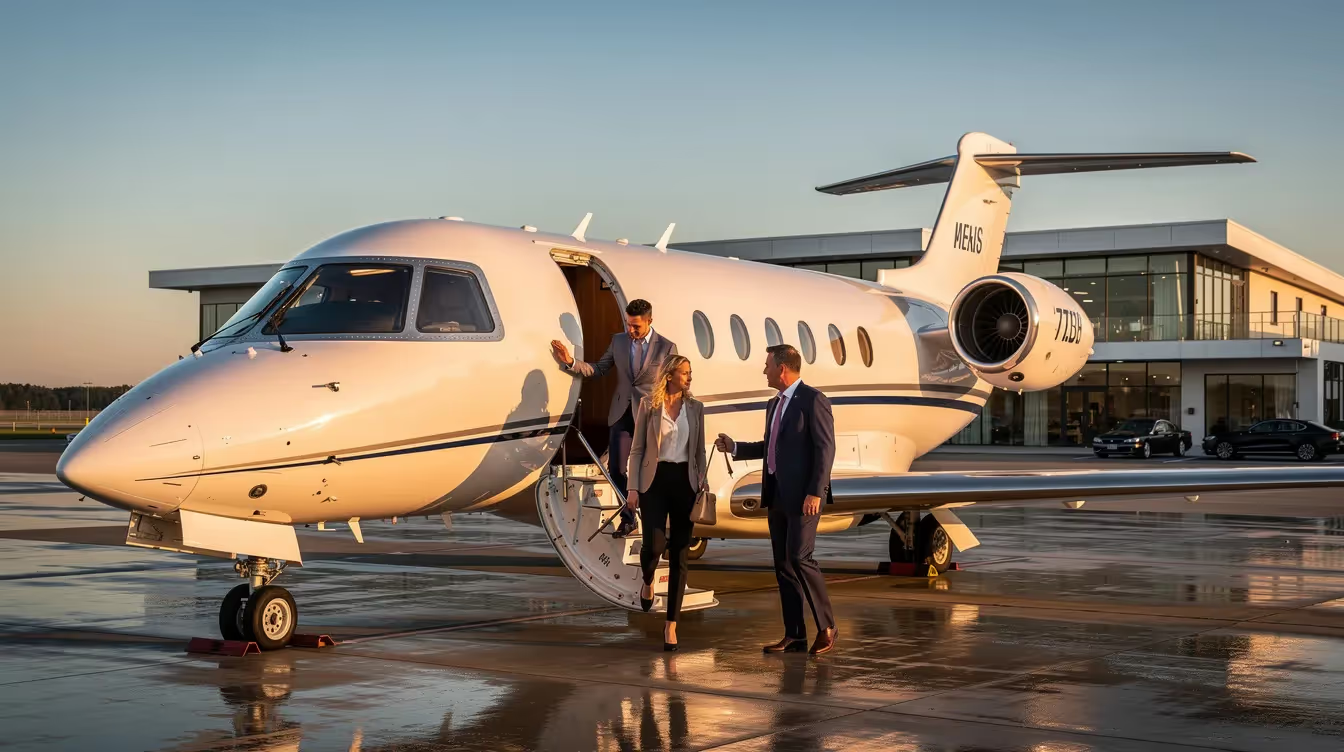
In 2025, the Bombardier Global 8000 is recognized as the fastest personal plane, achieving speeds of Mach 0.94 and a range of 8,000 nautical miles. For owner pilots, high-performance single-engine aircraft like the Mooney Acclaim Ultra offer speeds over 240 knots, while turboprops and light jets provide efficient options for business travelers, cruising between 340 and 530 knots. Jettly's digital marketplace connects clients with over 20,000 aircraft, facilitating access to various fast personal planes without the need for ownership. The choice of aircraft depends on mission profiles, budget, and airport access, with chartering often proving more cost-effective for infrequent flyers.
Jay Franco Serevilla
Apr 18, 2026
|
5
min read
Explore our latest articles and updates.

5
min read
Busy airports for private jets during back-to-school season
Late August to early September triggers a surge in private aviation as summer travel ends, corporate travel resumes, and families transport students to major universities. Key hubs like Teterboro Airport (KTEB) and Dallas Love Field (KDAL) experience significant congestion, tight landing slots, and higher rates. To navigate these seasonal bottlenecks, charter operators must plan logistics and crew schedules in advance to accommodate flyer demand and ensure seamless travel.
Read More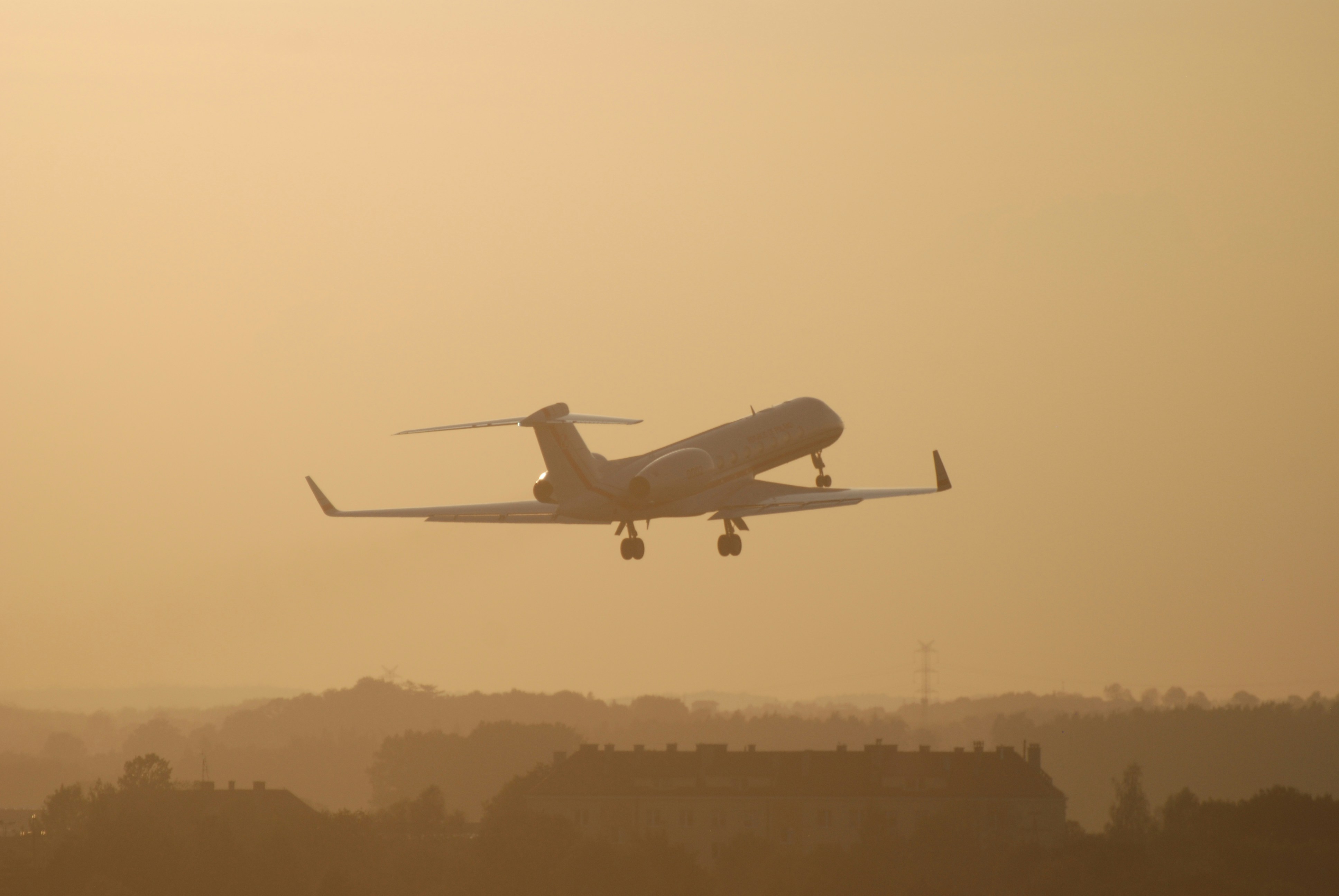
5
min read
Tiger Woods' Gulfstream G550: How elite athletes manage multicity travel
This article explores Tiger Woods' $53 million Gulfstream G550 and how high-performance private aviation serves as a crucial tool for top athletes. Beyond comfort and luxury, the jet's low cabin altitude pressurization, massive storage for specialized physio equipment, and direct long-range flight capabilities help Woods manage chronic injuries and travel fatigue while navigating a demanding global competition schedule.
Read MoreJoin our community and receive the latest blog updates directly in your inbox.
MEMBERSHIPS AND ASSOCIATIONS



Disclaimer: Jettly operates as a charter broker, offering access to a global digital jet charter marketplace. Jettly is not a direct air carrier and does not own or operate aircraft. All advertised flights are conducted by third-party air carriers that are fully licensed and hold the appropriate Part 135 or Part 121 certifications issued by the Federal Aviation Administration (FAA) or equivalent regulatory authorities under U.S. or foreign law. Jettly complies fully with the U.S. Department of Transportation's Part 295 and Part 298 Charter Broker regulations. Jettly does not carry additional liability insurance. Passengers are covered by aircraft operator insurance. TICO: 50023770


