


Login
Get Instant Pricing On 23,000+ Aircraft

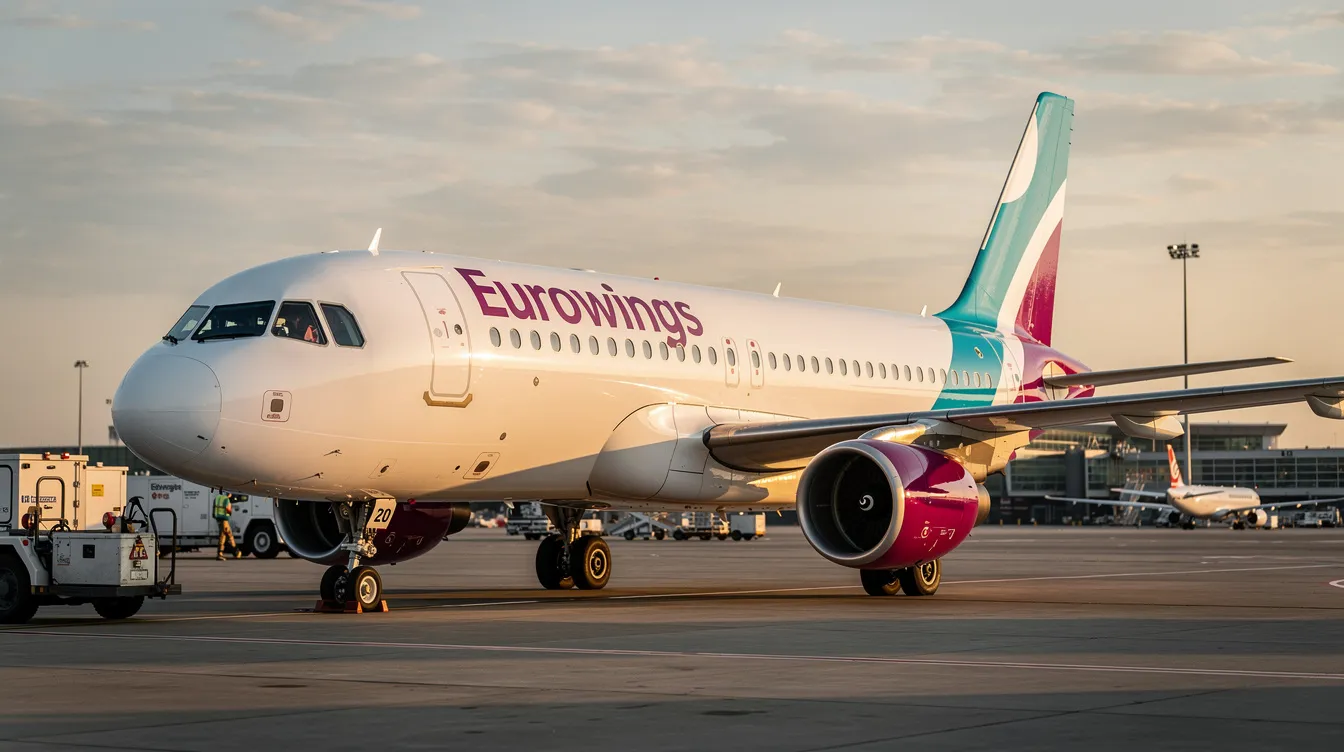
Eurowings Discover, the Lufthansa Group's leisure airline, offers affordable long-haul travel from Germany to various holiday destinations. While it provides a decent experience with competitive fares and lie-flat Business Class, it lacks the premium service and flexibility of higher-end carriers. This guide evaluates its pros and cons to help you decide if it's the right choice for your next trip.
Jay Franco Serevilla
Oct 4, 2026
|
5
min read



View all
Fractional jet ownership in 2026 typically requires an upfront investment of $500,000 to over $1.5 million for a share, along with monthly management fees ranging from $8,000 to $25,000 and hourly flight costs of $4,000 to $9,000, leading to total five-year costs that can exceed $1 million. The structure includes various fees such as acquisition costs, management fees, fuel surcharges, and depreciation, making it essential for potential buyers to understand the complete financial implications. While fractional ownership offers flexibility and access to aircraft, it may not be cost-effective for those flying under 150 hours annually, where alternatives like jet cards could provide better value. A thorough analysis of all costs and usage patterns is crucial for informed decision-making in private aviation investments.
Jeff Ryan Serevilla
May 17, 2026
|
5
min read

View all
The Jet Card Tax Guide outlines key tax considerations for private jet card users, including Federal Excise Tax (FET), state sales tax, and business deductibility rules, aimed at CFOs and finance teams managing aviation budgets. FET is a 7.5% tax on domestic flights, with pricing typically quoted as either "all-in" (including FET) or "plus-FET" (added on top). Jet card flights may be tax-deductible if they meet IRS criteria for business expenses, while personal travel is generally non-deductible. The guide emphasizes the importance of understanding tax implications for effective financial planning and compliance in private aviation.
Jeff Ryan Serevilla
May 17, 2026
|
5
min read

View all
This guide compares leading jet card providers—NetJets, Flexjet, Sentient, Wheels Up, XO, VistaJet, and Jettly—helping private flyers and business travelers choose the best option based on their needs. Key models include owned fleets for consistency (NetJets, Flexjet), broker-based cards for flexibility (Sentient, Magellan), and marketplace models for transparency and adaptability (Jettly, XO). Factors to consider include fleet size, guaranteed availability, pricing structures, and service areas, with costs typically ranging from $125,000 to over $325,000 for a 25-hour commitment. Ultimately, the right provider depends on individual travel patterns, preferences for aircraft consistency, and the desired level of flexibility.
Jeff Ryan Serevilla
May 17, 2026
|
5
min read

View all
Understanding jet card fleet availability is crucial for private aviation customers, as it impacts access to aircraft, service areas, and booking conditions. Jet card programs typically require 24–72 hours' notice for domestic bookings and may have restrictions during peak days or holidays. Jettly offers a flexible model with access to over 20,000 aircraft globally, emphasizing transparency in pricing and availability while accommodating pet travel. When selecting a jet card, it's important to consider factors such as guaranteed availability, aircraft categories, and any additional fees to ensure the program aligns with your travel needs.
Jeff Ryan Serevilla
May 17, 2026
|
5
min read

View all
Jet card programs typically allow flights during peak travel periods like holidays, but they impose stricter rules regarding availability, cancellation policies, and surcharges. Peak days often require longer booking lead times (5-10 days) and may incur surcharges of 10-40%, while cancellation policies can result in significant penalties for late cancellations. Many jet card hours expire within 12-36 months, and refundability is rare unless specified in the contract. Jettly offers a trip-based model that avoids hour expiry, providing flexibility and transparency in pricing without the constraints of traditional jet card memberships.
Jeff Ryan Serevilla
May 17, 2026
|
5
min read

View all
This guide outlines four primary private jet access models: on-demand charter, jet cards, private jet memberships, and fractional ownership, each catering to different travel needs and budgets. On-demand charter offers maximum flexibility for infrequent flyers, while jet cards provide predictable pricing and guaranteed access for those flying 25-100 hours annually. Membership programs offer lower commitments but dynamic pricing, making them suitable for occasional travelers, whereas fractional ownership is best for frequent flyers (100+ hours/year) seeking consistent access and willing to invest significantly. Ultimately, the choice depends on individual travel patterns, budget, and the desired balance between flexibility and ownership control.
Jeff Ryan Serevilla
May 17, 2026
|
5
min read
Explore our latest articles and updates.

5
min read
AMC Airlines: Charter Flights, AMC Aviation Services & Modern Travel Options
AMC Airlines was a charter airline based in Egypt, known for its flexible, contract-driven model serving leisure and group travel. Although it has ceased operations, its approach to charter flights remains relevant, especially as travelers now turn to platforms like Jettly for on-demand private jet services.
Read More
5
min read
Cessna Charter Flights: Affordable Private Flights with Jettly
Cessna charter flights provide an affordable and flexible option for private air travel, ideal for short to mid-range trips. With capacity for 1 to 5 passengers, these flights offer direct routing to smaller airports that larger jets cannot access. Jettly connects travelers to certified operators, ensuring safety and transparency in booking without long-term commitments.
Read MoreJoin our community and receive the latest blog updates directly in your inbox.
MEMBERSHIPS AND ASSOCIATIONS



Disclaimer: Jettly operates as a charter broker, offering access to a global digital jet charter marketplace. Jettly is not a direct air carrier and does not own or operate aircraft. All advertised flights are conducted by third-party air carriers that are fully licensed and hold the appropriate Part 135 or Part 121 certifications issued by the Federal Aviation Administration (FAA) or equivalent regulatory authorities under U.S. or foreign law. Jettly complies fully with the U.S. Department of Transportation's Part 295 and Part 298 Charter Broker regulations. Jettly does not carry additional liability insurance. Passengers are covered by aircraft operator insurance. TICO: 50023770


