


Login
Get Instant Pricing On 23,000+ Aircraft


Plane crashes are often the result of a combination of factors, including human error, mechanical failures, and weather conditions. Despite media coverage suggesting otherwise, air travel remains statistically safe, with improvements in aviation safety over the decades. Understanding the causes and trends can help travelers make informed decisions about their flying options.
Jay Franco Serevilla
Oct 7, 2026
|
5
min read



View all
The leading fractional jet ownership providers in the U.S. are NetJets, Flexjet, PlaneSense, and Airshare, each offering distinct fleet models, pricing structures, and service approaches. NetJets is the largest provider, known for its extensive fleet and global reach, making it ideal for high-utilization travelers, while Flexjet emphasizes premium service and cabin design for those seeking a more personalized experience. PlaneSense focuses on turboprop and light jet efficiency for regional travel, and Airshare offers a day-based model suited for multi-leg itineraries in the central U.S. Prospective owners should carefully evaluate each provider's strengths, limitations, and cost structures to find the best fit for their travel needs.
Jeff Ryan Serevilla
May 17, 2026
|
5
min read

View all
Fractional jet ownership offers guaranteed access to an equivalent aircraft category, but this is subject to specific booking lead times, peak-day restrictions, and operational constraints. Buyers should understand that "guaranteed availability" does not mean access to a specific aircraft at all times, especially during high-demand periods or holidays, where longer notice and potential surcharges may apply. The structure allows for flexibility and cost-sharing among multiple owners, but it also requires careful review of contract terms, including substitution policies and peak calendars. For those seeking more straightforward access without the complexities of ownership, jet cards or on-demand charter services may provide better options.
Jeff Ryan Serevilla
May 17, 2026
|
5
min read

View all
This guide outlines the complexities of fractional jet ownership resale, focusing on resale value, buyback terms, and exit strategies for current and prospective owners. It highlights that fractional ownership is an illiquid asset with significant depreciation, typically retaining 60-70% of its value after three years and 45-60% after five years, influenced by contractual restrictions and provider control. Owners face challenges such as lockup periods, right of first refusal clauses, and ongoing costs until a sale is finalized, which can take several months to over a year. For those seeking flexibility without the burdens of ownership, transitioning to jet cards or charter services may be a viable alternative.
Jeff Ryan Serevilla
May 17, 2026
|
5
min read

View all
Fractional jet ownership can offer significant tax advantages for qualified business operators, primarily through bonus depreciation, Section 179 expensing, and deductions for business-use flight activity. However, these benefits come with complexities, including compliance requirements, limitations on business use, and potential tax consequences such as depreciation recapture upon resale. The tax treatment varies based on ownership structure and individual circumstances, making it essential for buyers to consult with tax professionals to navigate these intricacies. For those prioritizing flexibility and reduced administrative burdens, jet card programs and charter services may provide simpler alternatives without the tax benefits associated with ownership.
Jeff Ryan Serevilla
May 17, 2026
|
5
min read

View all
This guide compares three private aviation options: fractional ownership, jet cards, and on-demand charter, highlighting their distinct trade-offs in cost, commitment, flexibility, and aircraft consistency. Fractional ownership requires a significant upfront investment and long-term commitment, making it suitable for frequent flyers (100-200+ hours/year) who value consistent access to a specific aircraft. Jet cards offer a more flexible, pay-as-you-go model ideal for moderate flyers (25-100 hours/year) seeking predictable pricing without ownership risks. On-demand charter is the most flexible and cost-effective option for occasional flyers (under 25 hours/year), allowing users to pay only for the flights they take without any long-term commitments.
Jeff Ryan Serevilla
May 17, 2026
|
5
min read

View all
Fractional jet ownership allows individuals or companies to purchase a share of a specific aircraft, typically ranging from 1/16 to 1/2, granting them a proportional number of flight hours annually and access to equivalent aircraft when their own is unavailable. This model provides the benefits of private jet travel, including professional management and operational ease, while reducing the financial burden compared to full ownership. Owners can expect to fly between 50 to 400 hours per year, depending on their share size, and the management company handles all operational aspects under FAA regulations. While fractional ownership requires a significant initial investment and ongoing fees, it offers equity and flexibility, making it suitable for frequent flyers, whereas those flying less may prefer alternatives like jet cards or charter services.
Jeff Ryan Serevilla
May 17, 2026
|
5
min read
Explore our latest articles and updates.
5
min read
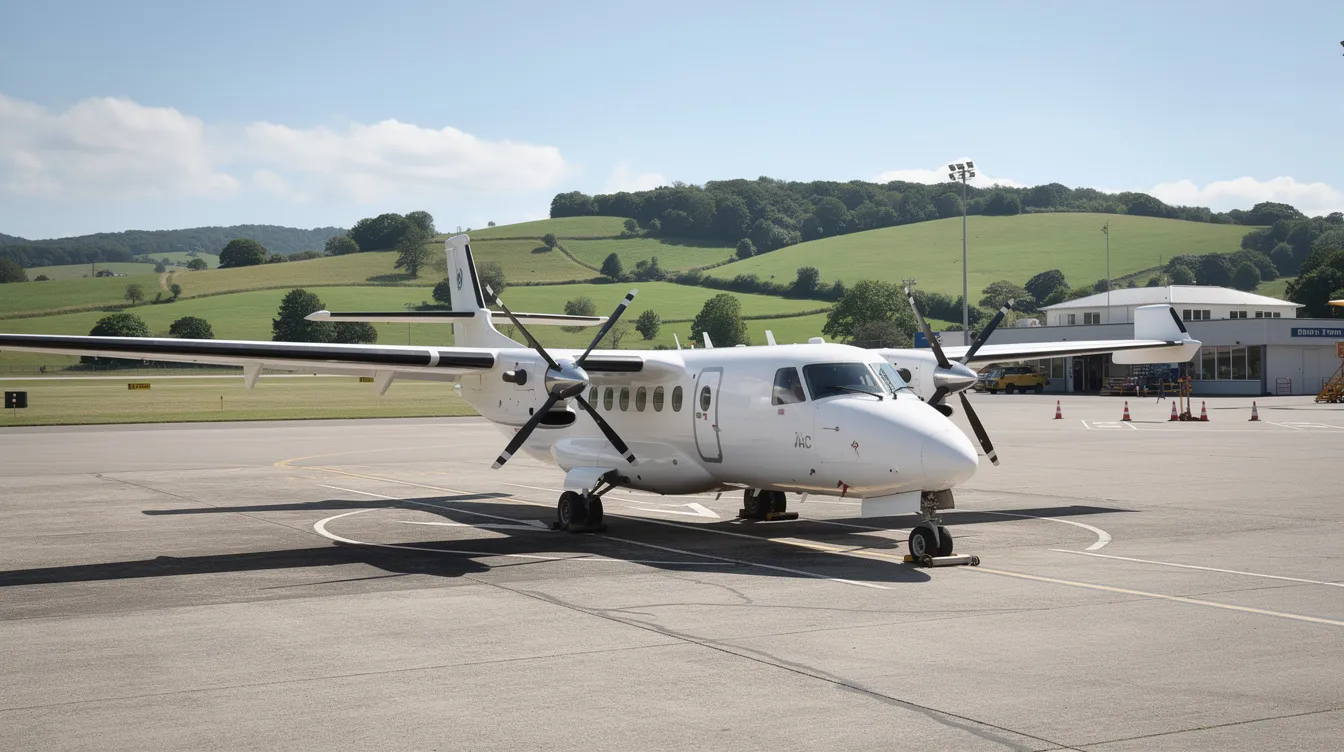
How Much Does It Cost to Charter a Small Plane in 2026?
In 2026, the cost to charter a small plane varies significantly based on aircraft type, flight duration, and additional fees, with hourly rates ranging from $300 for piston aircraft to over $4,000 for light jets. Key factors influencing total costs include aircraft performance, flight distance, airport fees, and optional services like catering. Chartering through platforms like Jettly allows for flexible, pay-per-trip spending without the fixed costs associated with ownership, making it more economical for travelers flying less than 100-150 hours annually. Utilizing strategies such as booking empty leg flights and choosing regional airports can further reduce expenses while maintaining the benefits of private travel.
Read More
5
min read
Turboprop Charter Rates: How Much It Really Costs to Fly Regional Routes, Private
Turboprop charter rates typically range from $1,200 to $3,000 per hour, with premium models reaching up to $5,000. They are the most economical choice for flights under 800–1,000 miles, offering 30–50% lower fuel consumption compared to light jets. Total trip costs can vary based on factors like market demand, airport fees, and additional services, making it essential to compare quotes across aircraft types. Jettly's platform allows travelers to easily compare turboprop options with other aircraft, ensuring transparent pricing and access to a wide range of charter services.
Read MoreJoin our community and receive the latest blog updates directly in your inbox.
MEMBERSHIPS AND ASSOCIATIONS



Disclaimer: Jettly operates as a charter broker, offering access to a global digital jet charter marketplace. Jettly is not a direct air carrier and does not own or operate aircraft. All advertised flights are conducted by third-party air carriers that are fully licensed and hold the appropriate Part 135 or Part 121 certifications issued by the Federal Aviation Administration (FAA) or equivalent regulatory authorities under U.S. or foreign law. Jettly complies fully with the U.S. Department of Transportation's Part 295 and Part 298 Charter Broker regulations. Jettly does not carry additional liability insurance. Passengers are covered by aircraft operator insurance. TICO: 50023770


