


Login
Get Instant Pricing On 23,000+ Aircraft

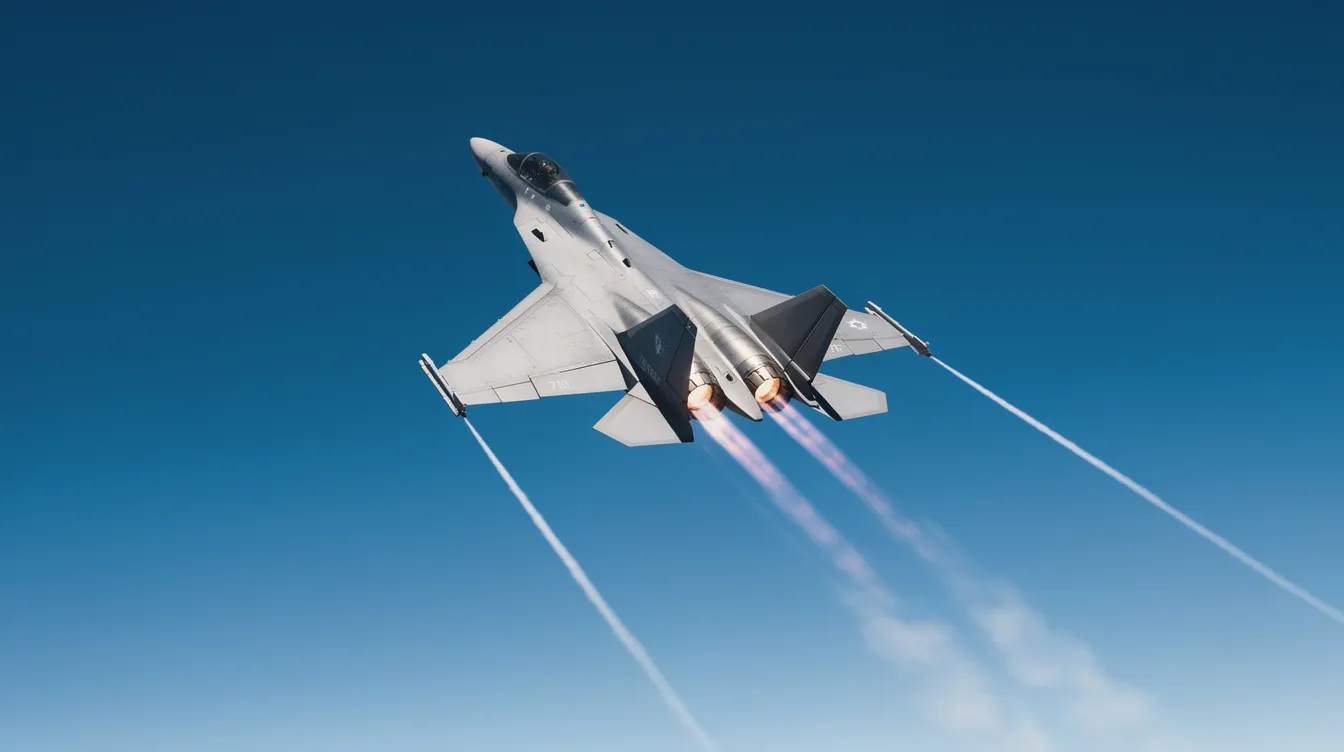
Modern jet fighter aircraft have revolutionized air combat with advancements in stealth, sensors, and technology. These innovations not only enhance military capabilities but also significantly influence the design and safety of private jets, offering travelers a superior flying experience. This article explores the connection between military aviation technology and its impact on private aviation.
Jay Franco Serevilla
Oct 11, 2026
|
5
min read


View all
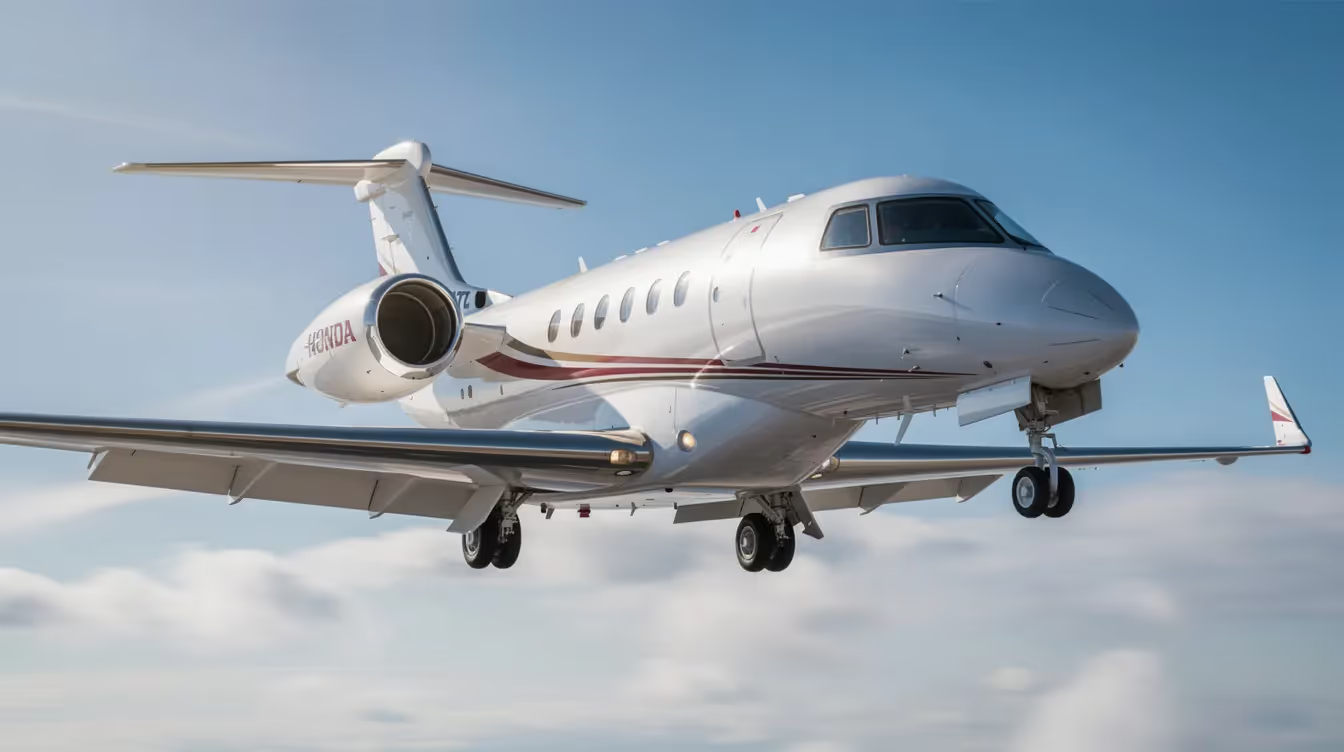
The article outlines the pricing and ownership costs of HondaJet aircraft, ranging from approximately $2.5 million for older models to over $6 million for new HondaJet Elite II models. It emphasizes that total ownership costs, including fixed and variable expenses, can reach $500,000 to $1.2 million annually, making chartering a more flexible option for those flying under 150-200 hours per year. For frequent flyers, ownership may become more viable, but Jettly provides a convenient alternative for accessing HondaJet-level travel without the long-term commitment of ownership. Overall, understanding the comprehensive costs associated with HondaJet ownership versus chartering is crucial for informed decision-making in private jet travel.
Jay Franco Serevilla
May 20, 2026
|
5
min read

View all
UberJets is a membership-based private jet charter service that utilizes its Virtual Hangar app to connect travelers with a wide network of aircraft, catering primarily to frequent flyers who value convenience and personalized support. The platform offers features such as aircraft comparison, empty-leg flight opportunities, and a dedicated flight advisor, making it suitable for those flying 20–50 hours annually. However, occasional travelers may find better value with Jettly, which provides on-demand access to a larger fleet without the need for a membership. Ultimately, the choice between UberJets and Jettly depends on individual travel frequency, budget, and preferences for technology versus personalized service.
Jay Franco Serevilla
May 20, 2026
|
5
min read

View all
Deer Jet is a leading Chinese private jet company known for its ultra-luxury Dream Jet experience, particularly featuring the Boeing 787 Dream Jet, which offers a lavish cabin and bespoke services for VVIP travel. Established in 1995, Deer Jet has played a significant role in the growth of business aviation in Asia, operating a large fleet and providing on-demand charter services across numerous global destinations. In contrast, Jettly is a digital private jet charter platform that connects travelers to a wide range of aircraft without the need for ownership, offering flexibility and transparent pricing. Both Deer Jet and Jettly cater to different aspects of private aviation, with Deer Jet focusing on high-end experiences and Jettly providing accessible options for various travel needs.
Jay Franco Serevilla
May 20, 2026
|
5
min read

View all
Aviation fuel, primarily consisting of conventional jet fuel and aviation gasoline (avgas), is essential for powering aircraft engines, with sustainable aviation fuels (SAF) emerging as a low-carbon alternative that can reduce lifecycle emissions by up to 80%. Jet A and Jet A-1 are the most common kerosene-based fuels for turbine engines, while avgas is used for piston engines. The aviation industry is actively transitioning to SAF, which can be blended with traditional jet fuel without requiring significant modifications to existing aircraft. Fuel choices impact various operational aspects, including cost, range, and emissions, making them a critical consideration for private jet charter services like Jettly.
Jay Franco Serevilla
May 20, 2026
|
5
min read
View all
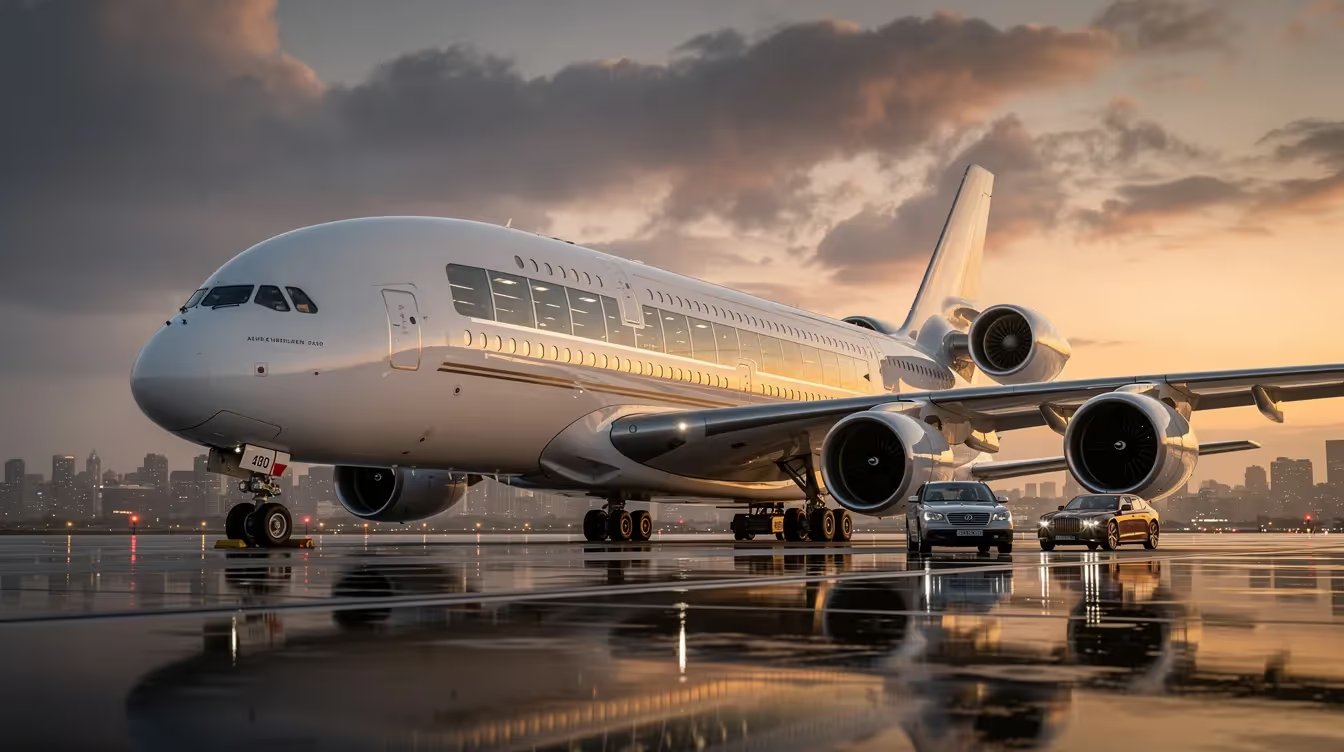
The Airbus A380 private plane redefines luxury air travel, transforming the world's largest passenger aircraft into a bespoke flying palace that accommodates 50-100 VIP passengers with amenities akin to five-star hotels. While owning or chartering such an aircraft is complex and costly, platforms like Jettly offer access to large private jets and VIP airliners, providing flexible and transparent options for travelers. The A380's unique design allows for extensive customization, including master suites, conference rooms, and wellness areas, making it an exceptional choice for governments and ultra-high-net-worth individuals. However, due to its operational requirements and high costs, most travelers find more practical alternatives in large business jets or VIP-configured airliners.
Jay Franco Serevilla
May 20, 2026
|
5
min read
View all
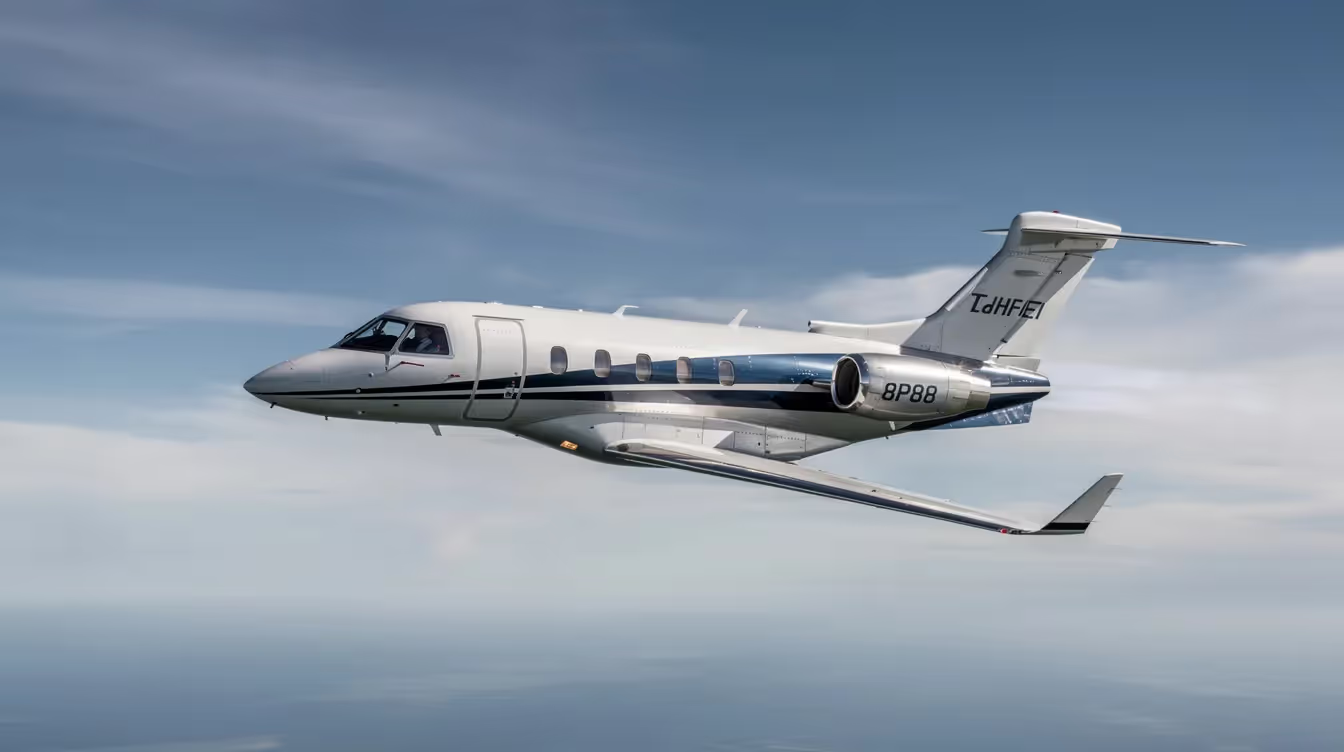
The guide on microjet aircraft highlights their significance in aviation for private pilots and enthusiasts, emphasizing their role in advancing propulsion, materials, and efficiency. Microjets, which include small jet-powered aircraft and jet sailplanes, are primarily used for training, research, and airshows rather than commercial transport. Innovations in microjet technology influence broader aerospace trends and enhance the performance of larger business jets available through platforms like Jettly. Overall, while microjets are not typically available for charter, their development contributes to the evolution of private aviation and the accessibility of jet travel.
Jay Franco Serevilla
May 20, 2026
|
5
min read
Explore our latest articles and updates.
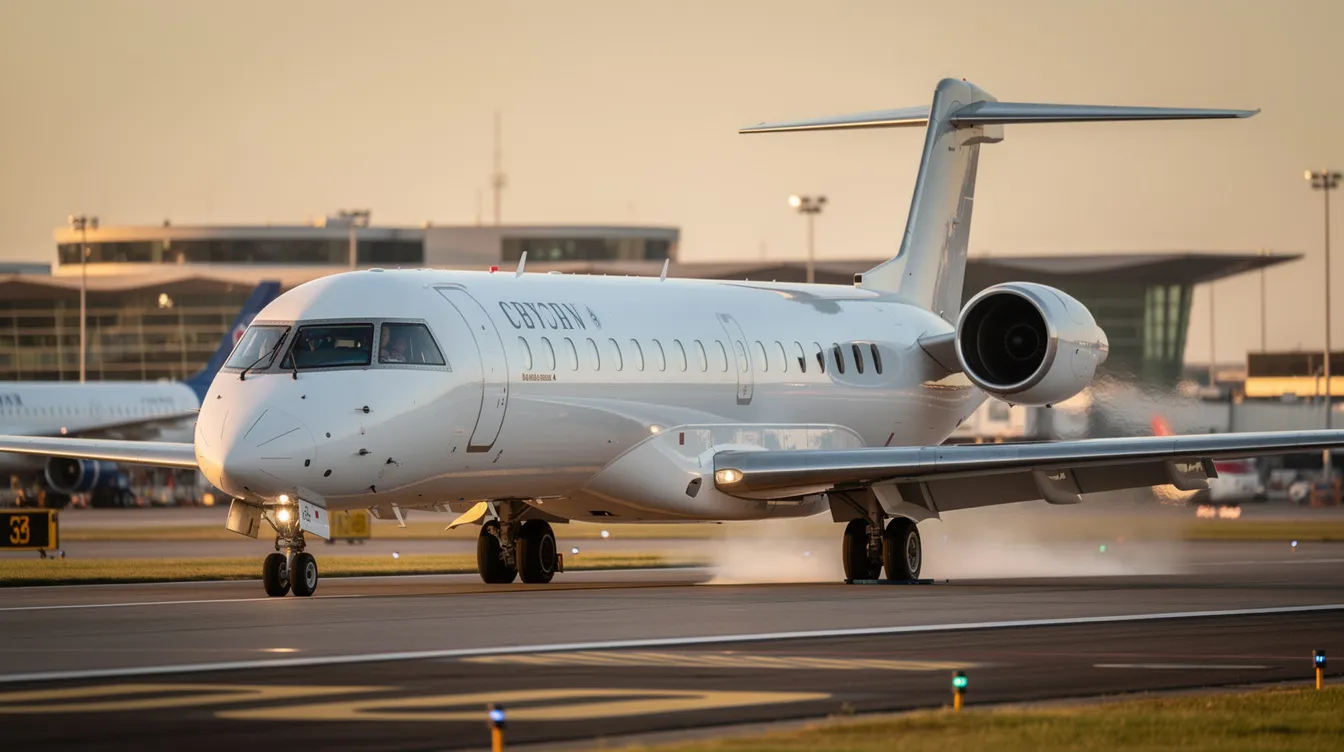
5
min read
Bombardier CRJ 900: Key Facts, Performance & Private Charter Use
The Bombardier CRJ 900 is a regional jet designed for short-to-medium-haul flights, accommodating 76 to 90 passengers and offering a range of approximately 1,784 miles. Since its introduction in 2001, it has become a key player in regional aviation, effectively linking smaller cities to major hubs across North America and Europe. The aircraft is popular for private charters, particularly for groups such as corporate teams and sports organizations, thanks to its efficient operational costs and flexibility in scheduling. Platforms like Jettly facilitate easy booking and tailored services for CRJ 900 charters, enhancing the travel experience for larger groups.
Read More
5
min read
Insurance for Airplanes: Complete Coverage Guide for Aircraft Owners
The blog post discusses the advancements in high-speed personal aircraft, highlighting the Bombardier Global 8000 as the fastest private jet, capable of reaching Mach 0.94 using sustainable aviation fuel. It outlines the performance spectrum of modern personal planes, which range from single-engine aircraft to ultra-fast jets, emphasizing the importance of speed, efficiency, and comfort for business and personal travel. The article also covers critical factors such as operating costs, safety features, and the evolving market dynamics driven by innovation and competition among manufacturers. Finally, it touches on the future of aviation, focusing on sustainable practices and potential developments in electric and hybrid propulsion systems.
Read MoreJoin our community and receive the latest blog updates directly in your inbox.
MEMBERSHIPS AND ASSOCIATIONS



Disclaimer: Jettly operates as a charter broker, offering access to a global digital jet charter marketplace. Jettly is not a direct air carrier and does not own or operate aircraft. All advertised flights are conducted by third-party air carriers that are fully licensed and hold the appropriate Part 135 or Part 121 certifications issued by the Federal Aviation Administration (FAA) or equivalent regulatory authorities under U.S. or foreign law. Jettly complies fully with the U.S. Department of Transportation's Part 295 and Part 298 Charter Broker regulations. Jettly does not carry additional liability insurance. Passengers are covered by aircraft operator insurance. TICO: 50023770


