



Login
Get Instant Pricing On 23,000+ Aircraft


Delta Air Lines utilizes a structured boarding system with eight numbered zones plus pre-boarding, determining the order in which passengers board based on cabin class, fare type, and loyalty status. Understanding this system is crucial for travelers considering commercial flights versus private jet charters, as it impacts overhead bin space and wait times. For those seeking a more streamlined experience, private jet options like Jettly eliminate the complexities of boarding zones altogether.
Jay Franco Serevilla
Oct 25, 2026
|
5
min read



View all
Aviation fueling is a critical process for private jets, ensuring safety and efficiency through stringent regulations and quality checks. This guide explores the types of aviation fuels, the fueling process, and the importance of proper fuel management for charter flights. Understanding these elements is essential for travelers to appreciate how they impact flight safety, range, and costs.
Jay Franco Serevilla
Oct 13, 2026
|
5
min read

View all
Knowing when to book international flights can save you significant money. Generally, aim to book 3 to 6 months in advance for economy fares, and 6 to 9 months for peak seasons. Understanding the best booking windows and seasonal trends is crucial for securing the best deals.
Jay Franco Serevilla
Oct 13, 2026
|
5
min read

View all
Helicopters primarily use two types of fuel: aviation gasoline (AvGas) for piston engines and kerosene-based jet fuel for turbine engines. Understanding the fuel type is crucial as it affects operating costs, range, and availability at heliports, which are important factors for private flyers. With the rise of sustainable aviation fuels, the industry is also moving towards greener options without compromising performance.
Jay Franco Serevilla
Oct 13, 2026
|
5
min read

View all
The belief that airline tickets are cheaper on Tuesdays is largely a myth in 2026, as prices are now set dynamically based on various factors. Booking windows, travel days, and demand patterns play a more significant role in determining airfare than the specific day of the week. Travelers should focus on flexible booking strategies and timing rather than chasing specific days for the best deals.
Jay Franco Serevilla
Oct 13, 2026
|
5
min read
View all
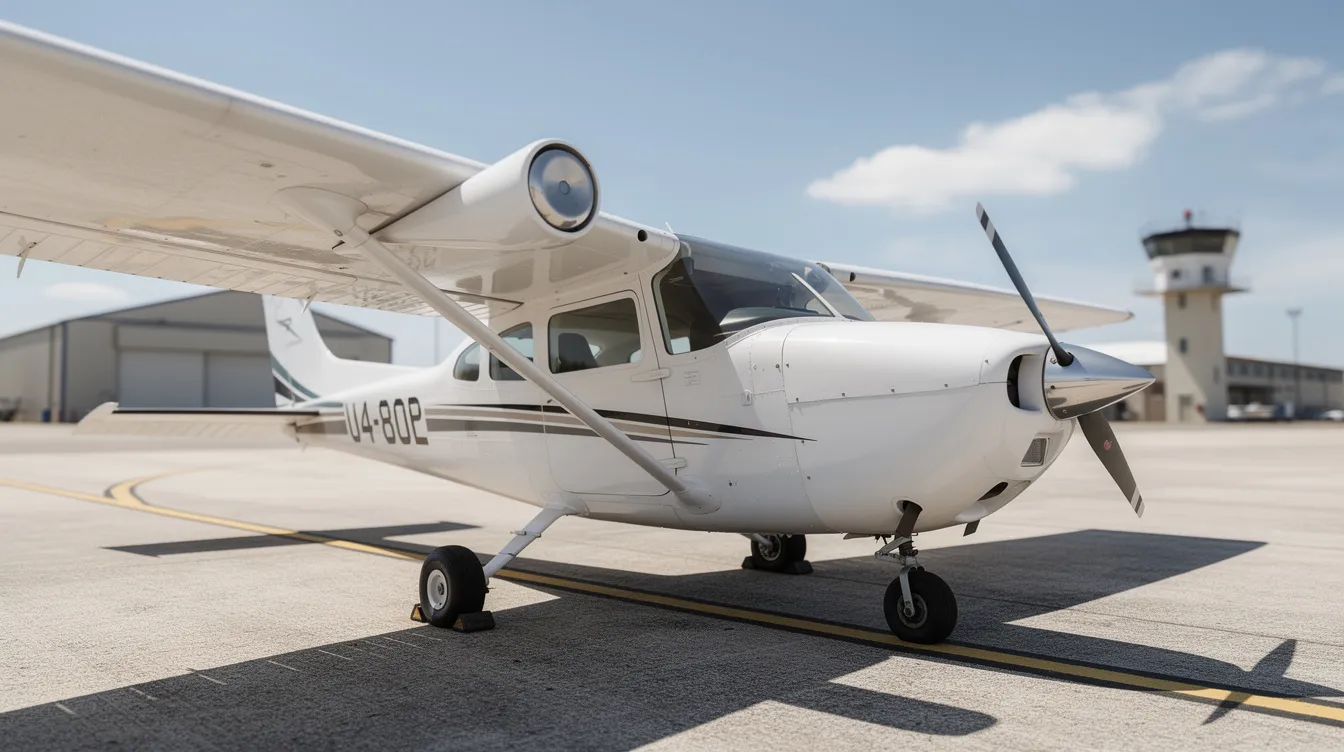
Understanding fuel management in the Cessna 172 is crucial for safe flying. This guide covers fuel capacity, consumption, and best practices for effective fuel planning, essential for both student pilots and experienced aviators. Proper fuel management habits learned in the 172 apply directly to larger aircraft operations.
Jay Franco Serevilla
Oct 13, 2026
|
5
min read

View all
Understanding last-minute flight pricing is essential for travelers looking to save money. While many hope for last-minute deals, prices typically rise as departure dates approach, with significant savings being rare. This guide explores booking strategies, the dynamics of airline pricing, and how private jet charters can offer unique last-minute savings.
Jay Franco Serevilla
Oct 13, 2026
|
5
min read
Explore our latest articles and updates.

5
min read
Fractional Jet Ownership Cost: The Complete Pricing Breakdown
Fractional jet ownership in 2026 typically requires an upfront investment of $500,000 to over $1.5 million for a share, along with monthly management fees ranging from $8,000 to $25,000 and hourly flight costs of $4,000 to $9,000, leading to total five-year costs that can exceed $1 million. The structure includes various fees such as acquisition costs, management fees, fuel surcharges, and depreciation, making it essential for potential buyers to understand the complete financial implications. While fractional ownership offers flexibility and access to aircraft, it may not be cost-effective for those flying under 150 hours annually, where alternatives like jet cards could provide better value. A thorough analysis of all costs and usage patterns is crucial for informed decision-making in private aviation investments.
Read More
5
min read
Jet Card Tax Guide: FET, Business Deductibility & State Sales Tax
The Jet Card Tax Guide outlines key tax considerations for private jet card users, including Federal Excise Tax (FET), state sales tax, and business deductibility rules, aimed at CFOs and finance teams managing aviation budgets. FET is a 7.5% tax on domestic flights, with pricing typically quoted as either "all-in" (including FET) or "plus-FET" (added on top). Jet card flights may be tax-deductible if they meet IRS criteria for business expenses, while personal travel is generally non-deductible. The guide emphasizes the importance of understanding tax implications for effective financial planning and compliance in private aviation.
Read MoreJoin our community and receive the latest blog updates directly in your inbox.
MEMBERSHIPS AND ASSOCIATIONS



Disclaimer: Jettly operates as a charter broker, offering access to a global digital jet charter marketplace. Jettly is not a direct air carrier and does not own or operate aircraft. All advertised flights are conducted by third-party air carriers that are fully licensed and hold the appropriate Part 135 or Part 121 certifications issued by the Federal Aviation Administration (FAA) or equivalent regulatory authorities under U.S. or foreign law. Jettly complies fully with the U.S. Department of Transportation's Part 295 and Part 298 Charter Broker regulations. Jettly does not carry additional liability insurance. Passengers are covered by aircraft operator insurance. TICO: 50023770


