



Login
Get Instant Pricing On 23,000+ Aircraft

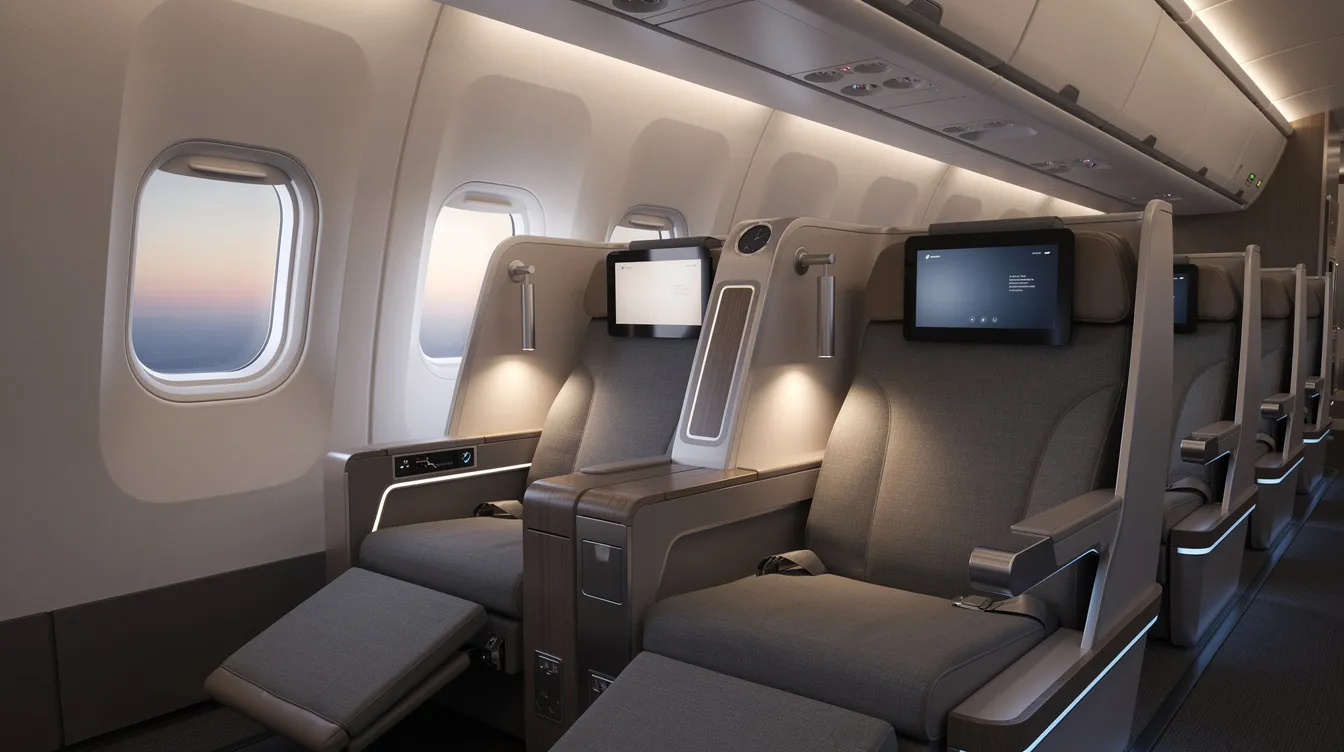
Flying business class offers travelers enhanced comfort, priority services, and access to airport lounges, making long-haul flights more enjoyable. However, for those seeking ultimate privacy and flexibility, private jet charters through platforms like Jettly present a compelling alternative. This guide explores the benefits, costs, and comparisons between business class and private jet travel.
Jay Franco Serevilla
Oct 14, 2026
|
5
min read



View all
Free flight tracking tools have made it easier for travelers to monitor commercial and private flights in real time without subscription fees, providing essential information on flight status, delays, and gate changes. Platforms like FlightAware and Flightradar24 utilize ADS-B and radar data to deliver accurate tracking globally, with features such as customizable alerts and historical data access. While free trackers are suitable for casual users, frequent travelers and private aviation clients may benefit from premium features offered by services like Jettly, which provide direct operator updates and enhanced tracking capabilities. Overall, these tools help streamline travel planning and reduce stress by keeping users informed throughout their journeys.
Jay Franco Serevilla
May 6, 2026
|
5
min read

View all
The Pup Plane guide focuses on the Preceptor N3 Pup family, which includes the N3 Pup, Super Pup, and Ultra Pup, catering to modern pilots and aviation enthusiasts interested in homebuilt aircraft. These lightweight, high-wing planes, developed in the late 1970s and 1980s, are known for their affordability and ease of construction, with the N3 Pup qualifying as an ultralight under FAR Part 103 regulations. While these aircraft are ideal for recreational flying, they are not suitable for commercial charter services, which are better served by platforms like Jettly that offer access to a wide range of professionally operated private jets. Understanding the differences between Pup planes and charter options helps pilots and travelers make informed decisions based on their flying needs.
Jay Franco Serevilla
May 6, 2026
|
5
min read

View all
In 2026, pilot lesson costs range from $10,000 to $20,000 for a Private Pilot License and can exceed $130,000 for a full professional training path. Key expenses include hourly flight rates ($150–$250), instructor fees, testing costs, and living expenses, with total costs often surpassing advertised minimums due to additional flight hours needed. Training frequency significantly impacts costs, with more frequent flying leading to faster completion and lower overall expenses. Financing options, including loans, GI Bill benefits, and scholarships, can help manage these costs, making flight training more accessible for aspiring pilots.
Jay Franco Serevilla
May 6, 2026
|
5
min read

View all
Private jet flight attendant roles blend aviation safety with luxury hospitality, offering higher earning potential and global travel opportunities compared to commercial airlines. Candidates typically need 2-4 years of experience in commercial aviation or luxury hospitality, along with advanced safety training. The job involves personalized service for VIP clients, with responsibilities ranging from safety briefings to gourmet meal service, and compensation can range from $65,000 to $120,000 annually, plus additional benefits. As demand for private aviation grows, networking and targeted job searches are essential for securing these competitive positions.
Jay Franco Serevilla
May 6, 2026
|
5
min read

View all
The debate over the U.S. top fighter jet centers on the F-22 Raptor, F-35 Lightning II, and F-15 Eagle, each excelling in different mission profiles. The F-22 is recognized for air superiority with unmatched stealth and agility, while the F-35 offers multirole versatility and extensive production, and the F-15 is the fastest with significant payload capacity. As the U.S. military prepares for next-generation fighters like the NGAD and F-47, these aircraft will continue to play vital roles through the 2030s. Meanwhile, private aviation platforms like Jettly leverage advancements from military technology to provide flexible and accessible travel options for civilians.
Jay Franco Serevilla
May 6, 2026
|
5
min read

View all
Understanding the difference between planes and jets is crucial for travelers in private aviation, as jets are specifically powered by jet engines and designed for higher speeds and longer distances compared to propeller planes. Jets excel in long-haul travel, typically cruising at 400–600+ mph and accessing a wider range of airports, while turboprops are more efficient for short regional flights. Platforms like Jettly offer access to over 20,000 aircraft, allowing travelers to easily compare options based on their specific needs, such as distance, budget, and airport access. Ultimately, choosing the right aircraft depends on factors like trip duration, passenger count, and desired flexibility.
Jay Franco Serevilla
May 6, 2026
|
5
min read
Explore our latest articles and updates.

5
min read
Safest Passenger Planes in 2026: Models, Statistics, and How They Impact Your Flight
In 2026, the safest passenger planes include models like the Embraer ERJ family, Boeing 717, Airbus A340, and Airbus A380, all boasting zero fatal accidents. Understanding aircraft safety data helps travelers make informed decisions, as modern jets like the Airbus A350 and Boeing 787 also maintain exceptional safety records. With rigorous engineering and advanced technology, commercial aviation remains the safest mode of transportation.
Read More
5
min read
Topflightfares: How to Spot Real Deals and When to Choose Private Jets Instead
Travelers today face numerous options when booking flights, from premium commercial fares to private jet charters. This guide helps you evaluate deals, identify risks, and determine when private jets may offer better value, especially for groups or last-minute trips. With insights on pricing, hidden fees, and safety, you can make informed travel decisions.
Read MoreJoin our community and receive the latest blog updates directly in your inbox.
MEMBERSHIPS AND ASSOCIATIONS



Disclaimer: Jettly operates as a charter broker, offering access to a global digital jet charter marketplace. Jettly is not a direct air carrier and does not own or operate aircraft. All advertised flights are conducted by third-party air carriers that are fully licensed and hold the appropriate Part 135 or Part 121 certifications issued by the Federal Aviation Administration (FAA) or equivalent regulatory authorities under U.S. or foreign law. Jettly complies fully with the U.S. Department of Transportation's Part 295 and Part 298 Charter Broker regulations. Jettly does not carry additional liability insurance. Passengers are covered by aircraft operator insurance. TICO: 50023770


